The total of 12 tablets of this medication should be taken on the evening before the examination using a cup, 2 tablets every 10 minutes with 159 mL of water, followed by an additional 318 mL of water. On the day of the examination, an additional total of 12 tablets of this medication should be taken using a cup, 2 tablets every 10 minutes with 159 mL of water, followed by an additional 318 mL of water. This medication and water intake should be completed at least 2 hours before the examination or by the time directed by the physician.
This medication is used to thoroughly cleanse the bowel before undergoing colon X-ray or endoscopic examination. This helps to clearly identify the condition of the interior of the colon during the examination. By removing waste or residue in the bowel prior to the examination, accurate diagnosis is possible. Patients should take this medication to adequately empty their bowels prior to the examination. Please understand that this is a necessary preparation process for a safe and effective examination. This medication is used for bowel cleansing before colon examination.
How to take
Adult dose
The total of 12 tablets of this medication should be taken on the evening before the examination using a cup, 2 tablets every 10 minutes with 159 mL of water, followed by an additional 318 mL of water. On the day of the examination, an additional total of 12 tablets of this medication should be taken using a cup, 2 tablets every 10 minutes with 159 mL of water, followed by an additional 318 mL of water. This medication and water intake should be completed at least 2 hours before the examination or by the time directed by the physician.
Precautions
This medication should not be administered to certain patients. For example, patients with allergies to this medication or its components, patients with suspected or actual gastrointestinal obstruction or perforation, patients with impaired gastric motility, patients with bowel obstruction, patients with toxic colitis or toxic megacolon, patients with severe renal function impairment, patients in severe dehydration, patients with ascites, and patients with heart failure should not use this medication.
Additionally, there are certain patients who require caution when using this medication. For example, patients with severely abnormal fluid or blood test results, patients with a history of seizures or at high risk for seizures, patients at risk for arrhythmias, patients taking medications that may affect renal function, patients with ulcers in the bowel mucosa or ischemic colitis, patients with severe active ulcerative colitis, and patients with impaired vomiting reflex or at risk for aspiration should use this medication with caution.
Taking this medication may lead to side effects such as diarrhea, vomiting, abdominal distension, abdominal pain, dizziness, headaches, and chills. If these symptoms are severe or if dehydration is suspected, immediate consultation with medical personnel should be sought.
Sufficient fluid intake is necessary before and after administration, and because electrolyte imbalances may occur, conditions should be monitored through blood tests. Electrolyte abnormalities could lead to serious issues such as cardiac arrhythmias or seizures, so special caution is needed.
Moreover, this medication may temporarily raise serum uric acid levels and could trigger acute gout attacks in patients with gout, thus requiring caution.
This medication must be taken exactly as directed in terms of dosage and administration; failing to take it with sufficient water can increase the risk of vomiting, dehydration, and electrolyte imbalances.
The safety of this medication has not been established for pregnant or nursing individuals; it should only be administered when the diagnostic benefits outweigh the risks, and caution should be exercised.
This medication is not recommended for use in children as its safety and efficacy have not been sufficiently validated.
This medication should be stored out of reach of children and should not be transferred to other containers. Additionally, other oral medications taken simultaneously may be absorbed less effectively due to this medication, so care should be taken with timing.
Side effects and when to seek care immediately
Mild side effects
Nausea
abdominal distension
abdominal pain
vomiting
malaise
epigastric pain
hemorrhoids
dizziness
headaches
chills
Not everyone experiences these, and they can vary from person to person.
Storage
This medication should be stored in a tightly sealed container to prevent exposure to air or moisture. It is recommended to maintain a storage temperature between 1 to 30 degrees Celsius. Proper storage will help preserve the medication's effectiveness and ensure safe use.
Appearance and packaging
Appearance
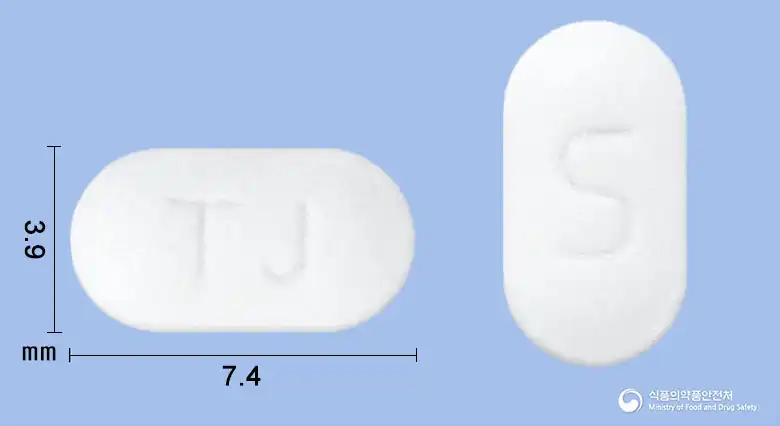
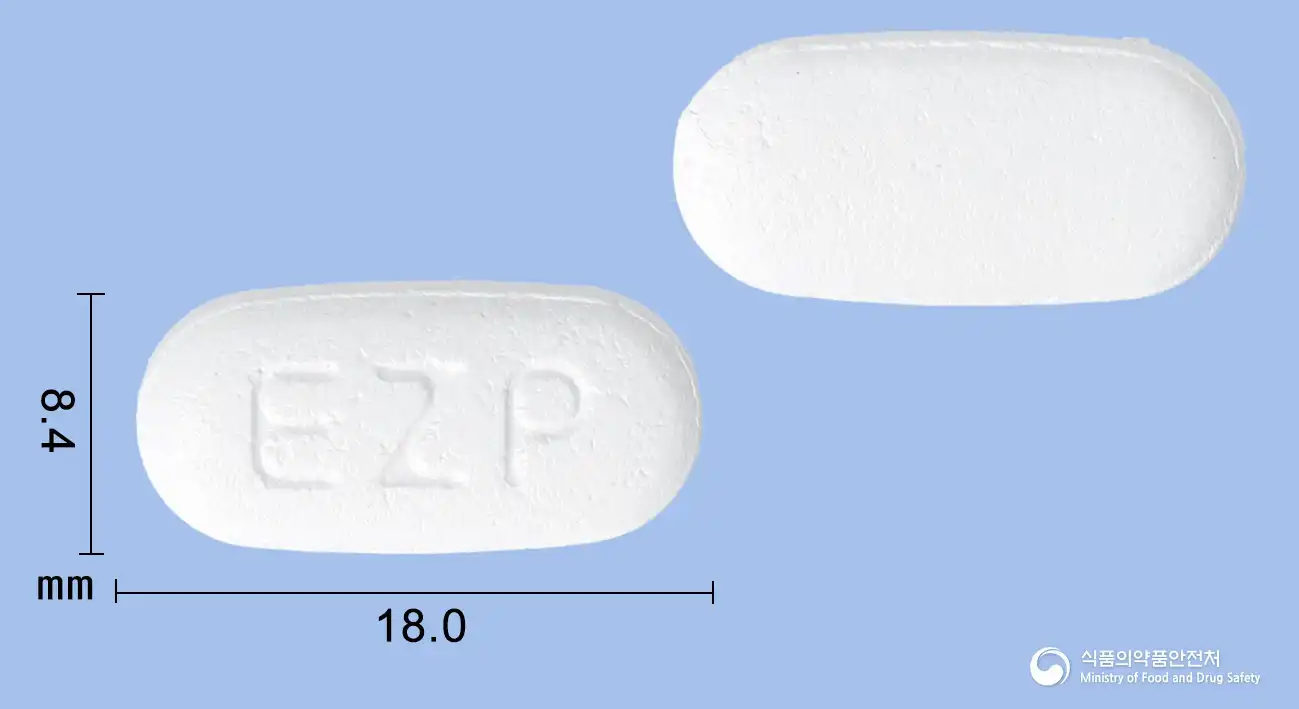
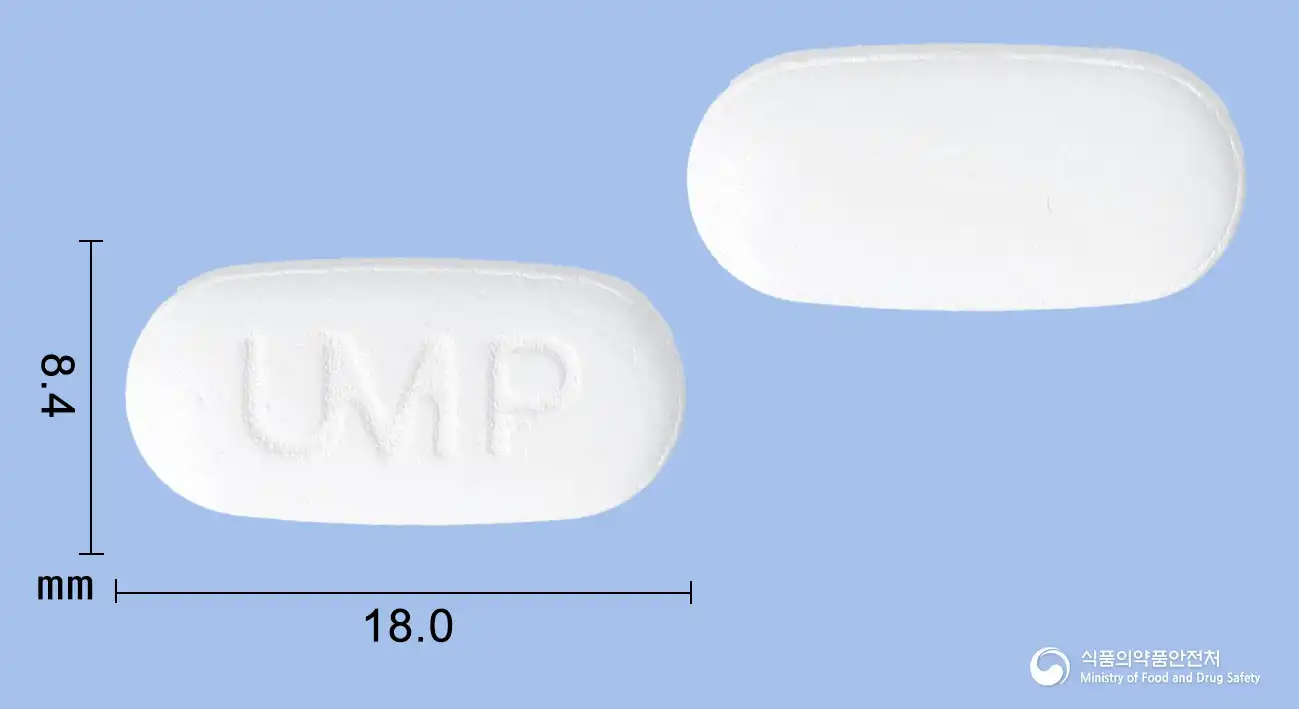
White oblong film-coated tablet
Package unit
24 tablets/bottle
Same-ingredient medicines
Even with the same ingredient, strength, dosage form and how it is taken can differ.
Even with the same ingredient, the dose and directions can differ by strength and dosage form. Talk to a doctor or pharmacist before switching from a medication you are already taking.
Questions about this medicine
No questions yet.
For anything that needs medical judgment, consult a doctor or pharmacist.
This drug information is based on data provided by the Korea Ministry of Food and Drug Safety. Consult a doctor or pharmacist for accurate dosage, administration, and usage instructions.

 한국어
한국어 English
 日本語
日本語 中文(简体)
 Viewing nowCombination