
 한국어
 English
 日本語
 中文(简体)
Dosage form image
Viewing nowOtofloxacin Solution (Ofloxacin)
Ofloxacin 3mg
Prescription medication
QL Pharma Co., Ltd.
MFDS item code 202501406 · Approved 2025.06.09 · Insurance code 673400491
Treatment of ear infections (otitis media and otitis externa)
This medication is used to treat otitis media and otitis externa caused by infection from bacteria such as Staphylococcus, Streptococcus, Proteus, Pseudomonas, and Hemophilus influenzae.
Adults: Instill 6 - 10 drops per dose, twice daily. Keep the affected ear facing upward for approximately 10 minutes after instillation. The dose may be adjusted as appropriate according to age and symptoms.
This medication is a type of quinolone antibiotic and is used to treat certain bacterial infections. First, this medication should not be used in patients who have had allergic reactions to this drug or other quinolone medications. If severe allergic symptoms occur while using the medication, such as weak heartbeat or loss of consciousness, use should be discontinued immediately. When there is inflammation in the ear, symptoms like itching, dizziness, and pain may occur, so caution is advised. If inflammation is present in areas other than the ear, other symptoms such as taste distortion, nausea, headache, and fever may appear. Additionally, hearing loss or alteration of flora can occur, so if any abnormal symptoms are present, medical consultation should be sought. To prevent the development of resistant bacteria, the sensitivity of the infecting bacteria must be checked and the drug should be used for the minimum required duration. Typically, a treatment duration of 4 weeks is standard, and if prolonged use beyond this period is necessary, it should be decided with caution. With long-term use, other bacteria or fungi may overgrow; if a superinfection is suspected, the medication should be stopped and other treatment should be administered. If purulent discharge continues from the ear after treatment or if symptoms recur within 6 months, alternative treatment targeting the underlying cause, such as the removal of cholesteatoma, foreign bodies, or tumors, may be needed. Quinolone drugs can cause severe allergic reactions even with a single use, so if symptoms such as rash or itching occur, use should be stopped immediately and a specialist should be consulted. If otitis media is confined to the tympanic membrane, this medication can be used for local treatment by direct instillation into the ear; if inflammation has spread to surrounding tissues, oral medication should also be considered. During pregnancy, this drug should only be used when the therapeutic effect is considered to outweigh the risks, and during breastfeeding, considerations should be made regarding stopping either the medication or breastfeeding. For infants under 1 year old, the safety and efficacy of this drug have not been confirmed, so it is advisable not to use it. This medication should be used only as an ear drop, and if the solution is too cold, it may cause dizziness, so it is best to warm it to close to body temperature before use. Lastly, since abnormalities in the joints of young animals have been reported in animal tests, caution is necessary when using this medication in children.
Not everyone experiences these, and they can vary from person to person.
This medication should be stored in a tightly closed container to protect it from air and moisture, and it is safest to keep it at room temperature, between 1 degree and 30 degrees. Proper storage will help maintain the drug's effectiveness and prevent deterioration.
Clear liquid ranging from pale yellow to light yellow
5 milliliters/bottle
Even with the same ingredient, strength, dosage form and how it is taken can differ.
Ofloxacin 3mg
Prescription medication
QL Pharma Co., Ltd.
Ofloxacin 100mg
Tablet · Prescription medication
Cejal Pharmaceutical Co., Ltd.
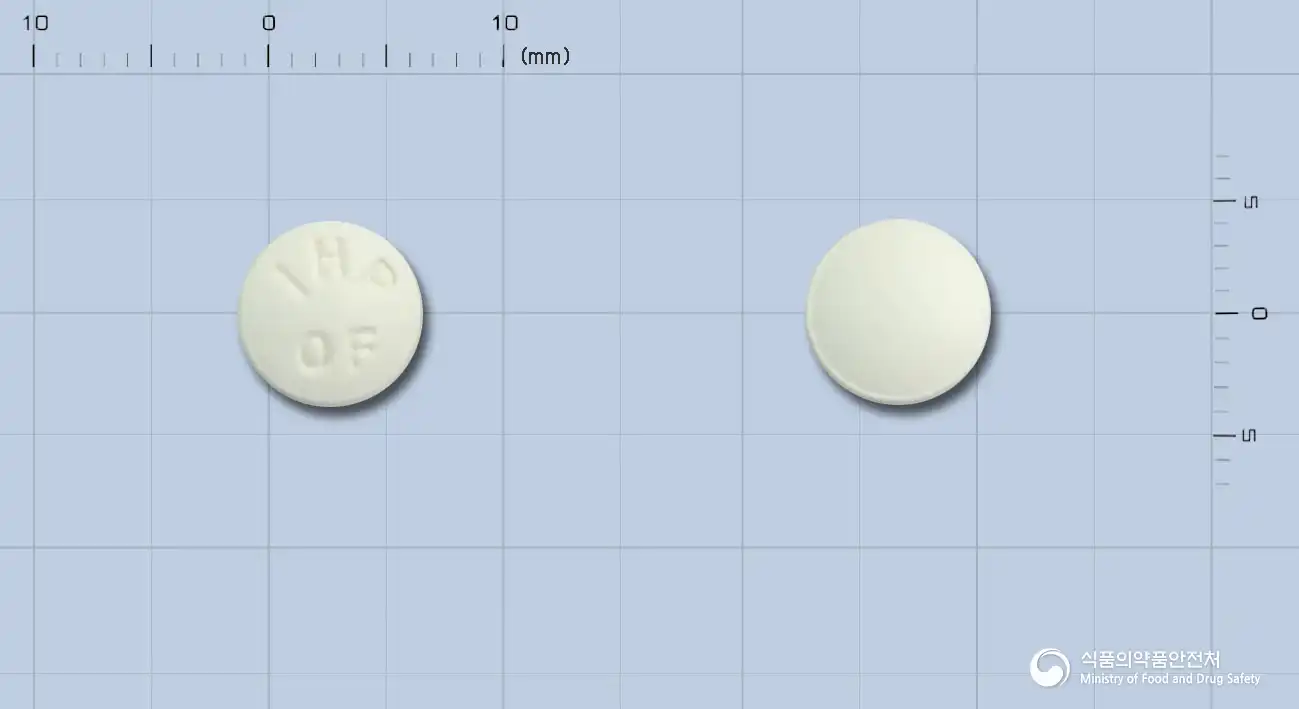
Ofloxacin 100mg
Tablet · Prescription medication
Ilhwa
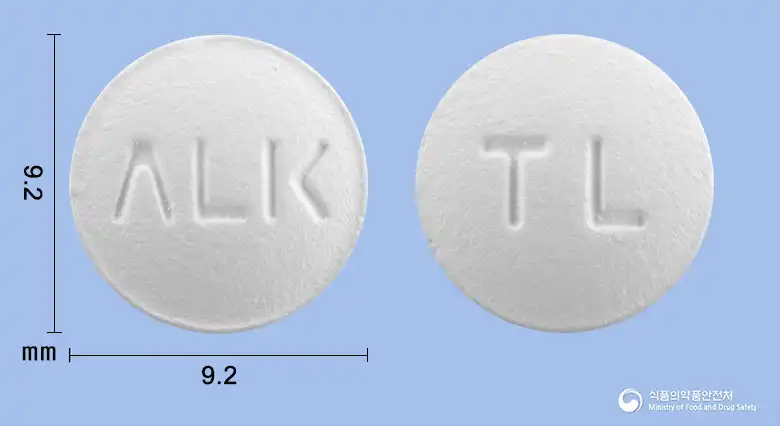
Ofloxacin 100mg
Tablet · Prescription medication
Alvogen Korea Co., Ltd.
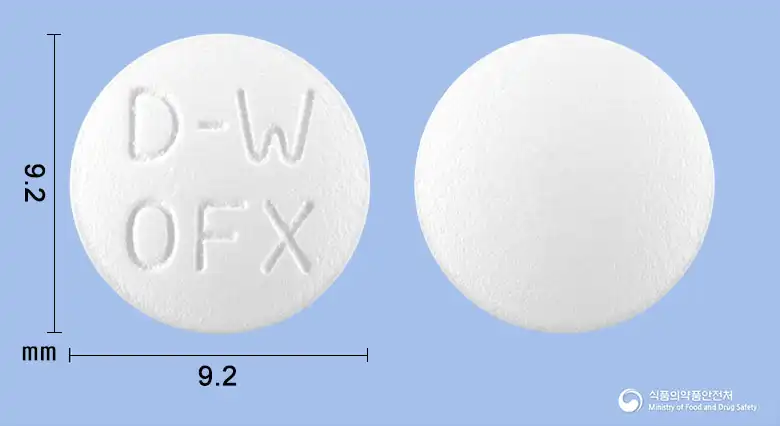
Ofloxacin 100mg
Tablet · Prescription medication
Donghwa Pharmaceutical Co., Ltd.
Ofloxacin
Prescription medication
Gujoo Pharmaceutical Co., Ltd.
Ofloxacin 200mg
Tablet · Prescription medication
Jeil Pharmaceutical Co., Ltd.
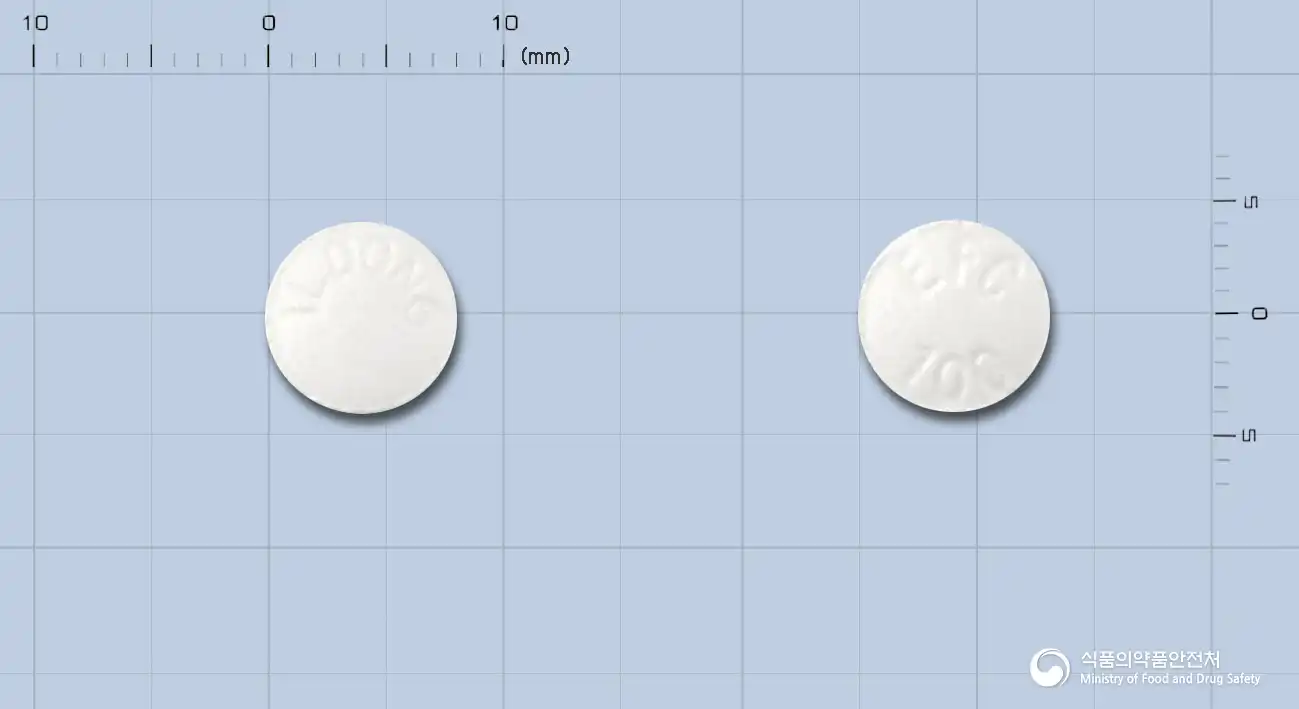
Ofloxacin 100mg
Tablet · Prescription medication
Il Dong Pharmaceutical Co., Ltd.
Even with the same ingredient, the dose and directions can differ by strength and dosage form. Talk to a doctor or pharmacist before switching from a medication you are already taking.
No questions yet.
For anything that needs medical judgment, consult a doctor or pharmacist.
This drug information is based on data provided by the Korea Ministry of Food and Drug Safety.
Consult a doctor or pharmacist for accurate dosage, administration, and usage instructions.