
 한국어
한국어 English
 日本語
日本語 中文(简体)
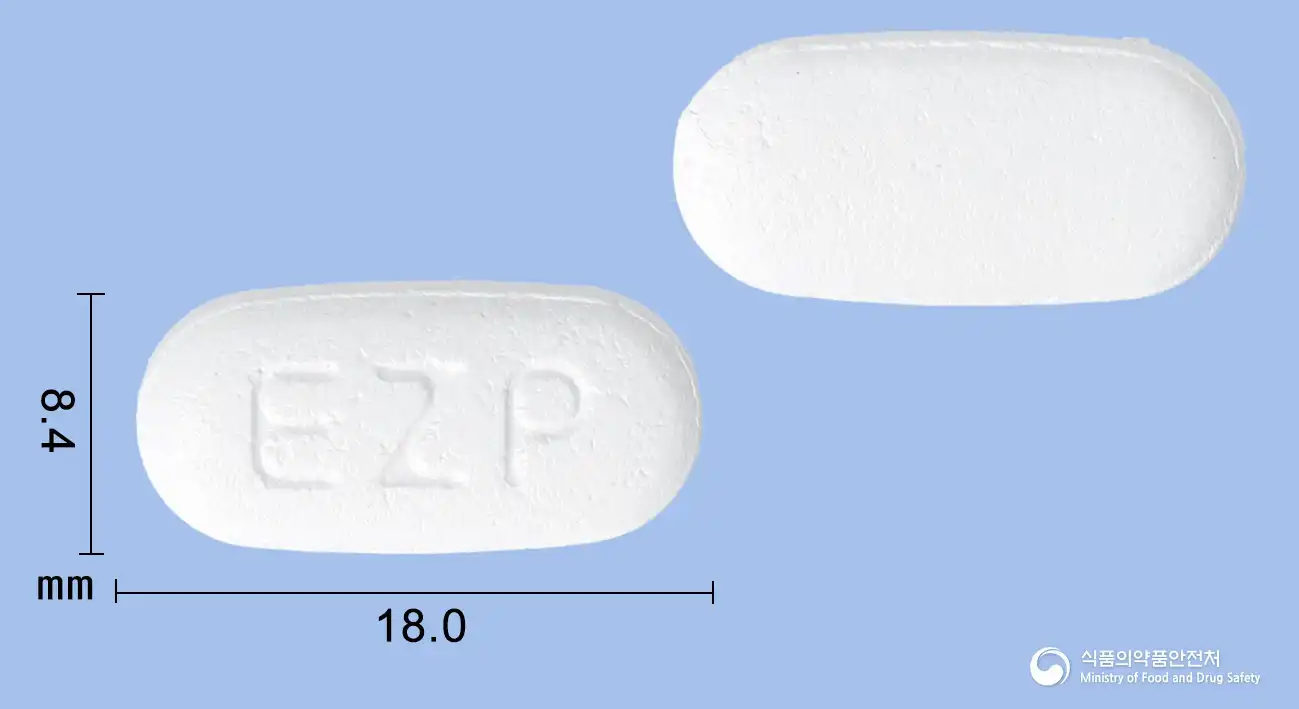 Viewing nowCombination
Easy Pang Tablet (Sodium Sulfate, Potassium Sulfate, Magnesium Sulfate)
Anhydrous Sodium Sulfate 1250mg · Potassium Sulfate 220.833mg +1 more
Tablet · Prescription medication · Combination
Intro Bio Pharma Co., Ltd.
MFDS item code 202501393 · Approved 2025.06.09
Intestinal cleansing effect for bowel examination preparation
This medication is used to clean the intestines to ensure a smooth bowel examination. If residual stool is present in the intestines prior to a colon X-ray or colonoscopy, accurate diagnosis may be difficult. Therefore, this medicine helps enhance the accuracy of examinations by eliminating waste and debris from the intestines. It optimizes intestinal condition to ensure a safe examination. Conducting the examination in this prepared state leads to more reliable results. In summary, it is used for intestinal cleansing prior to bowel examinations.
On the day before the examination, take a total of 12 tablets provided in a cup with 159 mL of water, taking 2 tablets every 10 minutes, and then consume an additional 318 mL of water. On the morning of the examination day, take an additional total of 12 tablets provided in a cup with 159 mL of water, taking 2 tablets every 10 minutes, and then consume an additional 318 mL of water. Complete the intake of this medication and additional water at least 2 hours before the examination or by the time directed by the doctor.
This medicine should not be used in certain patients. For example, it should not be administered to individuals who are allergic to this medication or its ingredients, patients with suspected gastrointestinal obstruction or perforation, patients with slow gastrointestinal motility, patients with bowel obstruction, patients with toxic colitis or toxic megacolon, patients with severe renal dysfunction, patients in a state of severe dehydration, patients with ascites, and patients with congestive heart failure. There are also patients for whom this medicine should be used cautiously. Special care should be taken when administering to patients with severely abnormal fluid or blood test results, a history of seizures or those at high risk for seizures, patients at risk for arrhythmias, patients taking medications that may affect kidney function, patients with ulcers or ischemic colitis in the colon mucosa, patients with severe active ulcerative colitis, and patients with impaired vomiting reflex or those at risk of aspiration. This medication may cause diarrhea, so it is crucial to stay well-hydrated before and after taking it. If severe vomiting or dehydration symptoms occur after taking it, blood tests (such as electrolyte or kidney function tests) should be performed along with the bowel examination. Electrolyte imbalances can lead to serious issues such as cardiac arrhythmias or seizures, and kidney impairment. Additionally, this medication may temporarily raise blood uric acid levels, posing a risk of acute gout flare-ups in patients with gout. Consider an ECG for patients at risk for arrhythmias, and it is recommended that patients with compromised kidney function or those taking medications that may impact the kidneys stay hydrated and have blood tests done. This medication can cause ulcers in the colon mucosa, and in severe cases, it can lead to ischemic colitis that requires hospitalization. This should be taken into account when interpreting colon examination results in patients with inflammatory bowel disease. When taking this medication, it is essential to adhere to the prescribed dosage and amount of liquid, as taking it with insufficient amounts of water can increase the risk of nausea, vomiting, dehydration, and electrolyte imbalances. The day before the examination, take a light breakfast or only clear liquids, and on the day of the examination, drink only clear liquids until the examination. Care should be taken when this medication is taken with others that may heighten the risk of fluid or electrolyte imbalances, and taking other oral medications within one hour after taking this medication may hinder their absorption. The safety of this medication has not been established in pregnant women, so it should only be administered when the diagnostic benefits outweigh the risks, and caution should be exercised with nursing mothers. The safety and efficacy in children have not been established, and it can be used in elderly patients without special differences. Finally, this medication should be kept out of reach of children and should not be transferred to other containers.
Not everyone experiences these, and they can vary from person to person.
This medication must be stored in a tightly sealed container to protect it from air and moisture. It is best kept at room temperature between 1 to 30 degrees Celsius.
White, oblong film-coated tablet
24 tablets/bottle
Even with the same ingredient, strength, dosage form and how it is taken can differ.
Viewing nowCombinationAnhydrous Sodium Sulfate 1250mg · Potassium Sulfate 220.833mg +1 more
Tablet · Prescription medication · Combination
Intro Bio Pharma Co., Ltd.
Anhydrous Sodium Sulfate 17.5g · Potassium Sulfate 3.13g +1 more
Solution · Prescription medication · Combination
Korea Pharmbio Co., Ltd.
Anhydrous Sodium Sulfate 17.5g · Potassium Sulfate 3.13g +1 more
Solution · Prescription medication · Combination
McNulty Pharmaceutical Co., Ltd.
Anhydrous Sodium Sulfate 17.5g · Potassium Sulfate 3.13g +1 more
Prescription medication · Combination
IntroBioPharma Co., Ltd.
Anhydrous Sodium Sulfate 17.5g · Potassium Sulfate 3.13g +1 more
Prescription medication · Combination
Korea Pharmbio Co., Ltd.
Anhydrous Sodium Sulfate 17.5g · Potassium Sulfate 3.13g +1 more
Solution · Prescription medication · Combination
Korea Pharma Co., Ltd.
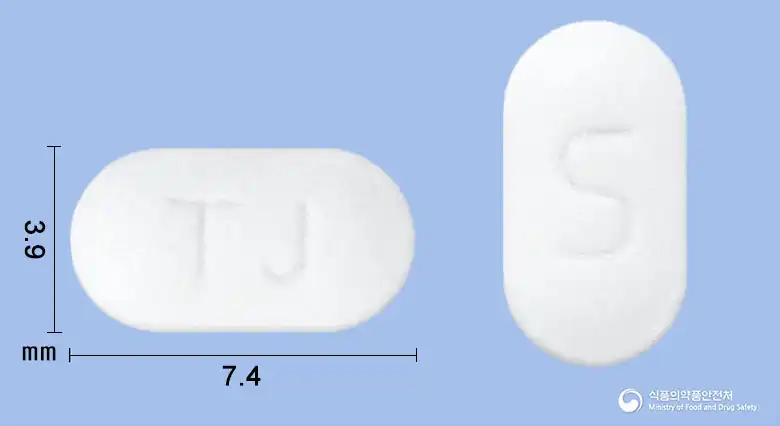 Combination
Anhydrous Sodium Sulfate 17.5mg · Potassium Sulfate 3.13mg +1 more
Tablet · Prescription medication · Combination
Taejun Pharmaceutical Co., Ltd.
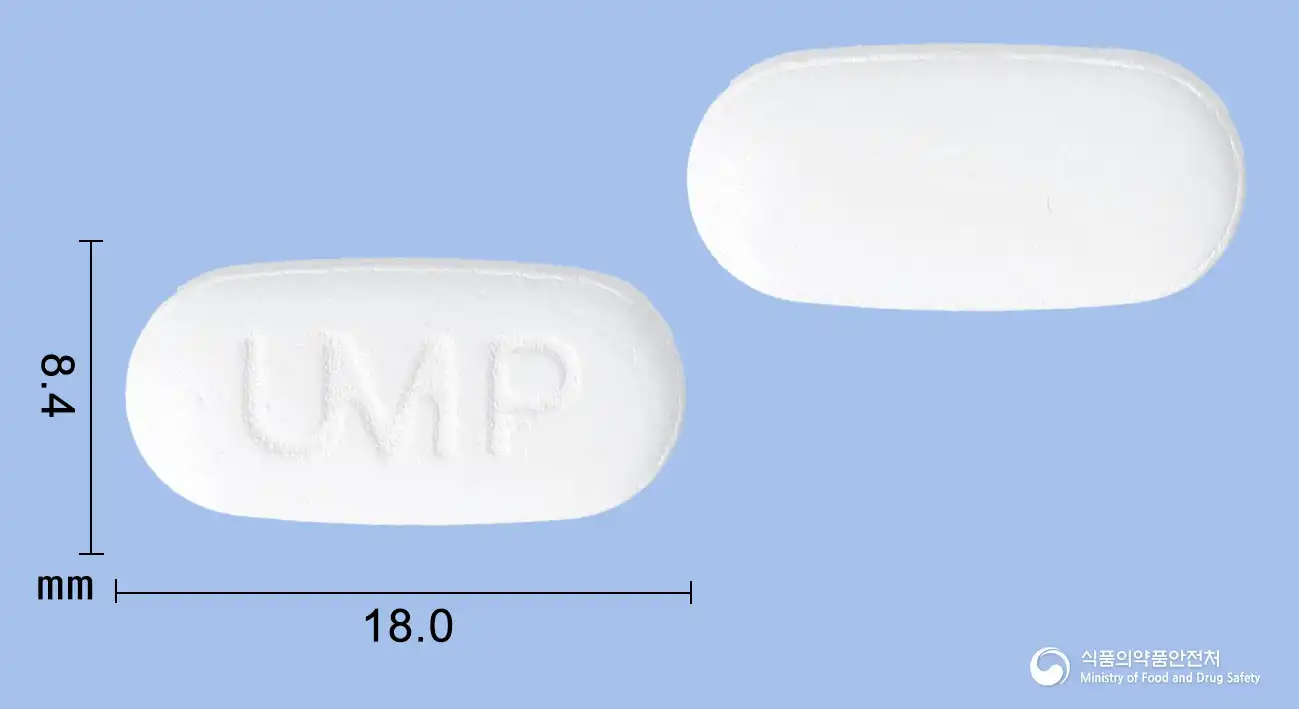 Combination
Anhydrous Sodium Sulfate 1250mg · Potassium Sulfate 220.833mg +1 more
Tablet · Prescription medication · Combination
Unimed Pharmaceutical Co., Ltd.
Even with the same ingredient, the dose and directions can differ by strength and dosage form. Talk to a doctor or pharmacist before switching from a medication you are already taking.
No questions yet.
For anything that needs medical judgment, consult a doctor or pharmacist.
This drug information is based on data provided by the Korea Ministry of Food and Drug Safety.
Consult a doctor or pharmacist for accurate dosage, administration, and usage instructions.