
 한국어
한국어 English
 日本語
日本語 中文(简体)
Dosage form image
Viewing nowParamol Injection (Acetaminophen)
Acetaminophen 1g
Injections · Prescription medication
Korea Pharma Bio Co., Ltd.
MFDS item code 202501382 · Approved 2025.06.04
Rapid relief of moderate pain (post-surgery) and fever.
This medicine is used for intravenous administration to provide rapid relief when pain or high fever is severe, or when other methods of taking the medication are difficult. It is particularly effective in alleviating moderate pain that occurs after surgery in a short time, and it also helps to resolve fever in a short duration. Therefore, this medication is effectively used for the treatment of pain and fever.
For adults weighing over 50 kg, administer intravenously 1000 mg of acetaminophen 4 times a day, with a minimum dosing interval of about 4 hours. The maximum daily dosage must not exceed 4 grams. For children weighing more than 33 kg and adults weighing less than 50 kg, administer approximately 15 mg/kg (1.5 mL/kg of this drug) intravenously per dose, with a minimum dosing interval of 4 hours.
For children weighing 33 kg (approximately 11 years) or older, the intravenous administration is approximately 15 mg/kg (1.5 mL/kg of this drug) per dose, with a minimum dosing interval of 4 hours. Daily maximum dosage is ...
This medication poses a risk of overdose due to confusion between milligrams and milliliters during dosing, so it is crucial to verify the exact dosage. Once oral administration of medication becomes possible, it is advisable to switch immediately to an appropriate analgesic. Always check if acetaminophen is included in other medications to avoid excessive intake due to overlapping dosages. Exceeding the recommended dosage can cause serious liver damage, so the dosage must be strictly adhered to, and if symptoms of liver dysfunction occur, prompt treatment should be sought. In patients with impaired liver function or a history of liver disease, cautious use after consulting a doctor is necessary, and regular liver function tests are required for long-term high-dose treatments. Individuals who consume alcohol regularly should consult professionals before taking this medication, as it may increase the risk of liver damage. Severe skin reactions may occur very rarely, so if skin rashes or allergic symptoms arise, the medication should be discontinued immediately, and medical attention should be sought. Patients who are allergic to this medication or have peptic ulcers, severe liver and kidney impairment, reduced cardiac function, or a specific history of asthma should not take this medication. Additionally, patients taking barbiturates or tricyclic antidepressants or those who consume alcohol should avoid using this medication for safety. Certain patient groups, including those with liver disorders, kidney impairment, bleeding tendencies, the elderly, pregnant women, and nursing mothers, should exercise extra caution when using this medication and follow professional guidance if needed. While taking this medication, symptoms such as nausea, vomiting, headache, or skin rashes may occur, so if symptoms persist or worsen, consult healthcare professionals. This medication may interact with certain drugs, so if you are taking other medications, you must inform your healthcare professional to confirm if any adjustments are needed. This medication does not affect the ability to drive or operate machinery but should not be mixed with other medications, especially in children with high fever or the elderly; their conditions should be closely monitored after taking it. The use of this medication is limited in pregnant women, so it should only be consumed after careful evaluation of the benefits and risks; it can be used relatively safely during breastfeeding. In patients with severely impaired kidney function, it is advisable to extend the dosing intervals. In case of overdose, serious liver damage and life-threatening conditions may occur, so if symptoms appear, seek medical attention immediately for detoxification treatment. This medication should not be stored above 30 degrees Celsius, and refrigeration or freezing should be avoided. Before administration, check for foreign substances or discoloration. Unused solutions should be discarded and must only be used once.
Shock, agranulocytosis, neutropenia, leukopenia, thrombocytopenia, coma, acute kidney failure, Lyell's syndrome, fulminant hepatitis, liver necrosis, liver failure, increased liver enzymes, angioedema, anaphylactic shock, anaphylaxis, hypersensitivity reactions requiring discontinuation of treatment, acute generalized pustular rash, toxic epidermal necrolysis, Stevens-Johnson syndrome.
Fatigue, hypovolemia, increased liver transaminase concentrations, neurological disorders, maculopapular rash, injection site reactions, papulovesicular rash, bullous pemphigoid-like reactions, pustular rash, nausea, vomiting, headache, constipation, sputum, sensory disturbances, dizziness, hemolysis, urinary disorders, tachycardia, erythema, flushing, itching, rashes, urticaria, high ion metabolic acidosis.
Not everyone experiences these, and they can vary from person to person.
This medication should be stored in a sealed container to prevent air or moisture from entering. It is best to maintain storage temperatures between 1 degree and 30 degrees Celsius. Proper storage will help maintain the medication's effectiveness for a longer period.
A clear, pale yellow, transparent liquid contained in a colorless and transparent intravenous plastic container.
100 milliliters/bag, 50 milliliters/bag
Even with the same ingredient, strength, dosage form and how it is taken can differ.
Acetaminophen 1g
Injections · Prescription medication
Korea Pharma Bio Co., Ltd.
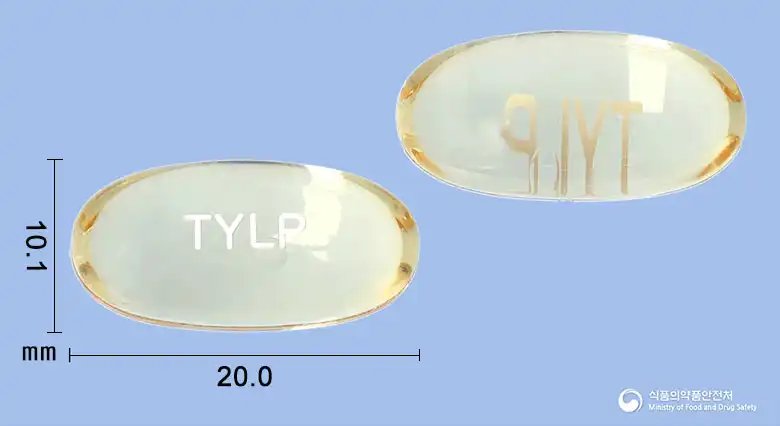
Acetaminophen 325mg
Soft capsule · OTC medication
RP Bio Co., Ltd.
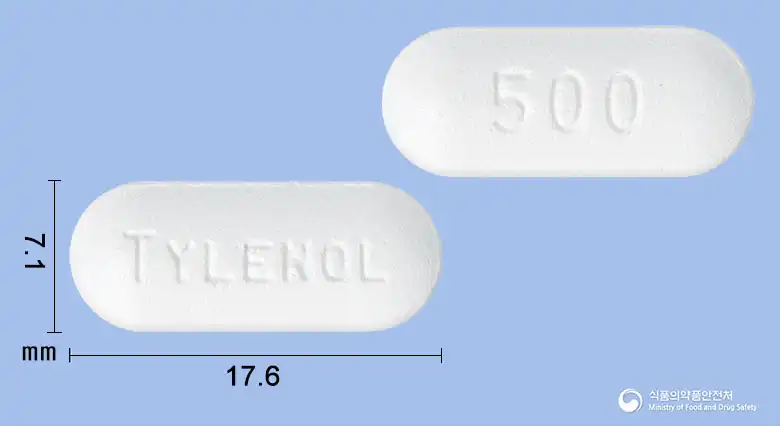
Acetaminophen 500mg
Tablet · OTC medication
Johnson & Johnson Korea, Ltd.

Acetaminophen 160mg
Tablet · OTC medication
Kolon Pharmaceutical Co., Ltd.

Acetaminophen 160mg
Tablet · OTC medication
Sama Pharmaceutical Co., Ltd.

Acetaminophen 80mg
Chewable Tablet · OTC medication
Samma Pharmaceutical Co., Ltd.
Acetaminophen 160mg
Tablet · OTC medication
Anguk Pharmaceuticals Co., Ltd.

Acetaminophen 500mg
Tablet · OTC medication
Alpha Pharmaceutical Co., Ltd.
Even with the same ingredient, the dose and directions can differ by strength and dosage form. Talk to a doctor or pharmacist before switching from a medication you are already taking.
No questions yet.
For anything that needs medical judgment, consult a doctor or pharmacist.
This drug information is based on data provided by the Korea Ministry of Food and Drug Safety.
Consult a doctor or pharmacist for accurate dosage, administration, and usage instructions.