
 한국어
 English
 日本語
 中文(简体)
Summary
- Main use
- Treatment of essential hypertension
- Who takes it
- Adults
- Adult dose
- This medicine (amlodipine/losartan potassium/chlorthalidone 1.67/16.67/4.17mg) is used as initial therapy in patients with essential hypertension. Take 1 tablet once daily, regardless of meals. It is recommended that it be taken at the same time each day, if possible (e.g., in the morning).
Ingredients
- Amlodipine Besylate2.32mg / 1 tablet
- Chlorthalidone4.17mg / 1 tablet
- Losartan Potassium16.67mg / 1 tablet
- Manufacturer
- Hanmi Pharmaceutical Co., Ltd.
Efficacy & effects
Treatment of essential hypertension
- Essential hypertension
View approved original textHide original text
Essential hypertension refers to a condition where blood pressure remains elevated without a specific cause. This medication helps to control essential hypertension and maintain blood pressure within a normal range. By effectively managing blood pressure, it reduces the strain on the heart and blood vessels and prevents complications such as strokes or heart disease. Therefore, it is used for the treatment of essential hypertension.
How to take
Adult dose
This medicine (amlodipine/losartan potassium/chlorthalidone 1.67/16.67/4.17mg) is used as initial therapy in patients with essential hypertension. Take 1 tablet once daily, regardless of meals. It is recommended that it be taken at the same time each day, if possible (e.g., in the morning).
Precautions
This medication is a combination antihypertensive agent with three ingredients that helps lower blood pressure. This medicine should not be used during pregnancy, as it can cause serious harm to the fetus; if pregnancy is confirmed, use should be discontinued immediately. Patients with impaired liver function or severe liver disease may experience serious side effects such as hepatic encephalopathy when taking this medication, so caution is needed. In patients with severely impaired kidney function, this medication should be avoided as it may further degrade kidney function. This medication should not be taken in cases of known allergy to any of its ingredients or similar medications, or in cases of severe hypotension or serious liver or kidney diseases. Elderly patients, those with high potassium levels, and dialysis-dependent renal failure patients should use this drug cautiously and be mindful to avoid excessively low blood pressure. During treatment, regular monitoring of blood pressure, kidney function, and electrolyte levels should be conducted to check for abnormalities. Possible side effects of this medication include dizziness, headache, fatigue, dyspepsia, and cough, with rare occurrences of severe allergic reactions or liver dysfunction. If sudden drops in blood pressure or severe side effects occur during treatment, consult a physician immediately. This medication's effectiveness may be enhanced when used with other antihypertensive drugs, so inform your physician about any other medications being taken. Pregnant or nursing women should avoid using this drug, and if it must be used, a careful decision should be made in consultation with a healthcare professional. Children under 18 years of age are not recommended for use, as the safety and efficacy of this medication in this population have not been established. In cases of overdose, severe hypotension, rapid heartbeat, and coma may occur; immediate emergency care is necessary. Store this medication in a sealed container to protect it from air and moisture and keep it at room temperature between 1 to 30 degrees Celsius. Therefore, it is important to avoid direct sunlight and not store it in excessively hot or cold places.
Side effects
Headache, dizziness, migraine, upper abdominal pain, dyspepsia, infection, COVID-19, cystitis, gastroenteritis, gingivitis, nasopharyngitis, rhinitis, upper respiratory infection, urinary tract infection, clavicle fracture, trigger finger, intervertebral disc disorder of the spine, increased alanine aminotransferase, increased aspartate aminotransferase, increased blood thyroid-stimulating hormone, weight loss, impaired glucose tolerance, hyperlipidemia, arthralgia, lower back pain, myalgia, hydronephrosis, renal dysfunction, cough, exertional dyspnea, nasal polyps, dermatitis, contact dermatitis, pruritus, rash, flushing, fatigue, edema, vertigo, palpitations, drowsiness, dry mouth, increased sweating, weakness, lethargy, weight gain, weight loss, hypotension, syncope, hyperactivity, sensory impairment, paresthesia, peripheral neuropathy, tremor, gynecomastia, changes in bowel habits, gingival hyperplasia, pancreatitis, vomiting, hyperglycemia, arthralgia, muscle cramps, purpura, thrombocytopenia, erectile dysfunction, insomnia, mood changes, cough, dyspnea, rhinitis, hair loss, skin discoloration, urticaria, toxic epidermal necrolysis, taste disturbance, tinnitus, increased frequency of urination, voiding disorder, nocturia, vasculitis, visual disturbances, leukopenia, pruritus, rash, angioedema, hepatitis, jaundice, increased liver enzyme levels, angioedema, vasculitis, anaphylactoid syndrome, hepatic dysfunction, hepatitis, intestinal vascular edema, lethargy, anemia, thrombocytopenia, myalgia, weakness, rhabdomyolysis, taste disturbance, dry cough, erythema multiforme, hyperkalemia, hyponatremia, elevated ALT, syncope, loss of consciousness, acute hepatitis, fulminant hepatitis, renal failure, ventricular extrasystole, atrial fibrillation, hypoglycemia, aplastic anemia, necrotizing vasculitis, pulmonary edema, pancreatitis, agranulocytosis, acute renal failure, toxic epidermal necrolysis, hypokalemia, hyperuricemia, increased blood lipids, hyponatremia, hypomagnesemia, hyperglycemia, gout, hypercalcemia, diabetes, worsening of diabetic metabolic status, urticaria, skin erythema, photosensitivity reaction, intrahepatic cholestasis, jaundice, orthostatic hypotension, deep vein thrombosis, palpitations, dizziness, sensory alterations, headache, depression, feeling of heaviness, loss of appetite, gastrointestinal distress, nausea, vomiting, abdominal pain, constipation, diarrhea, thrombocytopenia, leukopenia, agranulocytosis, eosinophilia, purpura, visual disturbances, jaundice, erectile dysfunction, specific pulmonary edema, allergic gastrointestinal inflammation, lethargy, hypotonia, hypotension, tachycardia, hypovolemic shock, impaired consciousness, coma, muscle tone, muscle cramps, sensory alterations, drowsiness, confusion, thirst, nausea, vomiting, polyuria, blood concentration, oliguria, anuria, venous thrombosis, hypovolemic condition, arrhythmia
Not everyone experiences these, and they can vary from person to person.
Storage
This medication should be stored in a sealed container to protect it from air or moisture, and it is best kept at room temperature between 1 to 30 degrees Celsius. Consequently, it is important to avoid direct sunlight and not to place it in excessively hot or cold areas.
Appearance and packaging
Appearance
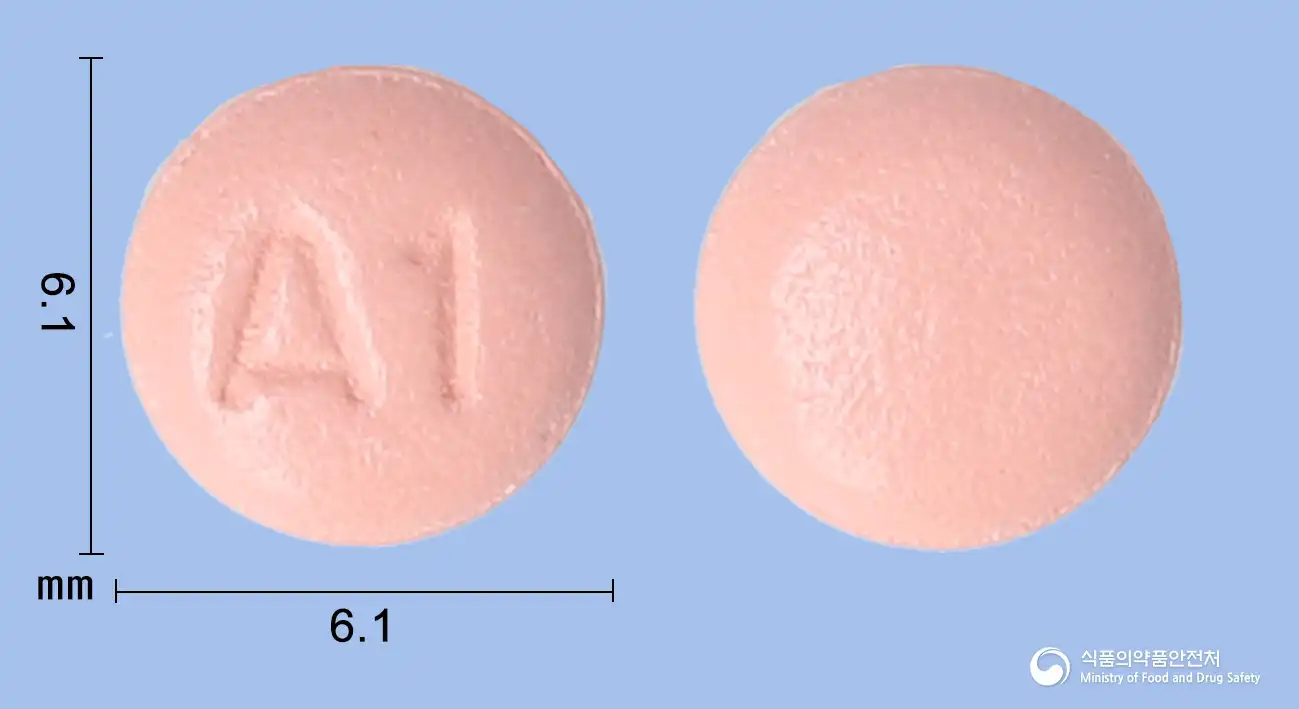
Pink round film-coated tablet
Package unit
30 tablets/bottle, 300 tablets/bottle
Questions about this medicine
No questions yet.
For anything that needs medical judgment, consult a doctor or pharmacist.