
 한국어
한국어 English
 日本語
日本語 中文(简体)
Dosage form image
Viewing nowCombinationPitabrick Capsule (Pitavastatin Calcium, Fenofibric Acid)
Fenofibric Acid 110mg · Pitavastatin Calcium Hydrate 2.205mg
Tablet · Prescription medication · Combination
Korea Biochem Pharmaceutical Co., Ltd.
MFDS item code 202501341 · Approved 2025.05.29
LDL-cholesterol control and improvement of dyslipidemia
Pitavastatin 2 mg monotherapy effectively regulates LDL-cholesterol levels in adults at high risk for coronary heart disease. However, patients receiving this treatment may still have high triglyceride levels and low HDL-cholesterol levels, indicating the potential for combined dyslipidemia. Therefore, this drug is particularly effective for regulating LDL-cholesterol, and additional treatment may be necessary for comprehensive dyslipidemia management. Pitavastatin is used to improve cholesterol levels in patients with coronary heart disease.
As a recommended dose, take 1 capsule once daily, regardless of meals.
This drug is a lipid-lowering agent and may cause muscle abnormalities; therefore, if symptoms such as muscle pain, weakness, or cramps occur, immediate consultation with a physician is required. Extra caution should be exercised in elderly patients over 65 years, women, patients with impaired kidney function, patients with uncontrolled hypothyroidism, patients with a history of genetic muscle diseases, or those who have previously experienced muscle-related side effects. Co-administration with other lipid-lowering agents or certain medications may increase the risk of muscle toxicity, so consultation with a physician is recommended. Patients with poor liver function or liver disease should undergo regular liver function tests, and if symptoms of hepatitis or elevated liver enzyme levels occur, discontinuation of the medication is necessary. Patients with a history of severe pancreatitis, gallbladder disease, or severe renal impairment should not take this drug. Women who are pregnant, may become pregnant, nursing mothers, and children under 18 years of age should not use this drug. This drug may affect blood coagulation, so patients taking anticoagulants need dosage adjustments and regular testing. Caution is advised as dizziness may occur when driving or operating machinery. Excessive alcohol intake may increase the risk of liver damage, so it should be avoided. During treatment, regular blood tests to monitor liver function, kidney function, and muscle damage indicators should be conducted, and treatment should be discontinued if no therapeutic effect is observed. If surgery is planned, discontinuation should occur several days prior to the procedure. If sudden skin rashes, itching, or difficulty breathing occur during medication, stop taking the drug and inform healthcare personnel immediately. In case of overdose, there is no specific antidote, so appropriate treatment based on symptoms should be received, and this medication should be kept out of reach of children.
Hives, severe swelling (angioedema), chest tightness, difficulty breathing, cold sweat, pallor, severe rash with high fever, blistering, peeling skin, pain in oral/eye mucosa, shortness of breath or difficulty breathing, asthma attack, respiratory abnormalities with cough + fever, yellowing of skin or eyes (jaundice), extreme lethargy, sudden and severe headache, thunderclap headache, seizures, confusion of consciousness, visual disturbance, paralysis.
Not everyone experiences these, and they can vary from person to person.
This medication should be stored in a tightly sealed container to prevent air or moisture from entering. It is important to maintain storage temperatures between 1 and 30 degrees Celsius.
A hard capsule with a green upper part and white lower part containing white round film-coated tablets and white oblong enteric-coated film-coated tablets.
30 capsules/box [10 capsules/PTP*3]
Even with the same ingredient, strength, dosage form and how it is taken can differ.
Fenofibric Acid 110mg · Pitavastatin Calcium Hydrate 2.205mg
Tablet · Prescription medication · Combination
Korea Biochem Pharmaceutical Co., Ltd.
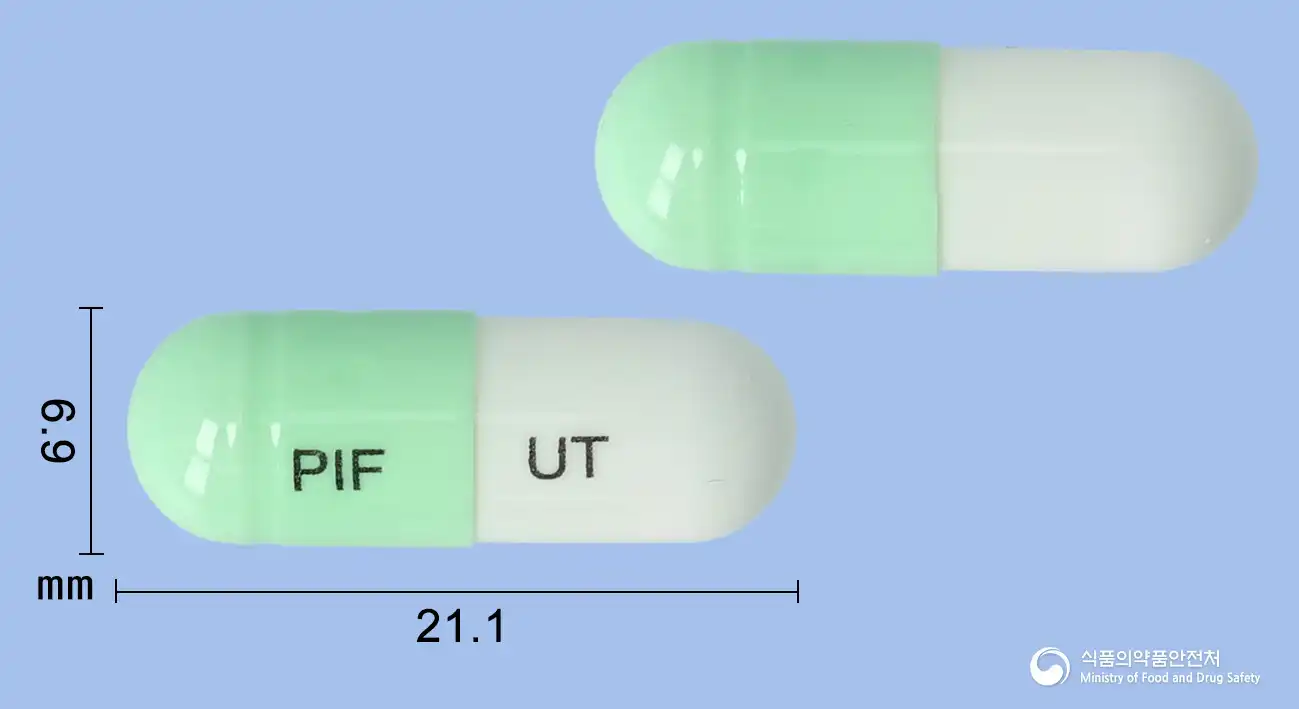 Combination
Fenofibric Acid 110mg · Pitavastatin Calcium Hydrate 2.205mg
Tablet · Prescription medication · Combination
Korea United Pharmaceutical Co., Ltd.
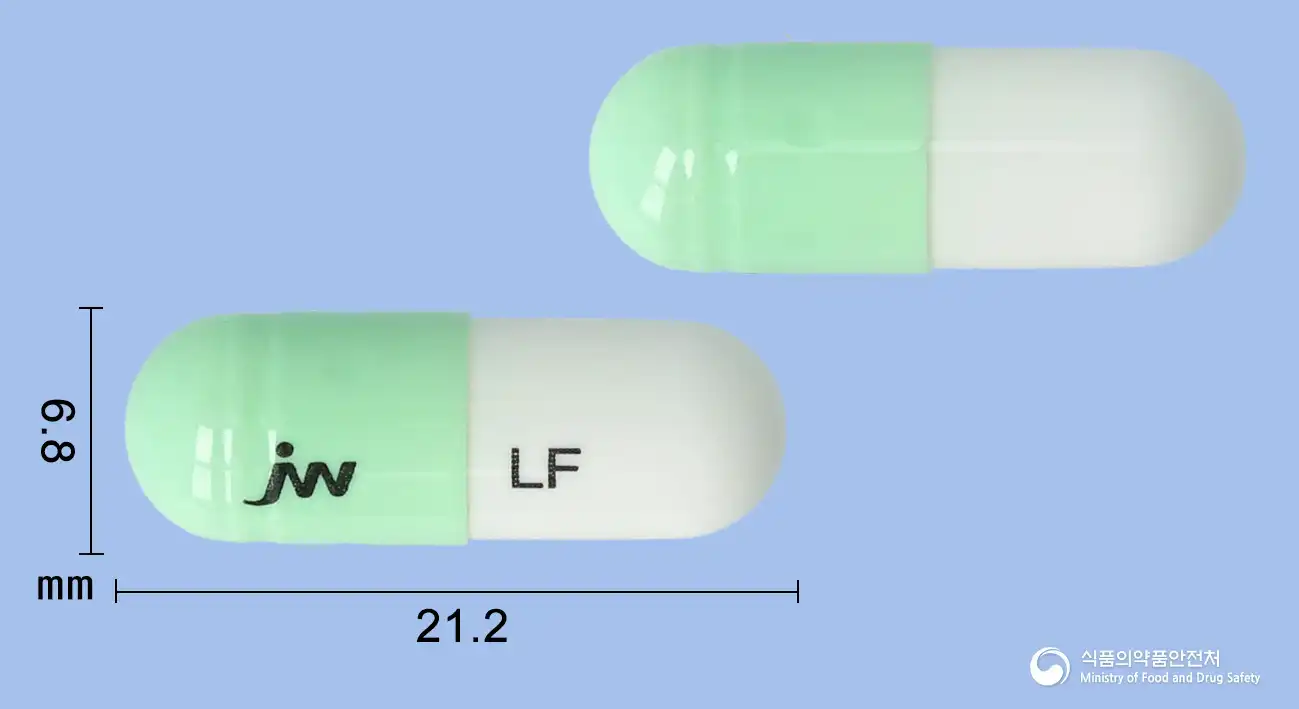 Combination
Fenofibric Acid 110mg · Pitavastatin Calcium Hydrate 2.205mg
Tablet · Prescription medication · Combination
JW Pharmaceutical Corp.
Even with the same ingredient, the dose and directions can differ by strength and dosage form. Talk to a doctor or pharmacist before switching from a medication you are already taking.
No questions yet.
For anything that needs medical judgment, consult a doctor or pharmacist.
This drug information is based on data provided by the Korea Ministry of Food and Drug Safety.
Consult a doctor or pharmacist for accurate dosage, administration, and usage instructions.