
 한국어
한국어 English
 日本語
日本語 中文(简体)
 Viewing nowCombination
Pitaric Capsule (Pitavastatin Calcium, Fenofibrate)
Fenofibric Acid 110mg · Pitavastatin Calcium Hydrate 2.205mg
Tablet · Prescription medication · Combination
Korea United Pharmaceutical Co., Ltd.
MFDS item code 202501335 · Approved 2025.05.29 · Insurance code 644309820
Regulation of LDL cholesterol and improvement of dyslipidemia
Pitavastatin 2mg monotherapy helps effectively regulate LDL cholesterol levels in high-risk adults with coronary heart disease. However, this treatment may be accompanied by hypertriglyceridemia and low HDL cholesterol levels in cases of mixed dyslipidemia. Thus, it is important to formulate a careful treatment plan for these patients, and to consider additional therapies or lifestyle modifications if necessary. This medication is primarily used to improve LDL cholesterol levels and reduce the risk of cardiovascular diseases.
As a recommended dosage, take 1 capsule once daily, regardless of meals.
This medication may affect muscles, leading to symptoms such as myalgia or muscle weakness. In particular, there is a risk of serious side effects such as rhabdomyolysis, which can cause rapid muscle damage. Therefore, if symptoms such as muscle pain, tenderness, muscle weakness, or cramps occur during treatment, it is essential to consult a physician immediately. This medication should not be used in patients with poor kidney function, and caution is required for patients with mildly impaired renal function. Additionally, patients with liver dysfunction or a history of liver disease should consult their physician before taking this medication. Women who are pregnant or may become pregnant, as well as breastfeeding women, should not take this medication, and it is not approved for use in children due to lack of safety data. The risk of muscle-related side effects may increase when this medication is used in combination with other lipid-lowering agents, so it should only be taken as directed by a physician. Regular blood tests to monitor liver function, kidney function, and indicators of muscle damage should be conducted before and during treatment. If any abnormal findings are noted, treatment may need to be discontinued immediately. It is advisable to avoid alcohol consumption during treatment, and caution should be exercised in patients with hypothyroidism, alcoholism, the elderly, and those with diabetes. Symptoms such as dizziness or headache may occur during treatment, so caution is advised when driving or operating machinery. Rarely, side effects such as skin rash, itching, severe skin reactions, blood dyscrasias, and gastrointestinal disturbances may occur, so any unusual symptoms should be reported to healthcare professionals immediately. In case of overdose, there is no specific antidote, and appropriate treatment and supportive care should be based on symptoms. This medication should be kept out of reach of children and stored in its original container to prevent misuse or degradation of quality.
Urticaria, angioedema, chest discomfort, renal failure, rhabdomyolysis, severe skin reactions (erythema multiforme, Stevens-Johnson syndrome, toxic epidermal necrolysis), jaundice, sudden and severe headache, paralysis, visual disturbances, thromboembolic events (pulmonary embolism, deep vein thrombosis), hypertension, interstitial lung disease, seizures, confusion, difficulty breathing, dyspnea, elevated blood pressure, severe edema, hematuria, significant decrease in urine output, renal impairment
Nasopharyngitis, upper respiratory infection, dizziness, headache, heaviness in the head, stiffness, drowsiness, insomnia, paresthesia, thirst, dyspepsia, constipation, nausea, gastrointestinal discomfort, diarrhea, abdominal pain, taste disturbance, hair loss, malaise, skin pain, burning sensation, joint pain, edema, blurred vision, photophobia, hearing loss, hematuria, increased uric acid levels, increased serum potassium and phosphorus, abnormal blood tests (decreased hemoglobin, decreased white blood cell count, decreased platelet count, decreased granulocyte count)
Not everyone experiences these, and they can vary from person to person.
This medication should be stored in a tightly sealed container to prevent exposure to air or moisture. It is best to maintain a storage temperature between 1 degree and 30 degrees Celsius.
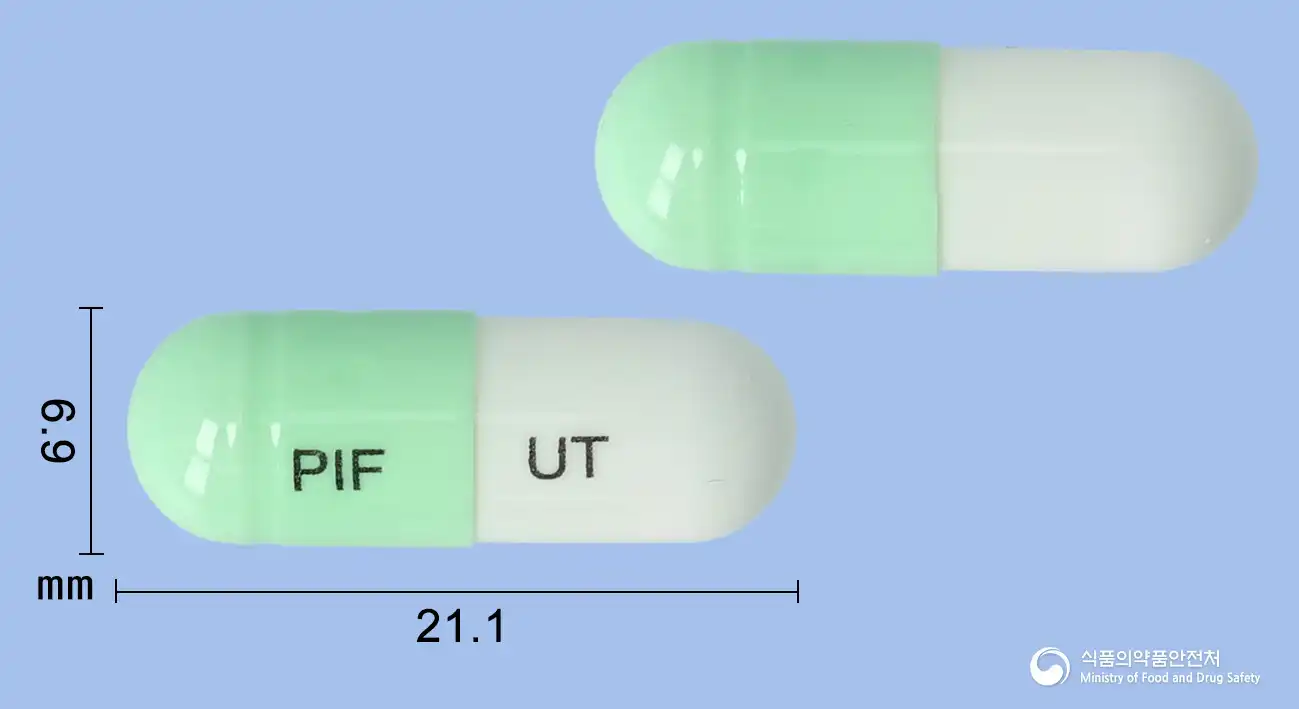
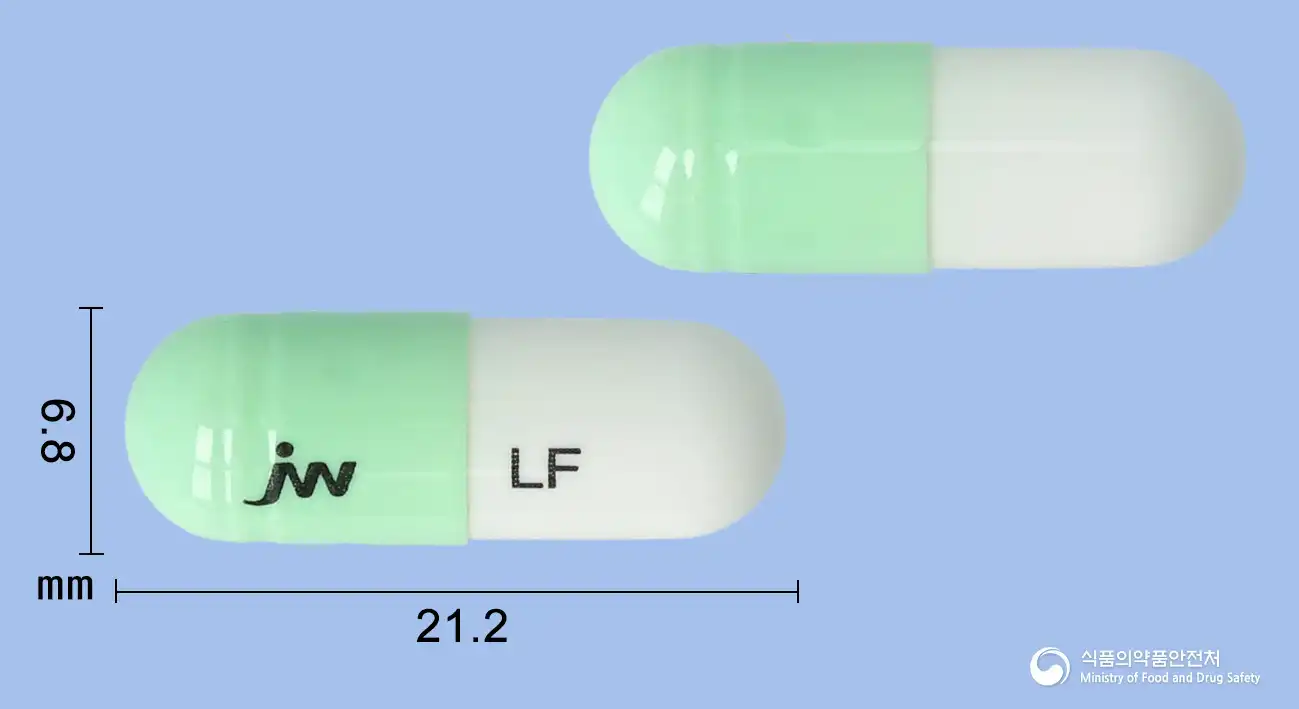
It is a hard capsule with a dark green upper part and a white lower part, containing white round film-coated tablets and white rectangular enteric-coated film-coated tablets.
30 capsules/box [10 capsules/PTP*3]
Even with the same ingredient, strength, dosage form and how it is taken can differ.
Viewing nowCombinationFenofibric Acid 110mg · Pitavastatin Calcium Hydrate 2.205mg
Tablet · Prescription medication · Combination
Korea United Pharmaceutical Co., Ltd.
 Combination
Fenofibric Acid 110mg · Pitavastatin Calcium Hydrate 2.205mg
Tablet · Prescription medication · Combination
JW Pharmaceutical Corp.
Fenofibric Acid 110mg · Pitavastatin Calcium Hydrate 2.205mg
Tablet · Prescription medication · Combination
Korea Biochem Pharmaceutical Co., Ltd.
Even with the same ingredient, the dose and directions can differ by strength and dosage form. Talk to a doctor or pharmacist before switching from a medication you are already taking.
No questions yet.
For anything that needs medical judgment, consult a doctor or pharmacist.
This drug information is based on data provided by the Korea Ministry of Food and Drug Safety.
Consult a doctor or pharmacist for accurate dosage, administration, and usage instructions.