
 한국어
한국어 English
 日本語
日本語 中文(简体)
 Viewing nowCombination
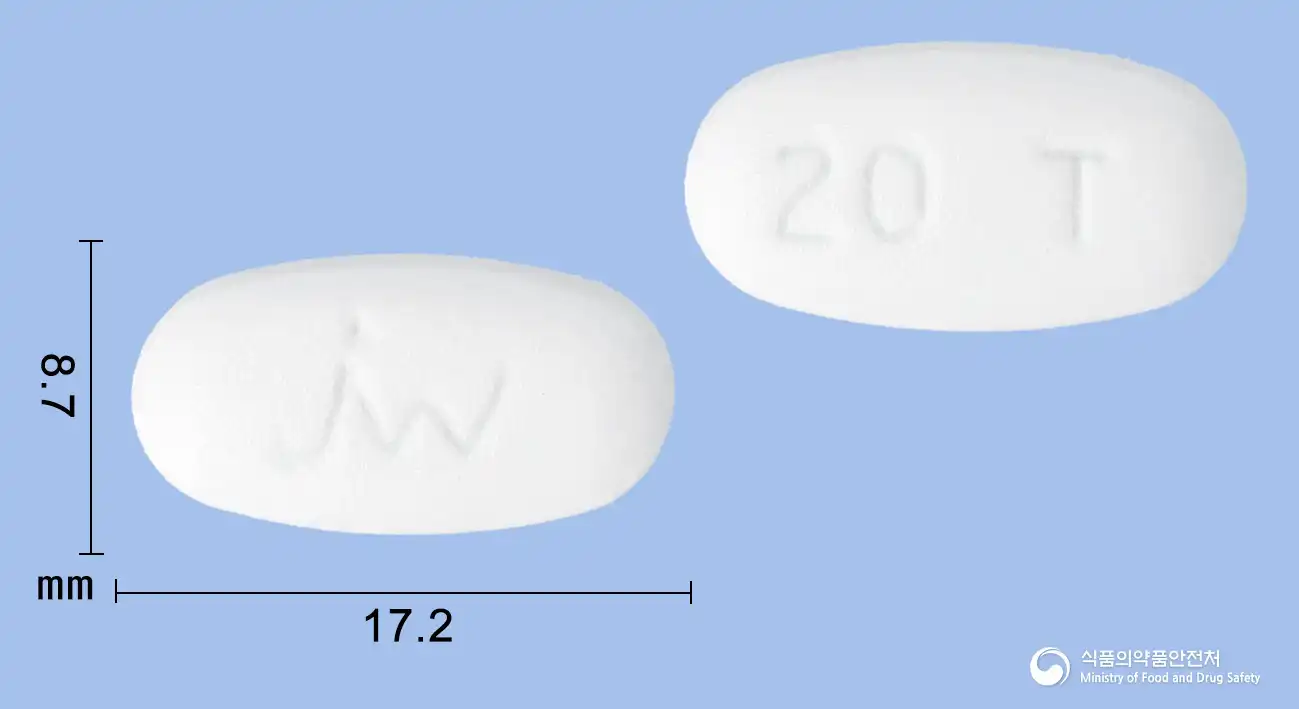
J-Cle Tablet
Sodium Picosulfate Hydrate 1mg · Simethicone 16mg +3 more
Tablet · Prescription medication · Combination
JW Pharmaceutical Corp.
MFDS item code 202501316 · Approved 2025.05.27
Bowel cleansing effect for colon pre-treatment
This medication is used for bowel cleansing before undergoing colon X-ray or endoscopic examination. It is an essential pre-treatment procedure to improve the accuracy of the examination and reduce discomfort during the test. Thus, it effectively assists in clearing intestinal residuals before the examination.
On the evening prior to the examination, take 10 tablets of this medication with 425 mL of water, and then consume 425 mL of water twice more over the next hour. On the morning of the examination day, take an additional 10 tablets of this medication with 425 mL of water, and then consume 425 mL of water twice more over the next hour. Complete the medication at least 2 hours before the examination or by the time directed by a physician.
This medication should not be used in patients who are allergic to this drug or its components. It should not be administered to patients with obstruction or perforation of the gastrointestinal tract or suspected thereof, patients with impaired gastrointestinal motility, or patients with bowel obstruction. Patients with active cancer or diseases that could cause severe mucosal damage to the colon may also be at risk when taking this medication. This drug should not be used in patients with severe renal impairment, severe dehydration, patients with ascites, congestive heart failure patients, or unconscious patients. The safety has not been established for pediatric use, so it should not be administered to children. It should not be used in patients with unexplained abdominal pain, gastrointestinal ulcers, nausea and vomiting, or those requiring acute abdominal surgery. It should be avoided in patients with rhabdomyolysis or active inflammatory bowel disease. Caution is needed in patients with severe fluid and electrolyte abnormalities, history of seizures or risk of arrhythmias, and those taking medications that may affect renal function. Attention is also needed for patients with colonic mucosal ulcers or ischemic colitis, as well as those with severe active ulcerative colitis. Patients with impaired vomiting reflex or altered consciousness, high risk of aspiration, intestinal strictures, severe constipation, elderly or frail patients should also be administered with caution. Patients with heart disease or diabetes insipidus, recent gastrointestinal surgeries, or those taking medications that may affect fluid and electrolyte balance should exercise caution. This medication may cause diarrhea, so it is important to ensure adequate fluid intake before and after administration, and if vomiting or symptoms of dehydration occur, immediate medical examination is required. Electrolyte abnormalities should be normalized first, and patients at risk for seizures should be particularly cautious. This medication may temporarily increase serum uric acid levels, so patients with gout should be cautious. Patients at risk for cardiac arrhythmias should consider an electrocardiogram before administration, and those with poor renal function should be used cautiously. Combining this medication with irritant laxatives increases the risk of intestinal mucosal damage, so co-administration should be avoided. Pregnant women should use this medication cautiously, as its safety has not been adequately established, and nursing mothers should also exercise caution. The safety and efficacy have not been confirmed in children, so it is not used in pediatrics. Elderly patients may be more sensitive to medications, so careful attention is needed when prescribing. In cases of overdose, dehydration and severe electrolyte imbalances may occur; thus, immediate medical treatment is necessary. This medication should be stored out of reach of children and should not be transferred to another container.
Not everyone experiences these, and they can vary from person to person.
Store this medication in a tightly sealed container to prevent exposure to air or moisture. The appropriate storage temperature is between 1 to 30 degrees Celsius, and avoid excessively hot or cold locations.
White to off-white oval film-coated tablets
20 tablets/bottle
Even with the same ingredient, strength, dosage form and how it is taken can differ.
Viewing nowCombinationSodium Picosulfate Hydrate 1mg · Simethicone 16mg +3 more
Tablet · Prescription medication · Combination
JW Pharmaceutical Corp.
 Combination
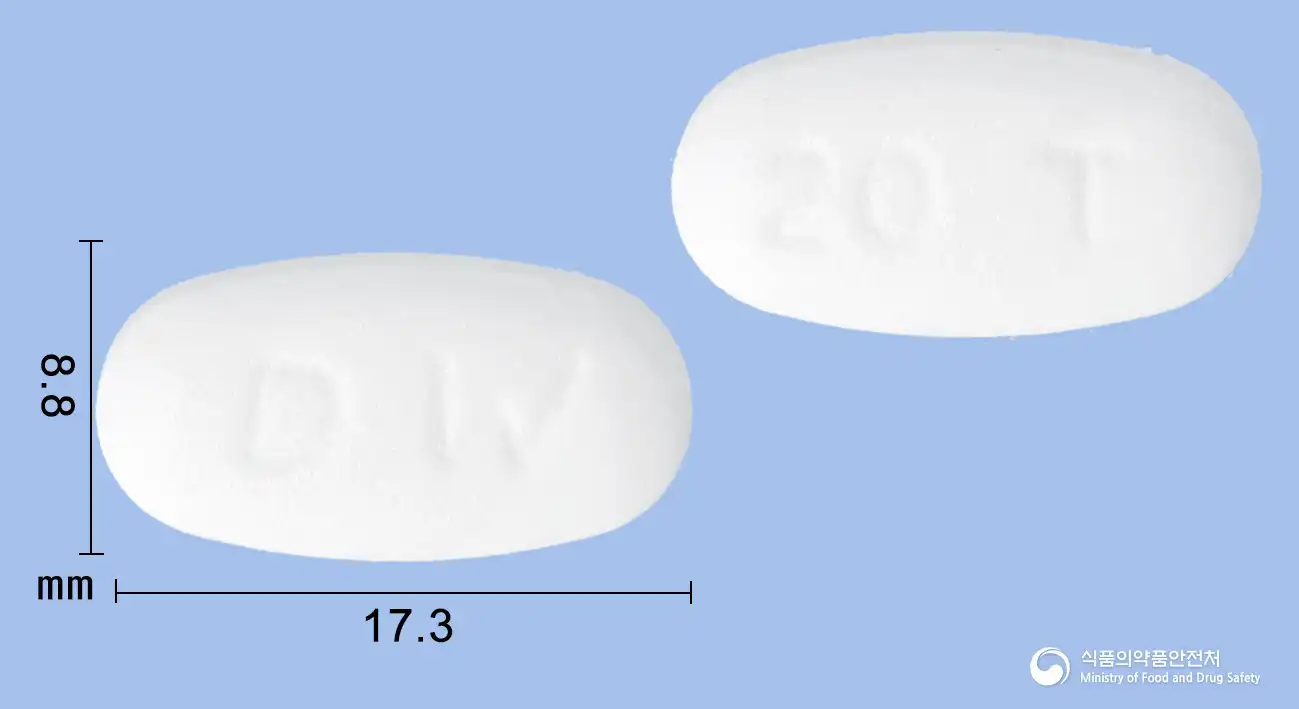
Sodium Picosulfate Hydrate 1mg · Simethicone 16mg +3 more
Tablet · Prescription medication · Combination
Daewoong Pharmaceutical Co., Ltd.
Even with the same ingredient, the dose and directions can differ by strength and dosage form. Talk to a doctor or pharmacist before switching from a medication you are already taking.
No questions yet.
For anything that needs medical judgment, consult a doctor or pharmacist.
This drug information is based on data provided by the Korea Ministry of Food and Drug Safety.
Consult a doctor or pharmacist for accurate dosage, administration, and usage instructions.