
 한국어
 English
 日本語
 中文(简体)
 Viewing now
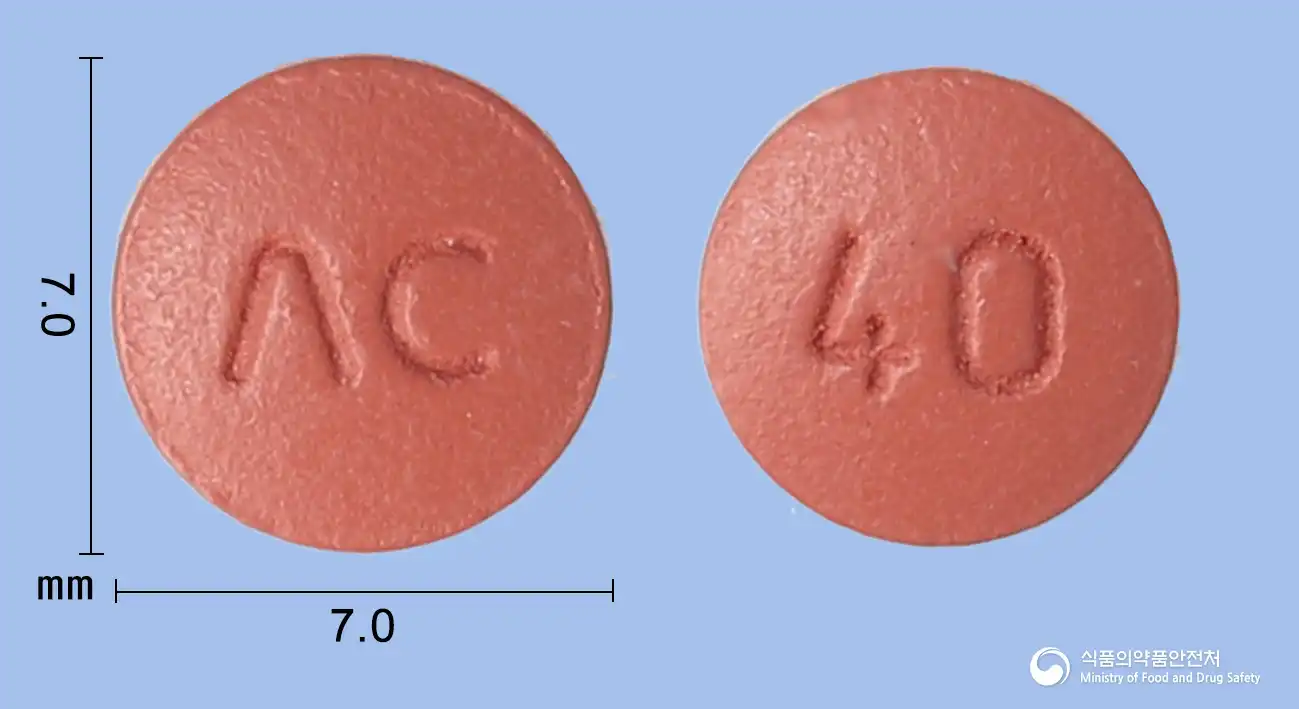
Nifedione CR Sustained Release Tablet 40 Milligrams (Nifedipine)
Nifedipine 40mg
Tablet · Prescription medication
Aliko Pharmaceutical Co., Ltd.
MFDS item code 202501260 · Approved 2025.05.22 · Insurance code 656005780
Treatment of hypertension and coronary artery disease (including chronic stable angina)
This medication is used for hypertension and coronary artery disease, particularly chronic stable angina, variant angina, and post-myocardial infarction syndrome.
The usual dose is 40 milligrams once daily. If a dose increase is needed, 80 milligrams may be taken once daily or divided into 2 doses per day. Doses exceeding 80 milligrams are not recommended. Coronary artery disease: The recommended dose is 40 milligrams once daily. If a dose increase is needed, 80 milligrams may be taken once daily or divided into 2 doses per day. An increase above 80 milligrams may be made only in exceptional cases under a physician's direction. Take after meals. Swallow whole with plenty of water; do not chew.
Adolescents aged 14 years and older: The usual dose is 40 milligrams once daily. If a dose increase is needed, 80 milligrams may be taken once daily or divided into 2 doses per day. Doses exceeding 80 milligrams are not recommended.
This medication should not be used in certain patients. For example, it should not be administered to those who are allergic to this medication, pregnant or breastfeeding women, patients with severe hypotension, or those with acute myocardial infarction. Additionally, patients with impaired kidney or liver function, the elderly, or those with diabetes should use this medication with special care. These patients should take it under the supervision of a physician and closely monitor their condition. This medication can cause various side effects such as liver function abnormalities, blood pressure drops, heart problems, gastrointestinal issues, rashes, and if such symptoms occur, immediate consultation with a healthcare professional is required. Stopping this medication suddenly can exacerbate symptoms, so it should not be discontinued without a doctor’s instruction, and the dosage should be gradually reduced. Due to its blood pressure-lowering effects, dizziness may occur, so caution is needed when driving or operating dangerous machinery. This medication can interact with other drugs, so it is important to inform healthcare professionals, especially when taken with certain antibiotics, antidepressants, antifungals, antivirals, or blood pressure medications. Pregnant or breastfeeding women should not take this medication and should discontinue breastfeeding if it is absolutely necessary to take it. Safety and efficacy have not been established in children under 18 years, so it is not recommended. In case of overdose, loss of consciousness, blood pressure drops, heart issues, etc., immediate emergency care is required, and treatment should focus on stabilizing blood pressure and heart status. Taking this medication with grapefruit juice can raise blood levels and increase the risk of side effects, so it should not be taken together. When taking, do not chew or split the tablet, and swallow it whole with a small amount of water; it is normal for the empty tablet to be excreted after the release of the drug. Store this medication out of reach of children and keep it in its original container, avoiding moisture and light.
Not everyone experiences these, and they can vary from person to person.
This medication is sensitive to light, so it should be stored in a container that does not allow light in. Additionally, it is best to store it at room temperature between 1 degree and 30 degrees Celsius. This will help maintain the medication's effectiveness.
Biconvex reddish-brown round film-coated tablets
100 tablets/PTP [10 tablets/PTP x 10]
Even with the same ingredient, strength, dosage form and how it is taken can differ.
Viewing nowNifedipine 40mg
Tablet · Prescription medication
Aliko Pharmaceutical Co., Ltd.
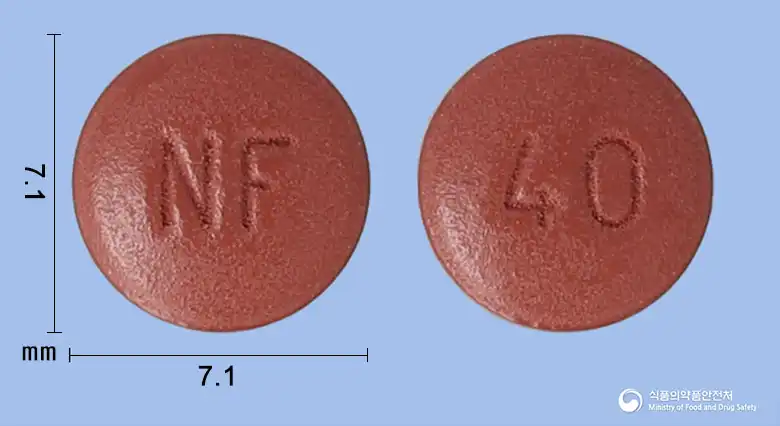
Nifedipine 40mg
Tablet · Prescription medication
Ellison Pharmaceutical Co., Ltd.
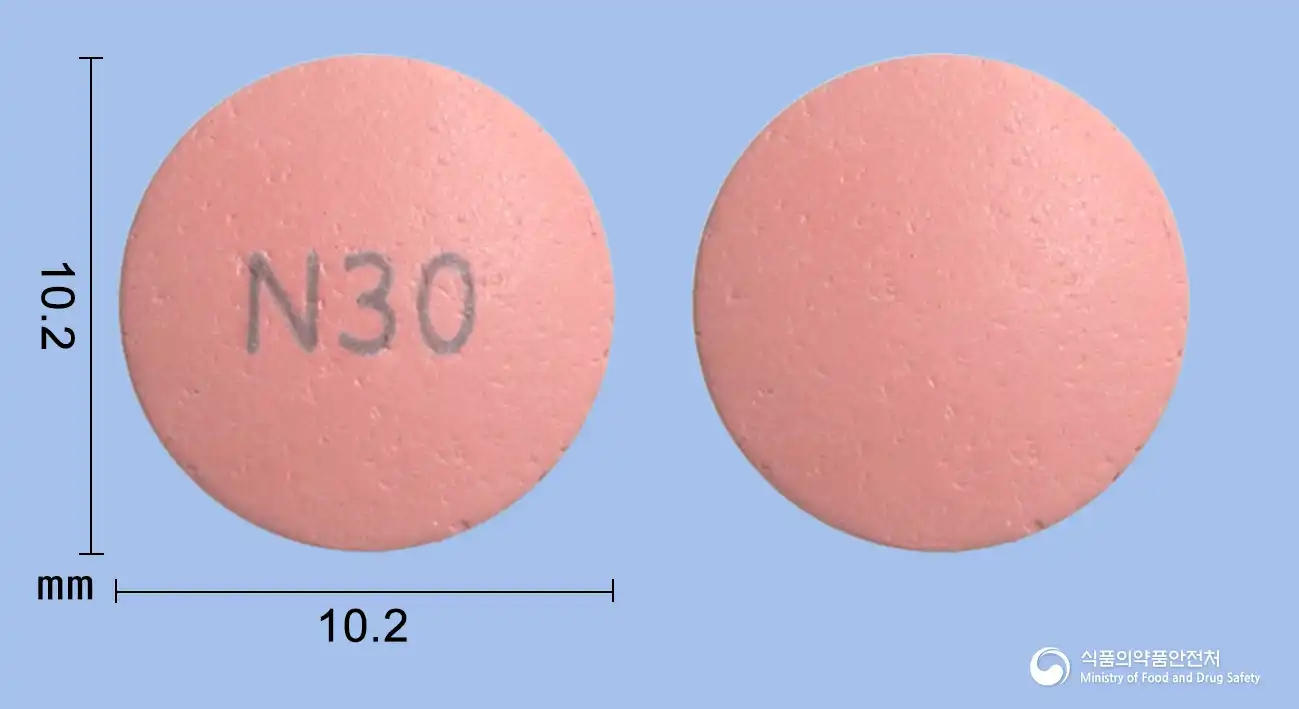
Nifedipine 30mg
Tablet · Prescription medication
Kwangdong Pharmaceutical Co., Ltd.
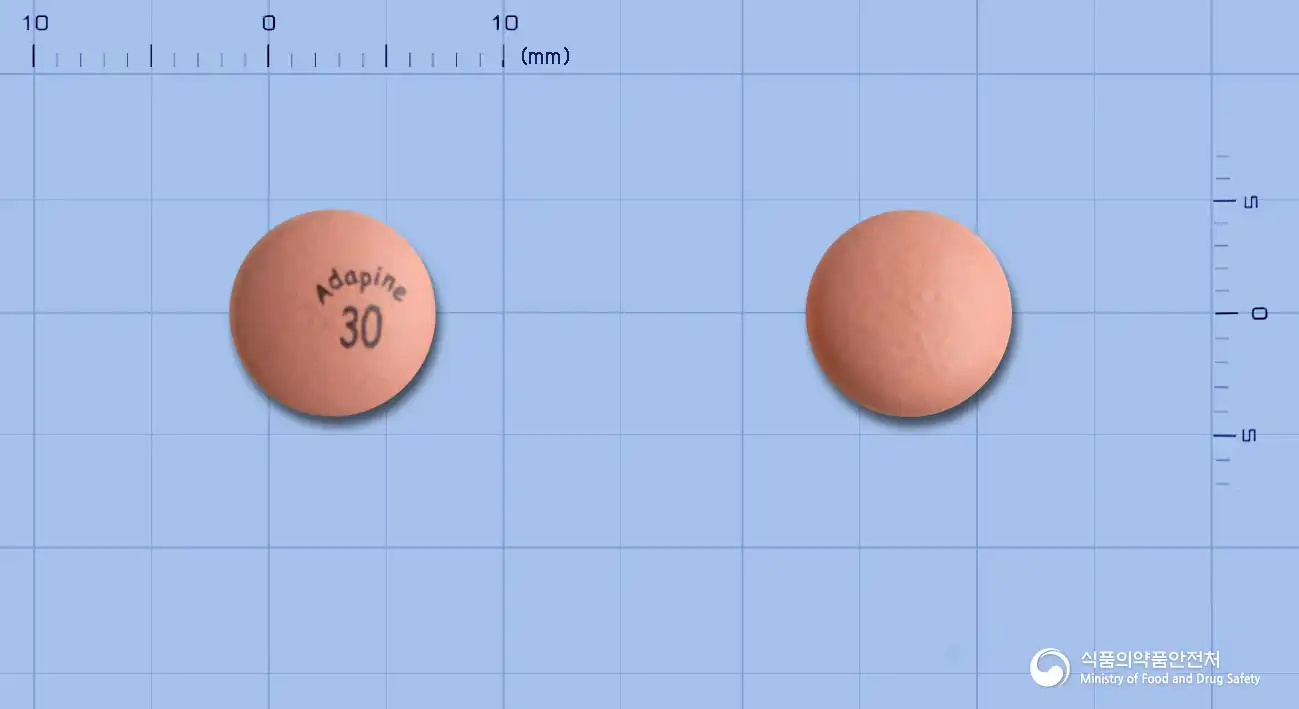
Nifedipine 33mg
Tablet · Prescription medication
Erison Pharmaceutical Co., Ltd.
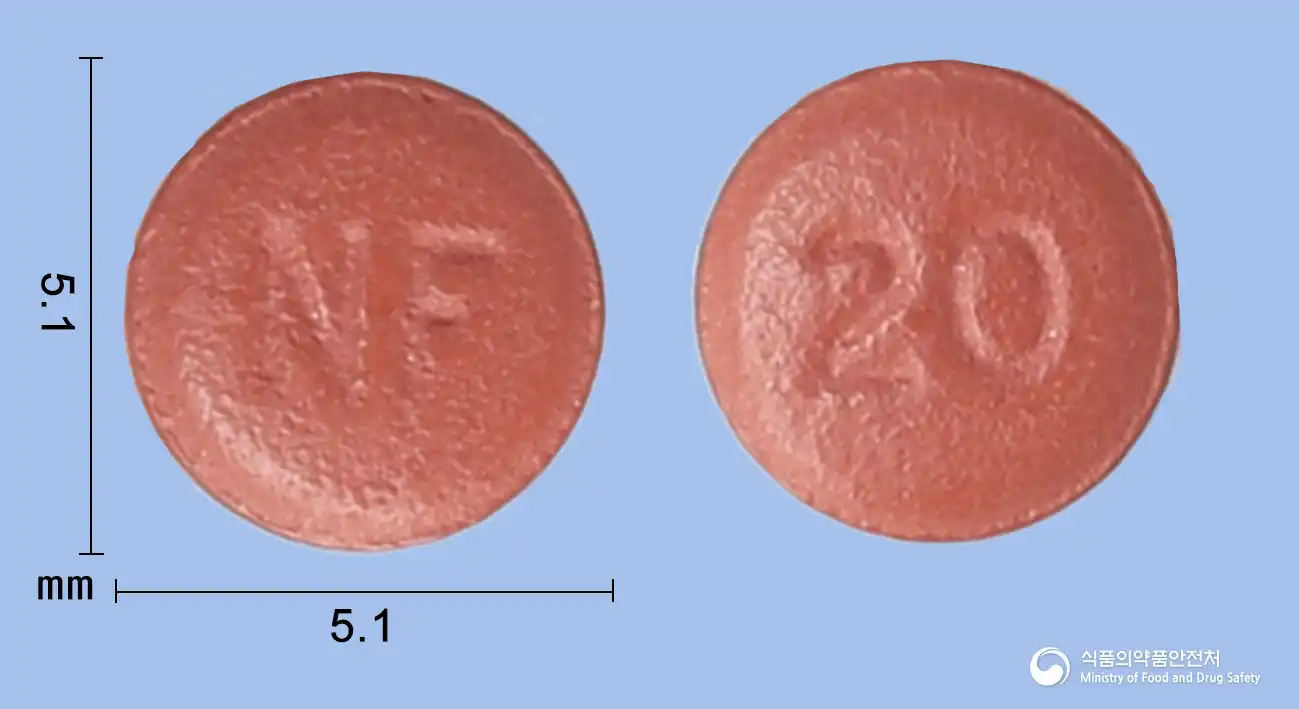
Nifedipine 20mg
Tablet · Prescription medication
Ellison Pharmaceutical Co., Ltd.
Even with the same ingredient, the dose and directions can differ by strength and dosage form. Talk to a doctor or pharmacist before switching from a medication you are already taking.
No questions yet.
For anything that needs medical judgment, consult a doctor or pharmacist.
This drug information is based on data provided by the Korea Ministry of Food and Drug Safety.
Consult a doctor or pharmacist for accurate dosage, administration, and usage instructions.