
 한국어
 English
 日本語
 中文(简体)
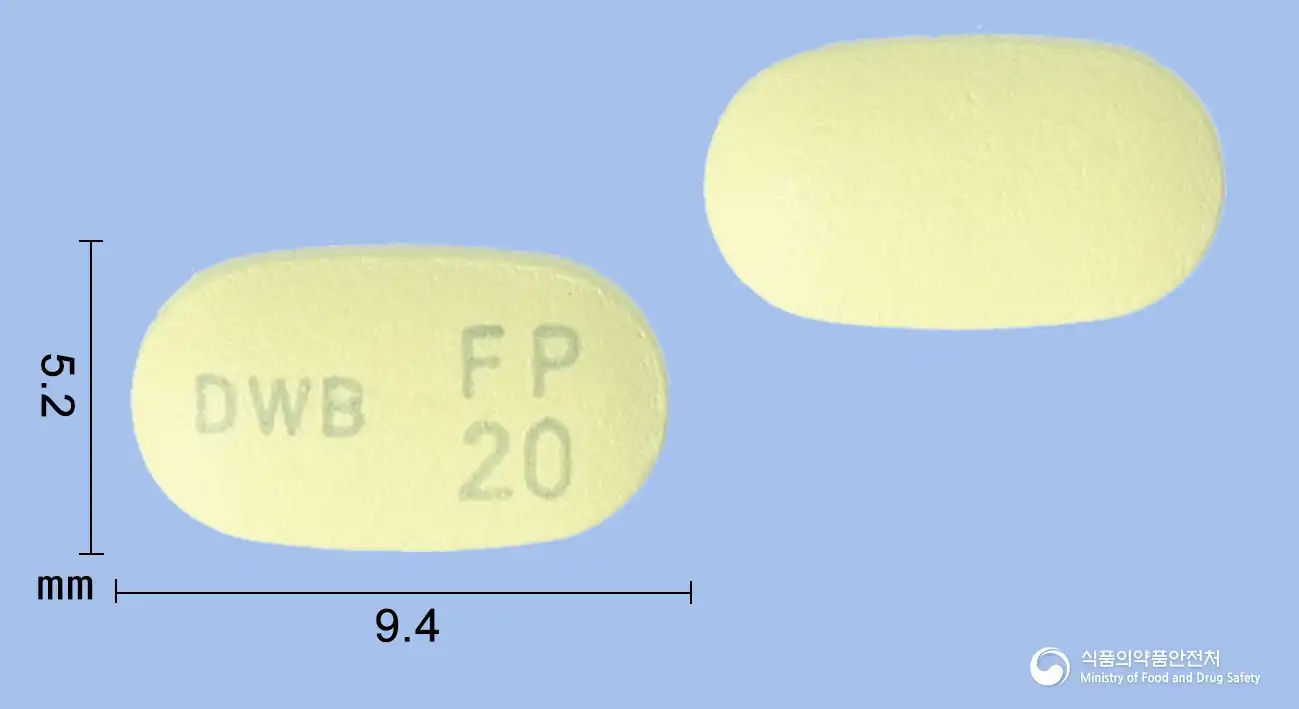 Viewing now
Wecap 20 mg (Fexuprazan Hydrochloride)
Fexuprazan Hydrochloride 20mg
Tablet · Prescription medication
Daewoong Bio Co., Ltd.
MFDS item code 202501243 · Approved 2025.05.20 · Insurance code 694004550
Prevention of anti-inflammatory analgesic-induced peptic ulcers
This medication is used to prevent peptic ulcers that may occur in the stomach and duodenum in patients taking non-steroidal anti-inflammatory drugs (NSAIDs).
Prevention of nonsteroidal anti-inflammatory drug (NSAID)-induced peptic ulcers (gastric and duodenal ulcers) Administer 20mg orally once daily for 24 weeks. The duration of the comparative clinical trial did not exceed 24 weeks. This medicine may be administered without regard to meals.
This medication should not be used in patients who have experienced allergies or hypersensitivity to this medication or any of its components. Additionally, this medication is contraindicated in patients taking certain antiviral agents, namely atazanavir, nelfinavir, and rilpivirine. It is advisable for pregnant or breastfeeding women to avoid this medication, and its use is particularly not recommended during pregnancy. Since this medication contains lactose, patients with genetic issues such as lactose intolerance, lactase deficiency, or glucose-galactose malabsorption should avoid taking it. Patients with liver or kidney function problems have limited experience with this medication and should use it cautiously. Elderly patients may have decreased liver and kidney function, hence should use it with care. This medication is used for the prevention of gastric or duodenal ulcers caused by NSAIDs, but there is a slight increase in the risk of gastrointestinal infections, so consultation with a doctor is recommended if diarrhea persists. Long-term use may increase the risk of fractures related to osteoporosis; thus, appropriate monitoring including bone density testing is necessary if needed. In cases of long-term use beyond 3 months, hypomagnesemia can occur, so it is advisable to regularly check magnesium levels. This medication suppresses gastric acid, which may affect the absorption of other medications; therefore, caution is advised when used in combination with certain drugs, and patients should inform their doctor of any other medications being taken. Pregnant or breastfeeding women should discontinue breastfeeding when taking this medication, and the safety and efficacy in children and adolescents have not been established. No severe side effects have been reported in cases of overdose; however, patients' conditions should be closely monitored, and necessary treatment should be provided if overdose occurs. Lastly, this medication should be stored out of reach of children, and it is advisable not to transfer it to another container.
Not everyone experiences these, and they can vary from person to person.
This medication should be stored in a tightly closed container to protect it from air and moisture. It is best kept at room temperature, between 1°C and 30°C.
Pale yellow film-coated tablet in an elongated shape
28 tablets/bottle, 100 tablets/bottle, 300 tablets/bottle, 28 tablets/box [7 tablets/PTPx4]
Even with the same ingredient, strength, dosage form and how it is taken can differ.
Viewing nowFexuprazan Hydrochloride 20mg
Tablet · Prescription medication
Daewoong Bio Co., Ltd.
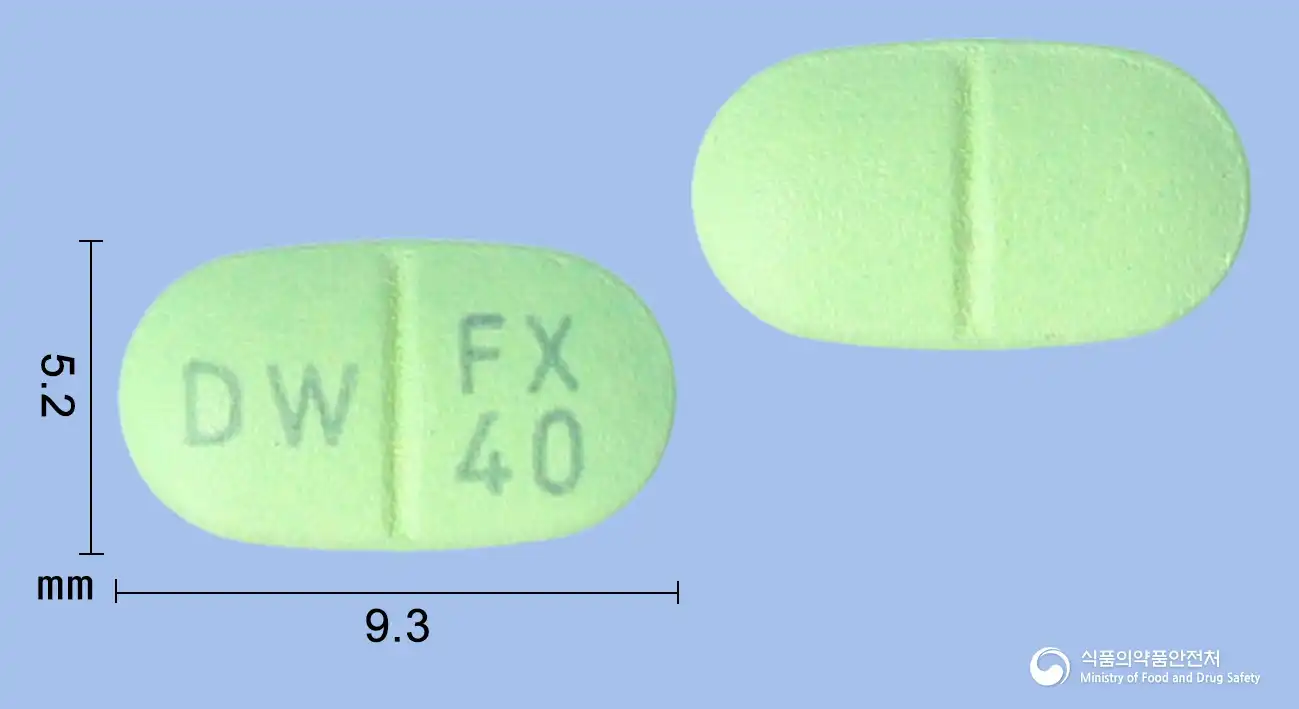
Fexuprazan Hydrochloride 40mg
Tablet · Prescription medication
Daiwoong Pharmaceutical Co., Ltd.
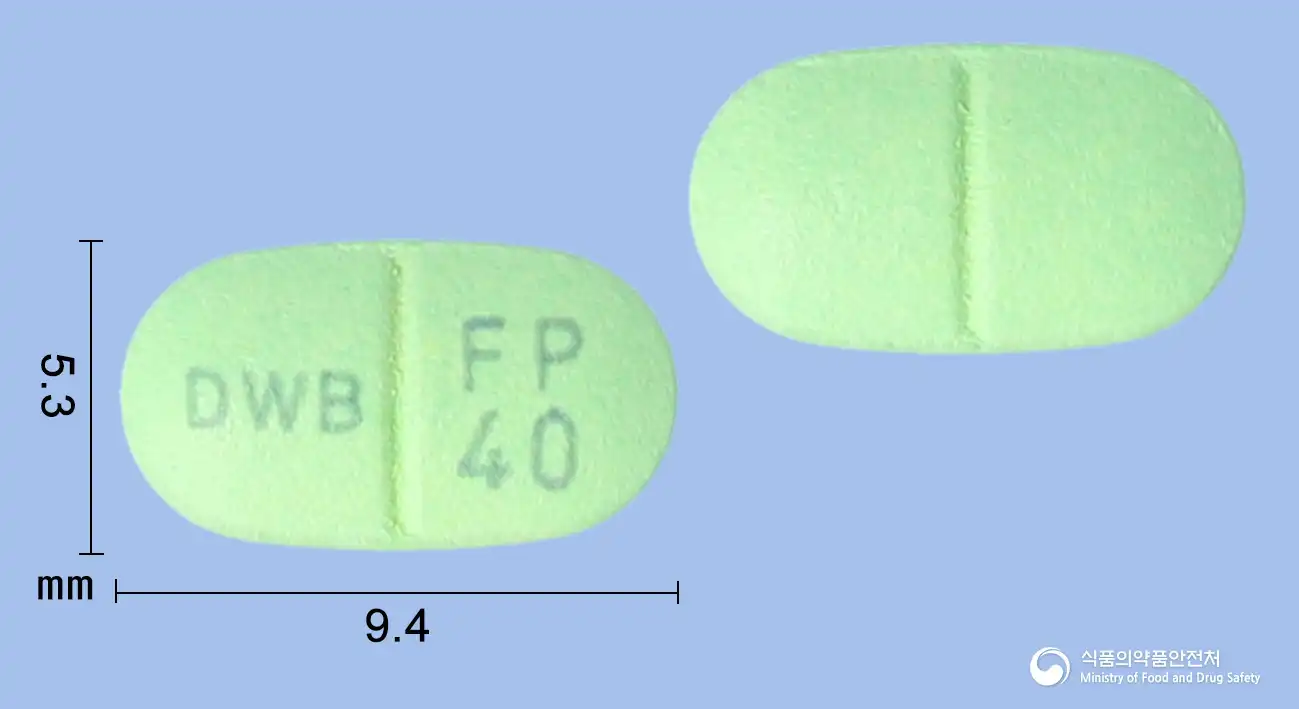
Fexuprazan Hydrochloride 40mg
Tablet · Prescription medication
Daewoong Bio Co., Ltd.
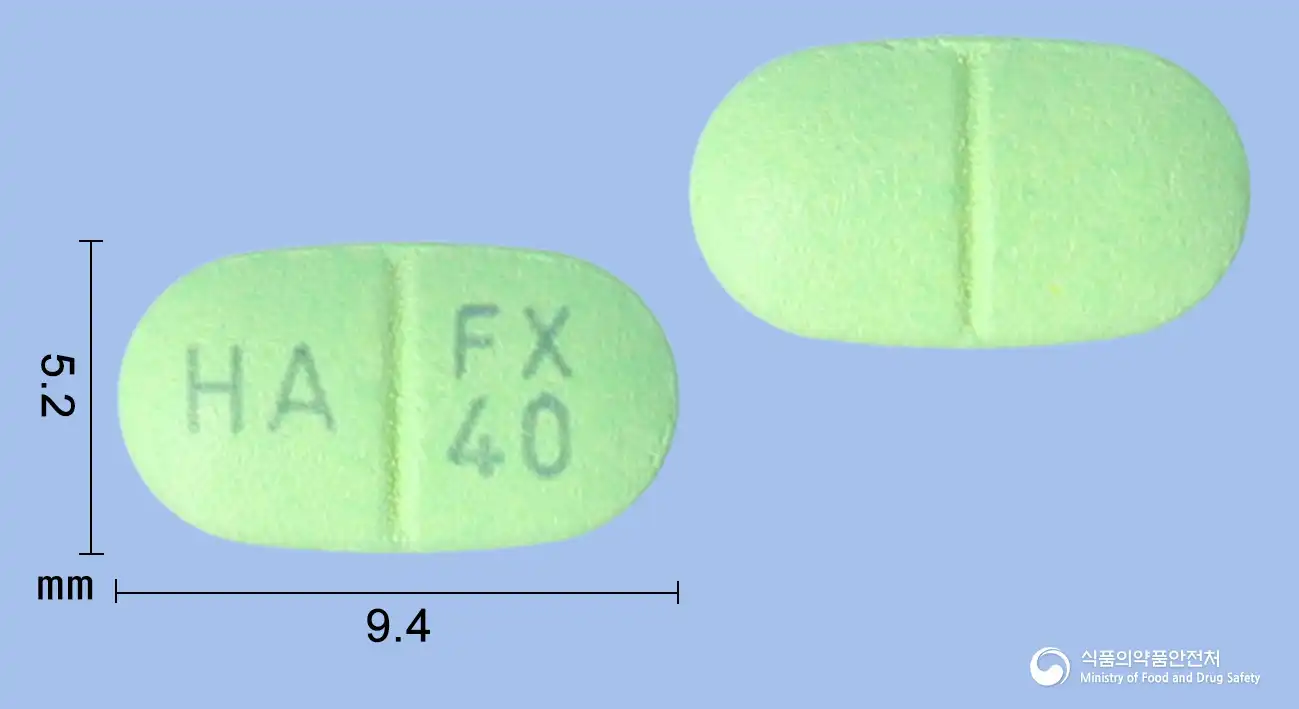
Fexuprazan Hydrochloride 40mg
Tablet · Prescription medication
Hanol Biopharma Co., Ltd.
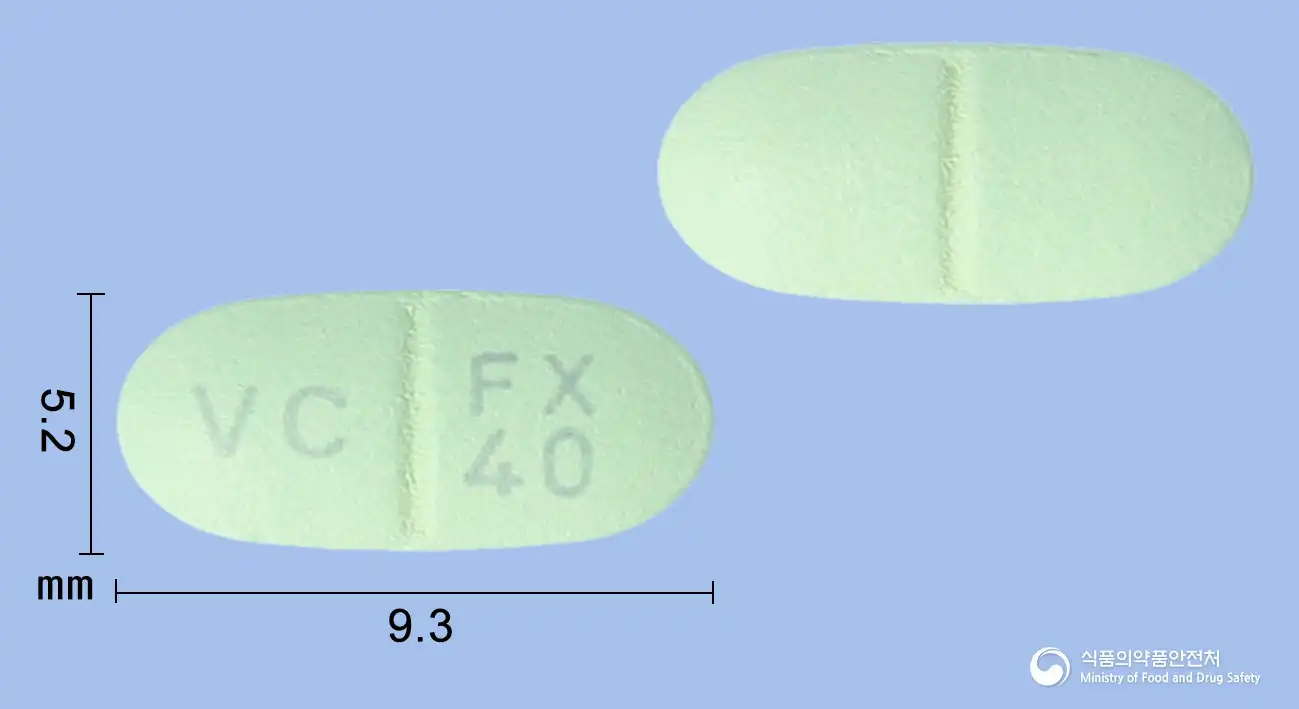
Fexuprazan Hydrochloride 40mg
Tablet · Prescription medication
IN Therapeutics Co., Ltd.
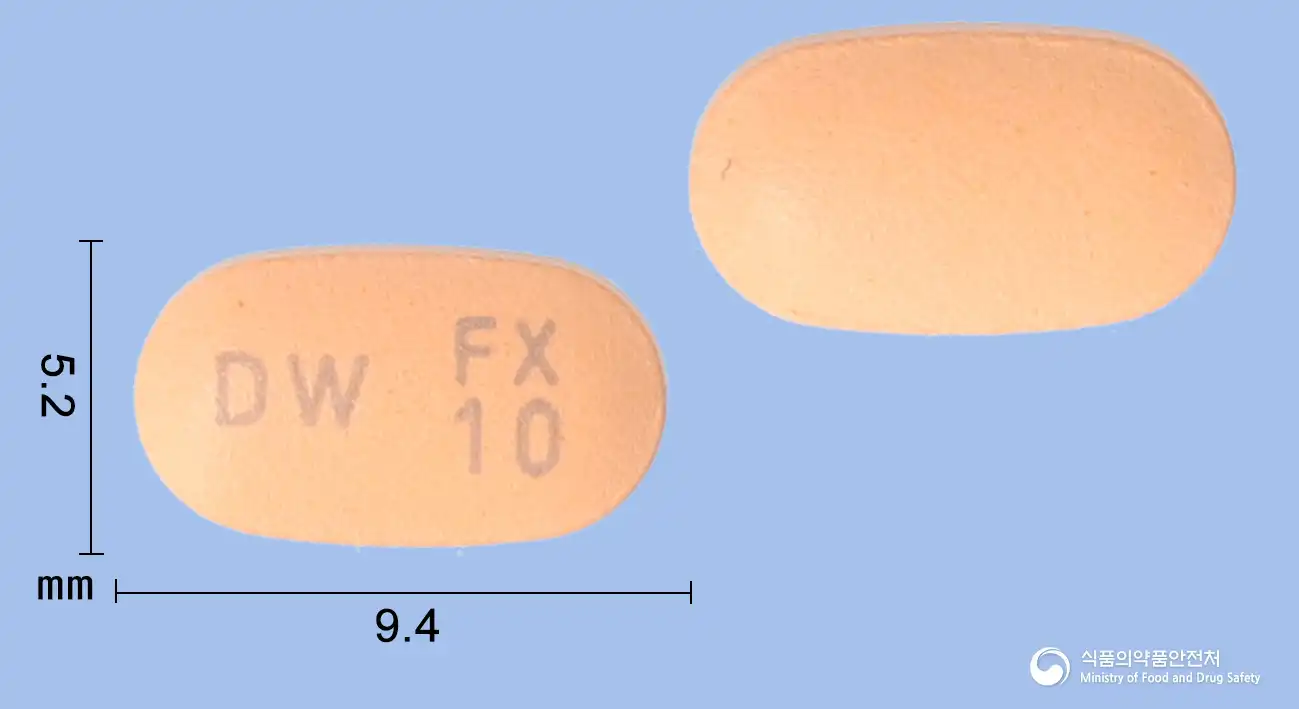
Fexuprazan Hydrochloride 10mg
Tablet · Prescription medication
Daewoong Pharmaceutical Co., Ltd.
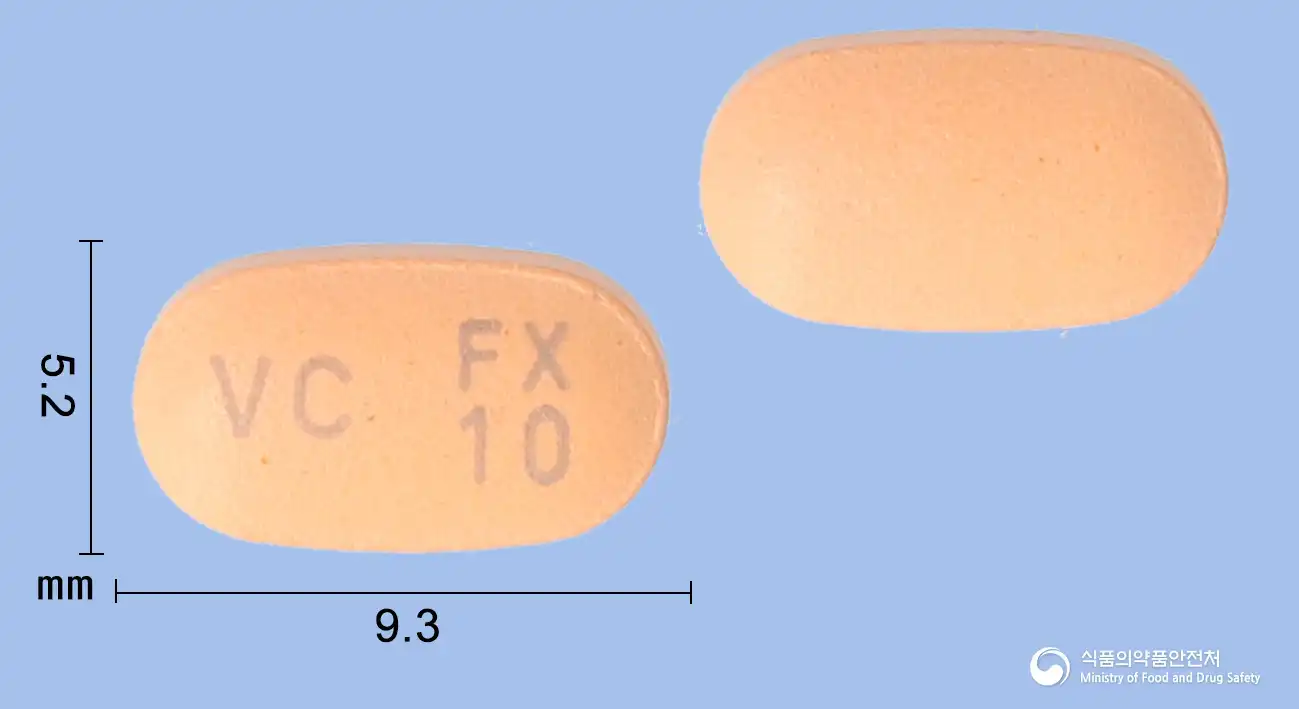
Fexuprazan Hydrochloride 10mg
Tablet · Prescription medication
Ain Therapeutics Co., Ltd.
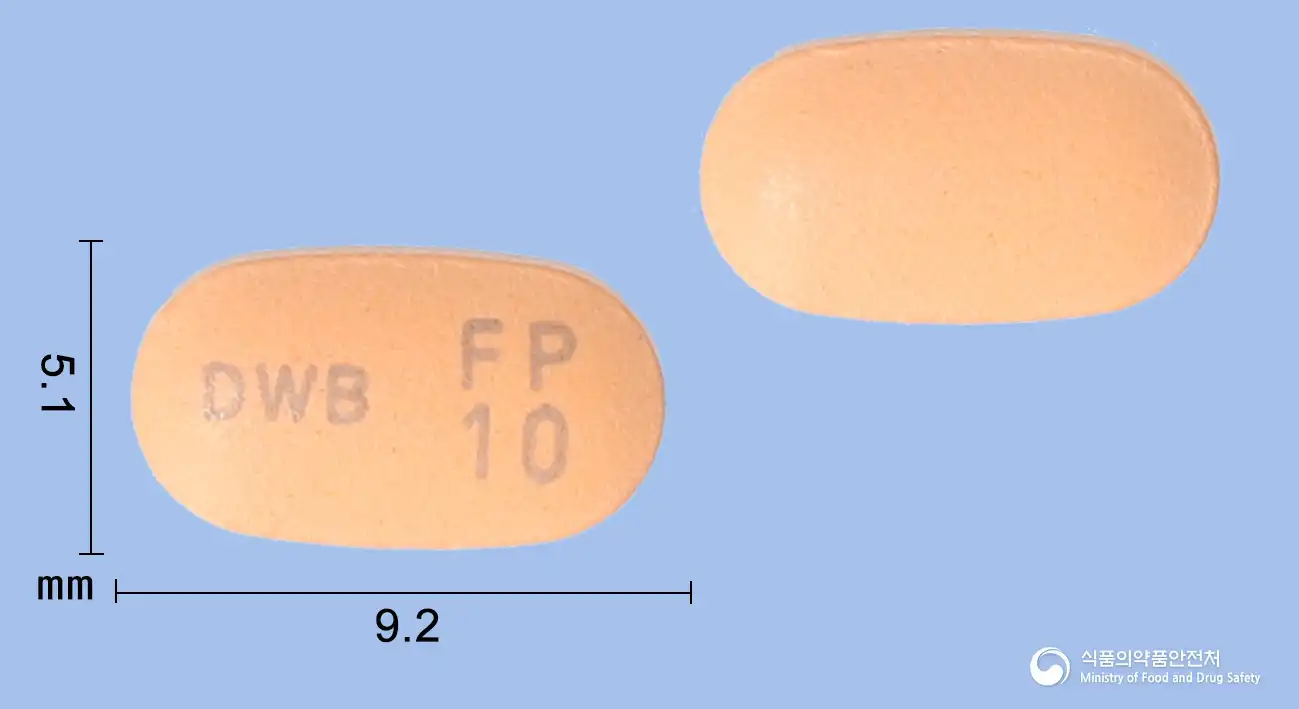
Fexuprazan Hydrochloride 10mg
Tablet · Prescription medication
Daewoong Bio Co., Ltd.
Even with the same ingredient, the dose and directions can differ by strength and dosage form. Talk to a doctor or pharmacist before switching from a medication you are already taking.
No questions yet.
For anything that needs medical judgment, consult a doctor or pharmacist.
This drug information is based on data provided by the Korea Ministry of Food and Drug Safety.
Consult a doctor or pharmacist for accurate dosage, administration, and usage instructions.