
 한국어
 English
 日本語
 中文(简体)
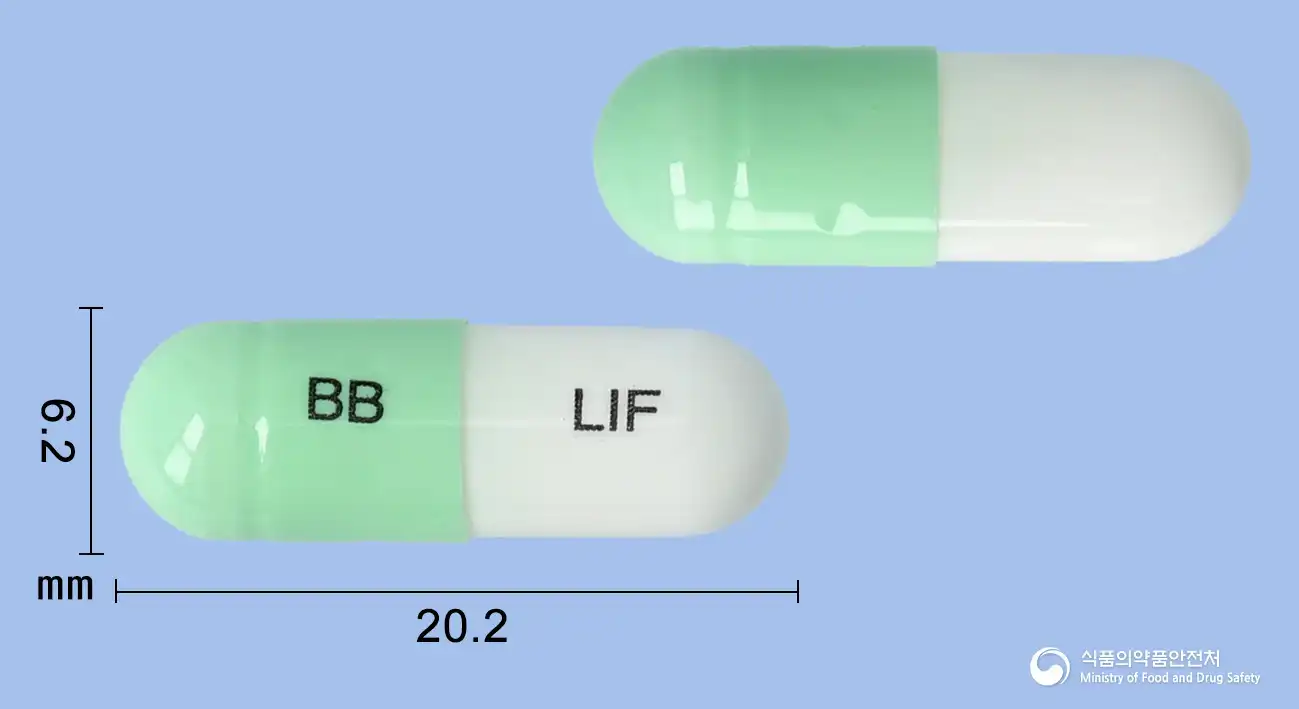 Viewing nowCombination
Rivapen Capsule (Pitavastatin Calcium, Fenofibrate)
Pitavastatin Calcium 2mg · Fenofibrate Granules 241.51mg
Hard capsule · Prescription medication · Combination
Boryung Biopharma Co., Ltd.
MFDS item code 202501069 · Approved 2025.04.30 · Insurance code 670502550
Treatment of mixed dyslipidemia
Pitavastatin 2mg monotherapy is effective in adequately controlling LDL cholesterol levels in high-risk adult patients with coronary heart disease. This treatment is applicable to patients with mixed dyslipidemia, which may elevate triglyceride levels and lower HDL cholesterol levels. It is primarily used for regulating blood lipids to reduce cardiovascular disease risk. This treatment helps improve heart health and reduce the risk of complications.
As the recommended dose, take 1 capsule once daily immediately after a meal.
This medication carries a risk of muscle problems, so if symptoms such as muscle pain or weakness appear, consult a physician immediately. Particular caution should be exercised in patients over 65 years of age, those with poor kidney function, or those with hypothyroidism. This medication is not administered to patients with specific liver diseases or severe gallbladder disease. Women who are pregnant or may become pregnant, as well as lactating women, should also avoid taking this medication. Regular liver function tests should be conducted during the course of this treatment, and if liver function levels significantly increase, discontinuation of the medication is necessary. This medication also carries a risk of side effects such as pancreatitis or thrombosis, so healthcare professionals should be informed immediately if related symptoms arise. It is recommended to take this medication with food, ideally right after meals. Dizziness may occur, so caution is advised when driving or operating machinery after taking this medication. It should not be used in children or adolescents under 18 years of age. When storing this medication, keep it out of reach of children and in its original container.
Nasopharyngitis, upper respiratory infection, increased ALT, increased AST, increased GGT, abnormal liver function tests, gastroesophageal reflux disease, nausea, headache, dizziness, increased CPK, hypertension, chronic gastritis, erosive gastritis, decreased hemoglobin, decreased white blood cell count, decreased platelet count, decreased granulocyte count, decreased leukocyte count, increased eosinophils, increased leukocyte count, increased globulin, positive Coombs test, anemia, hypersensitivity, fatigue, stiffness, drowsiness, insomnia, heaviness, paralysis, thromboembolism, interstitial lung disease, gastrointestinal symptoms (abdominal pain, nausea, vomiting, diarrhea, bloating), pancreatitis, thirst, dyspepsia, abdominal distension, constipation, stomatitis, loss of appetite, glossitis, nausea, gastric discomfort, increased transaminases, cholelithiasis, jaundice, complications of cholelithiasis, increased bilirubin, increased cholinesterase, increased AST, increased ALT, increased γ-GT, increased ALP, increased LDH, decreased aldosterone, increased aldosterone, increased adrenocorticotropic hormone, increased cortisol, decreased testosterone, severe skin reactions, skin hypersensitivity, rash, itching, urticaria, alopecia, photosensitivity, muscular disorders, myalgia, myositis, muscle cramps, weakness, renal failure, rhabdomyolysis, myopathy, increased myoglobin, increased CPK, weakness, anemia, elevated BUN, elevated serum creatinine, sexual dysfunction, increased serum homocysteine levels, increased hematuria, palpitations, fatigue, skin tenderness, burning sensation, arthralgia, edema, blurred vision, photophobia, hearing loss, urinary hematuria, elevated uric acid levels, elevated serum potassium and phosphate, taste disturbances, discolored urine, fatigue, positive antinuclear antibodies, alopecia, hypersensitivity, urticaria, erythema, angioedema
Not everyone experiences these, and they can vary from person to person.
This medication should be stored in a tightly closed container to prevent exposure to air or moisture, and it is best kept at room temperature between 1°C and 30°C. This helps maintain the medication's effectiveness and prevents degradation.
A hard capsule with a greenish-yellow upper part and a white lower part, containing white circular film-coated tablets and white spherical microgranules.
30 capsules/bottle, 300 capsules/bottle
Even with the same ingredient, strength, dosage form and how it is taken can differ.
Viewing nowCombinationPitavastatin Calcium 2mg · Fenofibrate Granules 241.51mg
Hard capsule · Prescription medication · Combination
Boryung Biopharma Co., Ltd.
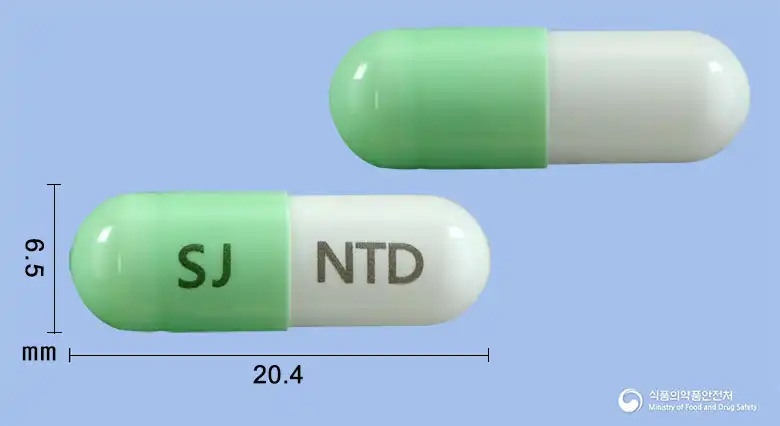 Combination
Pitavastatin Calcium 2mg · Fenofibrate Granules 241.51mg
Hard capsule · Prescription medication · Combination
Samjin Pharmaceutical Co., Ltd.
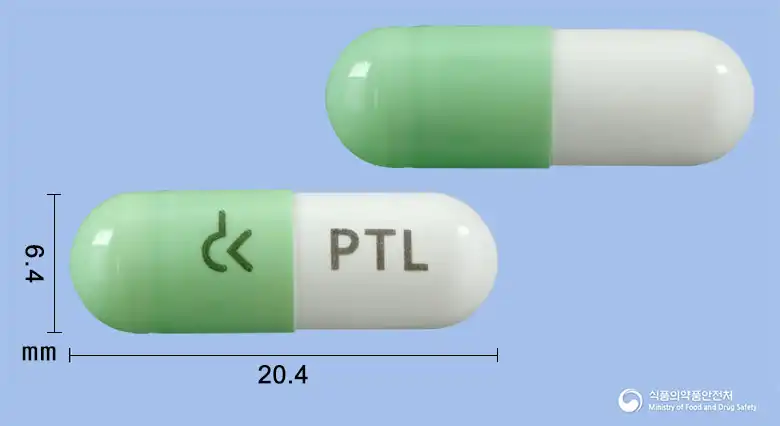 Combination
Pitavastatin Calcium 2mg · Fenofibrate Granules 241.51mg
Hard capsule · Prescription medication · Combination
Dongkook Pharmaceutical Co., Ltd.
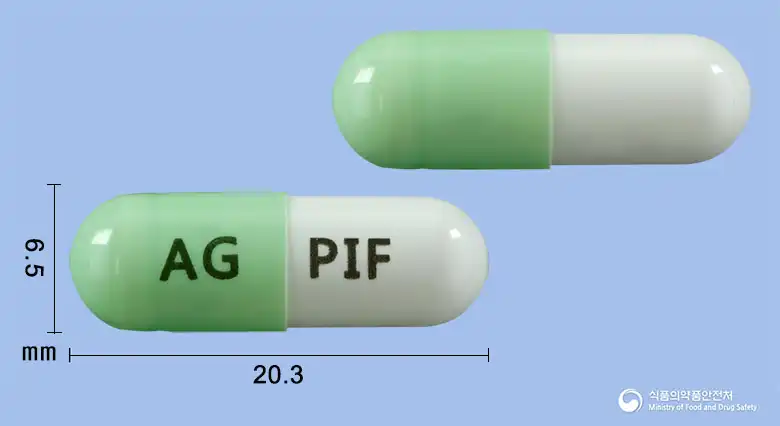 Combination
Pitavastatin Calcium 2mg · Fenofibrate Granules 241.51mg
Hard capsule · Prescription medication · Combination
Ahn-Gook Pharmaceutical Co., Ltd.
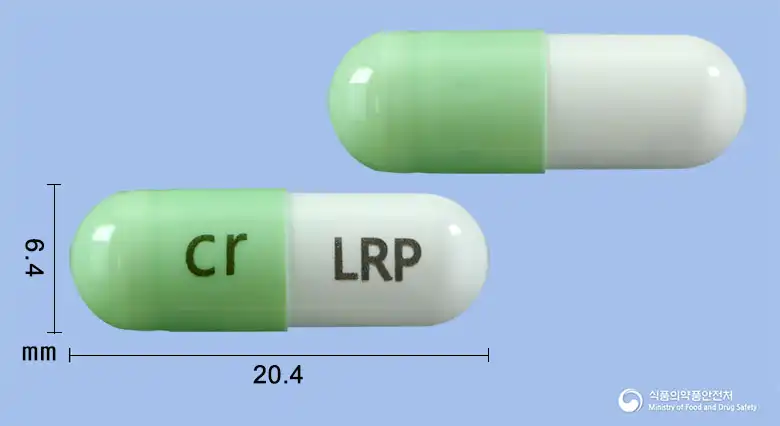 Combination
Pitavastatin Calcium 2mg · Fenofibrate Granules 241.51mg
Hard capsule · Prescription medication · Combination
GL Pharma Co., Ltd.
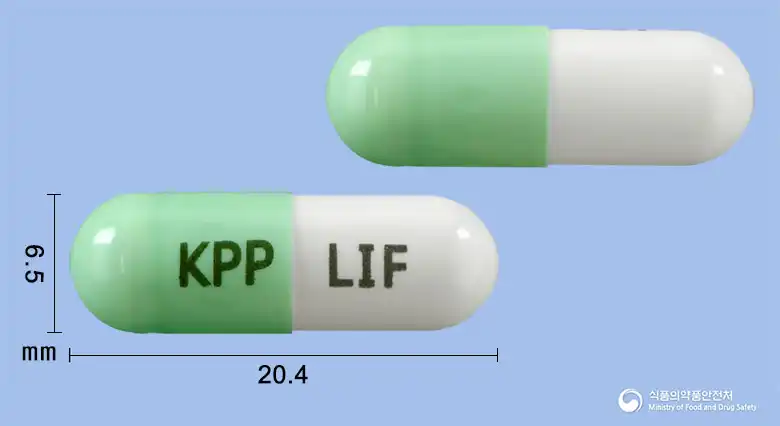 Combination
Pitavastatin Calcium 2mg · Fenofibrate Granules 241.51mg
Hard capsule · Prescription medication · Combination
Korea Prime Pharmaceutical Co., Ltd.
Pitavastatin Calcium 2mg · Fenofibrate Granules 241.51mg
Hard capsule · Prescription medication · Combination
Daewon Pharmaceutical Co., Ltd.
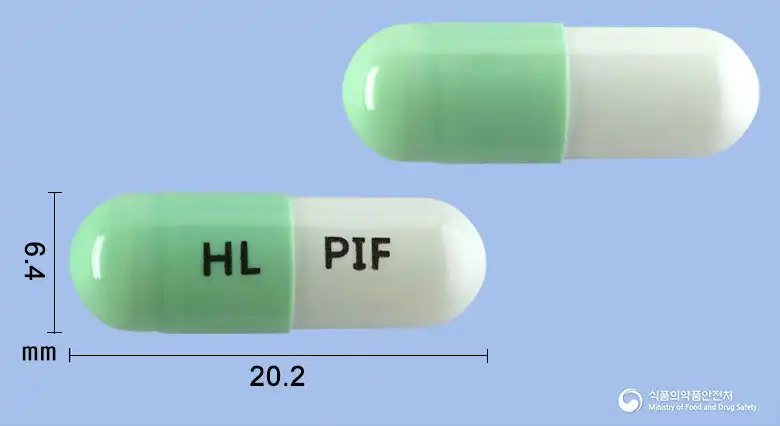 Combination
Pitavastatin Calcium 2mg · Fenofibrate Granules 241.51mg
Hard capsule · Prescription medication · Combination
Hanlim Pharmaceutical Co., Ltd.
Even with the same ingredient, the dose and directions can differ by strength and dosage form. Talk to a doctor or pharmacist before switching from a medication you are already taking.
No questions yet.
For anything that needs medical judgment, consult a doctor or pharmacist.
This drug information is based on data provided by the Korea Ministry of Food and Drug Safety.
Consult a doctor or pharmacist for accurate dosage, administration, and usage instructions.