
 한국어
한국어 English
 日本語
日本語 中文(简体)
 Viewing now
Iriquick Tablet 2.5 Micrograms (Ramosetron Hydrochloride)
Ramosetron Hydrochloride 2.5μg
Tablet · Prescription medication
Jongkundang Co., Ltd.
MFDS item code 202501061 · Approved 2025.04.30 · Insurance code 643309850
Relief of symptoms of diarrhea-predominant irritable bowel syndrome
Used for diarrhea-predominant irritable bowel syndrome.
For male patients with diarrhea-predominant irritable bowel syndrome: Administer ramosetron hydrochloride 5 micrograms orally once a day. Adjust the dosage according to symptoms, with a minimum daily dose of 2.5 micrograms and a maximum dose of 10 micrograms. For female patients with diarrhea-predominant irritable bowel syndrome: Administer ramosetron hydrochloride 2.5 micrograms orally once a day. If relief of symptoms is insufficient with 2.5 micrograms, dosage may be increased.
This medication should not be used in patients with an allergy to this drug or any of its components. Patients taking other serotonergic medications, such as selective serotonin reuptake inhibitors (SSRIs) or serotonin-norepinephrine reuptake inhibitors (SNRIs), should use this drug with caution. Constipation and hard stools are commonly seen when taking this medication; in severe cases, serious complications such as intestinal obstruction or perforation may occur, so patients should consult a doctor immediately if constipation symptoms appear. Symptoms such as abdominal pain or bloody stools may indicate serious side effects like ischemic colitis, necessitating immediate medical attention. This drug is used only in patients with diarrhea-predominant irritable bowel syndrome who do not have constipation symptoms, and it is essential to check for the presence of constipation before treatment. If other conditions that exhibit symptoms similar to irritable bowel syndrome are suspected, further testing may be necessary. Patients with a history of abdominal surgery should be cautious, as the risk of constipation or intestinal obstruction may increase after taking this drug. The improvement of symptoms should be assessed after 3 months of treatment to determine the need for long-term administration, and it is advisable not to frequently change the dosage. If this drug is taken along with other serotonergic medications, there is a risk of serious side effects known as serotonin syndrome, so the patient’s condition must be closely monitored. Taking other medications that affect the enzymes that break down this drug in the liver may increase the blood concentration of this drug, raising the risk of side effects, hence caution is advised. Combining medications such as anticholinergics or antidiarrheals that may cause constipation can exacerbate constipation symptoms. Women who are pregnant or may become pregnant should carefully consider the therapeutic effects and risks when using this drug, and breastfeeding women are advised to discontinue nursing. The safety of this medication has not been sufficiently established in children or neonates, so use is best avoided. Elderly patients should be observed more carefully when using this drug due to decreased bodily functions, and administration should be stopped immediately if any adverse reactions occur. This medication should be taken out of its packaging before use, as swallowing it in the packaging can cause esophageal damage or serious complications.
Urticaria, severe swelling (edema), anaphylaxis, shock, ischemic colitis, intestinal obstruction due to severe constipation, bowel obstruction, fecal impaction, toxic megacolon, secondary intestinal ischemia, intestinal perforation, chest tightness, difficulty breathing (respiratory problems), heartburn, colonic stricture, pneumonia, lung disease, elevated AST, increased serum creatinine
Not everyone experiences these, and they can vary from person to person.
This medication must be stored in a tightly sealed container to protect it from air and moisture. It is recommended to maintain storage temperatures between 1 degree and 30 degrees Celsius. Proper storage will help safely preserve the drug's effectiveness.
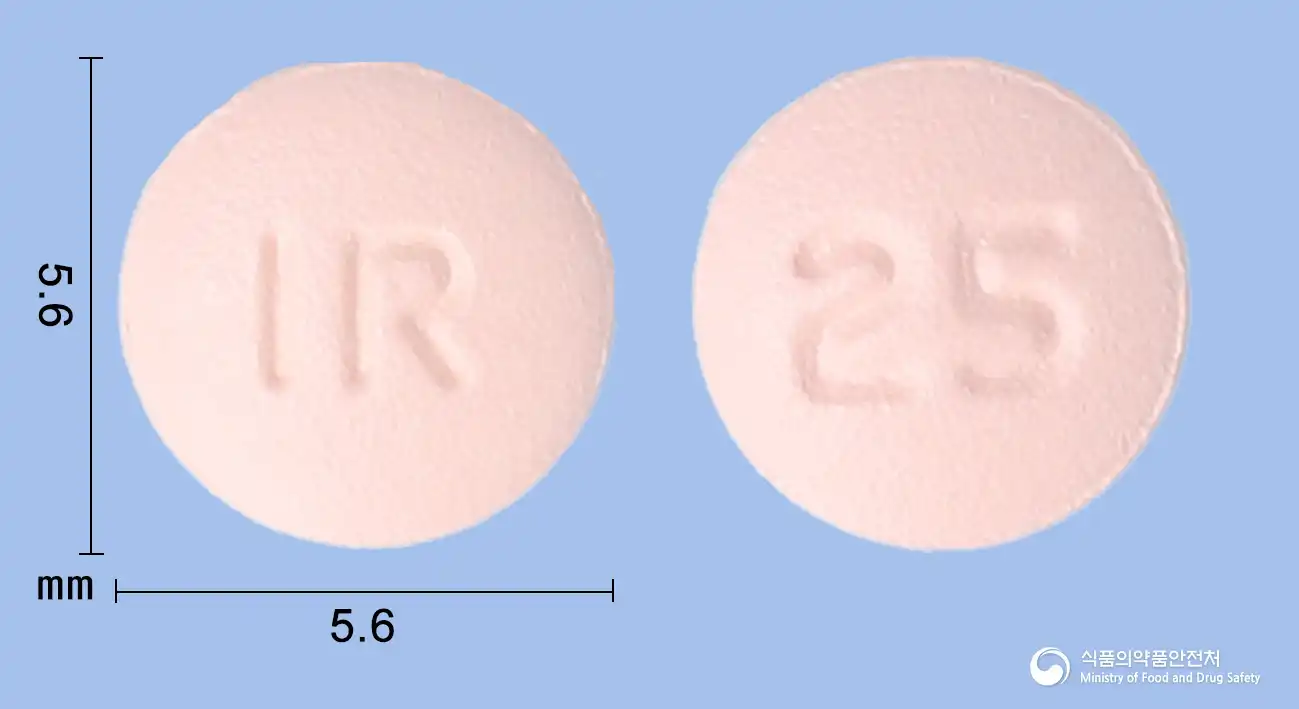
Pink, round film-coated tablets
100 tablets/box [(10 tablets x 10 PTP)]
Even with the same ingredient, strength, dosage form and how it is taken can differ.
Viewing nowRamosetron Hydrochloride 2.5μg
Tablet · Prescription medication
Jongkundang Co., Ltd.
Ramosetron Hydrochloride 0.3mg
Prescription medication
HanKook Daiichi Sankyo Co., Ltd.

Ramosetron Hydrochloride 0.1mg
Orally disintegrating Tablet · Prescription medication
Korea Daiichi Sankyo Co., Ltd.
Ramosetron Hydrochloride 5μg
Tablet · Prescription medication
Korea Astellas Pharma Co., Ltd.
Ramosetron Hydrochloride 2.5μg
Tablet · Prescription medication
Korea Astellas Pharma Co., Ltd.
Ramosetron Hydrochloride 0.3mg
Injections · Prescription medication
Hana Pharmaceutical Co., Ltd.
Ramosetron Hydrochloride 0.15mg
Injections · Prescription medication
Boryung (Co., Ltd.)
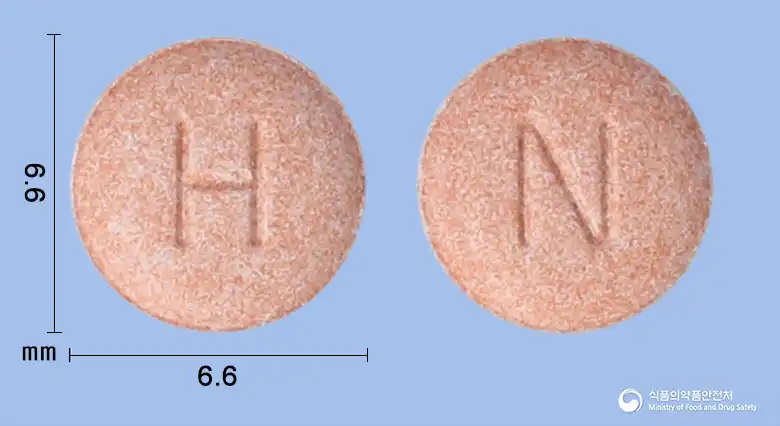
Ramosetron Hydrochloride 0.1mg
Orally disintegrating Tablet · Prescription medication
Hana Pharmaceutical Co., Ltd.
Even with the same ingredient, the dose and directions can differ by strength and dosage form. Talk to a doctor or pharmacist before switching from a medication you are already taking.
No questions yet.
For anything that needs medical judgment, consult a doctor or pharmacist.
This drug information is based on data provided by the Korea Ministry of Food and Drug Safety.
Consult a doctor or pharmacist for accurate dosage, administration, and usage instructions.