
 한국어
한국어 English
 日本語
日本語 中文(简体)
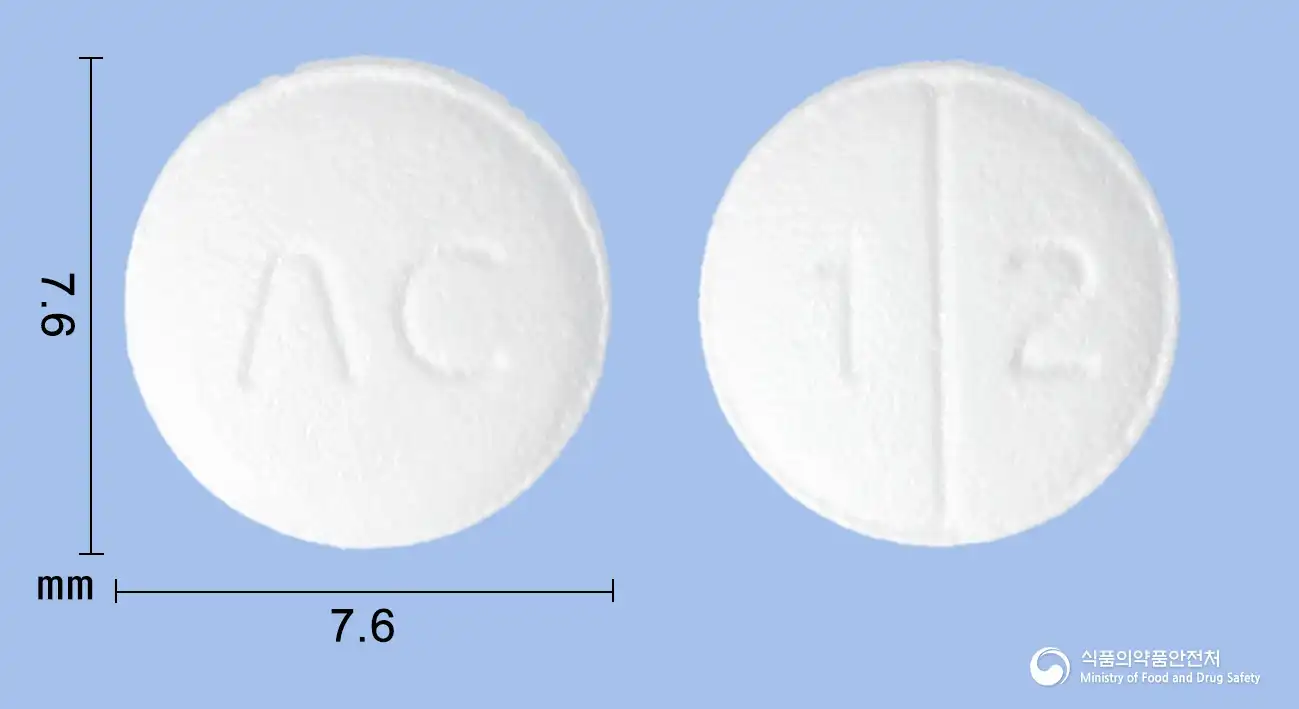 Viewing nowCombination
Crevista Tablet 2.5/10 mg (Nebivolol, Rosuvastatin)
Nebivolol Hydrochloride 2.725mg · Rosuvastatin Calcium Micronized 10.4mg
Tablet · Prescription medication · Combination
Allyco Pharmaceuticals Co., Ltd.
MFDS item code 202501055 · Approved 2025.04.30 · Insurance code 656005740
Improvement of hypertension and hypercholesterolemia, treatment to reduce the risk of cardiovascular disease
This medication is used as an alternative therapy for patients receiving concomitant treatment with nebivolol and rosuvastatin. Nebivolol is used as an adjunct therapy for elderly patients over 70 years of age with essential hypertension and mild to moderate chronic stable heart failure. Rosuvastatin is used as an adjunct to dietary therapy for primary and familial hypercholesterolemia, mixed dyslipidemia, and dysbetalipoproteinemia, lowering total cholesterol and LDL cholesterol to delay the progression of atherosclerosis. Additionally, it helps to reduce the risk of stroke, myocardial infarction, and arterial revascularization procedures in patients at high risk of cardiovascular diseases. This medication complements the effects of both drugs and is used to improve the patient's cardiovascular health.
This medication is administered as 1 tablet daily for the convenience of patients receiving concomitant treatment with nebivolol and rosuvastatin.
This medication should not be administered to certain patients. For example, it should not be used in patients who are allergic to this medication or have severely impaired liver function, patients with bradycardia, patients with acute heart failure, hypotensive patients, patients with severe renal failure, patients with bronchial asthma, and women who are pregnant or breastfeeding. In addition, it should be administered with caution to patients with chronic lung disease, heart failure, peripheral circulation disorders, thyroid dysfunction, diabetes, or muscle-related diseases, and monitoring of liver function tests and muscle-related symptoms is necessary. This medication can cause serious muscle abnormal reactions such as myalgia, myopathy, and rarely rhabdomyolysis, so any symptoms of muscle pain or weakness should be reported to medical personnel immediately. Moreover, this medication may affect liver function, so regular liver function tests should be performed before and during treatment, and the medication should be stopped immediately if symptoms of liver damage appear (such as jaundice or severe fatigue). This medication may interact with other drugs, so any current medications should be reported to medical personnel, especially caution is needed when used in conjunction with specific antiarrhythmics, calcium channel blockers, anticonvulsants, antihypertensives, some antibiotics, and antifungals. Women of childbearing potential should use appropriate contraception and should not use this medication while pregnant. It is also advisable to avoid using it while breastfeeding. Elderly patients should start at a low dose and be administered with caution, and in cases of overdose, immediate medical attention should be obtained. This medication may cause dizziness while driving or operating machinery, so caution is advised, and it should be stored out of reach of children.
Hives, severe swelling (edema), tightness in the chest, difficulty breathing, cold sweats, pallor, severe rash with high fever, blisters, skin peeling, pain in oral/ocular mucosa, difficulty breathing or shortness of breath, asthma attacks, respiratory abnormalities accompanied by cough and fever, yellowing of the skin or eyes (jaundice), profound lethargy, sudden and severe headache, thunderclap headache, seizures, confusion, vision disturbances, paralysis, urination issues
Not everyone experiences these, and they can vary from person to person.
This medication should be stored in a tightly closed container to protect it from air and moisture. The storage temperature should ideally be maintained at room temperature between 1 degree and 30 degrees. Proper storage can help retain the medication's effectiveness for a longer period.
White to almost white round film-coated tablets
30 tablets/bottle, 100 tablets/bottle, 30 tablets/box [10 tablets/PTP*3]
Even with the same ingredient, strength, dosage form and how it is taken can differ.
Viewing nowCombinationNebivolol Hydrochloride 2.725mg · Rosuvastatin Calcium Micronized 10.4mg
Tablet · Prescription medication · Combination
Allyco Pharmaceuticals Co., Ltd.
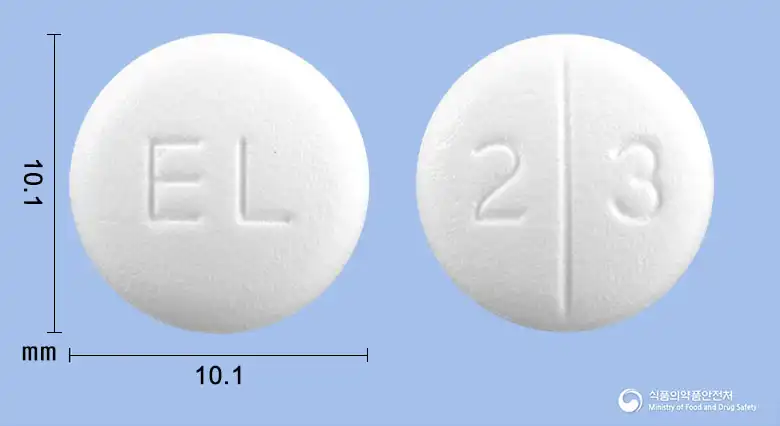 Combination
Nebivolol Hydrochloride 5.45mg · Rosuvastatin Calcium Micronized 20.8mg
Tablet · Prescription medication · Combination
Ellison Pharmaceuticals Co., Ltd.
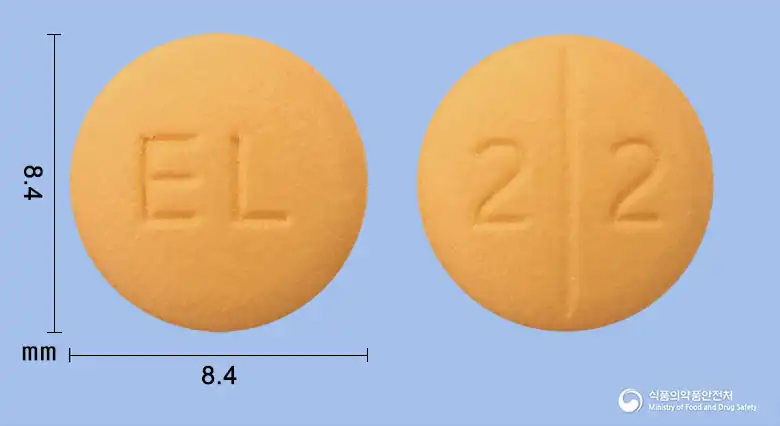 Combination
Nebivolol Hydrochloride 5.45mg · Rosuvastatin Calcium Micronized 10.4mg
Tablet · Prescription medication · Combination
EriSon Pharmaceutical Co., Ltd.
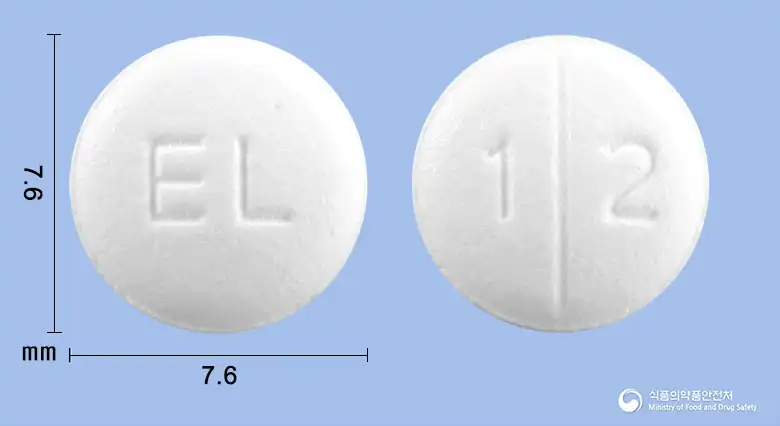 Combination
Nebivolol Hydrochloride 2.725mg · Rosuvastatin Calcium Micronized 10.4mg
Tablet · Prescription medication · Combination
Erisun Pharmaceutical Co., Ltd.
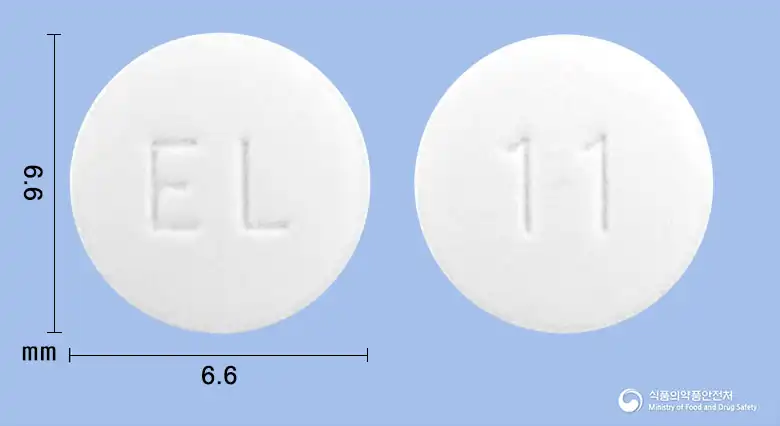 Combination
Nebivolol Hydrochloride 5.45mg · Rosuvastatin Calcium Micronized 20.8mg
Tablet · Prescription medication · Combination
Erison Pharmaceutical Co., Ltd.
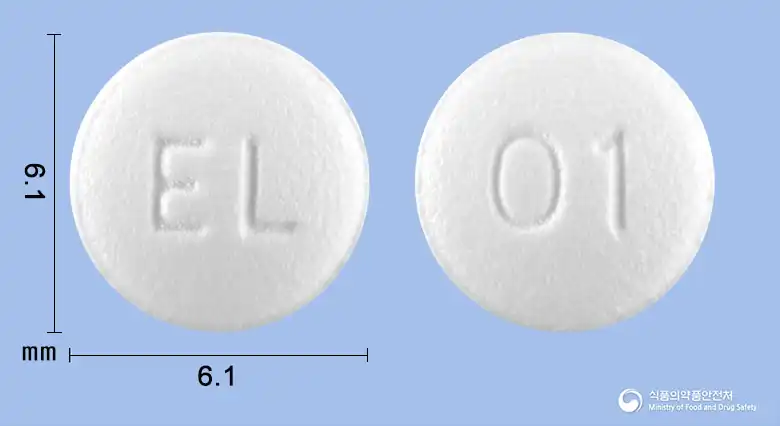 Combination
Nebivolol Hydrochloride 2.725mg · Rosuvastatin Calcium Micronized 10.4mg
Tablet · Prescription medication · Combination
Erisun Pharmaceuticals Co., Ltd.
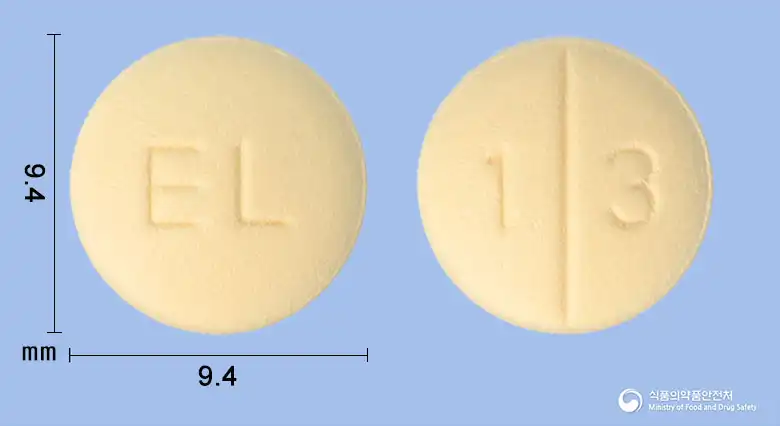 Combination
Nebivolol Hydrochloride 5.45mg · Rosuvastatin Calcium Micronized 20.8mg
Tablet · Prescription medication · Combination
Eli Lilly and Company
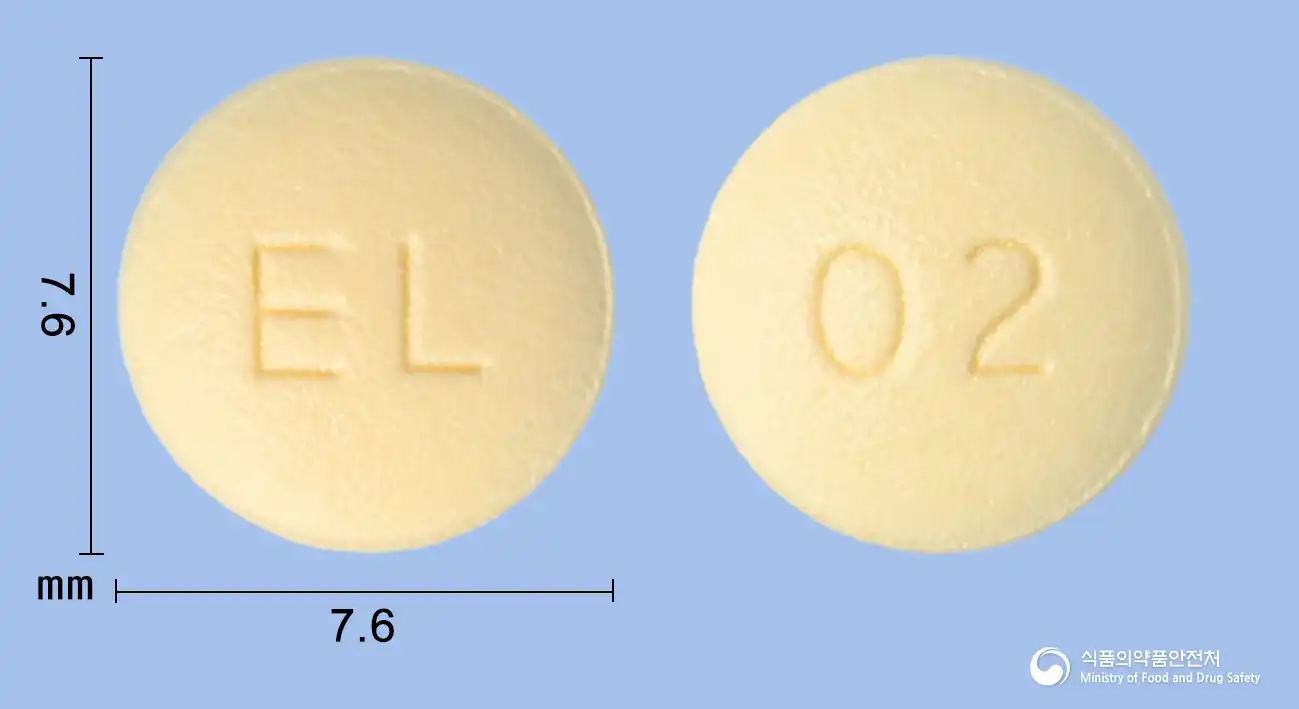 Combination
Nebivolol Hydrochloride 5.45mg · Rosuvastatin Calcium Micronized 20.8mg
Tablet · Prescription medication · Combination
Eryson Pharmaceutical Co., Ltd.
Even with the same ingredient, the dose and directions can differ by strength and dosage form. Talk to a doctor or pharmacist before switching from a medication you are already taking.
No questions yet.
For anything that needs medical judgment, consult a doctor or pharmacist.
This drug information is based on data provided by the Korea Ministry of Food and Drug Safety.
Consult a doctor or pharmacist for accurate dosage, administration, and usage instructions.