
 한국어
 English
 日本語
 中文(简体)
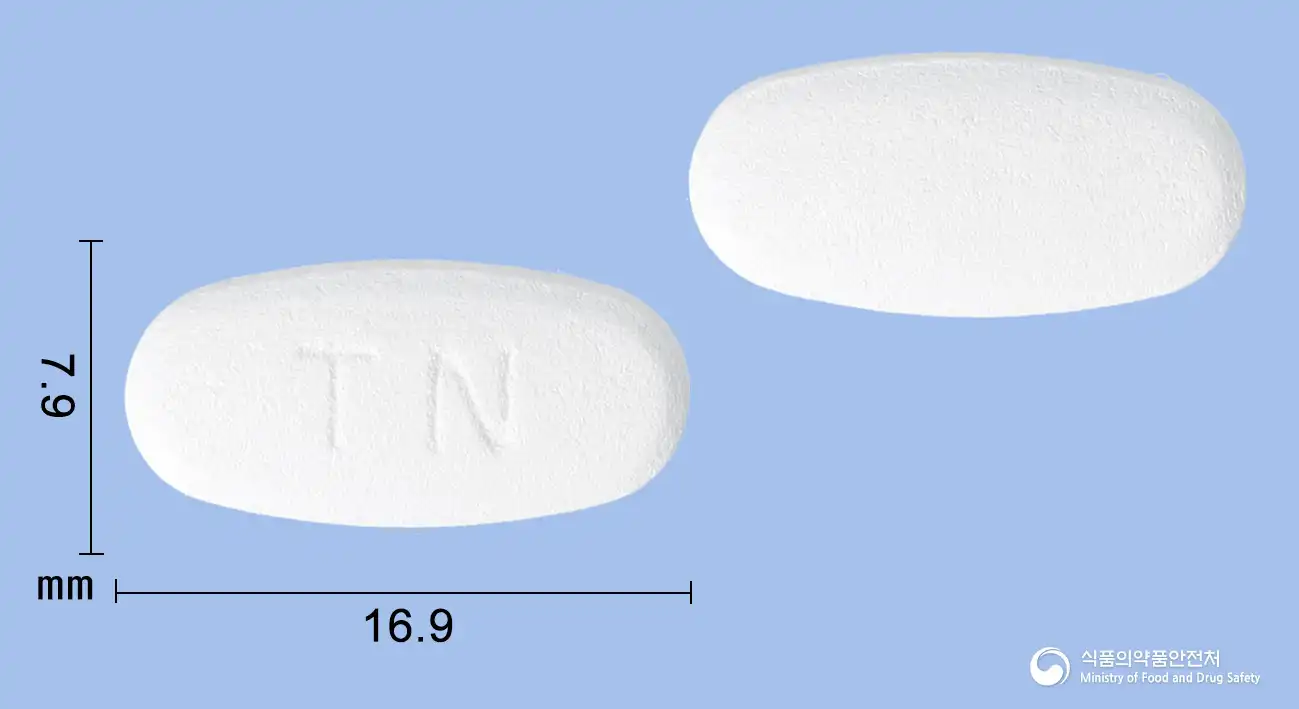 Viewing nowCombination
Pitaron Tablet 2/160 milligrams (Pitavastatin Calcium, Fenofibrate)
Fenofibrate Micronized 160mg · Pitavastatin Calcium 2mg
Tablet · Prescription medication · Combination
Daewoo Pharmaceutical Co., Ltd.
MFDS item code 202501047 · Approved 2025.04.30 · Insurance code 649606490
Treatment of mixed dyslipidemia in adults at high risk of coronary heart disease
Pitavastatin 2mg monotherapy effectively controls LDL cholesterol levels in adult patients at high risk for coronary heart disease. However, this treatment is also used for mixed dyslipidemia, which can elevate triglyceride levels and decrease HDL cholesterol levels. This medication helps control cholesterol, contributing to the reduction of cardiovascular disease risk. Therefore, this medication plays a crucial role in improving lipid levels in high-risk patients.
As the recommended dose, take 1 tablet once daily immediately after a meal.
This medication is primarily used to lower blood lipid levels. Abnormalities in muscles may occur during use, so if symptoms such as muscle pain or weakness appear, consult a physician immediately. Special caution is required for elderly patients over 65 years, females, patients with impaired renal function, patients with uncontrolled hypothyroidism, and patients with a history of muscular disorders. Additionally, the risk of muscle toxicity may increase when taken with other lipid-lowering agents or specific drugs, so it is essential to consult a physician. Patients with liver or kidney issues should closely monitor their condition before using this medication, and treatment should be discontinued if there are severe liver function abnormalities. This medication should not be used by pregnant women, breastfeeding mothers, or children under 18 years of age. During the course of treatment, regular monitoring of blood lipid levels, liver function, and kidney function should be conducted to check for any abnormalities. If surgery is scheduled or significant clinical situations arise, it may be necessary to temporarily discontinue the medication. This medication should also be used with caution in patients with a history of gallstones or pancreatitis, and in patients with excessive alcohol consumption. Dizziness may occur while taking this medication, so caution is advised when driving or operating machinery. There is no specific antidote for overdose, so appropriate treatment must be taken based on symptoms. Lastly, this medication should be kept out of reach of children and stored in its original container to maintain its quality.
Nasopharyngitis, upper respiratory infection, increased ALT, increased AST, increased GGT, abnormal liver function tests, gastroesophageal reflux disease, nausea, headache, dizziness, increased CPK, hypertension, chronic gastritis, erosive gastritis, decreased hemoglobin, decreased white blood cell count, decreased platelet count, decreased granulocytes, decreased leukocytes, increased eosinophils, increased leukocytes, elevated globulin, positive Coombs test, anemia, hypersensitivity, headache, fatigue, dizziness, stiffness, drowsiness, insomnia, heaviness, paralysis, thromboembolism, interstitial lung disease, gastrointestinal symptoms (abdominal pain, nausea, vomiting, diarrhea, bloating), pancreatitis, thirst, dyspepsia, abdominal distension, constipation, stomatitis, loss of appetite, glossitis, nausea, discomfort in the stomach, increased transaminases, cholelithiasis, jaundice, complications of cholelithiasis, elevated bilirubin, increased cholinesterase, elevated AST, elevated ALT, increased γ-GT, increased ALP, elevated LDH, decreased aldosterone, increased aldosterone, elevated adrenocorticotropic hormone, increased cortisol, decreased testosterone, severe skin reactions, skin hypersensitivity, rash, itching, urticaria, alopecia, photosensitivity, muscle disorders, myalgia, myositis, muscle cramps, weakness, renal failure, rhabdomyolysis, myopathy, muscle cramps, increased myoglobin, elevated CPK, weakness, increased urgency, elevated BUN, increased serum creatinine, sexual dysfunction, increased levels of homocysteine in the blood, increased hematuria, palpitations, fatigue, skin pain, burning sensation, arthralgia, edema, blurred vision, photophobia, hearing loss, urinary hematuria, elevated uric acid levels, increased serum potassium and phosphate, dysgeusia, colored urine, lethargy, positive antinuclear antibody, alopecia, hypersensitivity, urticaria, erythema, angioedema, pancreatitis, sleep disturbances, amnesia, depression, sexual dysfunction, diabetes mellitus, immune-mediated necrotizing myopathy, severe muscle weakness, ocular myasthenia, facial edema, edema, arm swelling, hypersensitivity, skin paresthesia, insomnia, loss of appetite, increased blood pressure, discomfort in the chest, weakness, abdominal pain, thirst, constipation, nausea, increased γ-GT, increased LDH, increased ALP, itching, urticaria, thrombocytopenia, increased serum creatinine, elevated BUN, increased blood pressure, skin paresthesia, discomfort in the chest
Not everyone experiences these, and they can vary from person to person.
This medication may be sensitive to air or moisture, so it must be stored in a sealed container. The storage temperature should be maintained at room temperature between 1 to 30 degrees Celsius. This will help preserve the efficacy and safety of the medication for a long time.
White oval film-coated tablets
30 tablets/bottle, 100 tablets/bottle
Even with the same ingredient, strength, dosage form and how it is taken can differ.
Viewing nowCombinationFenofibrate Micronized 160mg · Pitavastatin Calcium 2mg
Tablet · Prescription medication · Combination
Daewoo Pharmaceutical Co., Ltd.
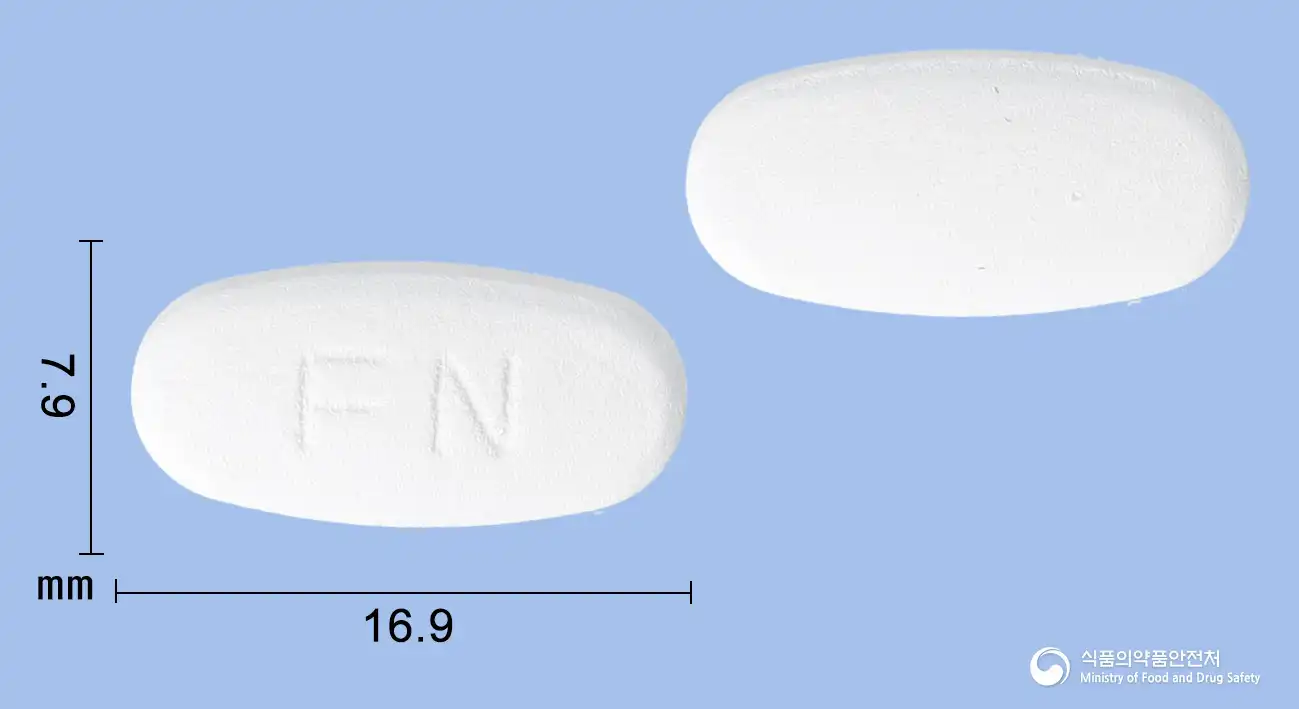 Combination
Fenofibrate Micronized 160mg · Pitavastatin Calcium 2mg
Tablet · Prescription medication · Combination
Genupharm Co., Ltd.
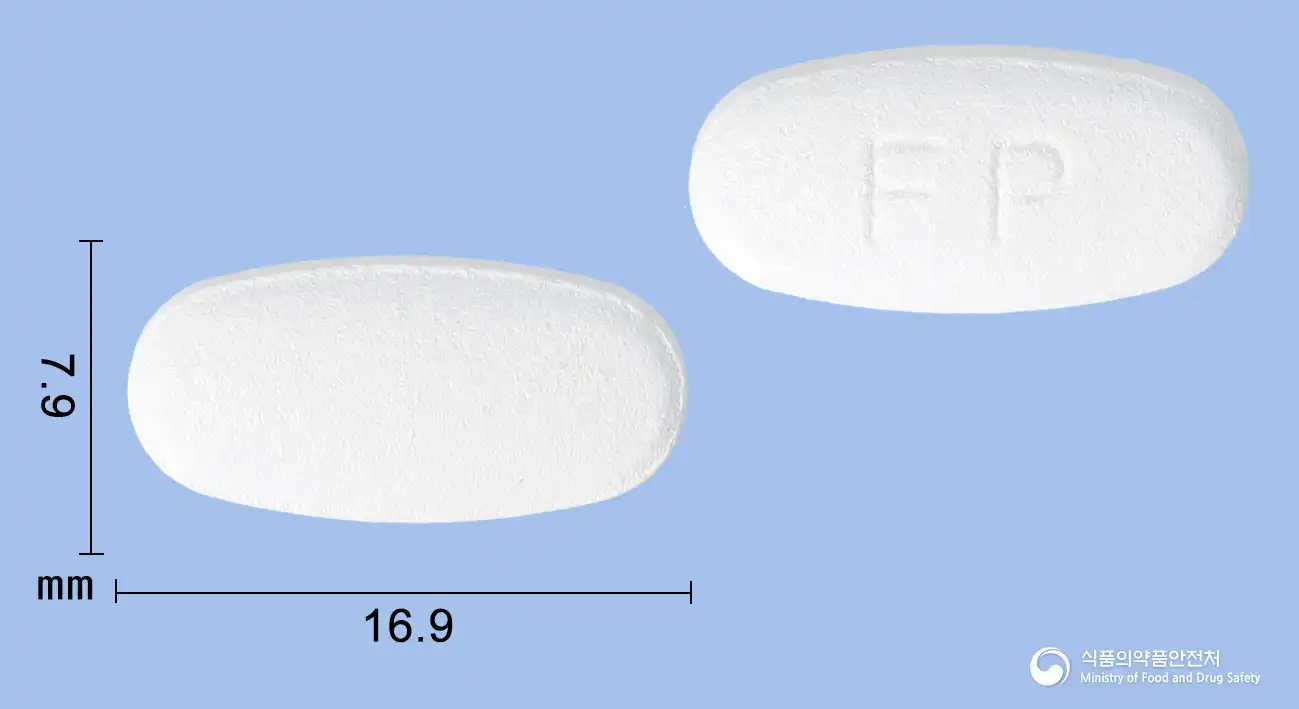 Combination
Fenofibrate Micronized 160mg · Pitavastatin Calcium 2mg
Tablet · Prescription medication · Combination
(Co., Ltd.) Jongkundang
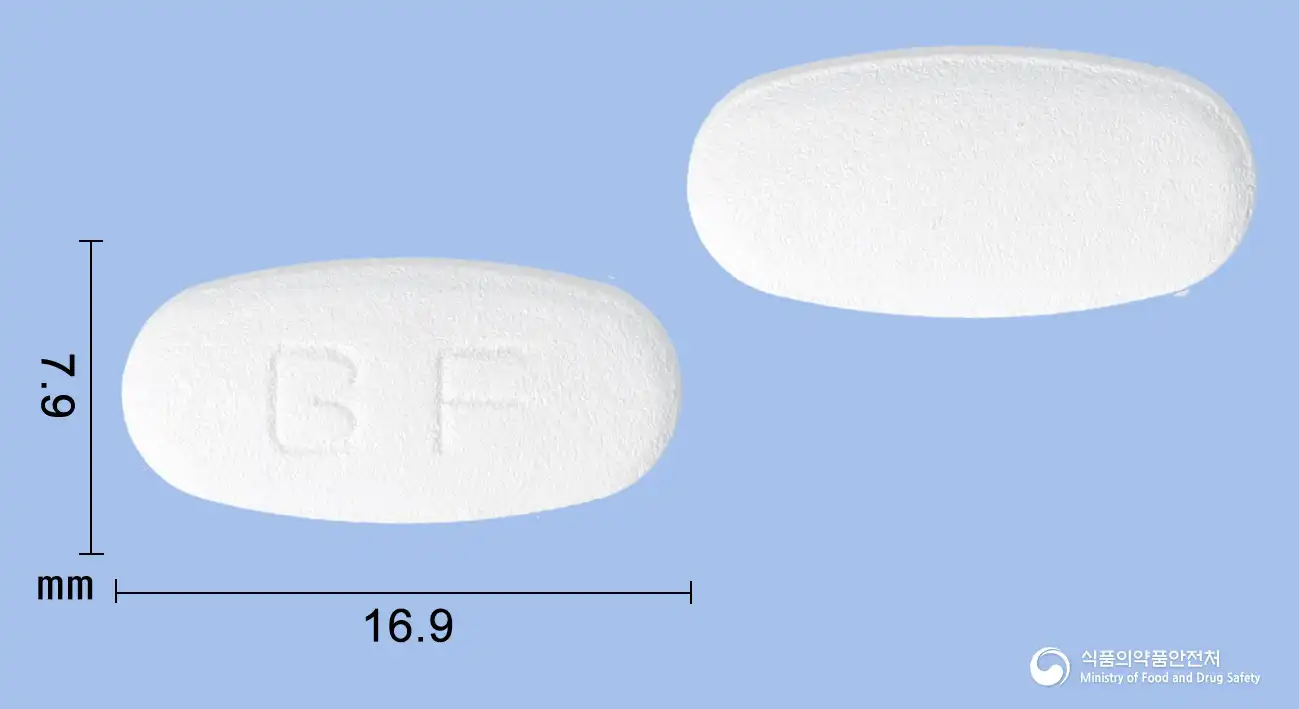 Combination
Fenofibrate Micronized 160mg · Pitavastatin Calcium 2mg
Tablet · Prescription medication · Combination
(Co., Ltd.) Daewoong Pharmaceutical
Even with the same ingredient, the dose and directions can differ by strength and dosage form. Talk to a doctor or pharmacist before switching from a medication you are already taking.
No questions yet.
For anything that needs medical judgment, consult a doctor or pharmacist.
This drug information is based on data provided by the Korea Ministry of Food and Drug Safety.
Consult a doctor or pharmacist for accurate dosage, administration, and usage instructions.