
 한국어
한국어 English
 日本語
日本語 中文(简体)
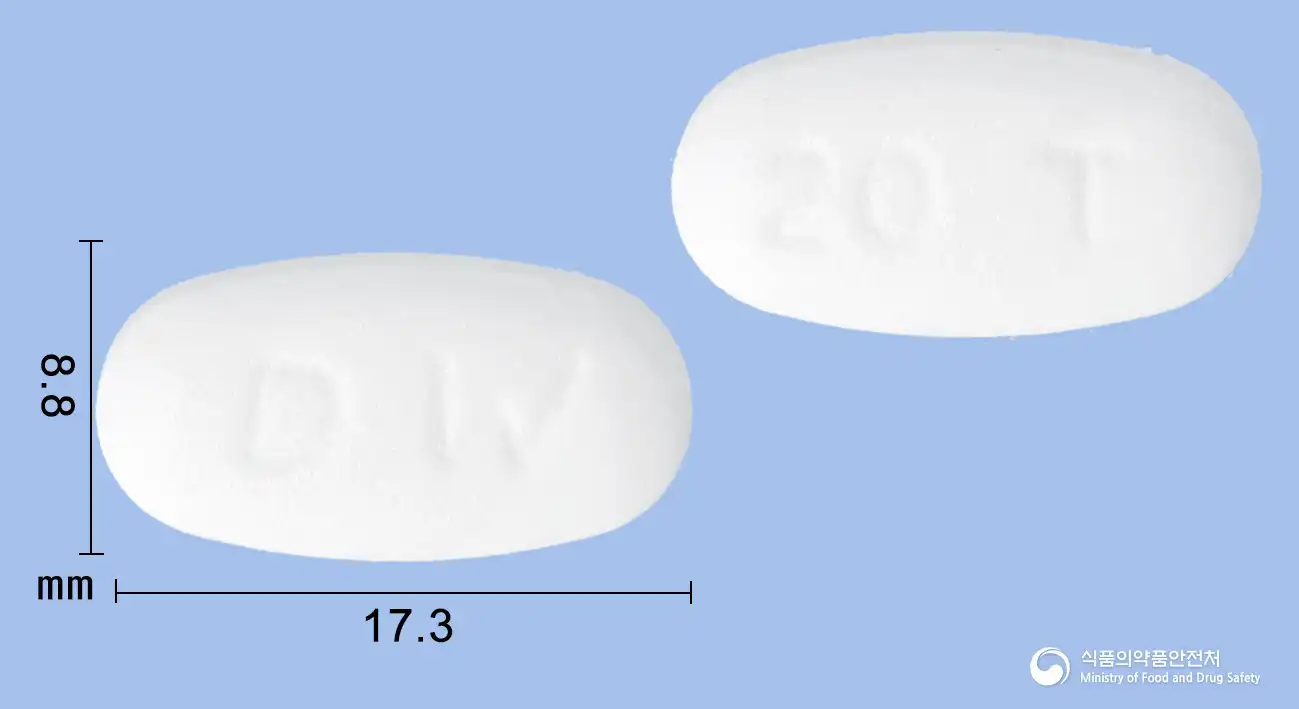 Viewing nowCombination
Clean-Clean Tablet
Sodium Picosulfate Hydrate 1mg · Simethicone 16mg +3 more
Tablet · Prescription medication · Combination
Daewoong Pharmaceutical Co., Ltd.
MFDS item code 202501006 · Approved 2025.04.28
Bowel cleansing effect for preparatory treatment before colon examination
This medication is used as a bowel cleansing agent to prepare the bowel for colon X-ray or endoscopic examination. It effectively removes the contents of the bowel, ensuring that the examination can be conducted accurately. It helps to safely and quickly empty the bowel, facilitating smooth preparation for the examination.
1) The day before the examination On the evening of the day before the examination, take 10 tablets of this medication with 425 mL of water, and then take an additional 425 mL of water twice more over the following hour. 2) On the day of the examination After taking the medication on the evening before the examination, 10 to 12 hours later on the morning of the examination, take an additional 10 tablets of this medication with 425 mL of water, and then take another 425 mL of water twice more over the following hour. At least 2 hours before the examination or until the time instructed by the doctor, complete the dosage of this medication.
This medication should not be used in individuals who are allergic to this medication or its ingredients. It should not be administered to patients with suspected gastrointestinal obstruction or perforation, patients with poor gastric motility, or patients with bowel obstruction. It is contraindicated in patients with advancing cancer, severe inflammation of the colon, severely impaired renal function, severe dehydration, ascites, congestive heart failure, unconscious patients, children, patients with unexplained abdominal pain, patients with gastrointestinal ulcers, patients with nausea and vomiting, patients requiring acute abdominal surgery, severely damaged muscle patients, and patients with active inflammatory bowel disease. Patients with severe fluid and blood test abnormalities, those with a history of seizures or at high risk for seizures, patients at risk for arrhythmias, patients with diminished renal function, or those taking medications affecting renal function, patients with colonic mucosal ulcers or ischemic colitis, patients with severe ulcerative colitis, patients with impaired gag reflex or altered consciousness, patients with dysphagia, patients with narrowed intestines or severe constipation, elderly or frail patients, patients with significant abdominal distention or abdominal pain, patients with irritable bowel syndrome, patients with heart disease, patients with diabetes insipidus, patients who have recently undergone gastrointestinal surgery, and those taking medications that affect fluid or electrolyte balance should use this medication cautiously. As this medication may induce diarrhea after administration, adequate hydration is necessary. If nausea or dehydration symptoms appear after taking the medication, electrolyte and kidney function tests should be conducted, as electrolyte imbalances may lead to cardiac arrhythmias or seizures and kidney issues. Patients with electrolyte imbalances must normalize these before taking the medication, and patients at high risk or those on related medications should be especially cautious. Even in patients without a history of seizures, rare reports of seizures or loss of consciousness have occurred; hence, caution is needed when administering to patients at high risk of seizures. This medication may temporarily raise serum uric acid levels, potentially triggering acute gout attacks in gout patients, requiring caution. For patients at high risk for arrhythmias, an electrocardiogram may be considered; those with impaired renal function or taking medications affecting renal function need to ensure adequate hydration and undergo testing. This medication may cause ulcers in the colonic mucosa; the risk of damage may increase if taken with irritant laxatives, so concomitant use should be avoided. It should not be administered if gastrointestinal obstruction or perforation is suspected, and it should be used cautiously only if the benefits outweigh the risks before colon surgery. This medication should not be used as a general laxative and poses a risk of fluid and electrolyte imbalances with prolonged use, so it should not be taken for more than 24 hours. Not adhering to the specified amount of water during ingestion increases the risks of nausea, vomiting, dehydration, and electrolyte disturbances. On the day prior to the examination and on the day of the examination, only light meals or clear liquids should be ingested. The impact of this medication on driving or operating machinery is not known. Care should be taken when taking this medication with other drugs that have a high risk of fluid or electrolyte imbalance; orally ingested medications taken within an hour of this medication may be absorbed poorly due to its use. The risk of colonic mucosal damage increases with the concomitant use of irritant laxatives, so such combinations should be avoided. It should only be administered to pregnant women when the diagnostic benefits outweigh the risks, and caution is required when administered to breastfeeding mothers. Safety and efficacy in children have not been established, so it is not administered to them. Elderly patients may have increased sensitivity to the medication, so caution is necessary. In cases of overdose, serious electrolyte disturbances such as dehydration, reduced blood volume, hyponatremia, and hypokalemia may occur; therefore, symptoms should be monitored closely, and appropriate treatment should be taken if overdose occurs. This medication should be stored out of the reach of children, and it is advisable to keep it in its original container to prevent quality degradation.
Not everyone experiences these, and they can vary from person to person.
This medication should be stored in a tightly sealed container to prevent exposure to air or moisture, and it is safer to store it at room temperature between 1 degree and 30 degrees Celsius. Therefore, it is important to avoid direct sunlight and store it at suitable temperatures to maintain the medication's effectiveness and prevent deterioration.
White to whitish oval film-coated tablet
20 tablets/bottle
Even with the same ingredient, strength, dosage form and how it is taken can differ.
Viewing nowCombinationSodium Picosulfate Hydrate 1mg · Simethicone 16mg +3 more
Tablet · Prescription medication · Combination
Daewoong Pharmaceutical Co., Ltd.
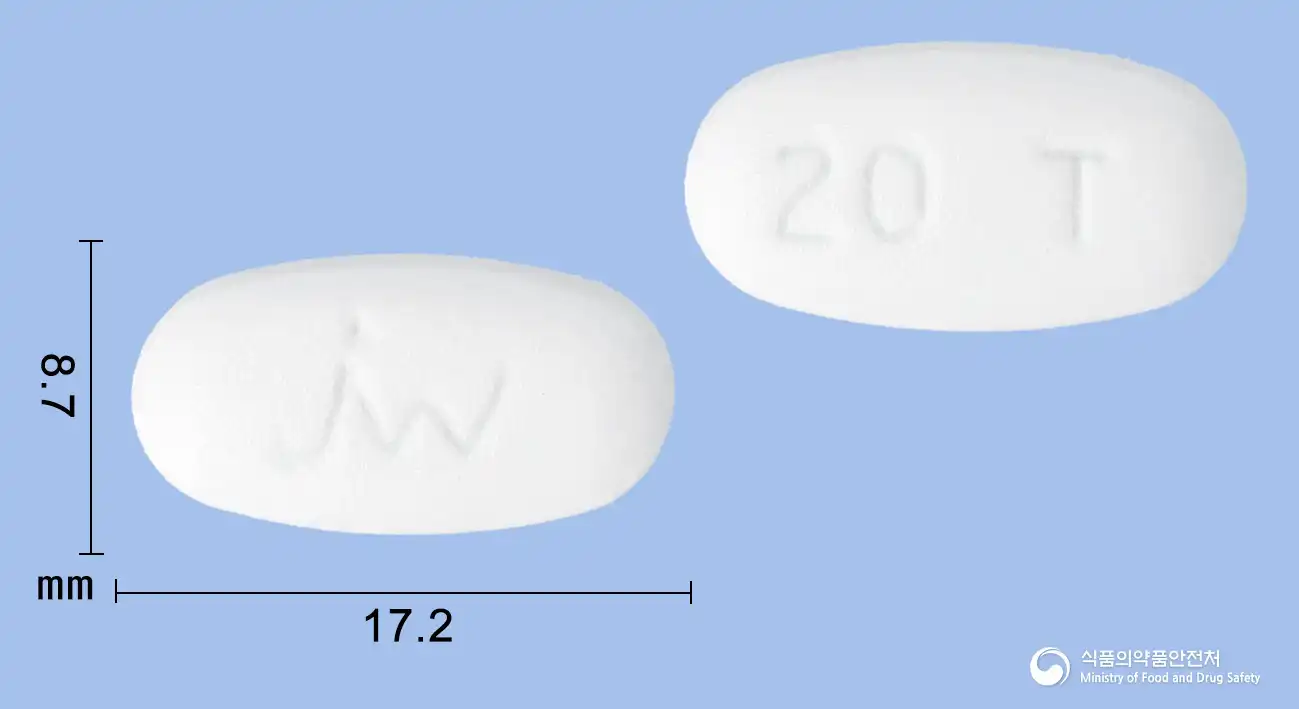 Combination
Sodium Picosulfate Hydrate 1mg · Simethicone 16mg +3 more
Tablet · Prescription medication · Combination
JW Pharmaceutical Corp.
Even with the same ingredient, the dose and directions can differ by strength and dosage form. Talk to a doctor or pharmacist before switching from a medication you are already taking.
No questions yet.
For anything that needs medical judgment, consult a doctor or pharmacist.
This drug information is based on data provided by the Korea Ministry of Food and Drug Safety.
Consult a doctor or pharmacist for accurate dosage, administration, and usage instructions.