
 한국어
 English
 日本語
 中文(简体)
 Viewing now
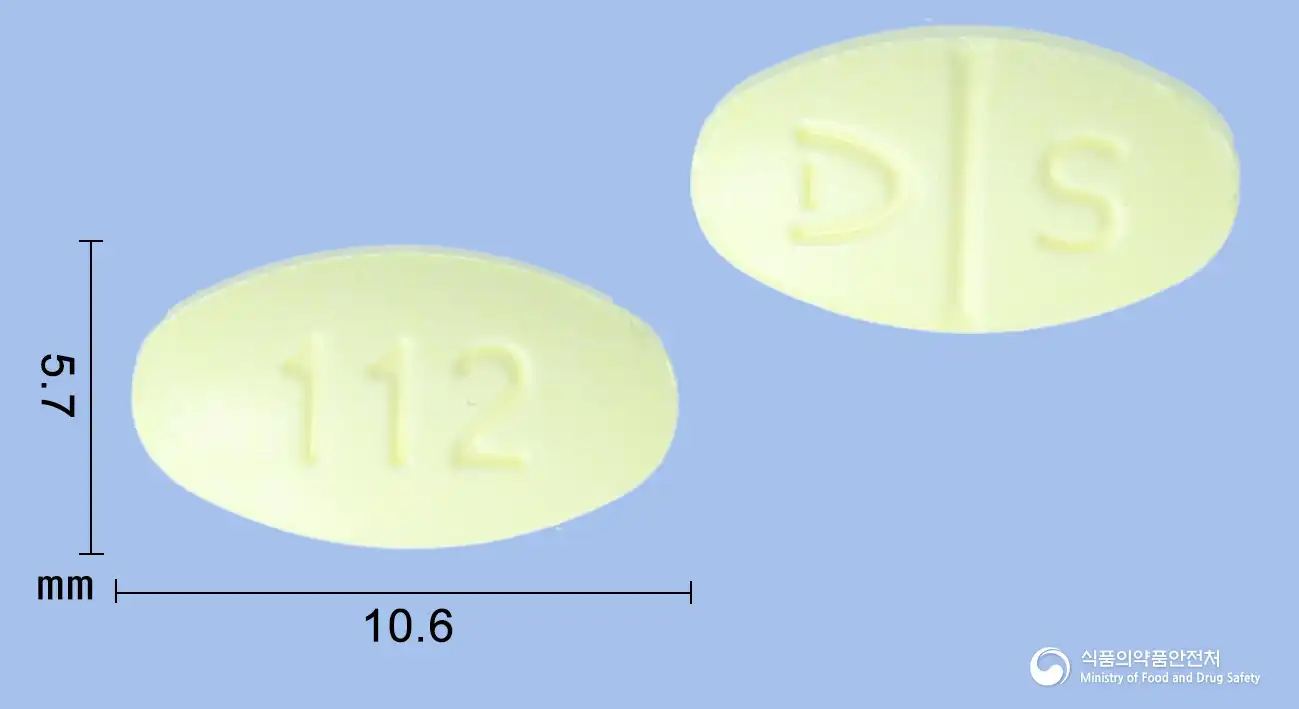
Sinjiroxine Tablets 112 Micrograms (Levothyroxine Sodium Hydrate)
Levothyroxine Sodium Hydrate 0.15mg
Tablet · Prescription medication
(Co., Ltd.) Darim Biotech
MFDS item code 202500938 · Approved 2025.04.21 · Insurance code 664602850
Treatment of hypothyroidism, myxedema, and cretinism
This medication is used to treat conditions caused by hypothyroidism, such as hypothyroidism, myxedema, and cretinism.
Adults: The usual dose is 25-400㎍ of levothyroxine sodium orally once daily. The usual initial dose is 25-100㎍, and the maintenance dose is 100-400㎍. The dose may be adjusted as appropriate according to age and symptoms.
This medication should not be used by individuals with normal thyroid function for weight loss purposes. Serious side effects that may be life-threatening can occur if this medication is taken with sympathomimetic amines that have appetite-suppressing effects. Patients with acute myocardial infarction, acute myocarditis, acute transmural myocarditis, severe angina, heart failure with tachycardia, myocarditis, hyperthyroidism, adrenal insufficiency prior to treatment, thyroid toxic patients, or those who are allergic to this medication should not take it. Additionally, this medication contains lactose, so patients with genetic issues such as galactose intolerance, Lapp lactase deficiency, or glucose-galactose malabsorption should also avoid it. Patients with cardiovascular diseases such as hypertension, angina, transmural myocardial infarction, arteriosclerosis, and coronary artery disease should use this medication carefully and start with a lower dose, gradually increasing it. Diabetic patients also need to be cautious as their blood sugar control may change. Elderly patients or those with severe or long-term hypothyroidism also require careful dosing. Overdose of this medication can lead to various side effects such as heart-related symptoms like palpitations, increased pulse, arrhythmias, angina, mental symptoms such as insomnia, headache, anxiety, appetite loss, vomiting, diarrhea, muscle pain, weight loss, skin flushing, and more. If hypersensitivity occurs, stop taking it immediately. Liver dysfunction may occur, so if there are symptoms such as fever or malaise, or abnormalities in liver function tests, appropriate measures should be taken. It is advisable to start with a small dose and gradually increase it for patients with hypothyroidism, and diabetic patients may need to adjust insulin or antidiabetic medication doses. Patients with cardiovascular disease should reduce the dosage if they experience chest pain or worsening symptoms. Patients taking biotin may affect thyroid function test results, so it is recommended to stop taking it at least 2 days before the test. This medication can interact with various drugs, particularly cautions are needed when taken with anticoagulants, sympathomimetics, cardiac glycosides, antidiabetic agents, antacids, anticonvulsants, estrogens, beta-blockers, etc., and dosage adjustments and monitoring are necessary according to a physician's instructions. Treatment should not be discontinued during pregnancy, and caution is needed while breastfeeding. In children, treatment for hypothyroidism should be initiated as soon as possible, and it is important to maintain appropriate dosage as overtreatment may affect growth. Elderly patients should start at a lower dose and gradually increase to reduce heart burden. In case of overdose, emergency measures such as inducing vomiting, gastric lavage, and administration of adsorbents may be necessary, and adequate treatment such as oxygen supply and administration of beta-blockers or cardiotonics may be required for severe symptoms.
Not everyone experiences these, and they can vary from person to person.
This medication may be sensitive to light, so it should be stored in a container that blocks light. Additionally, it is important to maintain a storage temperature between 1 degree Celsius and 25 degrees Celsius to preserve its effectiveness.
Pale yellow oval tablets
100 tablets/bottle
Even with the same ingredient, strength, dosage form and how it is taken can differ.
Viewing nowLevothyroxine Sodium Hydrate 0.15mg
Tablet · Prescription medication
(Co., Ltd.) Darim Biotech
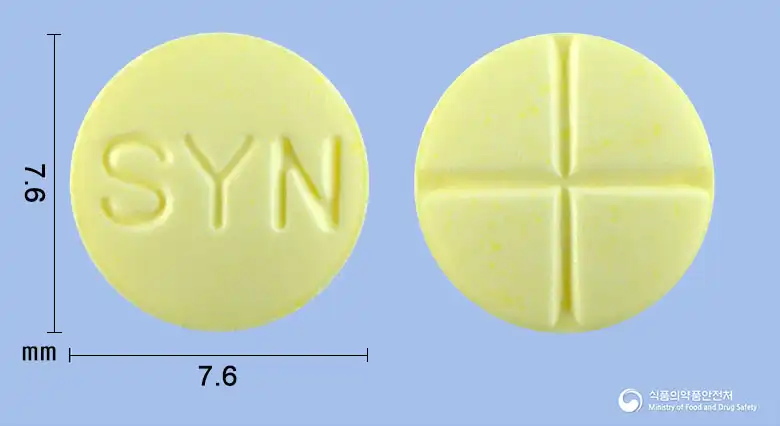
Levothyroxine Sodium Hydrate 0.1mg
Tablet · Prescription medication
Bukwang Pharmaceutical Co., Ltd.
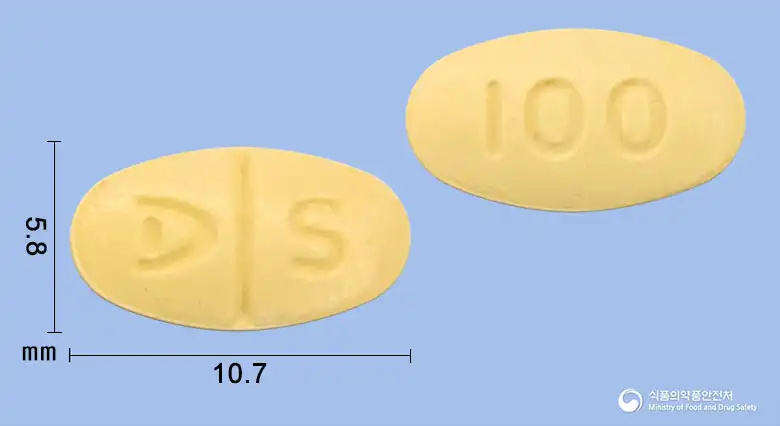
Levothyroxine Sodium Hydrate 0.1mg
Tablet · Prescription medication
Darim Biotech Co., Ltd.
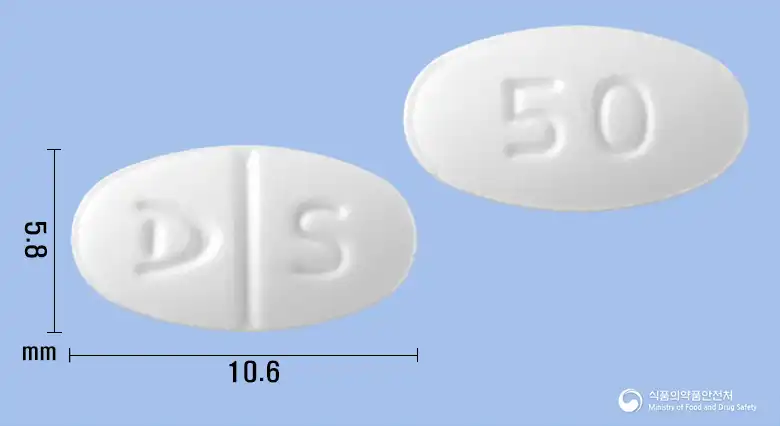
Levothyroxine Sodium Hydrate 0.05mg
Tablet · Prescription medication
Darim Biotech Co., Ltd.
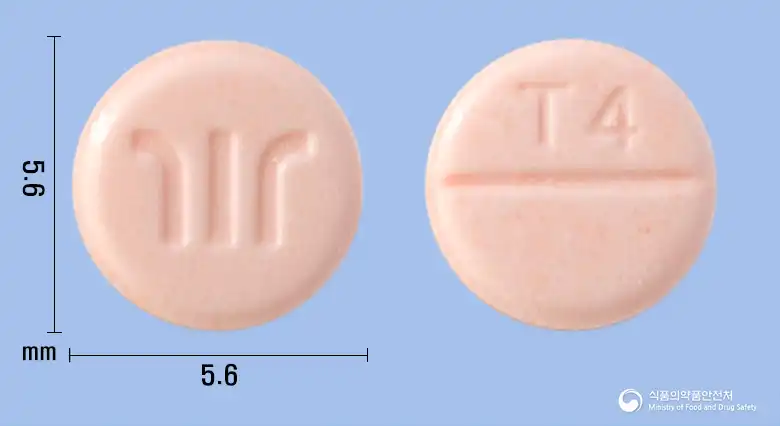
Levothyroxine Sodium Hydrate 0.05mg
Tablet · Prescription medication
Bukwang Pharmaceutical Co., Ltd.
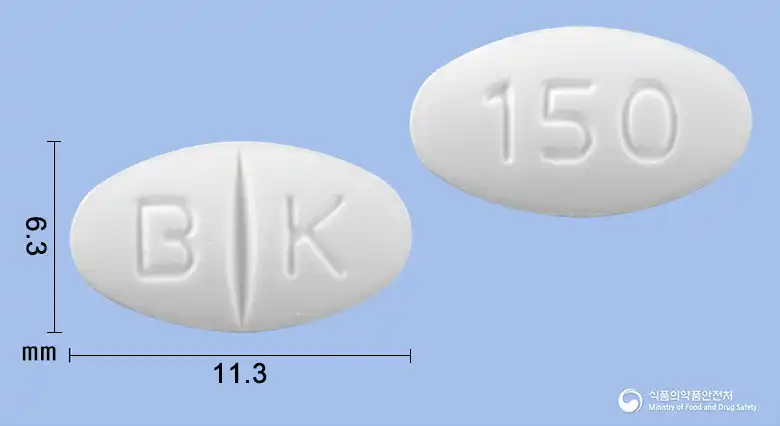
Levothyroxine Sodium Hydrate 0.15mg
Tablet · Prescription medication
Bukwang Pharmaceutical Co., Ltd.
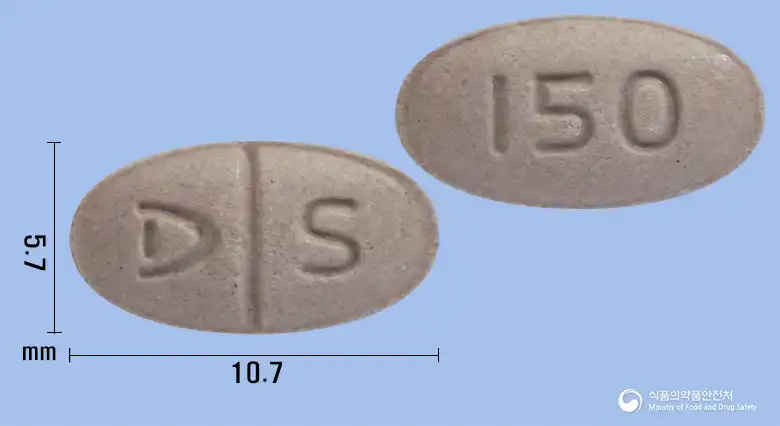
Levothyroxine Sodium Hydrate 0.15mg
Tablet · Prescription medication
Darim Biotech Co., Ltd.
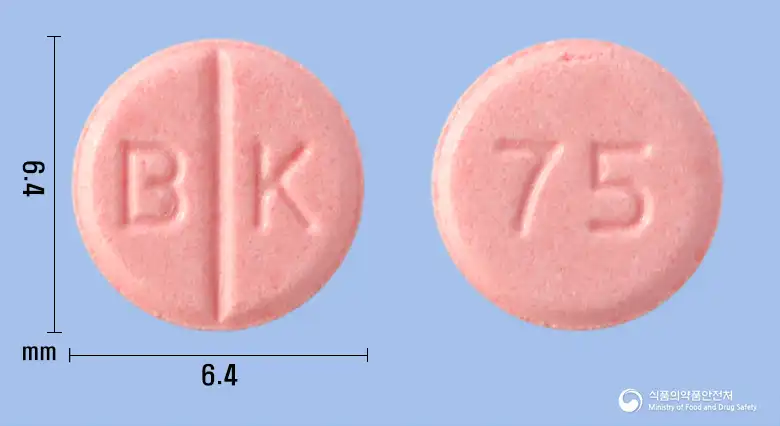
Levothyroxine Sodium Hydrate 0.075mg
Tablet · Prescription medication
Bukwang Pharmaceutical Co., Ltd.
Even with the same ingredient, the dose and directions can differ by strength and dosage form. Talk to a doctor or pharmacist before switching from a medication you are already taking.
No questions yet.
For anything that needs medical judgment, consult a doctor or pharmacist.
This drug information is based on data provided by the Korea Ministry of Food and Drug Safety.
Consult a doctor or pharmacist for accurate dosage, administration, and usage instructions.