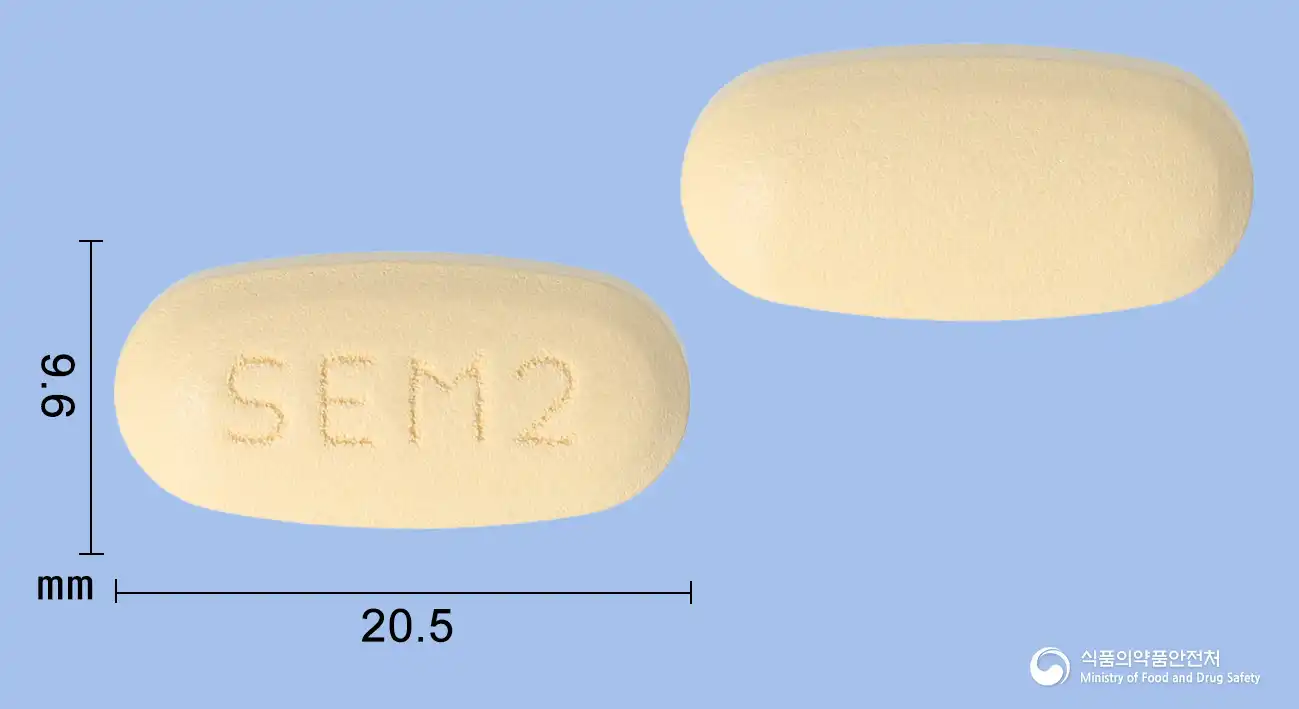
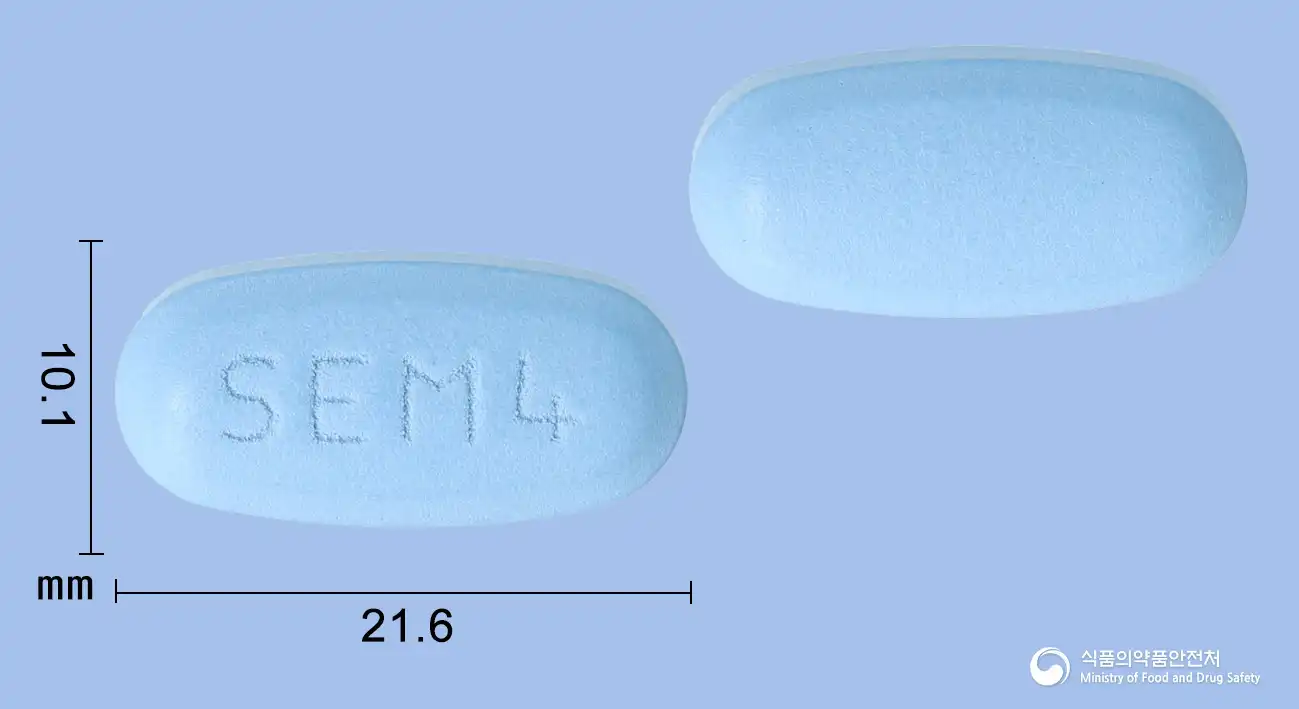
Improvement in blood glucose control in type 2 diabetes
Who takes it
Adults
Adult dose
The recommended dosage for this medication is 25 mg of empagliflozin and 100 mg of sitagliptin, with the sustained-release metformin hydrochloride not exceeding 2000 mg.
It should be taken once daily at dinner, with gradual dosage adjustments.
For 25/100/1000 mg and 10/100/1000 mg sustained-release tablets, take 1 tablet once daily.
For 12.5/50/750 mg and 5/50/750 mg.
Improvement in blood glucose control in type 2 diabetes
View approved original textHide original text
This medication helps patients with type 2 diabetes improve blood glucose control. It is particularly suitable for adult patients who combine diet and exercise therapy, effectively managing blood glucose levels through a combination of three ingredients: empagliflozin, sitagliptin, and metformin. This supports stable maintenance of blood glucose levels and diabetes management.
How to take
Adult dose
The recommended dosage for this medication is 25 mg of empagliflozin and 100 mg of sitagliptin, with the sustained-release metformin hydrochloride not exceeding 2000 mg.
It should be taken once daily at dinner, with gradual dosage adjustments.
For 25/100/1000 mg and 10/100/1000 mg sustained-release tablets, take 1 tablet once daily.
For 12.5/50/750 mg and 5/50/750 mg.
Precautions
This medication contains sitagliptin, empagliflozin, and metformin.
Firstly, the sitagliptin component can rarely cause serious allergic reactions, so if symptoms such as skin rash, difficulty breathing, or swelling of the face or neck occur after taking the medication, it should be discontinued immediately, and a doctor should be consulted.
Moreover, sitagliptin can lead to acute pancreatitis, a serious side effect characterized by inflammation of the pancreas, so if symptoms such as abdominal pain, vomiting, or nausea occur, the patient should go to the hospital immediately.
The metformin component can rarely cause lactic acidosis, a very dangerous condition, so if symptoms such as shortness of breath, muscle pain, fatigue, abdominal pain, or vomiting occur, the medication should be stopped immediately and emergency treatment sought.
This medication should not be used in patients with type 1 diabetes, severely impaired kidney function, severe liver disease, acute heart failure, or serious infections or dehydration.
Especially before and after tests using radiocontrast agents, this medication should be temporarily discontinued, and it should be resumed only after confirming normal kidney function post-examination.
Elderly patients or those with slightly impaired kidney function should undergo regular kidney function tests, and dosage adjustment or discontinuation may be considered if necessary.
This medication has glucose-lowering effects, so caution is needed when taken with insulin or other glucose-lowering agents, as hypoglycemic symptoms may occur.
Additionally, this medication can increase the risk of genital infections and urinary tract infections, so prompt treatment should be sought if symptoms of infection arise.
Symptoms of low blood pressure and dehydration can also occur due to fluid loss, so caution should be exercised to avoid dehydration from diarrhea or vomiting.
If sudden joint pain or blistering skin conditions occur during medication use, a doctor should be informed immediately, and the medication may need to be discontinued if necessary.
It is safe not to use this medication during pregnancy or in cases of severe liver dysfunction.
While taking this medication, regular blood tests and physical examinations should be performed to monitor for adverse reactions, and if any abnormal symptoms occur, immediate consultation with medical personnel is recommended.
Side effects and when to seek care immediately
Serious side effects
Hives, severe swelling (edema), angioedema, chest tightness, difficulty breathing, cold sweat, pallor, severe rash with high fever, blisters, skin peeling, sores in the mouth/eye mucosa, shortness of breath or difficulty breathing, asthma attacks, respiratory abnormalities accompanied by cough and fever, yellowing of the skin or eyes (jaundice), extreme lethargy, sudden and severe headache, thunderclap headache, seizures, confusion, visual disturbances.
Mild side effects
Hypoglycemia
indigestion
vomiting
diarrhea
abdominal pain
sweating
headache
dizziness
weakness
rash
Show 23 moreCollapse
itching
hives
angioedema
genital infection
influenza
nasopharyngitis
periodontitis
dental abscess
perforated appendicitis
hemorrhoids
increased blood glucose
weight loss
eyelid spasm
diabetic retinopathy
keratitis
vitreous hemorrhage
angle closure
hypoglycemia
biliary obstruction
insomnia
frequent urination
sleep apnea syndrome
artificial fixation.
Not everyone experiences these, and they can vary from person to person.
Storage
This medication may be sensitive to air and moisture, so it should be stored in a sealed container. Additionally, it is best to keep it at room temperature between 1°C and 30°C, avoiding extremely hot or cold conditions.
Even with the same ingredient, the dose and directions can differ by strength and dosage form. Talk to a doctor or pharmacist before switching from a medication you are already taking.
Questions about this medicine
No questions yet.
For anything that needs medical judgment, consult a doctor or pharmacist.
This drug information is based on data provided by the Korea Ministry of Food and Drug Safety. Consult a doctor or pharmacist for accurate dosage, administration, and usage instructions.

 한국어
한국어 English
 日本語
日本語 中文(简体)