Improvement of blood glucose control in adults with type 2 diabetes
Who takes it
Adults
Adult dose
For patients taking this medication 25/100/1000 mg or 10/100/1000 mg extended-release tablets, the recommended dose is one tablet once a day.
For patients taking this medication 12.5/50/750 mg or 5/50/750 mg extended-release tablets, the recommended dose is two tablets taken simultaneously once a day.
This medication should be taken with food in the evening once a day to reduce gastrointestinal side effects caused by metformin, and only after stabilizing initial doses.
Improvement of blood glucose control in adults with type 2 diabetes
View approved original textHide original text
This medication is used to improve blood glucose control in adult patients with type 2 diabetes and is best used in conjunction with diet and exercise therapies. Empagliflozin, sitagliptin, and metformin work together to effectively control blood sugar levels. As a result, blood glucose levels are stabilized, aiding in diabetes management. If taken safely and consistently, positive effects on blood glucose control can be expected.
How to take
Adult dose
For patients taking this medication 25/100/1000 mg or 10/100/1000 mg extended-release tablets, the recommended dose is one tablet once a day.
For patients taking this medication 12.5/50/750 mg or 5/50/750 mg extended-release tablets, the recommended dose is two tablets taken simultaneously once a day.
This medication should be taken with food in the evening once a day to reduce gastrointestinal side effects caused by metformin, and only after stabilizing initial doses.
Precautions
This medication contains sitagliptin, empagliflozin, and metformin, which help improve blood glucose control.
Sitagliptin may rarely cause serious allergic reactions, so if symptoms like skin rash or difficulty breathing occur, usage must be stopped immediately and a doctor should be consulted.
Furthermore, acute pancreatitis may occur, so if symptoms such as abdominal pain or vomiting appear, healthcare personnel should be informed immediately.
Metformin may rarely cause a serious side effect known as lactic acidosis, so if symptoms like sudden fatigue, muscle pain, or difficulty breathing appear, a hospital visit is required immediately.
This medication should not be used in patients with type 1 diabetes, severe renal impairment, acute heart failure, or severe infections.
Especially in cases of impaired renal function, kidney function tests should be performed before administration, and if necessary, dose adjustments or cessation of therapy should be considered.
Additionally, if surgery or iodinated contrast examinations are planned, discontinuation of this medication should occur 48 hours prior to the examination and it should only be resumed once renal function has been confirmed to be normal.
There is a risk of hypoglycemia with this medication, so blood glucose changes should be closely monitored when taken alongside insulin or sulfonylureas.
Infections may occur during treatment, particularly urinary tract infections or genital infections, so prompt treatment should be sought if relevant symptoms arise.
Dehydration or hypotension may pose risks due to fluid loss, so patients with dehydration symptoms or the elderly should exercise caution.
Patients with liver dysfunction should avoid this medication, and excessive alcohol consumption should also be avoided.
Regular blood tests and kidney function assessments are crucial while taking this medication to detect and manage adverse reactions early.
If blisters or severe joint pain occur, it is important to inform a doctor immediately as such symptoms may necessitate drug discontinuation.
Caution is advised when driving or operating machinery due to the risk of hypoglycemia, particularly if used with insulin or sulfonylureas.
Side effects and when to seek care immediately
Serious side effects
Urticaria
angioedema
anaphylaxis
Stevens-Johnson syndrome
exfoliative dermatopathy
acute pancreatitis
hemorrhagic pancreatitis
necrotizing pancreatitis
lactic acidosis
severe allergic reactions
Show 14 moreCollapse
severe skin adverse reactions
difficulty breathing
respiratory problems
liver abnormalities (jaundice)
sudden and severe headache
seizures
consciousness confusion
vision abnormalities
paralysis
significant decrease in urine output
severe edema
increased blood pressure
perineal necrosis
urosepsis.
Mild side effects
Headache
diarrhea
nausea
vomiting
dyspepsia
abdominal pain
constipation
erosive gastritis
alcoholic gastritis
gastritis
Show 21 moreCollapse
gastric ulcer
gastroesophageal reflux disease
dry mouth
periodontitis
dental abscess
vaginal infections
vulvar itching
genital itching
rash
dermatitis
itching
urticaria
angioedema
weakness
fatigue
weight loss
hypoglycemia
hyperglycemia
fluid volume reduction
increased serum creatinine
decreased glomerular filtration rate.
Not everyone experiences these, and they can vary from person to person.
Storage
This medication may be sensitive to air and moisture, so it should be stored in a tightly sealed container. It is best to maintain storage temperatures between 1 and 30 degrees Celsius at room temperature. This will help preserve the medication's effectiveness for a longer period.
Appearance and packaging
Appearance
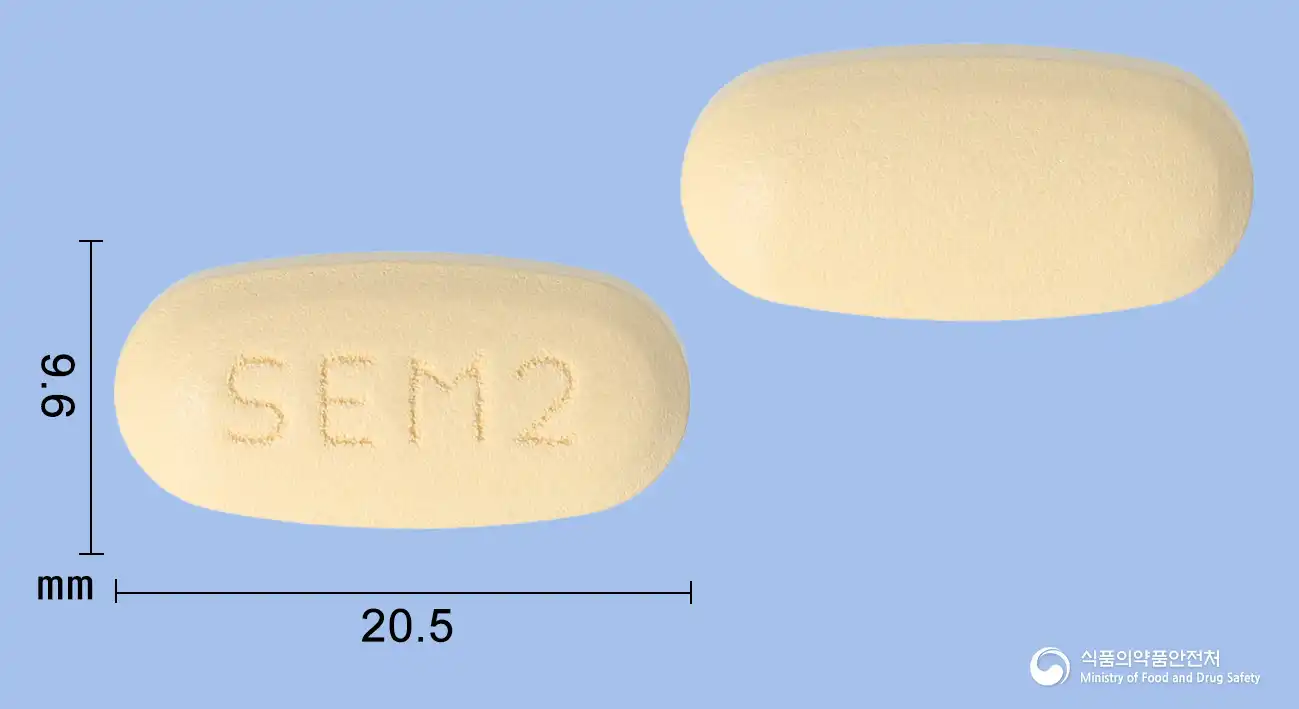
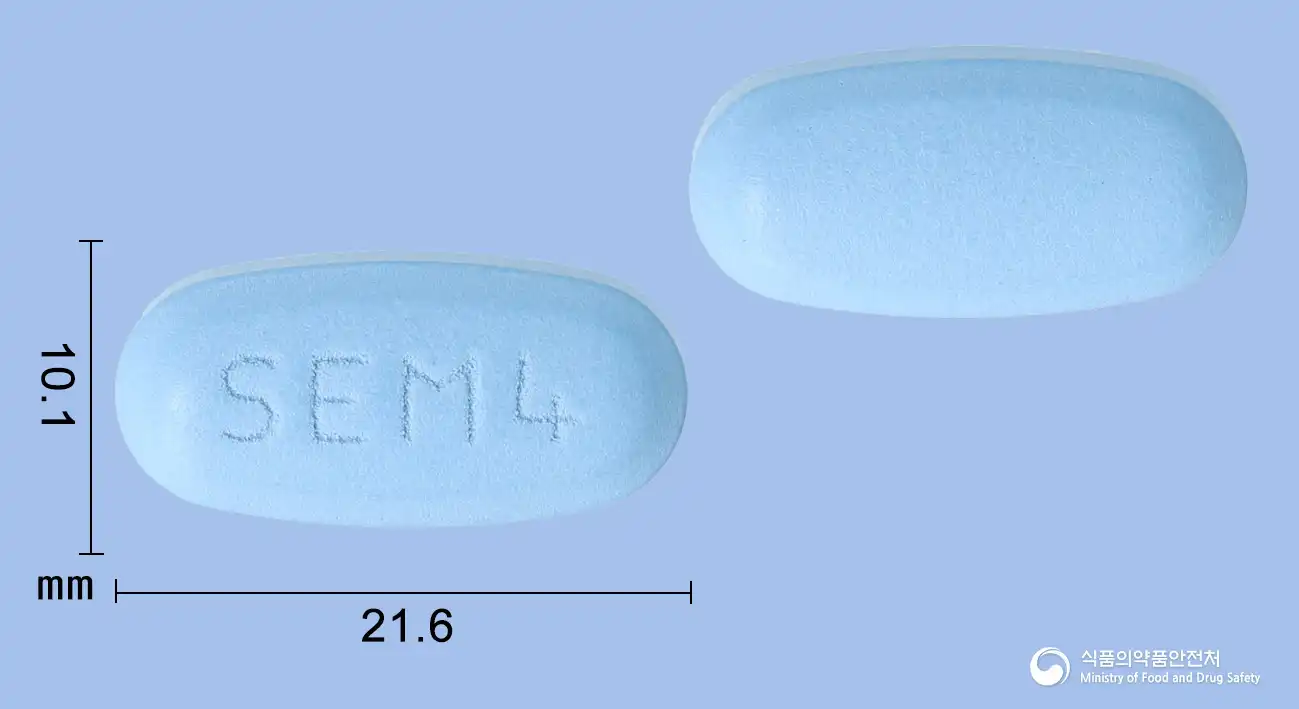
Blue double convex oval extended-release film-coated tablet
Package unit
30 tablets/bottle
Same-ingredient medicines
Even with the same ingredient, strength, dosage form and how it is taken can differ.
Even with the same ingredient, the dose and directions can differ by strength and dosage form. Talk to a doctor or pharmacist before switching from a medication you are already taking.
Questions about this medicine
No questions yet.
For anything that needs medical judgment, consult a doctor or pharmacist.
This drug information is based on data provided by the Korea Ministry of Food and Drug Safety. Consult a doctor or pharmacist for accurate dosage, administration, and usage instructions.

 한국어
한국어 English
 日本語
日本語 中文(简体)
 Viewing nowCombination