
 한국어
한국어 English
 日本語
日本語 中文(简体)
 Viewing nowCombination
Telmisartan and Amlodipine Besilate Tablets 80/10 mg
Telmisartan 80mg · Amlodipine Besylate 13.87mg
Prescription medication · Combination
Jeil Health Science Co., Ltd.
MFDS item code 202500848 · Approved 2025.04.10 · Insurance code 054301400
Improvement in blood pressure control for essential hypertension
Essential hypertension refers to a condition where blood pressure remains consistently high. If blood pressure is not sufficiently controlled with telmisartan or amlodipine monotherapy, this medication helps lower blood pressure effectively and reduce the risk of cardiovascular diseases. Therefore, this medication is used for the treatment of essential hypertension.
The recommended dose of this medication is 1 tablet once a day, to be taken with water regardless of meals. It is advised to take it at the same time each day (e.g., in the morning). In patients with severe renal impairment, initiate treatment with a lower dose and gradually increase it. For patients with liver impairment, the daily dosage should not exceed 40 mg. In the elderly (75 years and over), start treatment with a lower dose and adjust as necessary.
Administration to pediatric patients under 18 years of age is not recommended.
This medication can pose serious risks to the fetus and newborn during pregnancy, especially in the second and third trimesters, so it should not be taken by pregnant women or women who may become pregnant. It should not be administered to patients with allergies to the ingredients or similar drugs, or those with specific liver dysfunction, heart valve disease, or severe hypotension. Patients with impaired liver or kidney function, particularly those with severe liver or kidney disorders, require closer monitoring and potential dose adjustments when using this medication. As this medication lowers blood pressure, it can cause hypotension in patients with depletion of fluids or salt, so assessing and monitoring the condition before administration is important. There is a risk of elevated potassium levels in the blood; thus, patients at risk for hyperkalemia should have their potassium levels checked regularly through blood tests. This medication may interact with certain drugs, so if taking other medications, it is important to consult with a doctor or pharmacist, especially when taken with digoxin, lithium, warfarin, or non-steroidal anti-inflammatory drugs. The safety and efficacy of this medication have not been established in children, so it is not recommended for pediatric use. When administered to elderly patients, careful monitoring is required as they may respond more sensitively, and dosage adjustments may be needed. In case of overdose, symptoms such as low blood pressure, dizziness, and changes in heart rate may occur, requiring immediate medical attention and appropriate emergency treatment if necessary. Patients may experience drowsiness or dizziness during treatment, so caution is needed when driving or operating hazardous machinery. Keep out of reach of children, and it is best to take the product out of its packaging just before administration.
Urticaria, angioedema (with fatal outcomes), Stevens-Johnson syndrome, photosensitivity reactions, exfoliative dermatitis, toxic epidermal necrolysis, anaphylactic reactions, sepsis (including fatal outcomes), hepatitis, jaundice, liver function abnormalities, liver impairment, myocardial infarction, ventricular tachycardia, arrhythmias, atrial fibrillation, vasculitis, respiratory distress, interstitial lung disease, renal function impairment (including acute renal failure), syncope, cerebral infarction, congestive heart failure, intestinal vascular edema
Not everyone experiences these, and they can vary from person to person.
This medication is sensitive to light and should be stored in a tightly closed container that protects from light. It is recommended to maintain room temperature between 1 and 30 degrees Celsius to preserve the effectiveness of the medication.
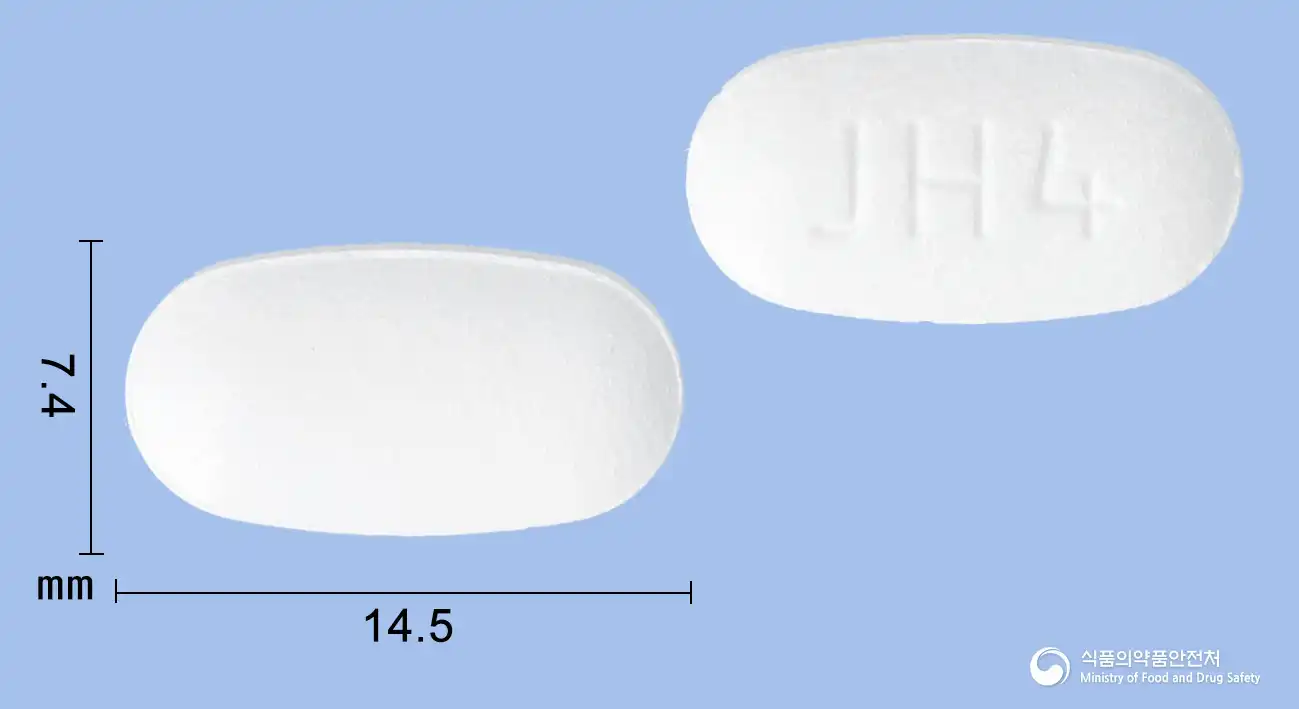
White oval biconvex film-coated tablet
30 tablets (10 tablets/PTPX3), 30 tablets/bottle
Even with the same ingredient, strength, dosage form and how it is taken can differ.
Viewing nowCombinationTelmisartan 80mg · Amlodipine Besylate 13.87mg
Prescription medication · Combination
Jeil Health Science Co., Ltd.
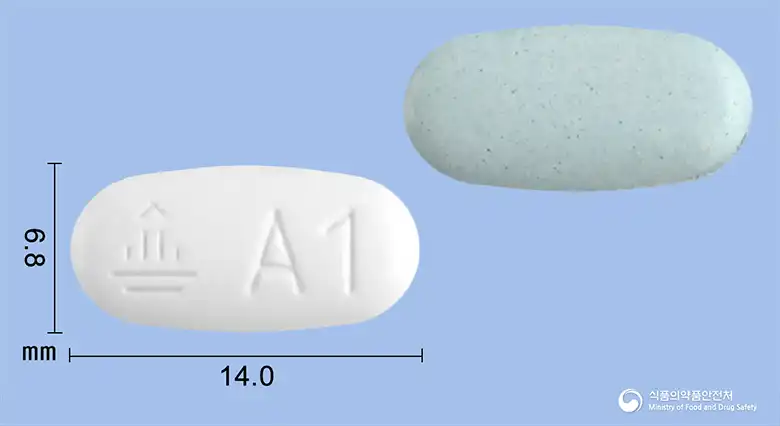 Combination
Telmisartan 40mg · Amlodipine Besylate 6.935mg
Prescription medication · Combination
Boehringer Ingelheim Korea Co., Ltd.
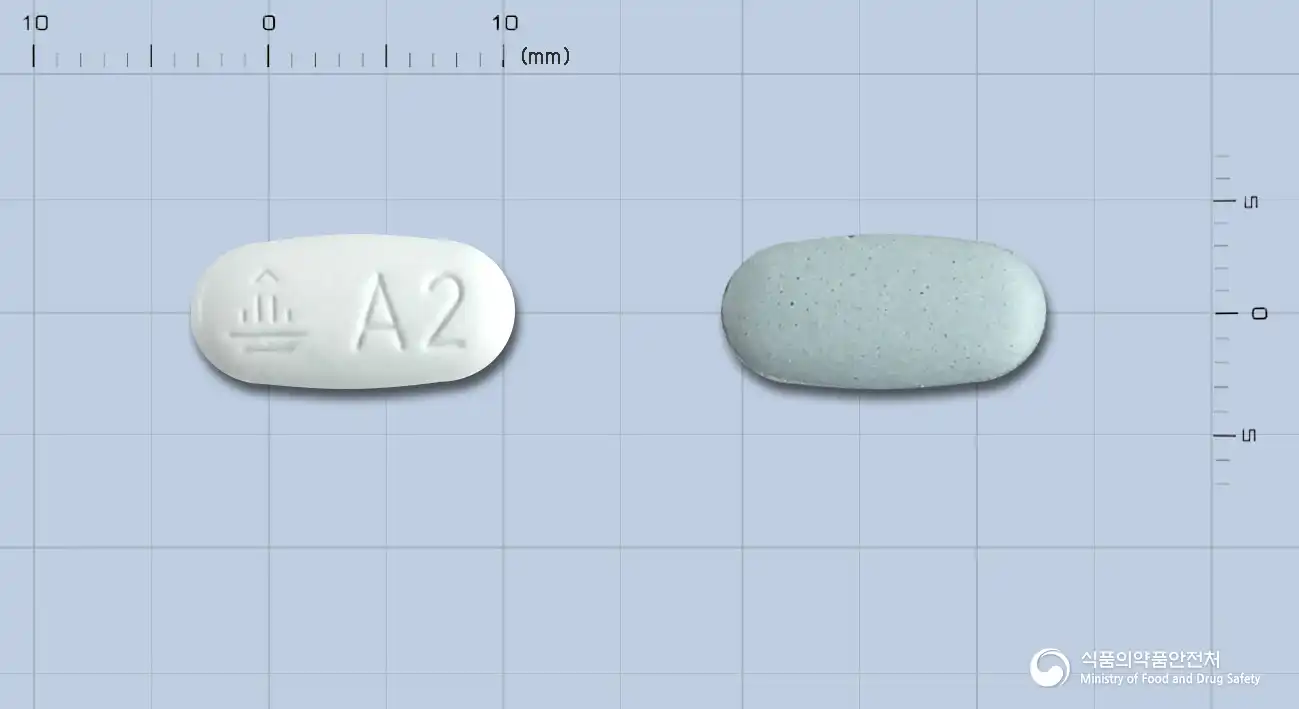 Combination
Telmisartan 40mg · Amlodipine Besylate 13.87mg
Prescription medication · Combination
Boehringer Ingelheim Korea Co., Ltd.
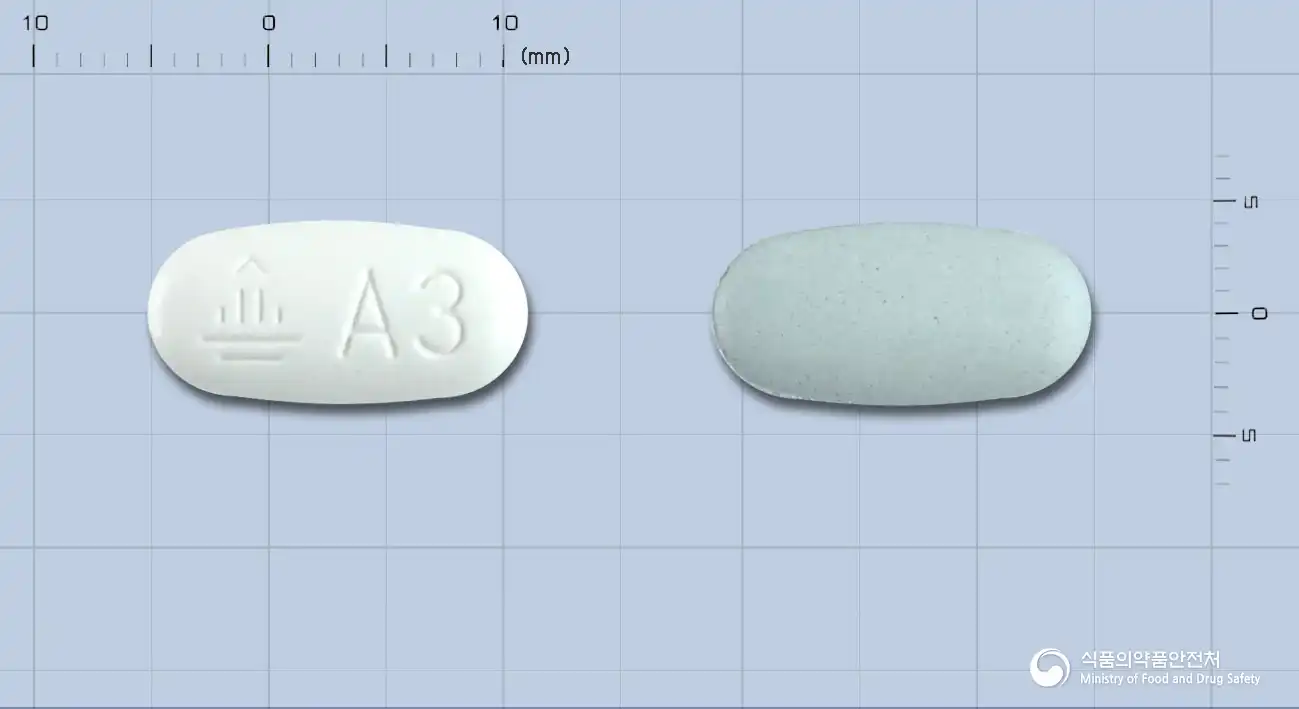 Combination
Telmisartan 80mg · Amlodipine Besylate 6.935mg
Prescription medication · Combination
Boehringer Ingelheim Korea Co., Ltd.
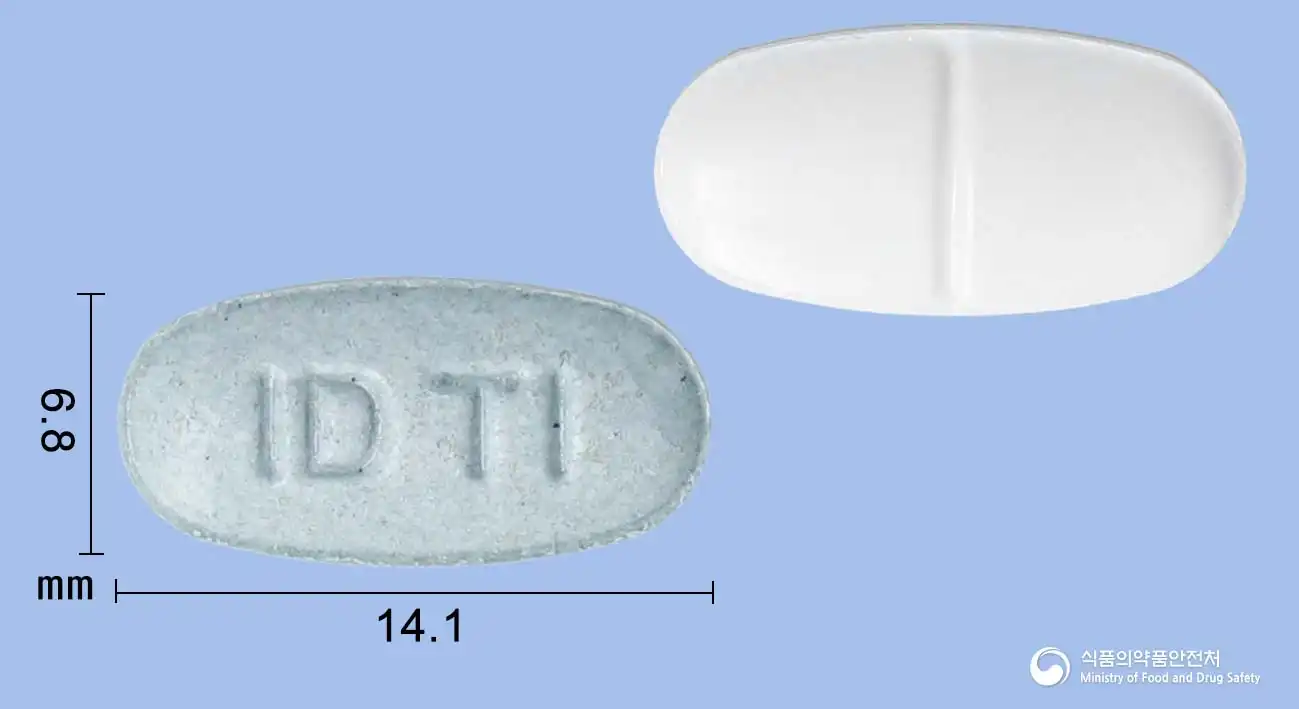 Combination
Telmisartan 40mg · Amlodipine Besylate 6.935mg
Prescription medication · Combination
Ildong Pharmaceutical Co., Ltd.
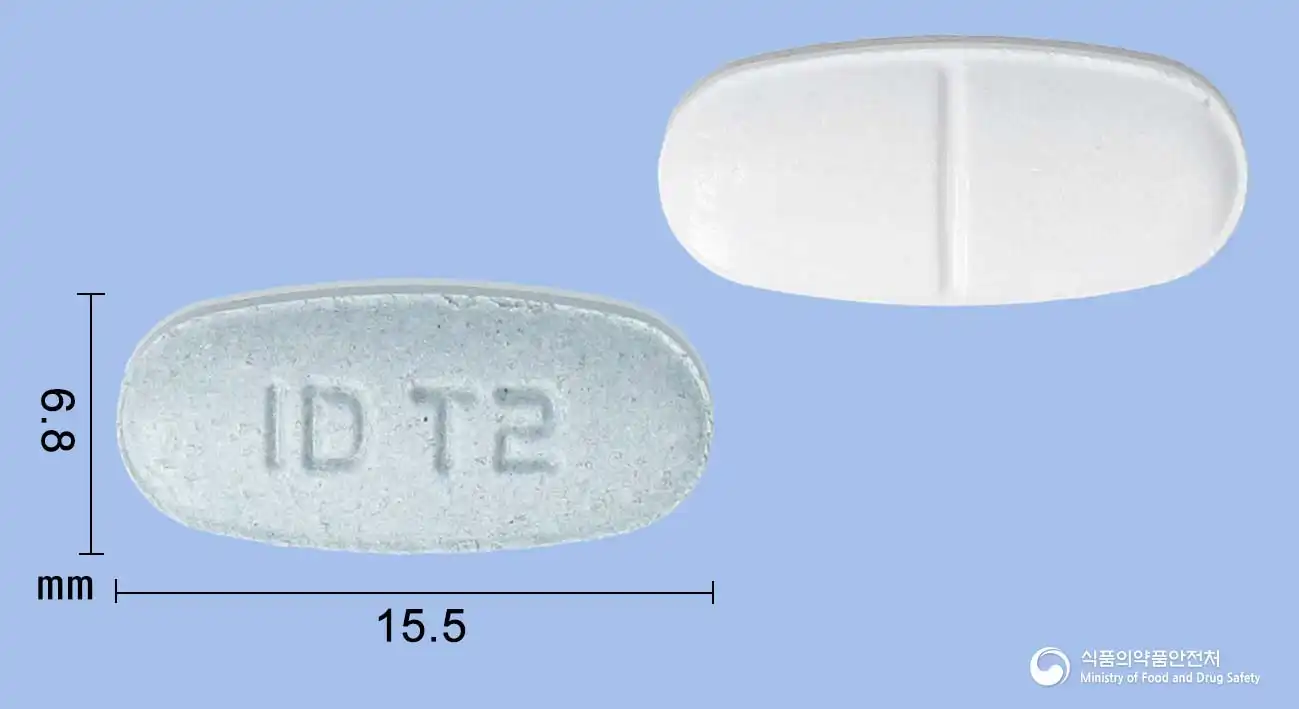 Combination
Telmisartan 40mg · Amlodipine Besylate 13.87mg
Prescription medication · Combination
ILDONG Pharmaceutical Co., Ltd.
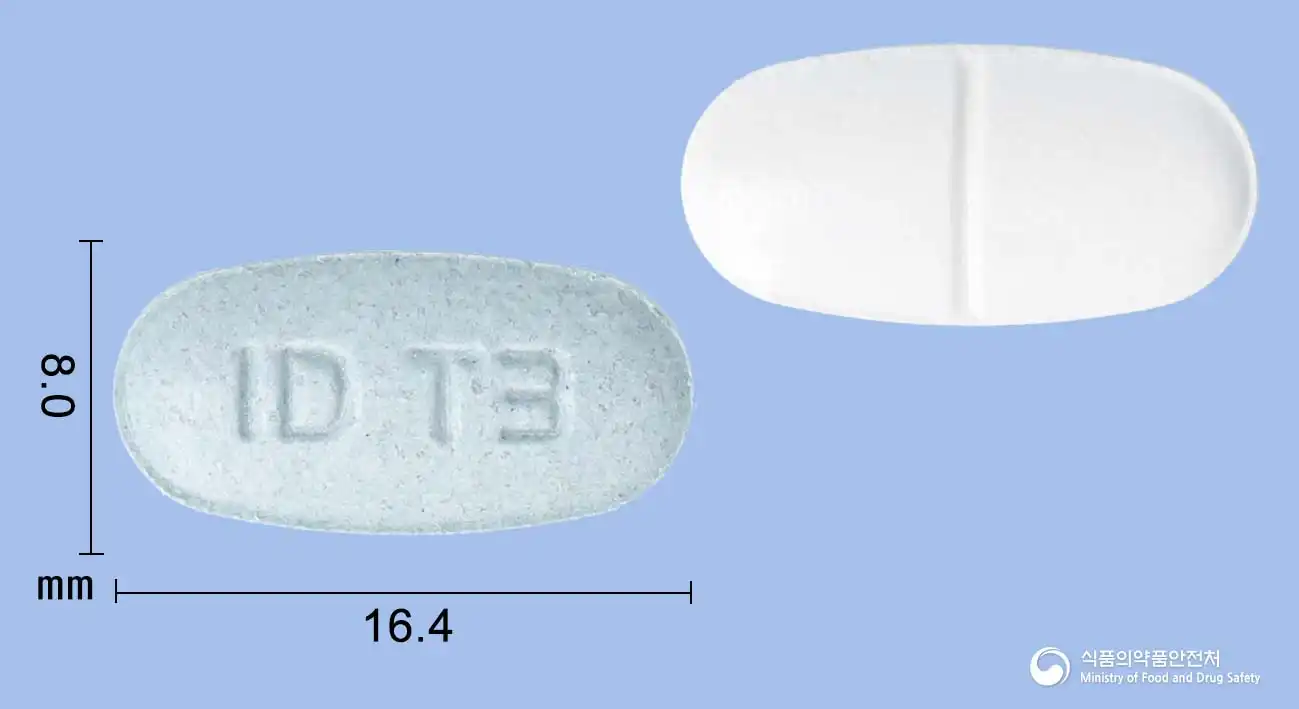 Combination
Telmisartan 80mg · Amlodipine Besylate 6.935mg
Prescription medication · Combination
Ildong Pharmaceutical Co., Ltd.
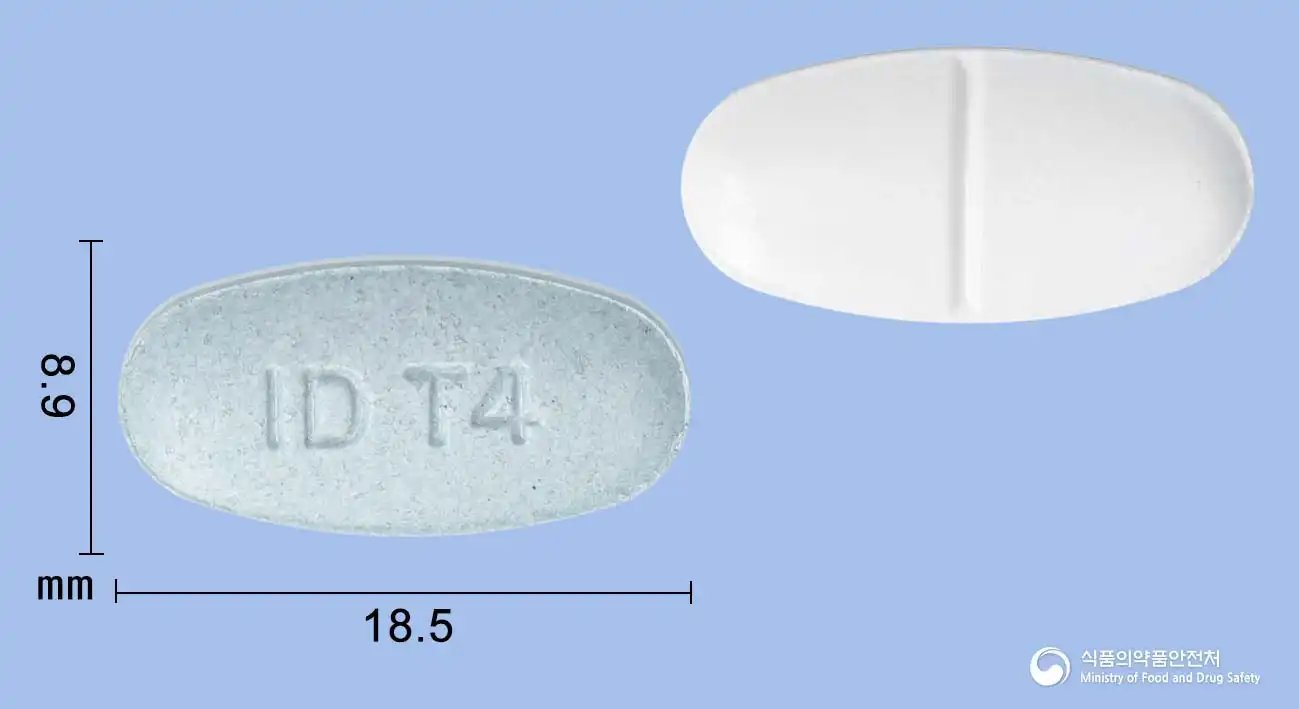 Combination
Telmisartan 80mg · Amlodipine Besylate 13.87mg
Prescription medication · Combination
Ildong Pharmaceutical Co., Ltd.
Even with the same ingredient, the dose and directions can differ by strength and dosage form. Talk to a doctor or pharmacist before switching from a medication you are already taking.
No questions yet.
For anything that needs medical judgment, consult a doctor or pharmacist.
This drug information is based on data provided by the Korea Ministry of Food and Drug Safety.
Consult a doctor or pharmacist for accurate dosage, administration, and usage instructions.