Medication info
Empamax S Tablet 25/100 mg (Empagliflozin, Sitagliptin)

Empamax S Tablet 25/100 mg (Empagliflozin, Sitagliptin)

Prescription medicationTabletOral
Ingredient · strength
Sitagliptin Phosphate Hydrate›128.5mg / 1 tabletEmpagliflozin L-Proline›31.38mg / 1 tablet
Manufacturer / importer
Jongkundang Co., Ltd.
Appearance
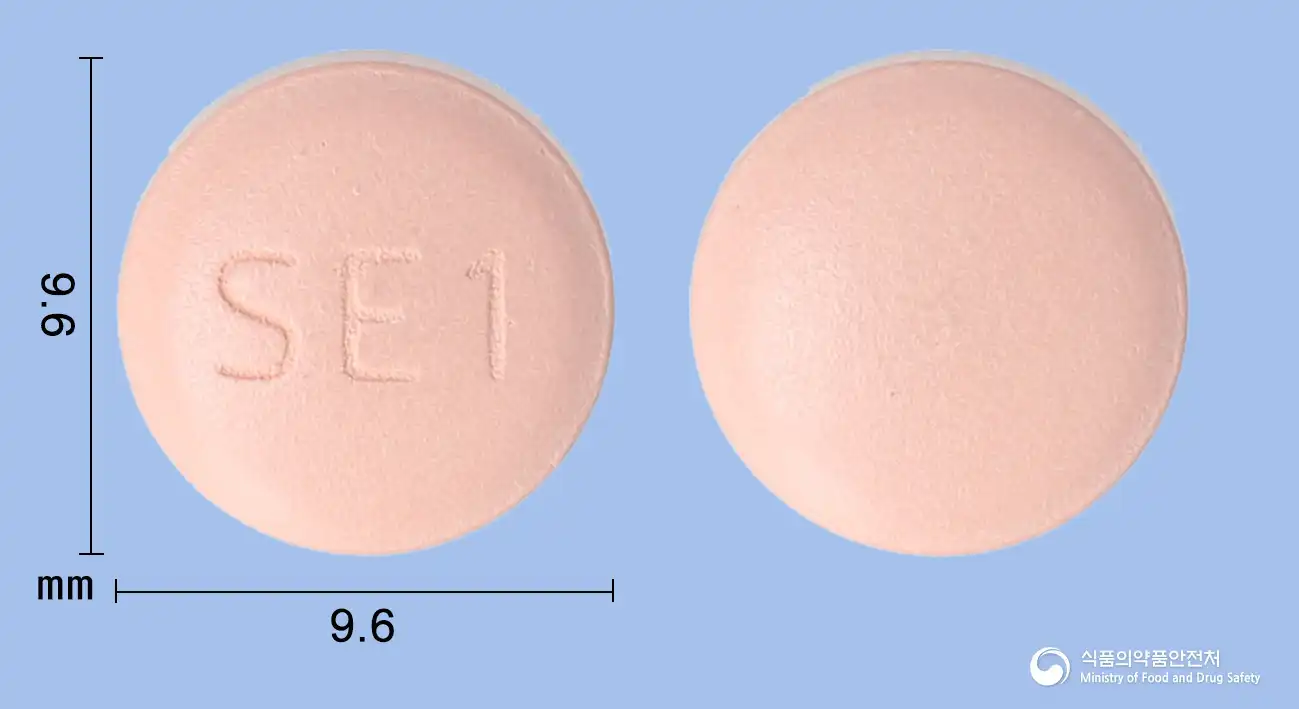
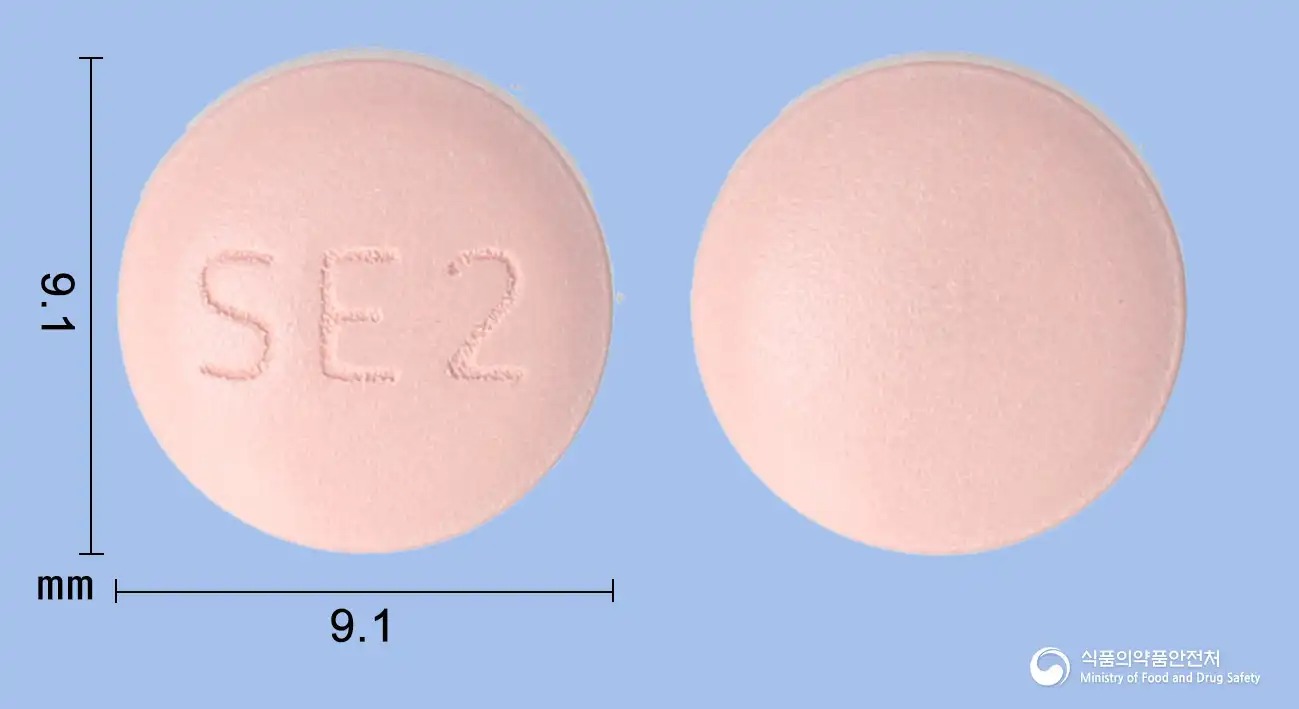
Pale yellow-pink round film-coated tablet
Packaging
30 tablets/bottle
Approval status
Active

MFDS item code 202500821 · Approved 2025.04.07 · Insurance code 643309790

Summary

Main use
Improvement of glycemic control in adults with type 2 diabetes mellitus
Who takes it
Adults
Adult dose
The recommended starting dose of this medicine is empagliflozin 10 mg/sitagliptin 100 mg once daily. If the patient tolerates empagliflozin 10 mg/sitagliptin 100 mg but requires additional glycemic control, the dose may be increased to empagliflozin 25 mg/sitagliptin 100 mg once daily. Patients switching to this medicine from combination therapy with empagliflozin and sitagliptin should receive their previous doses. This medicine may be taken with or without food. Swallow the tablet whole. If a dose is missed, take it as soon as remembered. Do not take a double dose in one day. Special populations Patients with renal impairment Because the efficacy and safety of this medicine vary according to renal function, it is recommended that renal function be assessed before treatment and periodically thereafter. No dose adjustment is required in patients with mild renal impairment [creatinine clearance (CrCl) glycemic control ≧ 60 mL/min or estimated glomerular filtration rate (eGFR) ≧ 60 mL/min/1.73 m2]. Do not administer this medicine if creatinine clearance (CrCl) is less than 45 ml/min or estimated glomerular filtration rate (eGFR) is less than 45 ml/min/1.73m2. Patients with hepatic impairment No dose adjustment is required in patients with mild or moderate hepatic impairment. Use of this medicine is not recommended in patients with severe hepatic impairment because it has not been studied in this population.

Ingredients

Manufacturer
Jongkundang Co., Ltd.

Efficacy & effects

Improvement of glycemic control in adults with type 2 diabetes mellitus

View approved original text

This medication helps adults with type 2 diabetes control their blood sugar by using empagliflozin and sitagliptin together. It is used to effectively manage blood sugar when combined with diet and exercise.

How to take

Adult dose

The recommended starting dose of this medicine is empagliflozin 10 mg/sitagliptin 100 mg once daily. If the patient tolerates empagliflozin 10 mg/sitagliptin 100 mg but requires additional glycemic control, the dose may be increased to empagliflozin 25 mg/sitagliptin 100 mg once daily. Patients switching to this medicine from combination therapy with empagliflozin and sitagliptin should receive their previous doses. This medicine may be taken with or without food. Swallow the tablet whole. If a dose is missed, take it as soon as remembered. Do not take a double dose in one day. Special populations Patients with renal impairment Because the efficacy and safety of this medicine vary according to renal function, it is recommended that renal function be assessed before treatment and periodically thereafter. No dose adjustment is required in patients with mild renal impairment [creatinine clearance (CrCl) glycemic control ≧ 60 mL/min or estimated glomerular filtration rate (eGFR) ≧ 60 mL/min/1.73 m2]. Do not administer this medicine if creatinine clearance (CrCl) is less than 45 ml/min or estimated glomerular filtration rate (eGFR) is less than 45 ml/min/1.73m2. Patients with hepatic impairment No dose adjustment is required in patients with mild or moderate hepatic impairment. Use of this medicine is not recommended in patients with severe hepatic impairment because it has not been studied in this population.

Precautions

This medication may cause allergic reactions, so it should not be used in patients who have had a hypersensitivity reaction to this drug or its components in the past. During treatment with this medication, serious side effects such as acute pancreatitis may occur, so if symptoms such as abdominal pain, vomiting, or loss of appetite appear, consult a doctor immediately. Patients with decreased kidney function may experience reduced effectiveness of this drug and should take it with caution while regularly monitoring kidney function. This drug may cause hypoglycemia, so when taken with insulin or other antihyperglycemic agents, blood sugar levels should be monitored often to avoid symptoms of hypoglycemia. The risk of genital infections and urinary tract infections may increase, so prompt treatment should be received if infection symptoms occur. Symptoms of low blood pressure or dehydration due to decreased fluid volume may occur, so caution is needed, especially in older adults or those with low blood pressure. Use of this drug during pregnancy or breastfeeding is not recommended, and consultation with a doctor is essential before taking it. Safety and efficacy have not been established for children and adolescents under 18, so it should not be used in these populations. In case of an overdose, visit a medical institution immediately for appropriate treatment, as it may not be easily removed by dialysis. During treatment, caution is needed when driving or operating machinery due to the risk of accidents from hypoglycemia. If unusual symptoms such as fever, pain, or swelling occur while taking this medication, notify a doctor immediately and seek treatment.

Side effects

  • Severe allergic reactions
  • anaphylaxis
  • angioedema
  • Stevens-Johnson syndrome
  • acute pancreatitis
  • influenza
  • nasopharyngitis
  • anal abscess
  • perforated appendicitis
  • cervicitis
Show 200 more
  • coronavirus infection
  • otitis media
  • periodontitis
  • dental abscess
  • vaginal infection
  • dyspepsia
  • abdominal pain
  • epigastric pain
  • diarrhea
  • dry mouth
  • alcoholic gastritis
  • erosive gastritis
  • hematemesis
  • hemorrhoids
  • nausea
  • chest pain
  • asthenia
  • fatigue
  • increased blood glucose
  • weight loss
  • elevated serum creatine phosphokinase
  • blepharospasm
  • diabetic retinopathy
  • keratitis
  • vitreous hemorrhage
  • bladder transitional cell carcinoma
  • prostate cancer
  • renal cell carcinoma
  • lateral block
  • left ventricular hypertrophy
  • hyperglycemia
  • hypoglycemia
  • vulvar pruritus
  • diaphoresis
  • dermatitis
  • biliary obstruction
  • forearm fracture
  • headache
  • insomnia
  • frequent urination
  • sleep apnea syndrome
  • removal of artificial fixation
  • vomiting
  • change in bowel habits
  • colitis
  • dental caries
  • enteritis
  • external auditory canal inflammation
  • cataract
  • borderline glaucoma
  • endocrine eye disease
  • arthralgia
  • lumbar spinal canal stenosis
  • spinal canal stenosis
  • cough
  • eosinophilic bronchitis
  • oropharyngeal pain
  • contusion
  • foot fracture
  • radiculopathy
  • thalamic infarction
  • breast mass
  • keloid scar
  • rash
  • aortic aneurysm
  • hypotension
  • ventricular extrasystole
  • gill pouch
  • vaginomyelia
  • vulvovaginitis
  • balanitis
  • urinary tract infection
  • perineal necrosis
  • ketoacidosis
  • urosepsis
  • pyelonephritis
  • rash
  • urticaria
  • angioedema
  • vasculitis
  • acute renal failure
  • bullous pemphigoid
  • myalgia
  • limb pain
  • back pain
  • interstitial lung disease
  • pruritus
  • thrombocytopenia
  • rhabdomyolysis
  • pneumonia
  • diabetic complications
  • metabolic acidosis
  • falls
  • cardiac arrest
  • epigastric pain
  • gastric ulcer
  • ischemic colitis
  • gastrointestinal bleeding
  • soft tissue infection
  • appendiceal abscess
  • appendicitis
  • meningitis
  • chronic otitis media
  • peritonsillar abscess
  • pulmonary tuberculosis
  • sepsis
  • subcutaneous abscess
  • tubo-ovarian abscess
  • vestibular neuritis
  • acute pyelonephritis
  • intracranial aneurysm
  • fever
  • vascular stent stenosis
  • vascular stent thrombosis
  • increased alanine aminotransferase
  • increased aspartate aminotransferase
  • ureterolithiasis
  • acute kidney injury
  • cervicitis
  • hyponatremia
  • thoracolumbar pain
  • glaucoma
  • pathological myopia
  • retinal detachment
  • retinal vein occlusion
  • rhegmatogenous retinal detachment
  • limb injury
  • road traffic accident
  • splenic injury
  • sternal fracture
  • angina
  • Prinzmetal's angina
  • coronary artery disease
  • deep vein thrombosis
  • acute cholecystitis
  • autoimmune hepatitis
  • cholelithiasis
  • otalgia
  • postural dizziness
  • anemia
  • lymphadenopathy
  • hypothyroidism
  • thyroid nodule
  • anxiety
  • depression
  • sleep disorder
  • hypothyroidism
  • erectile dysfunction
  • constipation
  • dizziness
  • chest discomfort
  • weight loss
  • genital pruritus
  • dyslipidemia
  • hyperglycemia
  • dermoid cyst
  • seborrheic dermatitis
  • atopic dermatitis
  • diabetic foot
  • nummular eczema
  • heat rash
  • sebaceous gland hyperplasia
  • myalgia
  • limb pain
  • musculoskeletal chest pain
  • arthralgia
  • cervical stenosis
  • fibromyalgia
  • flank pain
  • fracture pain
  • muscle weakness
  • osteoarthritis
  • osteoporosis
  • rotator cuff syndrome
  • astigmatism
  • allergic conjunctivitis
  • blurred vision
  • corneal erosion
  • macular fibrosis
  • ocular discomfort
  • conjunctival hyperemia
  • eyelid edema
  • visual impairment
  • vitreous floaters
  • vitreous hemorrhage
  • epistaxis
  • asthma
  • exertional dyspnea
  • wet cough
  • allergic rhinitis
  • residual sputum
  • skin laceration
  • rib fracture
  • iliotibial band syndrome
  • palpitations
  • tachycardia
  • atherosclerosis
  • diabetic vascular disease
  • peripheral artery occlusive disease
  • insomnia

Not everyone experiences these, and they can vary from person to person.

Storage

This medication must be stored in a tightly closed container to prevent exposure to air or moisture. It is important to maintain a storage temperature between 1 and 30 degrees Celsius. Proper storage will help preserve the efficacy and safety of the medication.

Appearance and packaging

Appearance

Pale yellow-pink round film-coated tablet

Package unit

30 tablets/bottle

Same-ingredient medicines

Even with the same ingredient, strength, dosage form and how it is taken can differ.

Even with the same ingredient, the dose and directions can differ by strength and dosage form. Talk to a doctor or pharmacist before switching from a medication you are already taking.

Questions about this medicine

No questions yet.

For anything that needs medical judgment, consult a doctor or pharmacist.

Related searches

Search tags

Suggested searches

This drug information is based on data provided by the Korea Ministry of Food and Drug Safety.
Consult a doctor or pharmacist for accurate dosage, administration, and usage instructions.