
 한국어
한국어 English
 日本語
日本語 中文(简体)
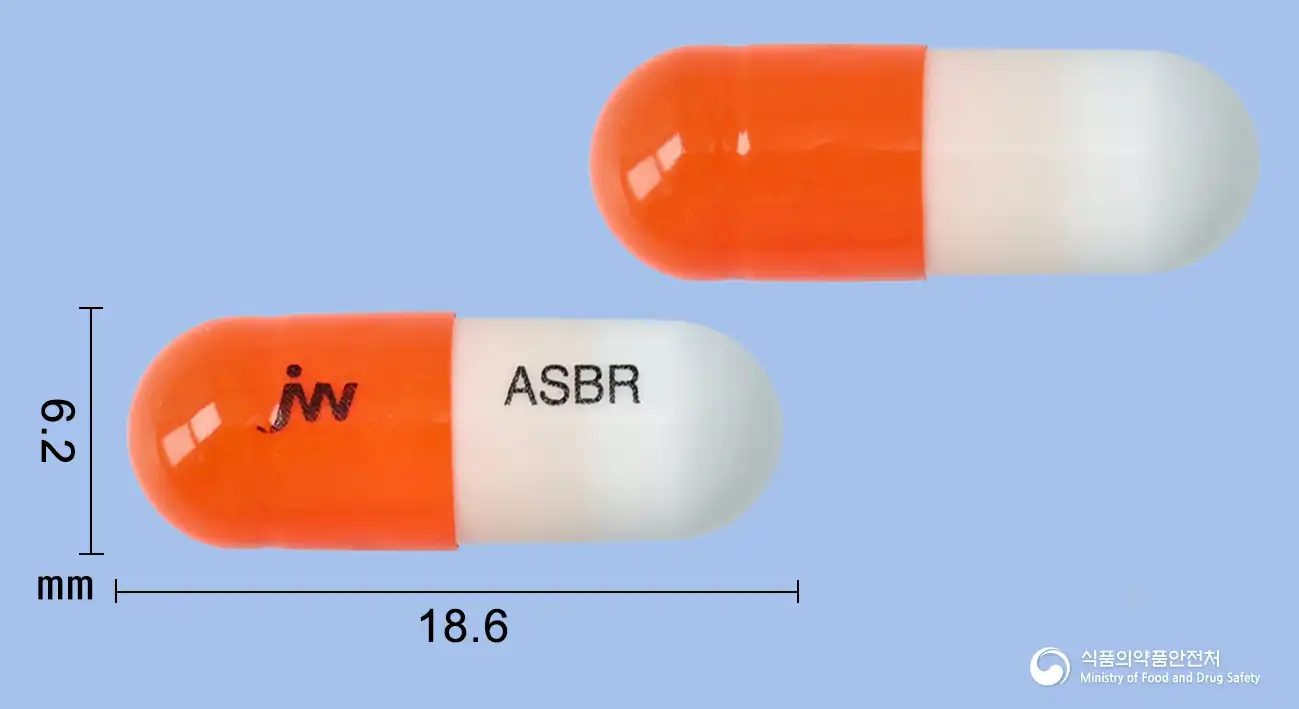 Viewing nowCombination
Asberin Capsule 100/5 mg (Aspirin, Rabeprazole)
Rabeprazole Sodium 5mg · Aspirin 100mg
Hard capsule · Prescription medication · Combination
JW Pharmaceutical Corporation
MFDS item code 202500715 · Approved 2025.03.27 · Insurance code 644915340
Inhibition of thrombus formation and reduction of cardiovascular risk
Aspirin helps prevent the worsening of symptoms in cardiovascular diseases such as myocardial infarction, cerebral infarction, and unstable angina by inhibiting thrombus formation. It also prevents thrombus formation after coronary artery bypass surgery or percutaneous coronary intervention, maintaining therapeutic effects. It is used to reduce the risk of cardiovascular disease in patients with multiple risk factors like hypertension, hyperlipidemia, obesity, and diabetes. Through these actions, aspirin plays an important role in maintaining vascular health and preventing cardiovascular complications.
Adults should take 1 capsule (Aspirin/Rabeprazole Sodium 100/5 mg) once daily. This medication should not be chewed or crushed, and it should be swallowed whole at once. It can be taken before meals with sufficient water.
This medication can cause gastrointestinal bleeding if taken by individuals who regularly consume more than three alcoholic beverages per day, so it is essential to consult with a doctor or pharmacist. This medication should not be taken by those with specific allergic reactions or those with peptic ulcer, hemophilia, or severe liver, kidney, or heart dysfunction. Individuals with a history of aspirin-induced asthma or bleeding tendencies, those taking certain anticancer agents, pregnant or breastfeeding women should also avoid this medication. Patients with kidney impairment, liver dysfunction, cardiovascular abnormalities, or a history of allergies should use this medication with caution, and elderly patients or those on anticoagulants should be monitored closely. Various side effects such as allergic reactions, skin rashes, gastrointestinal disturbances, blood disorders, liver dysfunction, and kidney impairment may occur, so if any abnormal symptoms arise, the medication should be promptly discontinued, and medical advice sought. Particularly, aspirin should be used cautiously in children under 14 years of age during chickenpox or influenza infection, and regular monitoring is required with long-term use. Taking this medication within one week prior to surgery may increase the risk of bleeding, so patients should inform their medical providers of any planned surgeries. There may be interactions with other nonsteroidal anti-inflammatory drugs or specific medications during use, thus it is crucial to discuss this with a doctor or pharmacist. Pregnant or breastfeeding women should not take this medication, especially in the third trimester, as it may have serious effects on the fetus, requiring special caution. Elderly individuals may exhibit adverse reactions more easily due to decreased liver function, so their condition should be carefully observed during use. Safety for pediatric use has not been established, so it is not recommended. In the case of overdose, there is no specific antidote, and appropriate treatment and supportive care tailored to symptoms are necessary. This medication should be kept out of reach of children, stored in a moisture-free environment after opening, and not transferred to other containers.
Hives, severe swelling (angioedema, facial swelling), tightness in the chest, difficulty breathing, wheezing, asthma attacks, angioedema, hives, anaphylaxis, shock, skin peeling (toxic epidermal necrolysis, Lyell syndrome), severe skin reactions (Stevens-Johnson syndrome, mucosal membrane syndrome), liver abnormalities (jaundice, liver dysfunction, hepatitis, fulminant hepatitis), serious neurological symptoms (severe headache, seizures, coma, altered consciousness
Not everyone experiences these, and they can vary from person to person.
This medication may be sensitive to air and moisture, so it should be stored in a tightly sealed container. It is recommended to maintain a storage temperature between 1 to 30 degrees Celsius. This way, the medication's effectiveness can be preserved for a longer period.
An upper orange and lower white hard capsule containing yellow circular enteric-coated tablets and white circular enteric-coated tablets
30 capsules/bottle, 100 capsules/bottle, 300 capsules/bottle
Even with the same ingredient, strength, dosage form and how it is taken can differ.
Viewing nowCombinationRabeprazole Sodium 5mg · Aspirin 100mg
Hard capsule · Prescription medication · Combination
JW Pharmaceutical Corporation
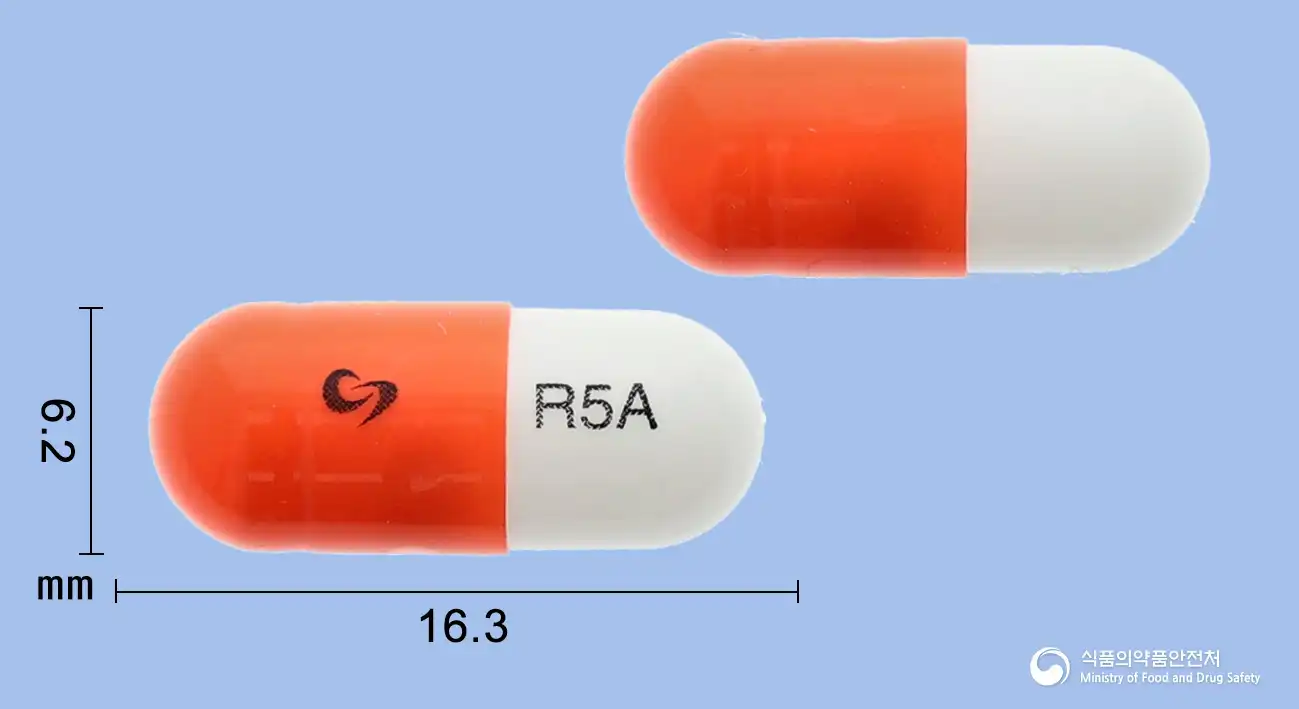 Combination
Rabeprazole Sodium 5mg · Aspirin 100mg
Hard capsule · Prescription medication · Combination
Dongguang Pharmaceutical Co., Ltd.
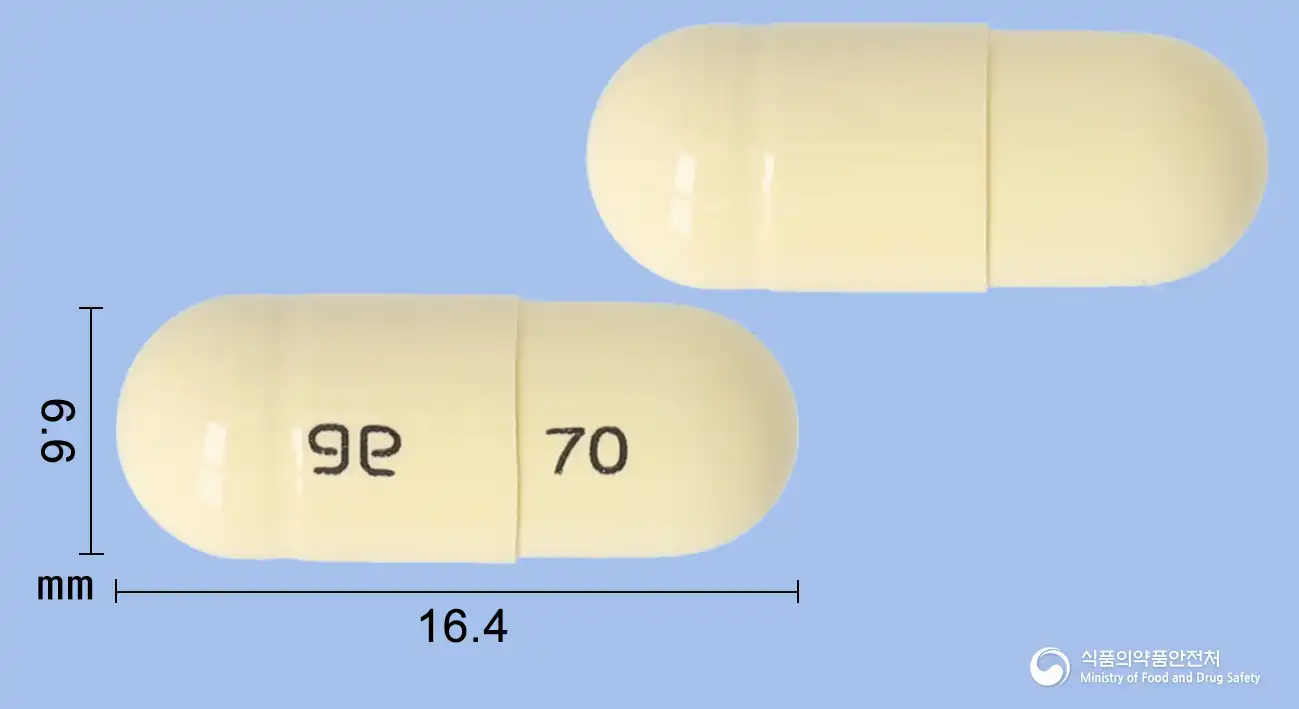 Combination
Rabeprazole Sodium 5mg · Aspirin 100mg
Hard capsule · Prescription medication · Combination
GL Pharma Co., Ltd.
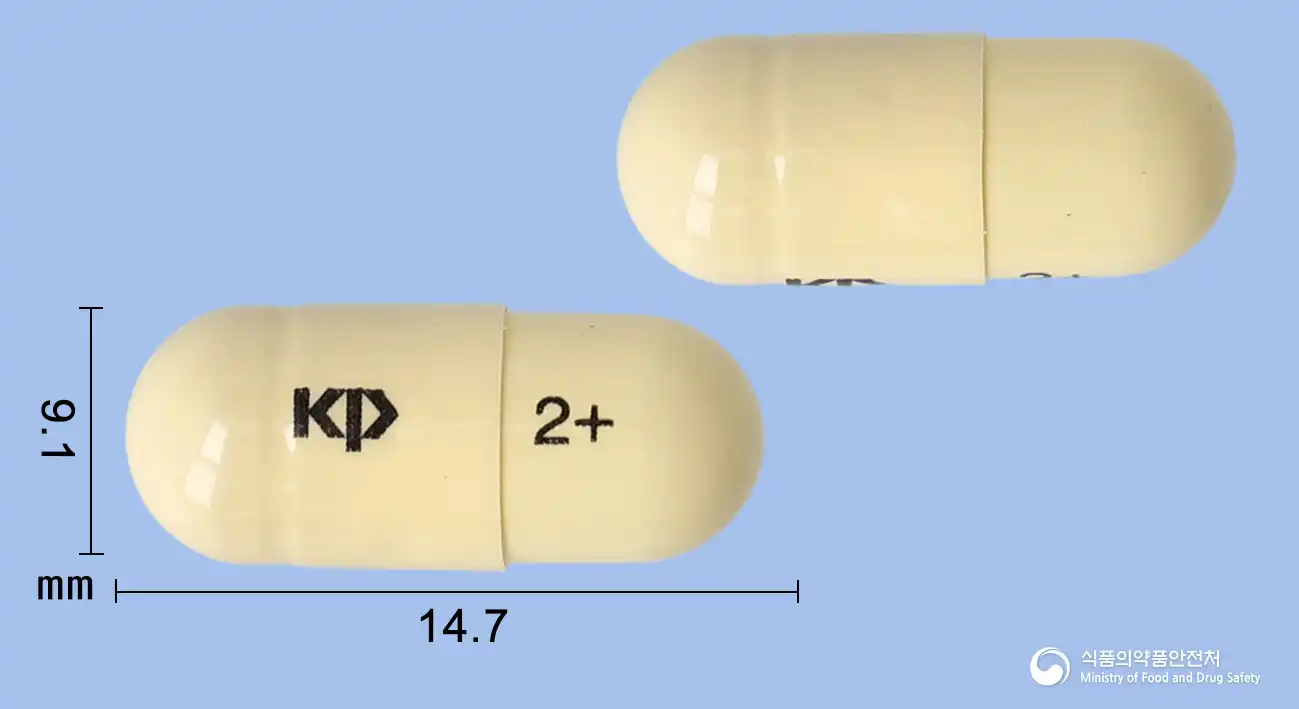 Combination
Rabeprazole Sodium 5mg · Aspirin 100mg
Hard capsule · Prescription medication · Combination
Korea Pharma Co., Ltd.
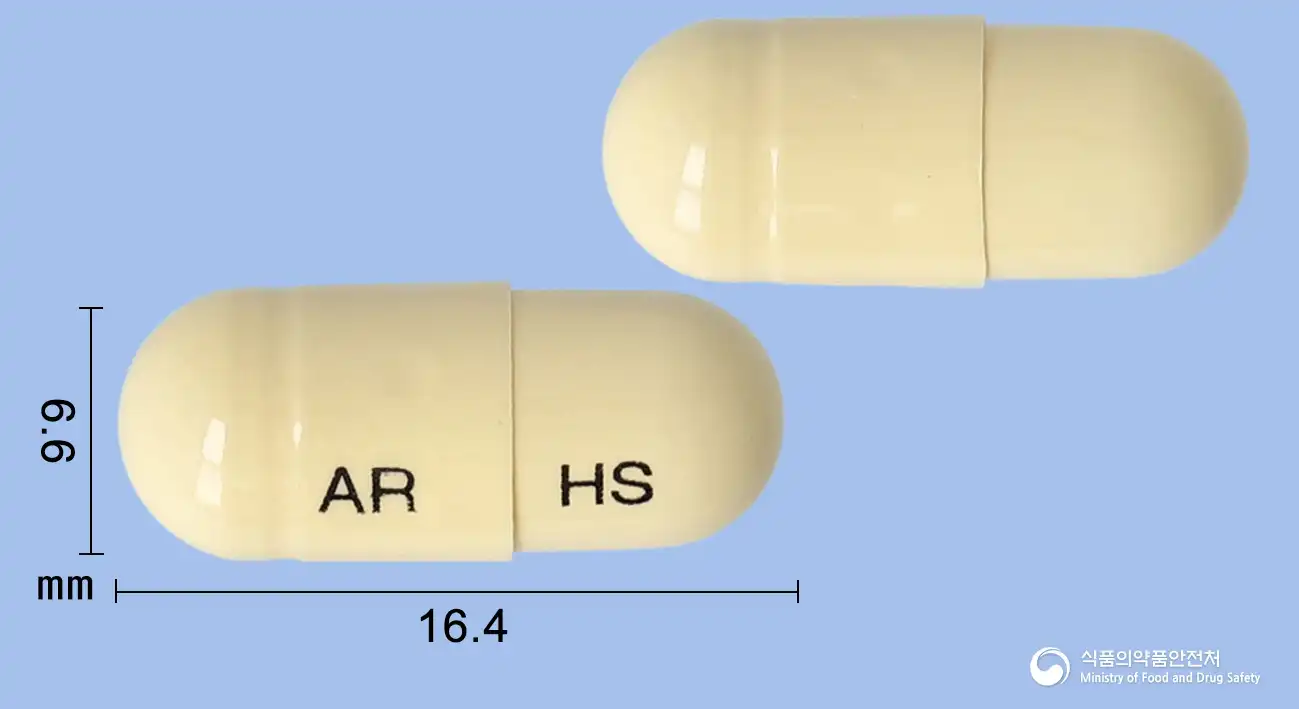 Combination
Rabeprazole Sodium 5mg · Aspirin 100mg
Hard capsule · Prescription medication · Combination
Huons Co., Ltd.
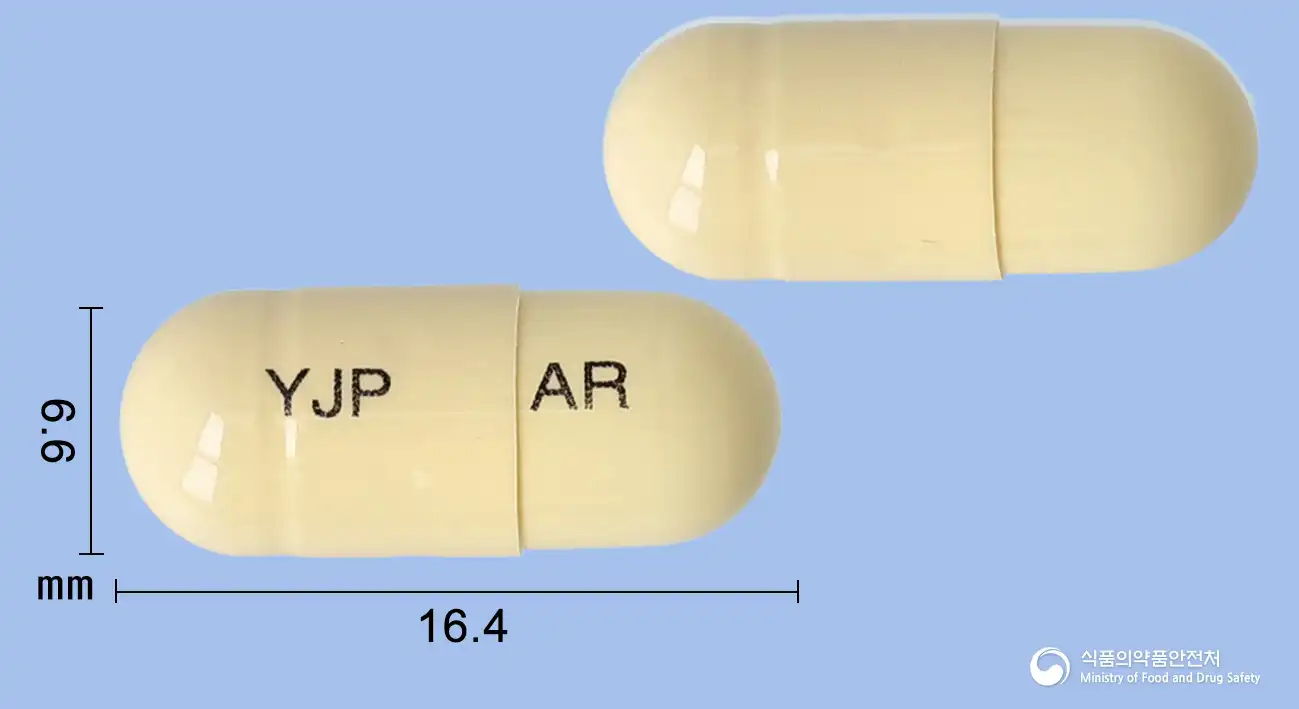 Combination
Rabeprazole Sodium 5mg · Aspirin 100mg
Hard capsule · Prescription medication · Combination
Youngjin Pharmaceutical Co., Ltd.
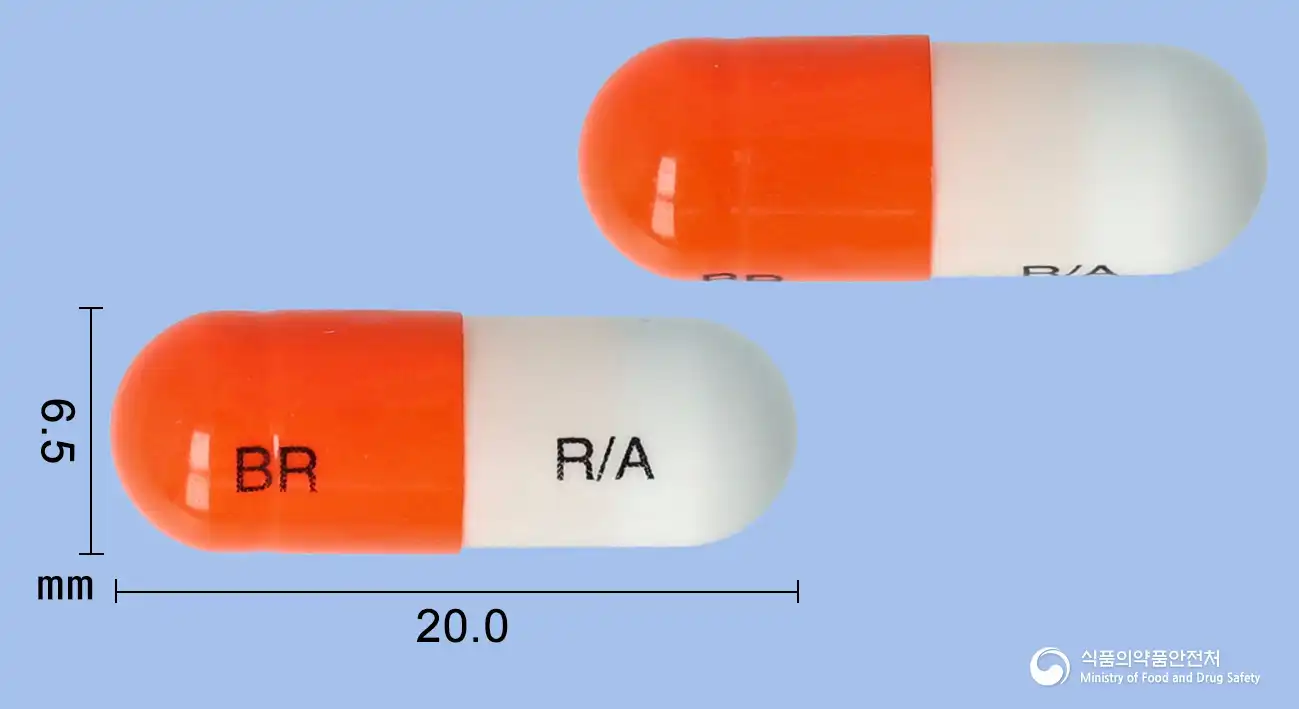 Combination
Rabeprazole Sodium 5mg · Aspirin 100mg
Hard capsule · Prescription medication · Combination
Boryung Pharmaceuticals Co., Ltd.
Even with the same ingredient, the dose and directions can differ by strength and dosage form. Talk to a doctor or pharmacist before switching from a medication you are already taking.
No questions yet.
For anything that needs medical judgment, consult a doctor or pharmacist.
This drug information is based on data provided by the Korea Ministry of Food and Drug Safety.
Consult a doctor or pharmacist for accurate dosage, administration, and usage instructions.