
 한국어
한국어 English
 日本語
日本語 中文(简体)
 Viewing now
Tranexamic Acid Capsule (Tranexamic Acid)
Tranexamic Acid 250mg
Hard capsule · Prescription medication
CMG Pharmaceutical Co., Ltd.
MFDS item code 202500704 · Approved 2025.03.26
Improvement of bleeding tendency due to systemic and localized fibrinolysis
This medication is used in situations where excessive fibrinolysis occurs either systemically or locally leading to bleeding. For example, it is effective for bleeding caused by systemic diseases such as leukemia, aplastic anemia, purpura, and cancers, as well as bleeding that occurs during or after surgery. It is also used for localized bleeding such as pulmonary hemorrhage, genital bleeding, renal bleeding, and during prostate surgery. Therefore, this drug is used to improve bleeding tendency and treat abnormal bleeding.
As Tranexamic Acid, the usual adult dosage is 750 to 2000 mg daily, divided into 3 to 4 doses. Adjust according to age and symptoms appropriately.
This drug plays a role in preventing bleeding within the blood. First, this medication should not be used in specific patients. For instance, patients who are on other medications that assist with blood clotting or those with severely impaired kidney function may have this drug accumulate in their bodies, posing risks. Moreover, it should not be given to patients who have an allergy to this medication or have shown hypersensitivity, and those with active thromboembolism. Caution should be exercised in patients with existing thrombi or those with a high risk of thrombosis, in patients who have been lying down for long periods post-surgery, and in those with weak kidney function. This medication contains yellow dye, hence patients allergic or hypersensitive to this component must also take caution. While taking this drug, severe allergic reactions or shock can occasionally occur, and if symptoms arise, treatment should be stopped immediately and appropriate care should be sought. Symptoms such as itching, rashes, and facial flushing may also present, and in such cases, it is advisable to discontinue the medication. Temporary visual disturbances may occur, so if this symptom appears, discontinuation of the medication is advised. Additionally, symptoms such as blood in urine, indigestion, nausea, vomiting, diarrhea, and stomach upset may occur. Rarely, drowsiness, headache, or thrombosis may arise, so pay attention to these symptoms. Patients using this medication long-term should receive regular eye health and liver function assessments. For irregular or abnormal menstrual bleeding, it is better not to use this drug, and if bleeding persists, other treatment methods should be considered. When used with other anticoagulant-related medications, there may be an increased risk of thrombosis, so consulting a doctor is imperative. Combining with hormonal contraceptives can heighten thrombosis risks, therefore, non-hormonal contraception is recommended. For pregnant women, caution is advised as it can cross the placenta, and although the effects on breastfed infants are minimal, caution is still needed during lactation. There is a lack of experience with patients under 15 years of age, so special caution is required. Elderly patients may have reduced bodily functions, hence dosage adjustments may be necessary. In cases of overdose, symptoms such as nausea, vomiting, and low blood pressure may appear, so immediate hospital treatment is essential. There have been reports that long-term massive use of this medication can lead to visual issues, so caution is advised.
Shock, thrombosis, thromboembolism, massive hematuria in the upper urinary tract, angioedema, increased risk of thrombus formation
Not everyone experiences these, and they can vary from person to person.
This medicine should be stored in a tightly sealed container to prevent air or moisture from entering, at a temperature between 1 to 30 degrees Celsius. Storing it this way will help maintain the drug's efficacy for a longer duration.
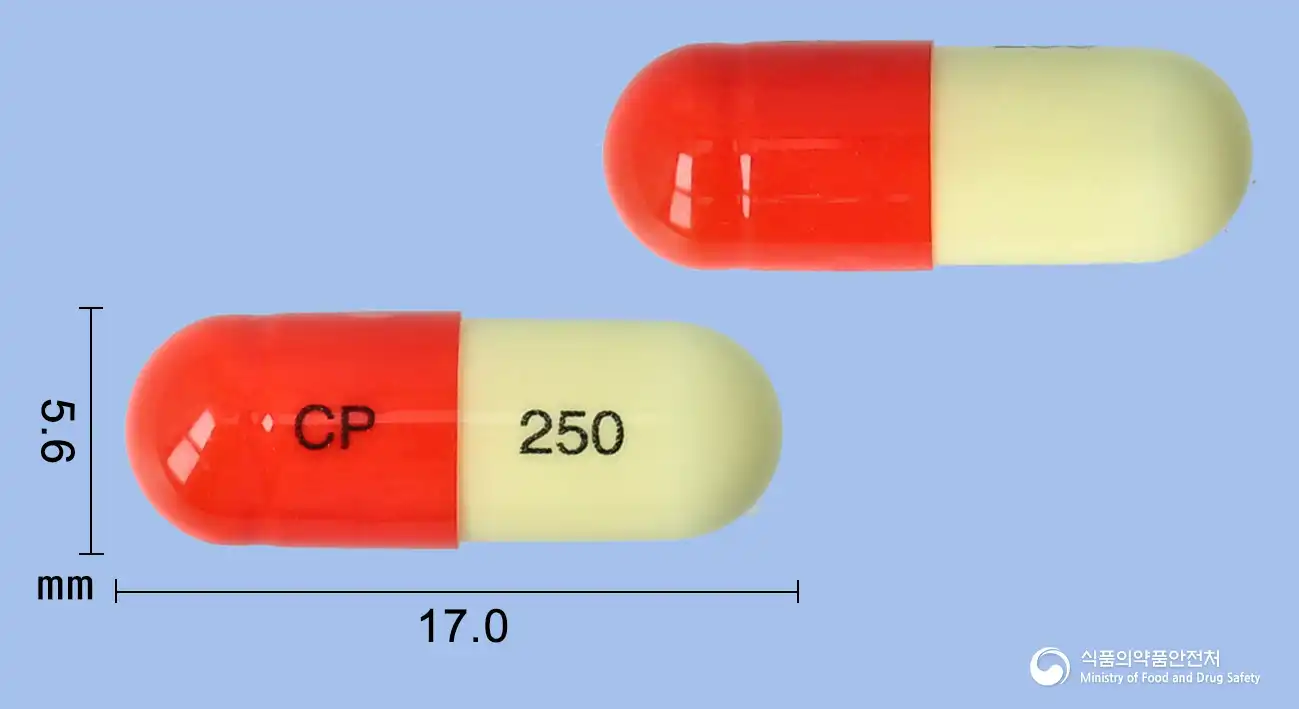
A hard capsule with an upper orange and a lower yellow color filled with white powder
30 capsules/bottle, 100 capsules/bottle
Even with the same ingredient, strength, dosage form and how it is taken can differ.
Viewing nowTranexamic Acid 250mg
Hard capsule · Prescription medication
CMG Pharmaceutical Co., Ltd.
Tranexamic Acid 50mg
Prescription medication
Jeil Pharmaceutical Co., Ltd.
Tranexamic Acid 100mg
Prescription medication
Jeil Pharmaceutical Co., Ltd.
Tranexamic Acid 500mg
Injections · Prescription medication
Shinpoong Pharmaceutical Co., Ltd.
Tranexamic Acid 100mg
Prescription medication
Korea Union Pharma Co., Ltd.
Tranexamic Acid 50mg
Prescription medication
Korea Union Pharmaceutical Co., Ltd.
Tranexamic Acid 250mg
Hard capsule · Prescription medication
Genupharm Co., Ltd.
Tranexamic Acid 250mg
Hard capsule · Prescription medication
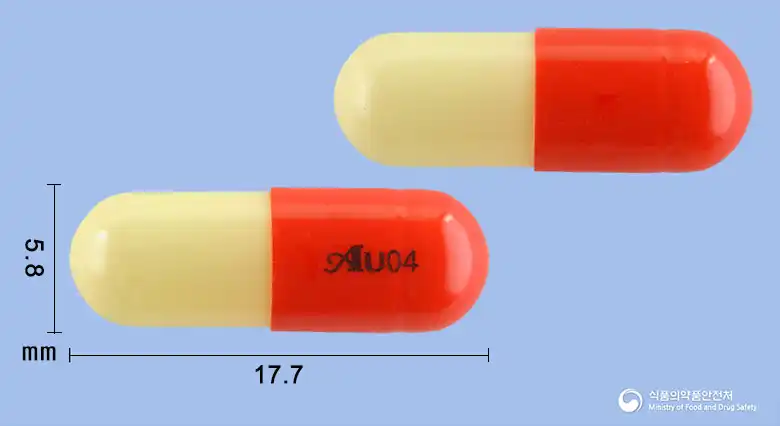
Austin Pharmaceutical Co., Ltd.
Even with the same ingredient, the dose and directions can differ by strength and dosage form. Talk to a doctor or pharmacist before switching from a medication you are already taking.
No questions yet.
For anything that needs medical judgment, consult a doctor or pharmacist.
This drug information is based on data provided by the Korea Ministry of Food and Drug Safety.
Consult a doctor or pharmacist for accurate dosage, administration, and usage instructions.