Improvement of blood sugar control in type 2 diabetes
Who uses it
Adults
Adult dosage
This medication should generally be administered in divided doses with meals to help reduce gastrointestinal adverse reactions associated with metformin. The initial dose should be based on the patient's current treatment regimen.
1. For patients whose blood sugar is not adequately controlled with monotherapy of metformin or pioglitazone, initiate treatment with this medication starting with one tablet daily based on the current dosage of metformin or pioglitazone.
Improvement of blood sugar control in type 2 diabetes
View approved original textHide original text
This medication is designed to assist patients with type 2 diabetes in controlling their blood sugar levels. It works in conjunction with dietary and exercise regimens, using a combination of pioglitazone and metformin to effectively lower and manage blood sugar. This enables stable management of blood sugar levels, contributing to the prevention of complications. Thus, using this medication as part of a systematic treatment plan can be very helpful in blood sugar control.
Dosage and Administration
Adult dosage
This medication should generally be administered in divided doses with meals to help reduce gastrointestinal adverse reactions associated with metformin. The initial dose should be based on the patient's current treatment regimen.
1. For patients whose blood sugar is not adequately controlled with monotherapy of metformin or pioglitazone, initiate treatment with this medication starting with one tablet daily based on the current dosage of metformin or pioglitazone.
Precautions
This medication helps regulate blood sugar levels for patients with type 2 diabetes, and the two components work together to lower blood sugar.
When taking this medication, it is essential to confirm that kidney function is normal, as it is safest not to use it if kidney function is impaired.
Patients with abnormal liver function or liver disease should consult a physician before taking this medication and should undergo regular liver function tests.
Patients with heart disease or heart failure need to be cautious when using this medication, and especially those with severe heart failure should not start taking it.
This medication can cause a rare but serious side effect known as lactic acidosis, so if symptoms such as malaise, muscle pain, difficulty breathing, or abdominal pain occur, it is crucial to inform a doctor immediately.
Alcohol consumption may increase the risk of side effects from this medication, so excessive drinking should be avoided while taking it.
Women who are pregnant or may become pregnant, as well as breastfeeding women, are advised not to take this medication.
During treatment with this medication, regular checks of blood sugar, kidney function, liver function, and hematological tests should be conducted to monitor for any abnormalities.
There may be interactions with other drugs, so anyone taking other medications should inform their doctor or pharmacist, especially if taking drugs that could affect kidney function.
In case of overdose, it is crucial to visit a medical facility for appropriate treatment, and if necessary, dialysis may be performed to remove the medication.
This medication has not been proven safe and effective for children, so it is not used in pediatric patients.
Elderly patients are likely to have reduced kidney function, so initial and maintenance doses should be determined with caution, and kidney function should be frequently evaluated.
Weight gain, edema, and symptoms of heart failure may occur during treatment with this medication, so it is important to consult healthcare providers if these symptoms arise.
While taking this medication, it is important to maintain regular meals and exercise and to continually monitor blood sugar control.
Side effects and when to seek care immediately
Serious side effects
Severe lactic acidosis, hypoglycemia, congestive heart failure, symptoms and signs of heart failure (including rapid weight change, difficulty breathing, edema), acute renal function deterioration, cardiopulmonary disease, sepsis, liver failure, jaundice, severe liver dysfunction, severe edema, severe hypertension, severe allergic reactions, severe skin adverse reactions, sudden and very severe headache, seizures, confusion, visual disturbances, paralysis, dramatically reduced urine output, urinary abnormalities.
Mild side effects
Upper respiratory infection
diarrhea
nausea
headache
urinary tract infection
sinusitis
dizziness
lower limb edema
weight gain
anemia
Show 13 moreCollapse
muscle pain
dental impairment
worsening diabetes
pharyngitis
indigestion
insomnia
dry mouth
constipation
abdominal distension
gastroesophageal reflux disease
intestinal gas retention
increased serum creatinine
increased blood urea.
Not everyone experiences these, and they can vary from person to person.
Storage
This medication should be stored in a tightly sealed container to prevent exposure to air or moisture. Ideally, it should be stored at room temperature, between 1 degree and 30 degrees.
Appearance and packaging
Appearance
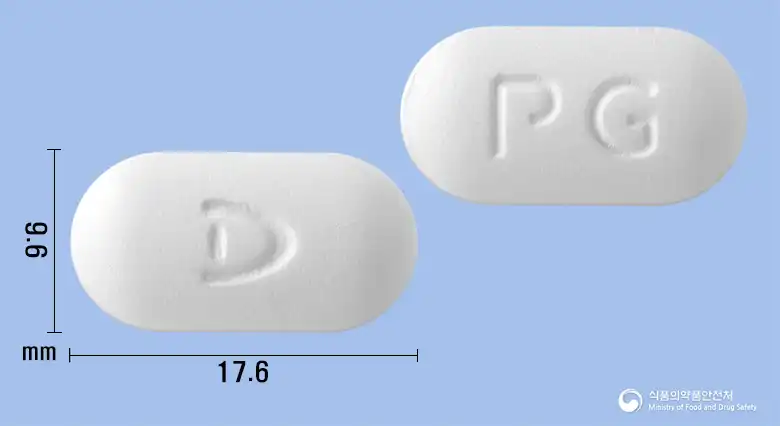
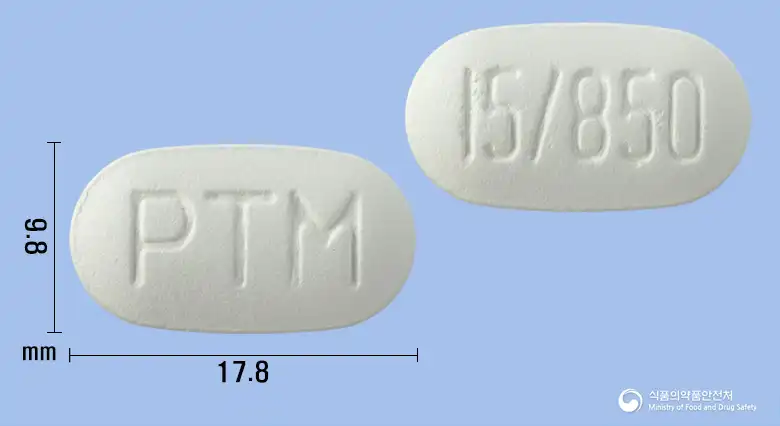
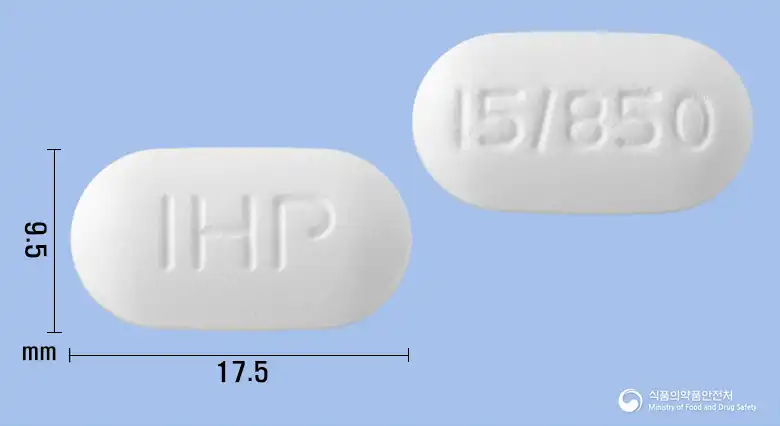
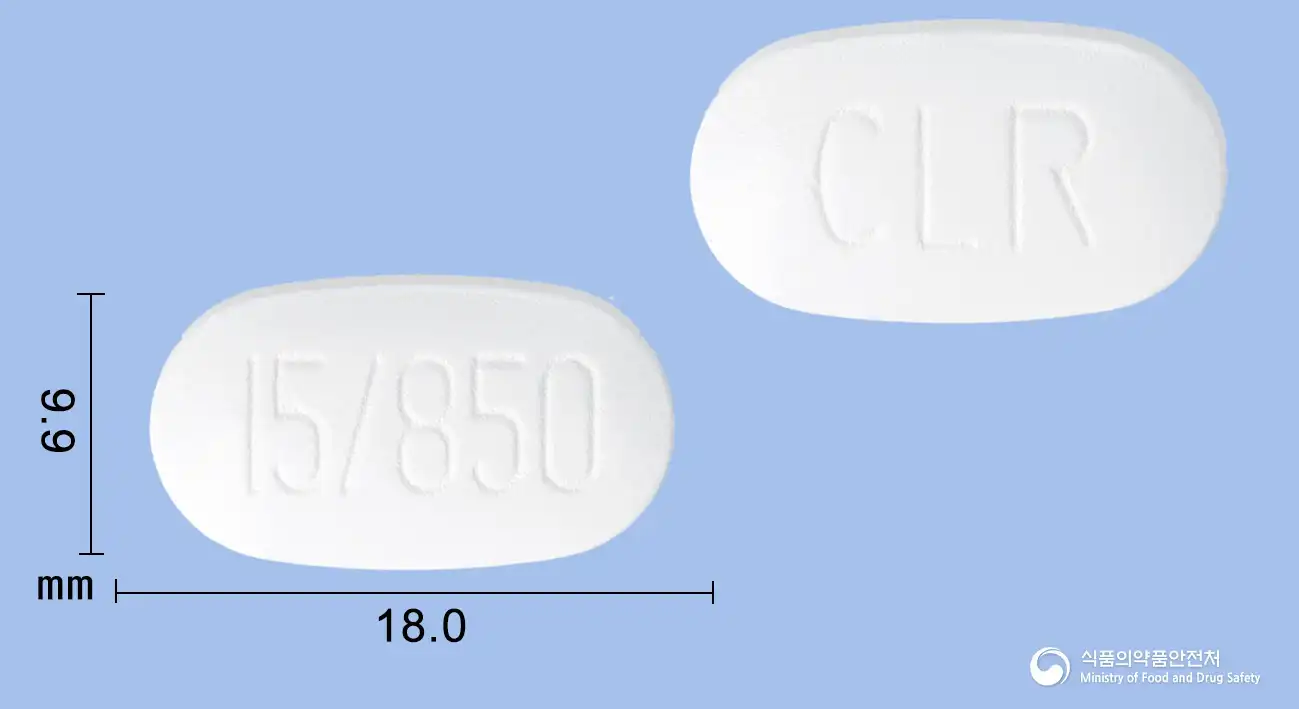
White to grayish-white, oblong, convex film-coated tablets
Even with the same ingredient, the dose and directions can differ by strength and dosage form. Talk to a doctor or pharmacist before switching from a medication you are already taking.
Questions about this medicine
No questions yet.
For anything that needs medical judgment, consult a doctor or pharmacist.
This drug information is based on data provided by the Korea Ministry of Food and Drug Safety. Consult a doctor or pharmacist for accurate dosage, administration, and usage instructions.

 한국어
한국어 English
 日本語
日本語 中文(简体)
 Viewing nowCombination