
 한국어
한국어 English
 日本語
日本語 中文(简体)
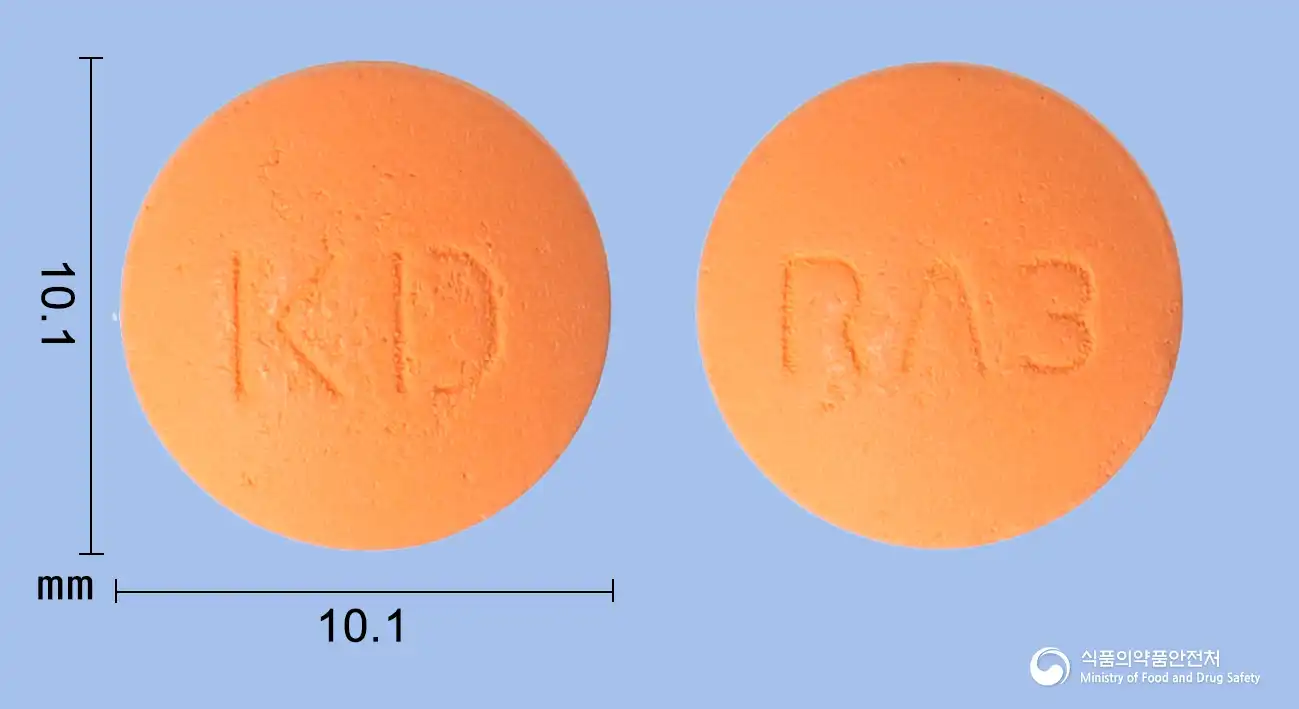 Viewing nowCombination
Lotodipine Tablet 20/5 mg (Rosuvastatin, Amlodipine)
Rosuvastatin Calcium 20.8mg · Amlodipine Besylate 6.944mg
Tablet · Prescription medication · Combination
Kyungdong Pharmaceutical Co., Ltd.
MFDS item code 202500592 · Approved 2025.03.18 · Insurance code 648105210
(Hypertension, Angina) Improvement of myocardial ischemia and reduction of cardiovascular disease risk due to control of hypercholesterolemia
This medication is used for patients who require simultaneous treatment with both amlodipine and rosuvastatin. Amlodipine primarily helps improve hypertension and angina, particularly in conditions where the coronary vessels are narrowed or spasmodic, leading to insufficient oxygen supply to the heart. Additionally, it reduces the risk of hospitalization in angina patients and decreases risks following coronary artery revascularization. On the other hand, rosuvastatin is used as an adjunct in cases of hypercholesterolemia and hyperlipidemia where diet and exercise management are insufficient. It helps lower cholesterol levels, slows the progression of atherosclerosis, and reduces the risk of cardiovascular-associated strokes, myocardial infarction, and vascular reintervention. Therefore, this medication is effectively used to improve cardiovascular health and reduce the risk of related diseases.
This medication is administered to adults only, and the dosage should be individualized based on the efficacy and tolerance of each component, amlodipine/rosuvastatin. Amlodipine: Take 5 mg orally once daily, with a maximum increase to 10 mg based on patient response. Rosuvastatin: Initial dosage is 5 mg orally once daily, and if necessary, the maintenance dosage can be adjusted to 10 mg orally once daily, with a maximum increase to 20 mg.
This medication should not be administered to patients with allergies to specific components. Women who are pregnant, may become pregnant, or are breastfeeding should not use this medication, and if it is necessary to administer it, appropriate contraception to reduce the possibility of pregnancy should be used. It is safer not to use this medication in patients with severe liver impairment or active liver disease. Administration is prohibited in patients with severe heart valve problems or in a state of shock, as well as in patients with muscle diseases. This medication should be used with caution in patients with severely reduced renal function, and doses exceeding specific amounts should be avoided due to the increased risk of muscle damage. Use should be monitored in patients with very low blood pressure, those requiring dialysis for renal failure, the elderly, and patients with muscle weakness. As this medication can affect the liver and muscles, regular liver function tests and muscle-related assessments before and during treatment are recommended. Symptoms like myalgia, muscle weakness, or spasms should be reported immediately to healthcare professionals, and medication may need to be stopped if necessary. There may be interactions with other medications, so any current medications should be disclosed to healthcare professionals. Especially when used with certain antibiotics, immunosuppressants, or fibrate drugs, the risk for muscle damage may increase. Pregnant or breastfeeding women should not use this medication, and women of childbearing potential should employ appropriate contraception. Safety in children has not been established, and it is advisable to avoid use in pediatric patients. In cases of overdose, severe hypotension or cardiac problems may occur, requiring immediate medical attention. This medication should be kept out of reach of children and stored in its original container to maintain quality.
Hives, severe swelling, chest tightness, cold sweat, pallor, severe rash with high fever, blisters, skin peeling, pain in oral/ocular mucosa, difficulty breathing or shortness of breath, asthma attacks, respiratory issues accompanied by coughing and fever, yellowing of skin or eyes, extreme generalized fatigue, sudden and severe headache, thunderclap headache, seizures, confusion of consciousness, visual disturbances, paralysis, significantly reduced urine output, severe generalized symptoms.
Not everyone experiences these, and they can vary from person to person.
This medication should be stored in a tightly sealed container to protect it from air or moisture, and at room temperature between 1 to 30 degrees Celsius. Therefore, it is important to avoid direct sunlight and not place it in excessively hot or cold environments to maintain its efficacy.
Orange round film-coated tablet
30 tablets/bottle
Even with the same ingredient, strength, dosage form and how it is taken can differ.
Viewing nowCombinationRosuvastatin Calcium 20.8mg · Amlodipine Besylate 6.944mg
Tablet · Prescription medication · Combination
Kyungdong Pharmaceutical Co., Ltd.
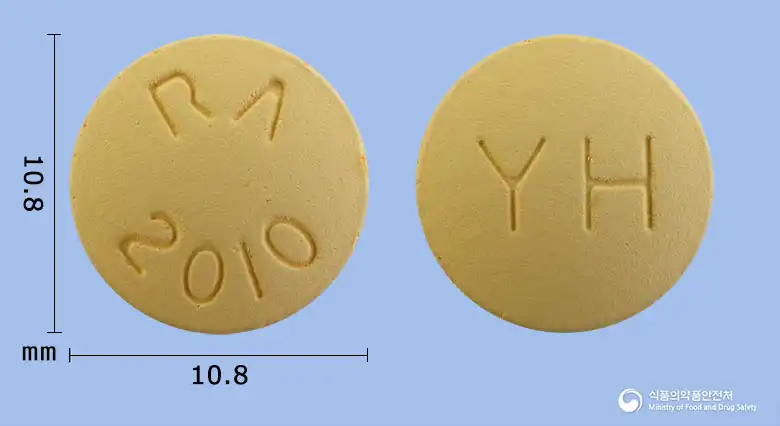 Combination
Rosuvastatin Calcium 20.8mg · Amlodipine Besylate 13.889mg
Tablet · Prescription medication · Combination
Yuhan Corporation
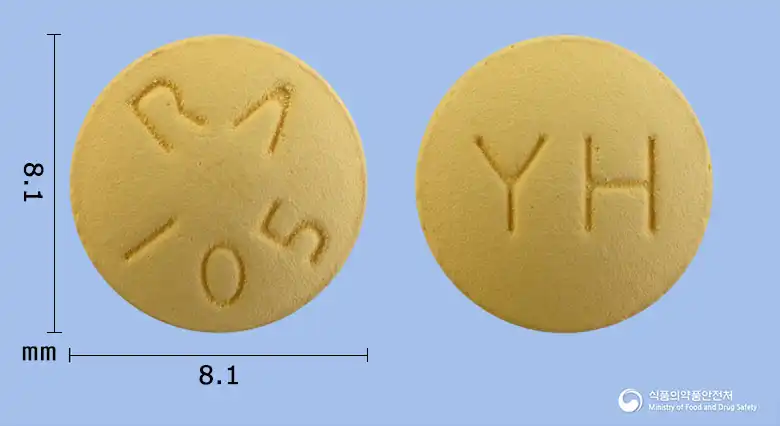 Combination
Rosuvastatin Calcium 10.4mg · Amlodipine Besylate 6.944mg
Tablet · Prescription medication · Combination
Yuhan Corporation
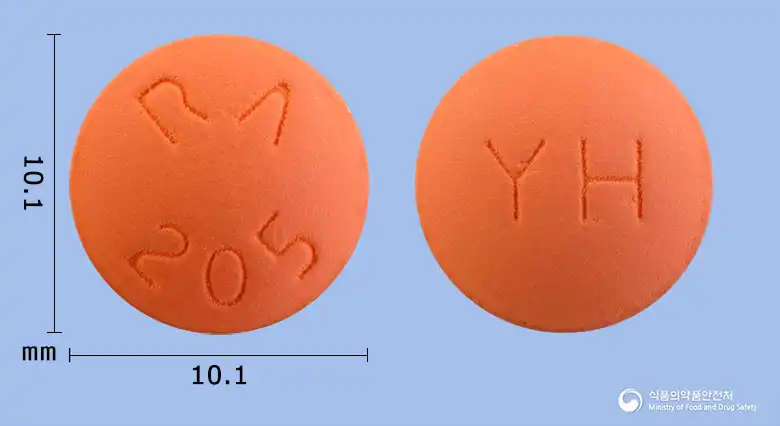 Combination
Rosuvastatin Calcium 20.8mg · Amlodipine Besylate 6.944mg
Tablet · Prescription medication · Combination
Yuhan Corporation
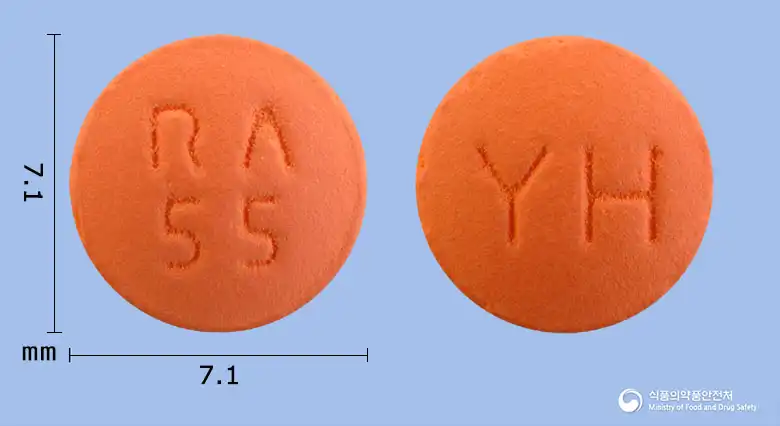 Combination
Rosuvastatin Calcium 5.2mg · Amlodipine Besylate 6.944mg
Tablet · Prescription medication · Combination
Yuhan Corporation
Rosuvastatin Calcium 5.2mg · Amlodipine Besylate 13.889mg
Tablet · Prescription medication · Combination
Yuhan Corporation
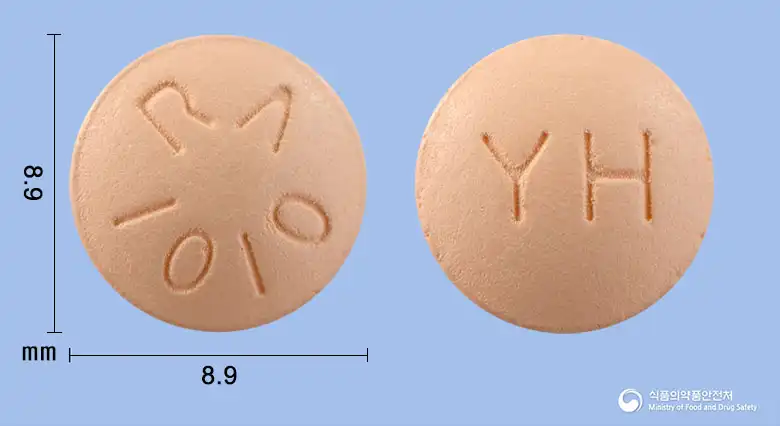 Combination
Rosuvastatin Calcium 10.4mg · Amlodipine Besylate 13.889mg
Tablet · Prescription medication · Combination
Yuhan Corporation
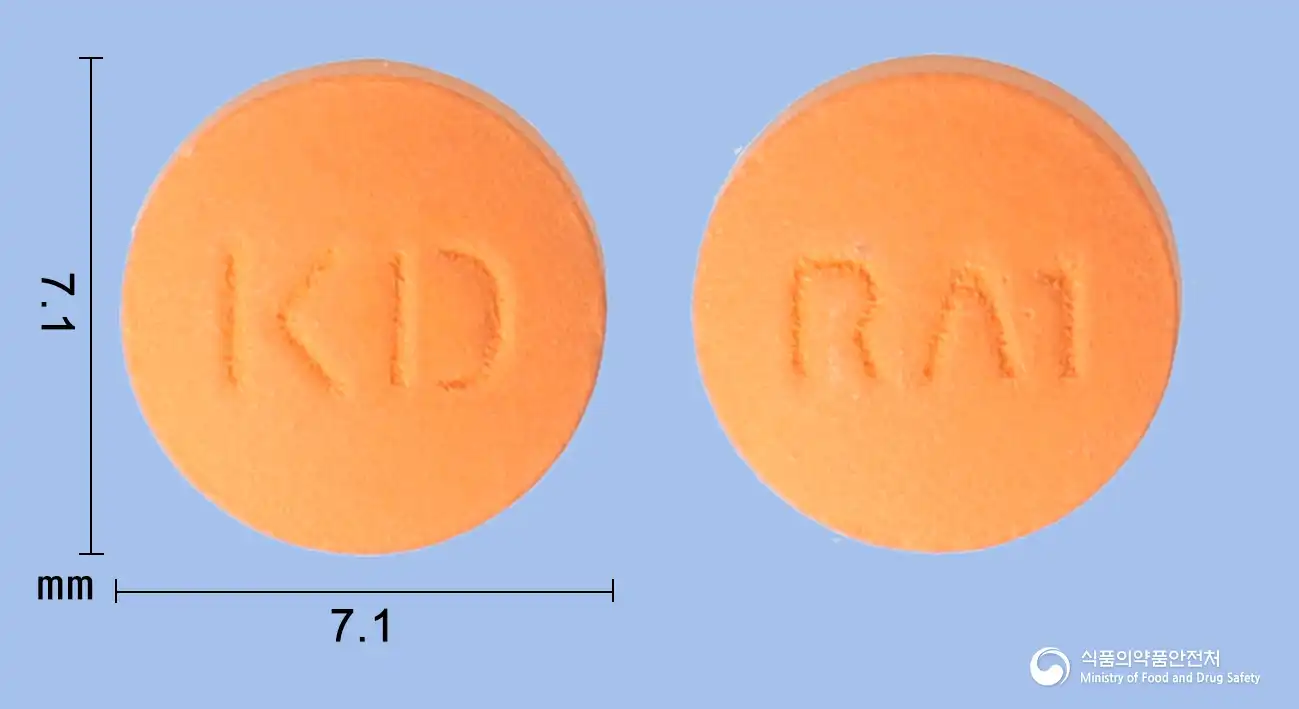 Combination
Rosuvastatin Calcium 5.2mg · Amlodipine Besylate 6.944mg
Tablet · Prescription medication · Combination
Kyungdong Pharmaceutical Co., Ltd.
Even with the same ingredient, the dose and directions can differ by strength and dosage form. Talk to a doctor or pharmacist before switching from a medication you are already taking.
No questions yet.
For anything that needs medical judgment, consult a doctor or pharmacist.
This drug information is based on data provided by the Korea Ministry of Food and Drug Safety.
Consult a doctor or pharmacist for accurate dosage, administration, and usage instructions.