
 한국어
 English
 日本語
 中文(简体)
 Viewing nowCombination
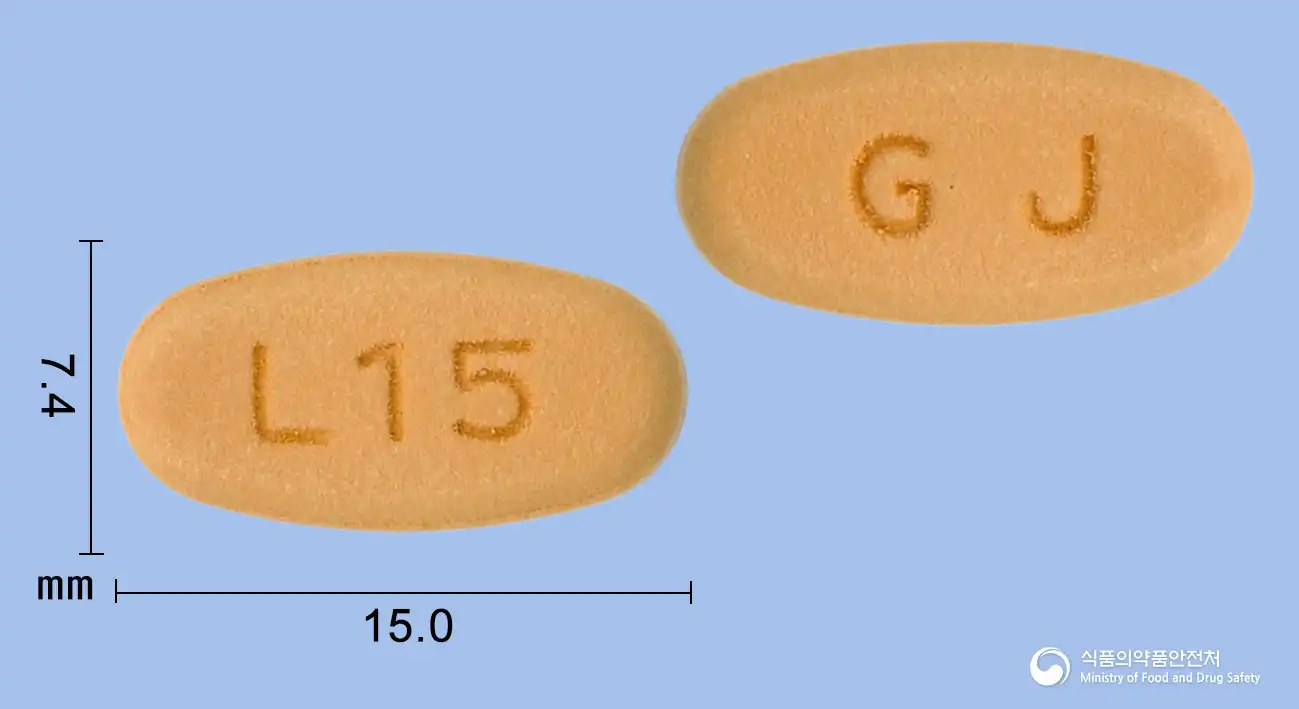
Lansoduo Tablet 15/600 mg (Lansoprazole, Calcium Carbonate)
Precipitated Calcium Carbonate 600mg · Lansoprazole 15mg
Tablet · Prescription medication · Combination
Gujoo Pharmaceutical Co., Ltd.
MFDS item code 202500565 · Approved 2025.03.14 · Insurance code 669806410
Treatment and maintenance treatment of gastroesophageal reflux disease (including erosive esophagitis) and gastric and duodenal ulcers
This medication is used for the short-term treatment of active duodenal ulcers and benign gastric ulcers. It is also effective for the maintenance therapy to prevent recurrence after treatment of duodenal ulcers. It can provide short-term treatment for symptoms related to gastroesophageal reflux disease and erosive esophagitis, and it can be utilized for maintenance therapy after treatment. In summary, it is used to improve symptoms of ulcers in the stomach and duodenum as well as gastroesophageal reflux while preventing recurrence.
Take this medication on an empty stomach at least 1 hour before a meal. Swallow it whole with at least half a cup of water. Do not take it with any beverage other than water. Do not chew or crush this medication. This medication 15/600mg and 30/600mg contains 15 and 30mg of lansoprazole, respectively. However, note that the amount of calcium carbonate in 2 tablets of this medication 15/600mg is not the same as that in 1 tablet of 30/600mg. 1. Short-term treatment of active duodenal ulcers: Administer 15/600 mg orally once daily for 4 weeks 2. Short-term treatment of active benign gastric ulcers: Administer 30/600 mg orally once daily for 8 weeks 3. Maintenance therapy following treatment of duodenal ulcers: Administer 15/600 mg orally once daily The duration of comparative clinical trials did not exceed 12 months. 4. Short-term treatment of symptoms associated with gastroesophageal reflux disease: Administer 15/600 mg orally once daily for 8 weeks 5. Short-term treatment of erosive reflux esophagitis: Administer 30/600 mg orally once daily for 8 weeks 6. Maintenance therapy following treatment of erosive reflux esophagitis: Administer 15/600 mg orally once daily Elderly patients: Dose adjustment is necessary because clearance of this medication is reduced in elderly patients. Do not exceed a daily dose of 30 mg. Patients with hepatic impairment: Use this medication with caution, including dose adjustment, because its metabolism and excretion may be delayed in patients with hepatic impairment.
This medication should not be used by patients who are allergic to specific ingredients or have previously experienced hypersensitivity reactions to benzimidazole drugs. Caution is needed as this medication may reduce the efficacy when taken with some drugs used in HIV treatment. It is safer for pregnant women to avoid this medication, and nursing mothers should consult with a doctor or temporarily discontinue breastfeeding while taking this medication. It is advisable not to administer this medication to patients with severe kidney impairment, severe hypercalcemia, or parathyroid dysfunction. Patients who have had allergic reactions to drugs in the past, those with liver dysfunction, elderly patients, and those with constipation should use this medication with increased caution. During the use of this medication, severe allergic reactions, blood disorders, liver dysfunction, skin diseases, etc. can rarely occur, so any unusual symptoms should be reported to a doctor immediately. Long-term usage of this medication may result in nutrient deficiencies, such as vitamin B12 deficiency or hypomagnesemia, so regular testing is necessary. This medication suppresses gastric acid secretion, which may increase the risk of certain bacterial infections. If diarrhea persists or symptoms worsen, consultation with medical professionals is recommended. Dizziness, drowsiness, and visual disturbances may occur, so it is advisable to avoid driving or operating machinery if these symptoms arise. As this medication may interact with other drugs, particularly anticoagulants, antibiotics, and antivirals, it is crucial to inform medical professionals if you are taking these medications. This medication should be kept out of the reach of children, and it is safer not to transfer it to another container arbitrarily. If any adverse reactions occur while taking this medication, it is very important to stop taking it immediately and consult with medical professionals.
Not everyone experiences these, and they can vary from person to person.
This medication should be stored in a tightly closed container to avoid contact with air or moisture, and it is safest to keep it at room temperature between 1 degree and 30 degrees Celsius. Therefore, it is advisable to avoid direct sunlight, high temperatures, and low temperatures during storage.
Yellow oval film-coated tablet
28 tablets / bottle
Even with the same ingredient, strength, dosage form and how it is taken can differ.
Viewing nowCombinationPrecipitated Calcium Carbonate 600mg · Lansoprazole 15mg
Tablet · Prescription medication · Combination
Gujoo Pharmaceutical Co., Ltd.
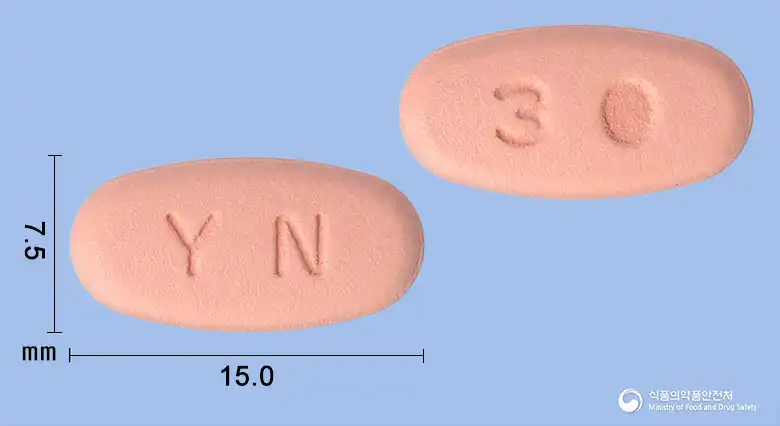 Combination
Lansoprazole 30mg · Precipitated Calcium Carbonate 600mg
Tablet · Prescription medication · Combination
You & Life Sciences Co., Ltd.
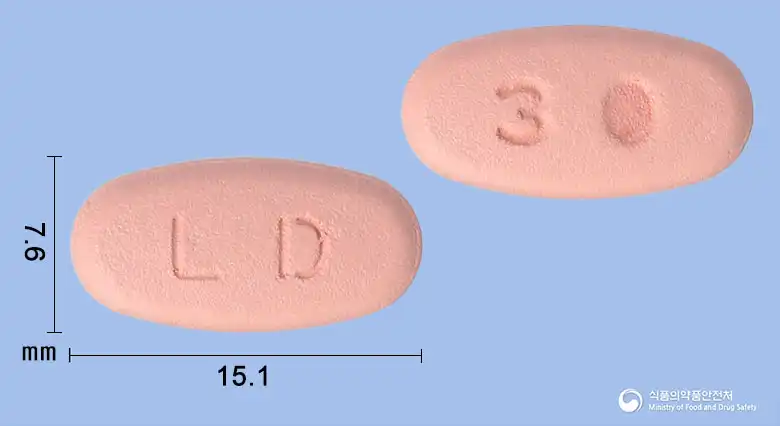 Combination
Lansoprazole 30mg · Precipitated Calcium Carbonate 600mg
Tablet · Prescription medication · Combination
Unimed Pharmaceutical Co., Ltd.
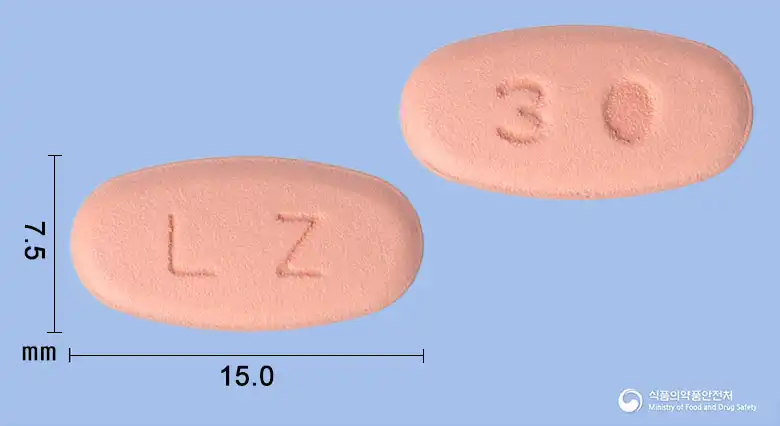 Combination
Lansoprazole 30mg · Precipitated Calcium Carbonate 600mg
Tablet · Prescription medication · Combination
Hana Pharmaceutical Co., Ltd.
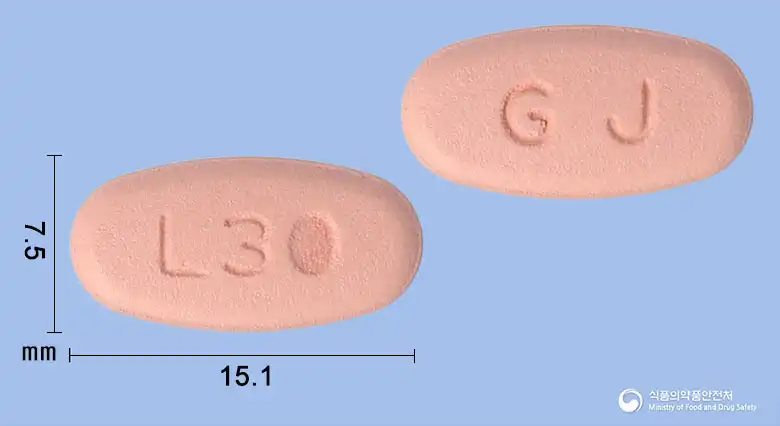 Combination
Lansoprazole 30mg · Precipitated Calcium Carbonate 600mg
Tablet · Prescription medication · Combination
Kujoo Pharmaceutical Co., Ltd.
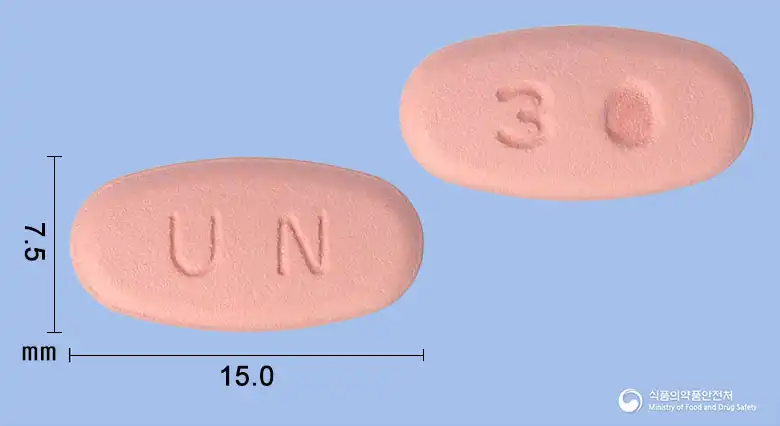 Combination
Lansoprazole 30mg · Precipitated Calcium Carbonate 600mg
Tablet · Prescription medication · Combination
Korea Union Pharmaceuticals Co., Ltd.
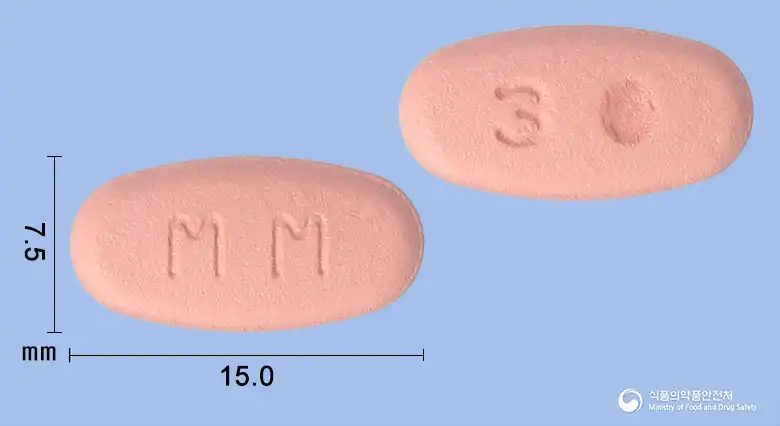 Combination
Lansoprazole 30mg · Precipitated Calcium Carbonate 600mg
Tablet · Prescription medication · Combination
Myeongmoon Pharmaceutical Co., Ltd.
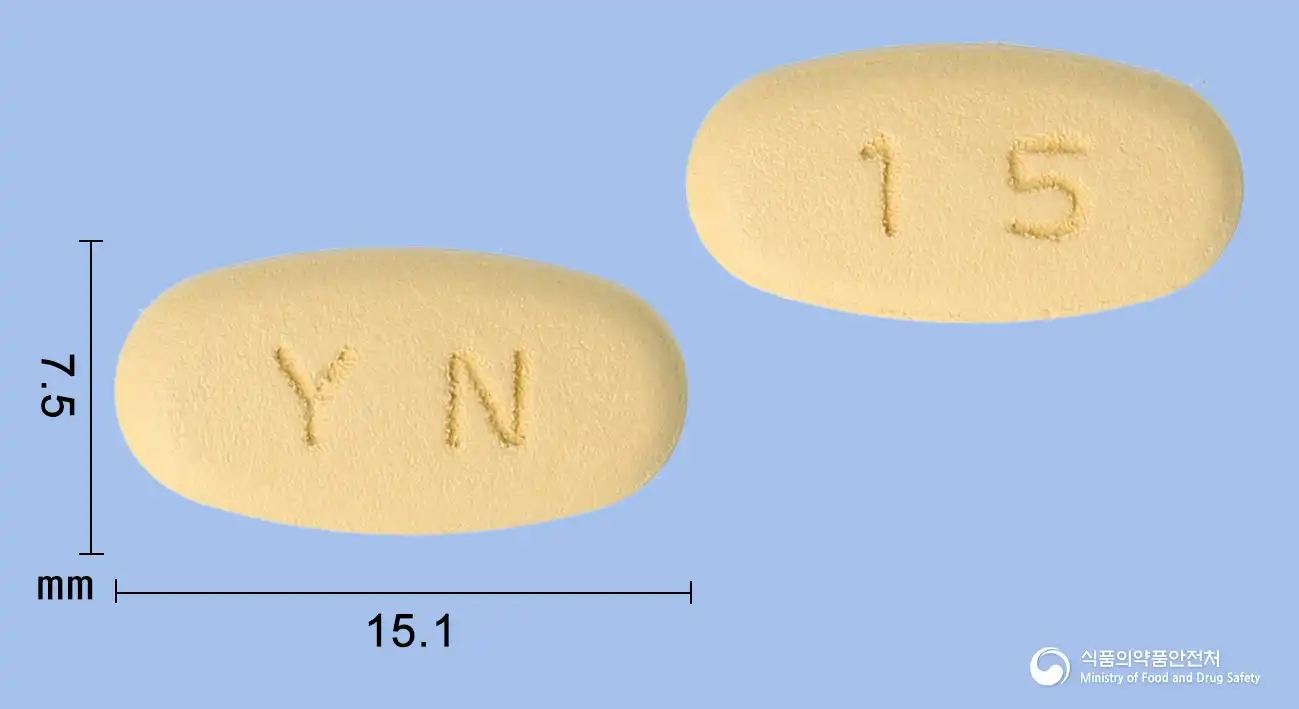 Combination
Lansoprazole 15mg · Precipitated Calcium Carbonate 600mg
Tablet · Prescription medication · Combination
U&Life Sciences Co., Ltd.
Even with the same ingredient, the dose and directions can differ by strength and dosage form. Talk to a doctor or pharmacist before switching from a medication you are already taking.
No questions yet.
For anything that needs medical judgment, consult a doctor or pharmacist.
This drug information is based on data provided by the Korea Ministry of Food and Drug Safety.
Consult a doctor or pharmacist for accurate dosage, administration, and usage instructions.