
 한국어
한국어 English
 日本語
日本語 中文(简体)
 Viewing nowCombination
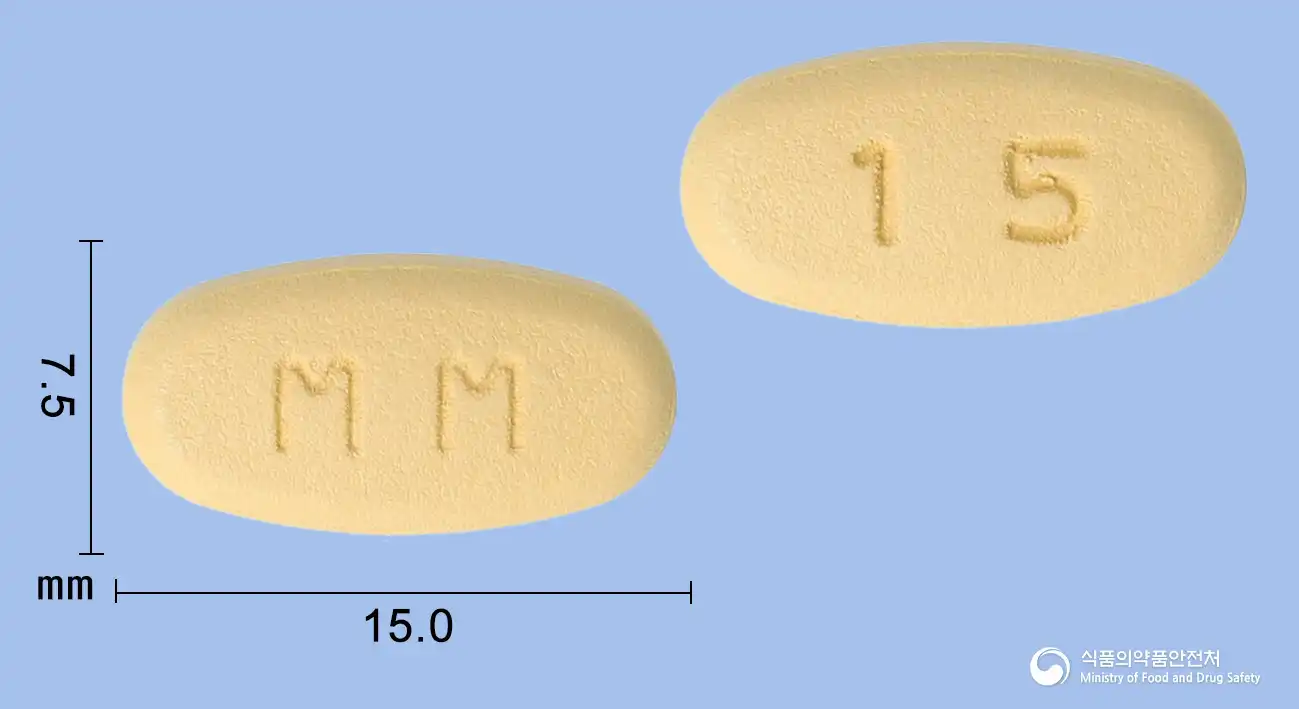
Lansotage 15/600 mg (Lansoprazole, Calcium Carbonate)
Lansoprazole 15mg · Precipitated Calcium Carbonate 600mg
Tablet · Prescription medication · Combination
Myungmoon Pharmaceutical Co., Ltd.
MFDS item code 202500564 · Approved 2025.03.14 · Insurance code 649808310
Treatment of active duodenal ulcers and gastric ulcers, improvement of symptoms associated with gastroesophageal reflux disease
This medication is used for short-term treatment of active duodenal ulcers and active benign gastric ulcers. It is also used as maintenance therapy to prevent recurrence after duodenal ulcer treatment. It temporarily alleviates symptoms due to gastroesophageal reflux disease and erosive esophagitis and is used as maintenance therapy after erosive esophagitis treatment. This treatment effectively improves symptoms of gastrointestinal diseases.
This medication should be taken at least 1 hour before meals on an empty stomach. Take it with at least half a cup of water. Do not take it with any beverages other than water. Do not chew or crush the tablets. 1. Short-term treatment of active duodenal ulcer: 15/600 mg taken orally once a day for 4 weeks 2. Short-term treatment of active benign gastric ulcer: 30/600 mg taken orally once a day for 8 weeks 3.
This medication should not be used in patients with allergic reactions to specific ingredients, those taking HIV treatments or medications containing rilpivirine, pregnant women, and patients with severe hypercalcemia or significantly impaired renal function. Care should be taken when using this medication in patients with a history of drug allergies, poor liver function, elderly patients, breastfeeding women, patients with heart or lung problems, and those with severe constipation. This medication can rarely cause serious allergic reactions, blood disorders, liver dysfunction, skin diseases, pneumonia, nephritis, and other side effects; any abnormal symptoms should prompt immediate discontinuation and consultation with a physician. During treatment, symptoms such as headaches or diarrhea may occur, with various side effects reported, including gastrointestinal disturbances, skin rashes, and shortness of breath. This medication suppresses gastric acid secretion, which may affect the absorption of other drugs; caution is needed when combined with specific medications, and a consultation with a physician is recommended. Long-term use may lead to vitamin B12 deficiency or hypomagnesemia, necessitating regular check-ups. Additionally, prolonged use of this medication may increase the risk of fractures, so it is advisable to take it at the minimum effective dose for the shortest duration necessary. Use during pregnancy is not recommended, and breastfeeding women should also avoid administration or discontinue breastfeeding. Dizziness, drowsiness, and visual disturbances may occur; caution is required when driving or operating machinery. In case of overdose, gastric lavage or treatment according to symptoms may be necessary; this medication is not removed by hemodialysis. Keep out of reach of children and take care not to transfer to other containers.
Hives, severe swelling (edema), chest tightness, difficulty breathing, cold sweat, pallor, generalized rash, facial swelling, respiratory distress, shock, pancytopenia, agranulocytosis, hemolytic anemia, neutropenia, thrombocytopenia, anemia, jaundice, toxic liver dysfunction accompanied by elevated AST and ALT, toxic epidermal necrolysis (Lyell syndrome), Stevens-Johnson syndrome, DRESS syndrome, interstitial pneumonia, fever, cough,
Not everyone experiences these, and they can vary from person to person.
This medication should be stored in a tightly closed container to avoid exposure to air or moisture. It is important to maintain a storage temperature between 1 to 30 degrees Celsius. This will help preserve the effectiveness and safety of the medication.
Yellow oval film-coated tablet
28 tablets/bottle
Even with the same ingredient, strength, dosage form and how it is taken can differ.
Viewing nowCombinationLansoprazole 15mg · Precipitated Calcium Carbonate 600mg
Tablet · Prescription medication · Combination
Myungmoon Pharmaceutical Co., Ltd.
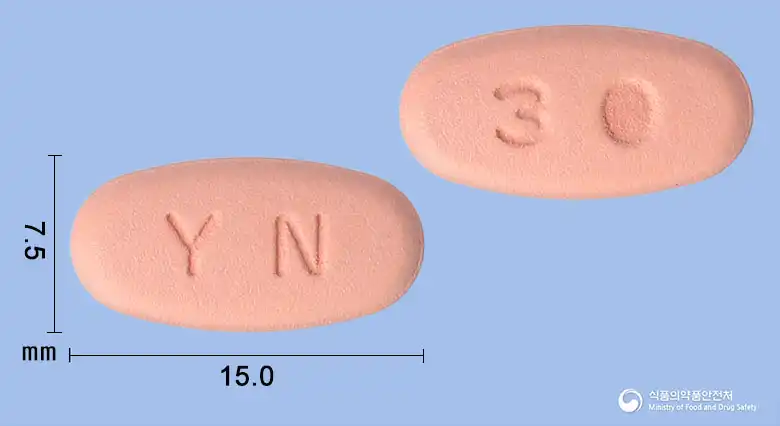 Combination
Lansoprazole 30mg · Precipitated Calcium Carbonate 600mg
Tablet · Prescription medication · Combination
You & Life Sciences Co., Ltd.
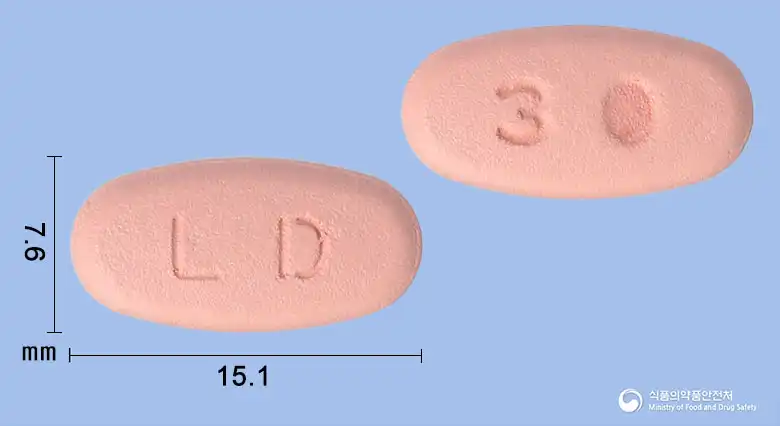 Combination
Lansoprazole 30mg · Precipitated Calcium Carbonate 600mg
Tablet · Prescription medication · Combination
Unimed Pharmaceutical Co., Ltd.
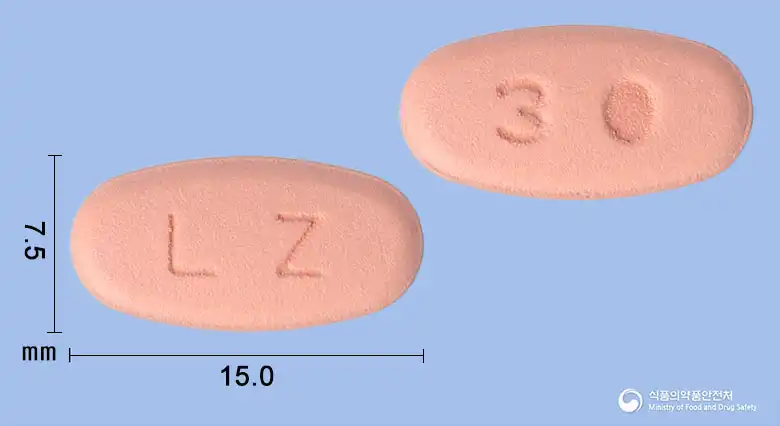 Combination
Lansoprazole 30mg · Precipitated Calcium Carbonate 600mg
Tablet · Prescription medication · Combination
Hana Pharmaceutical Co., Ltd.
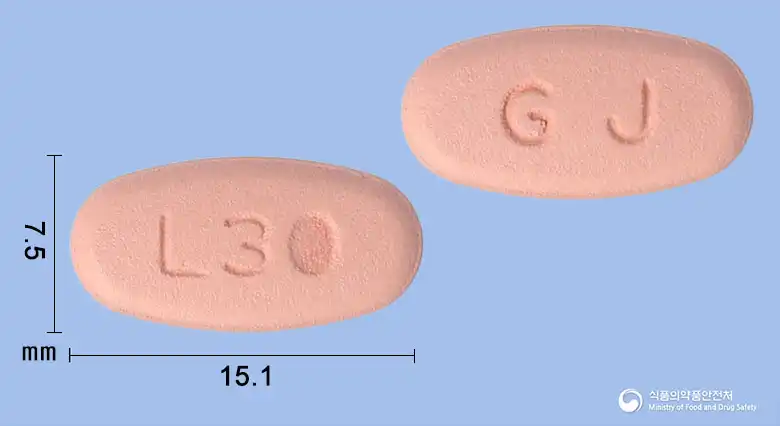 Combination
Lansoprazole 30mg · Precipitated Calcium Carbonate 600mg
Tablet · Prescription medication · Combination
Kujoo Pharmaceutical Co., Ltd.
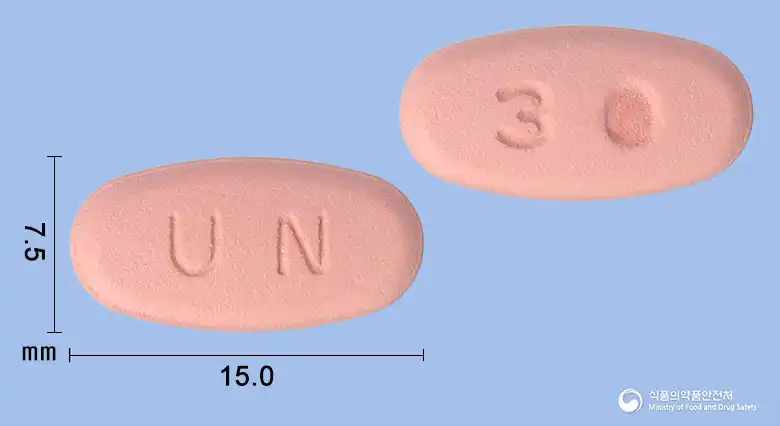 Combination
Lansoprazole 30mg · Precipitated Calcium Carbonate 600mg
Tablet · Prescription medication · Combination
Korea Union Pharmaceuticals Co., Ltd.
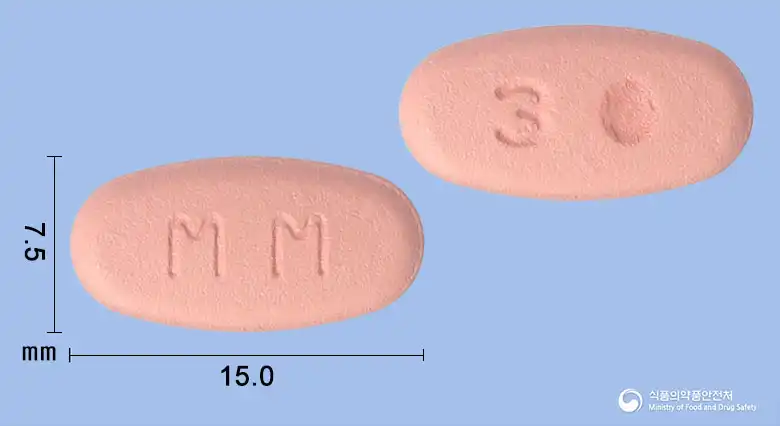 Combination
Lansoprazole 30mg · Precipitated Calcium Carbonate 600mg
Tablet · Prescription medication · Combination
Myeongmoon Pharmaceutical Co., Ltd.
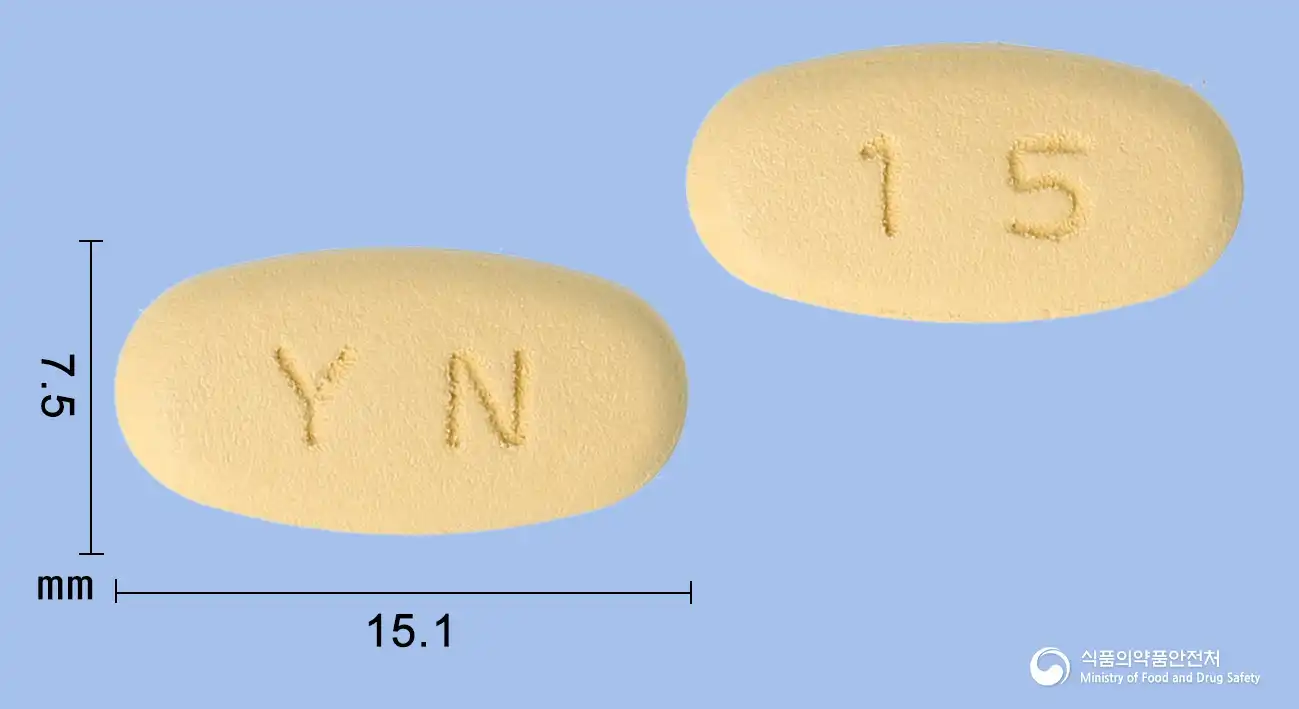 Combination
Lansoprazole 15mg · Precipitated Calcium Carbonate 600mg
Tablet · Prescription medication · Combination
U&Life Sciences Co., Ltd.
Even with the same ingredient, the dose and directions can differ by strength and dosage form. Talk to a doctor or pharmacist before switching from a medication you are already taking.
No questions yet.
For anything that needs medical judgment, consult a doctor or pharmacist.
This drug information is based on data provided by the Korea Ministry of Food and Drug Safety.
Consult a doctor or pharmacist for accurate dosage, administration, and usage instructions.