
 한국어
한국어 English
 日本語
日本語 中文(简体)
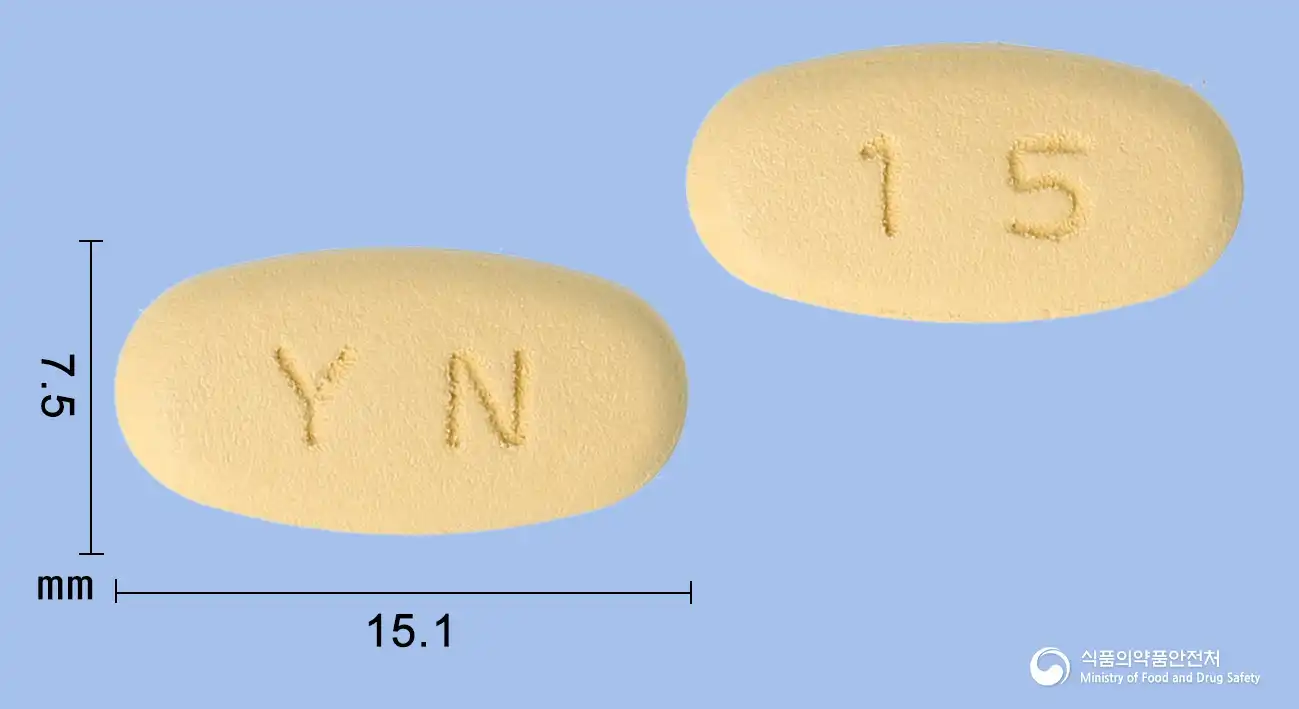 Viewing nowCombination
Lansoan Tablet 15/600 mg (Lansoprazole, Calcium Carbonate)
Lansoprazole 15mg · Precipitated Calcium Carbonate 600mg
Tablet · Prescription medication · Combination
U&Life Sciences Co., Ltd.
MFDS item code 202500561 · Approved 2025.03.14 · Insurance code 058801270
Treatment of active duodenal ulcers and gastric ulcers, and improvement of gastroesophageal reflux disease symptoms
This medication is used for the short-term treatment of active duodenal ulcers and active benign gastric ulcers. It is also effective as maintenance therapy after the treatment of duodenal ulcers. It helps with symptoms related to gastroesophageal reflux disease and the short-term treatment of erosive esophagitis. It can be used as maintenance therapy after the treatment of erosive esophagitis. In summary, this medication is used for the treatment of ulcers in the stomach and duodenum and for alleviating and maintaining symptoms of gastroesophageal reflux.
This medication should be taken at least 1 hour before meals on an empty stomach. It should be swallowed whole with at least half a cup of water. It should not be taken with other beverages except water. It should not be chewed or crushed. 1. Short-term treatment for active duodenal ulcers: 15/600 mg taken orally once daily for 4 weeks 2. Short-term treatment for active benign gastric ulcers: 30/600 mg taken orally once daily for 8 weeks 3. Maintenance therapy after treatment of duodenal ulcers: 15/600 mg taken orally once daily The duration of comparative clinical trials has not exceeded 12 months. 4. Short-term treatment for symptoms related to gastroesophageal reflux disease: 15/600 mg taken orally once daily for 8 weeks 5. Short-term treatment for erosive esophagitis: 30/600 mg taken orally once daily for 8 weeks 6. Maintenance therapy after treatment of erosive esophagitis: 15/600 mg taken orally once daily O Elderly: Due to decreased clearance of this medication in the elderly, dose adjustment is necessary. Do not exceed a daily dose of 30 mg. O Patients with liver impairment: Caution is needed as metabolism and excretion of this medication may be delayed in patients with liver impairment, and dose adjustments should be considered.
This medication should not be used in patients with allergies to specific components or those who have experienced hypersensitivity reactions. Patients taking this medication should be careful as drug interactions may occur with HIV treatments or certain antiviral drugs. It is safest for pregnant women not to take this medication, and it is recommended for breastfeeding women to discontinue breastfeeding while on this medication. Patients with severe renal impairment, hypercalcemia, or parathyroid dysfunction should avoid using this medication. This medication should be used cautiously in patients with a history of drug hypersensitivity, liver dysfunction, elderly patients, or those with constipation. This medication can rarely cause serious allergic reactions, blood anomalies, liver dysfunction, skin diseases, pneumonia, and other significant side effects, so patients should consult a doctor immediately if abnormal symptoms occur. Long-term use may lead to vitamin B12 deficiency or hypomagnesemia, so regular testing is required. This medication inhibits gastric acid secretion and may affect the absorption of some drugs, so consultation with a specialist is necessary when taken with other medications. Particular caution is needed when it is taken with certain antiviral drugs, antibiotics, and anticoagulants due to potential changes in drug concentrations. During the course of this medication, patients may experience dizziness, drowsiness, and visual disturbances, so care should be taken when driving or operating machinery. There are no specific detoxification methods in case of overdose; however, gastric lavage or symptomatic treatment may be provided if necessary. This medication should be kept out of reach of children and should not be transferred to other containers to ensure safety.
Urticaria, severe swelling (edema), tightness in the chest, difficulty breathing, cold sweat, pallor, anaphylaxis, shock, pancytopenia, agranulocytosis, hemolytic anemia, neutropenia, thrombocytopenia, anemia, jaundice, toxic liver dysfunction, toxic epidermal necrolysis (Lyell syndrome), Stevens-Johnson syndrome, DRESS syndrome, interstitial pneumonia, interstitial nephritis, acute renal failure, severe headache, seizures, confusion of consciousness,
Not everyone experiences these, and they can vary from person to person.
This medication may be sensitive to air or moisture, so it must be stored in a tightly sealed container. It is best to keep it at room temperature between 1 and 30 degrees Celsius. This will help maintain the effectiveness of the medication and ensure safe use.
Yellow oval film-coated tablet
28 tablets/bottle
Even with the same ingredient, strength, dosage form and how it is taken can differ.
Viewing nowCombinationLansoprazole 15mg · Precipitated Calcium Carbonate 600mg
Tablet · Prescription medication · Combination
U&Life Sciences Co., Ltd.
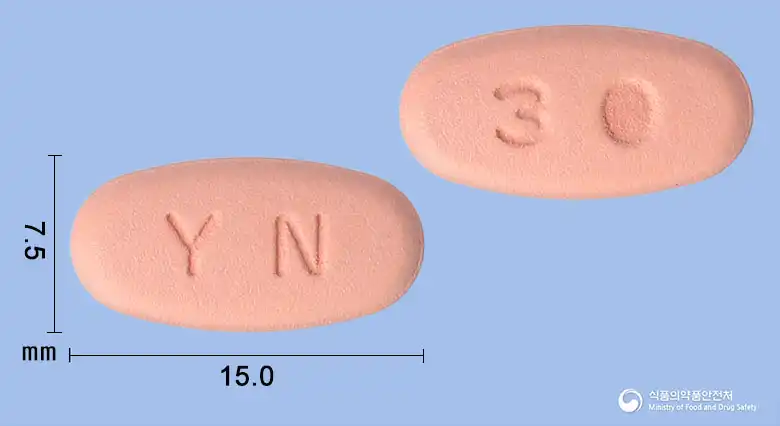 Combination
Lansoprazole 30mg · Precipitated Calcium Carbonate 600mg
Tablet · Prescription medication · Combination
You & Life Sciences Co., Ltd.
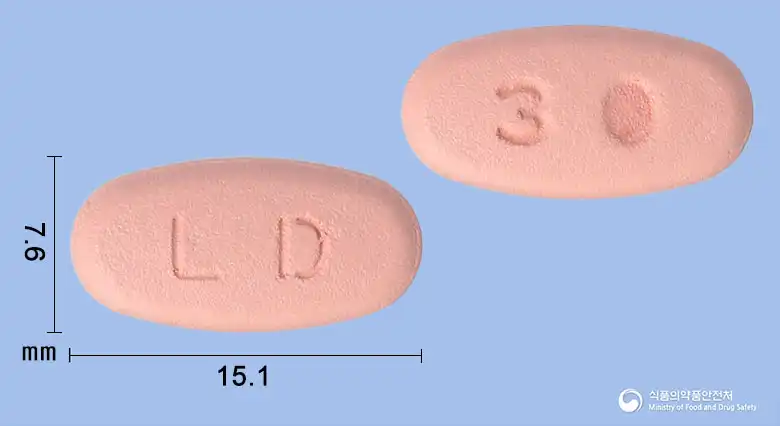 Combination
Lansoprazole 30mg · Precipitated Calcium Carbonate 600mg
Tablet · Prescription medication · Combination
Unimed Pharmaceutical Co., Ltd.
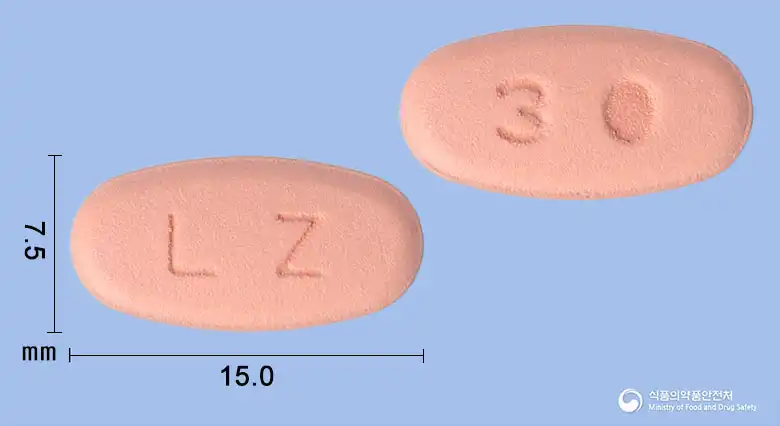 Combination
Lansoprazole 30mg · Precipitated Calcium Carbonate 600mg
Tablet · Prescription medication · Combination
Hana Pharmaceutical Co., Ltd.
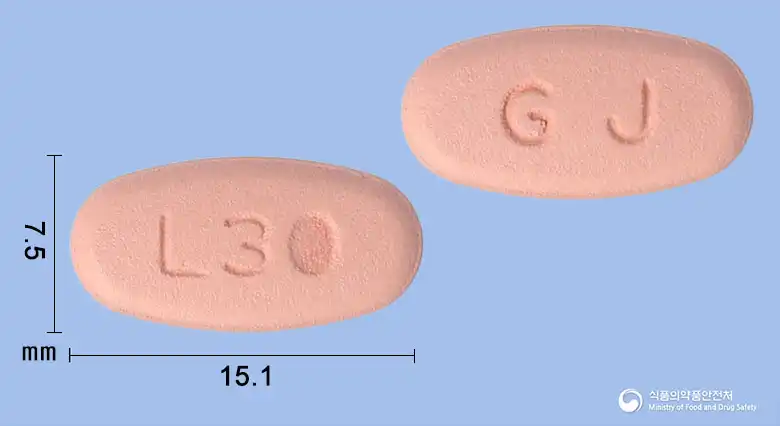 Combination
Lansoprazole 30mg · Precipitated Calcium Carbonate 600mg
Tablet · Prescription medication · Combination
Kujoo Pharmaceutical Co., Ltd.
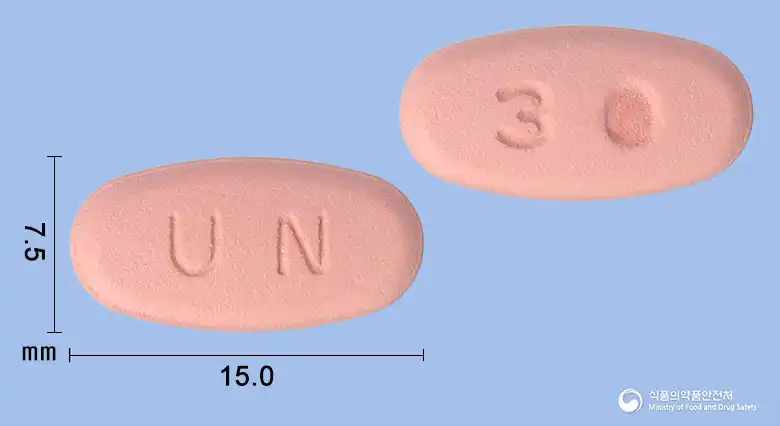 Combination
Lansoprazole 30mg · Precipitated Calcium Carbonate 600mg
Tablet · Prescription medication · Combination
Korea Union Pharmaceuticals Co., Ltd.
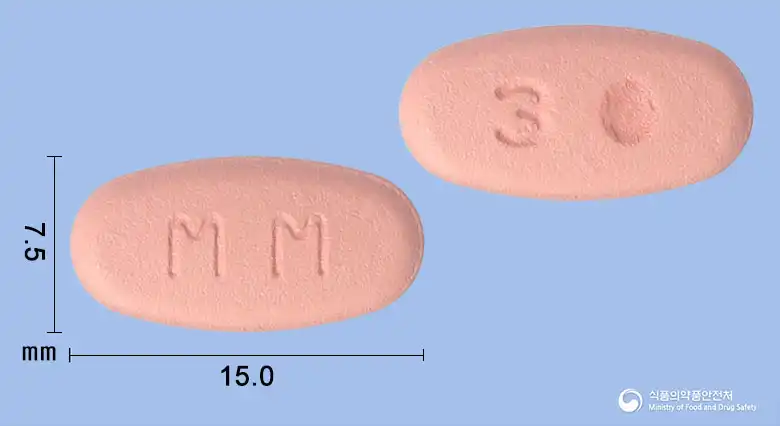 Combination
Lansoprazole 30mg · Precipitated Calcium Carbonate 600mg
Tablet · Prescription medication · Combination
Myeongmoon Pharmaceutical Co., Ltd.
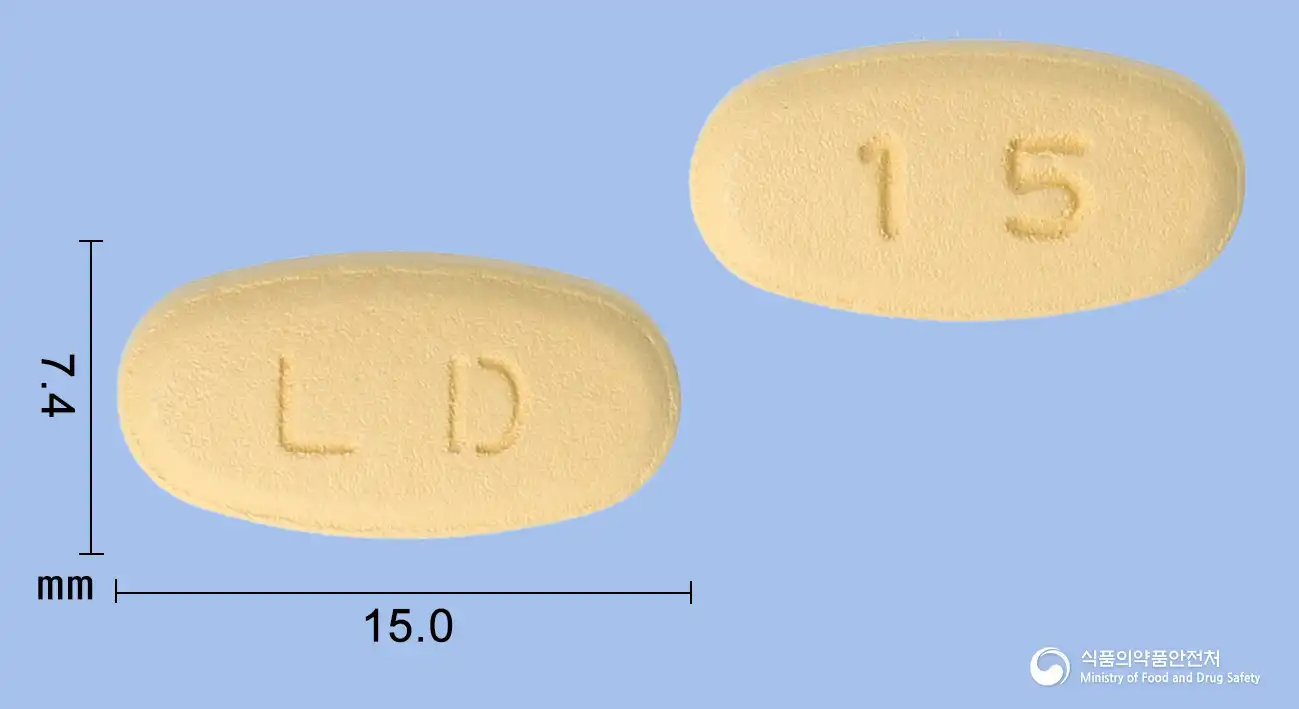 Combination
Lansoprazole 15mg · Precipitated Calcium Carbonate 600mg
Tablet · Prescription medication · Combination
Unimed Pharmaceutical Co., Ltd.
Even with the same ingredient, the dose and directions can differ by strength and dosage form. Talk to a doctor or pharmacist before switching from a medication you are already taking.
No questions yet.
For anything that needs medical judgment, consult a doctor or pharmacist.
This drug information is based on data provided by the Korea Ministry of Food and Drug Safety.
Consult a doctor or pharmacist for accurate dosage, administration, and usage instructions.