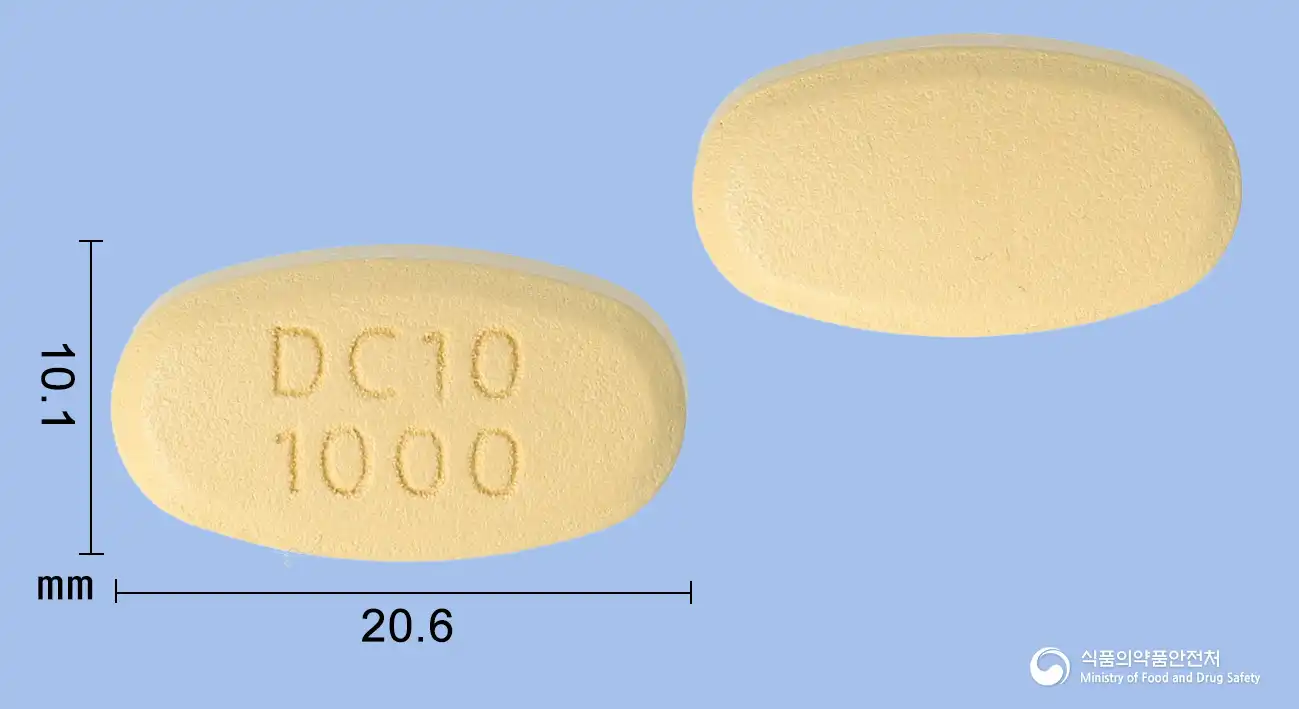
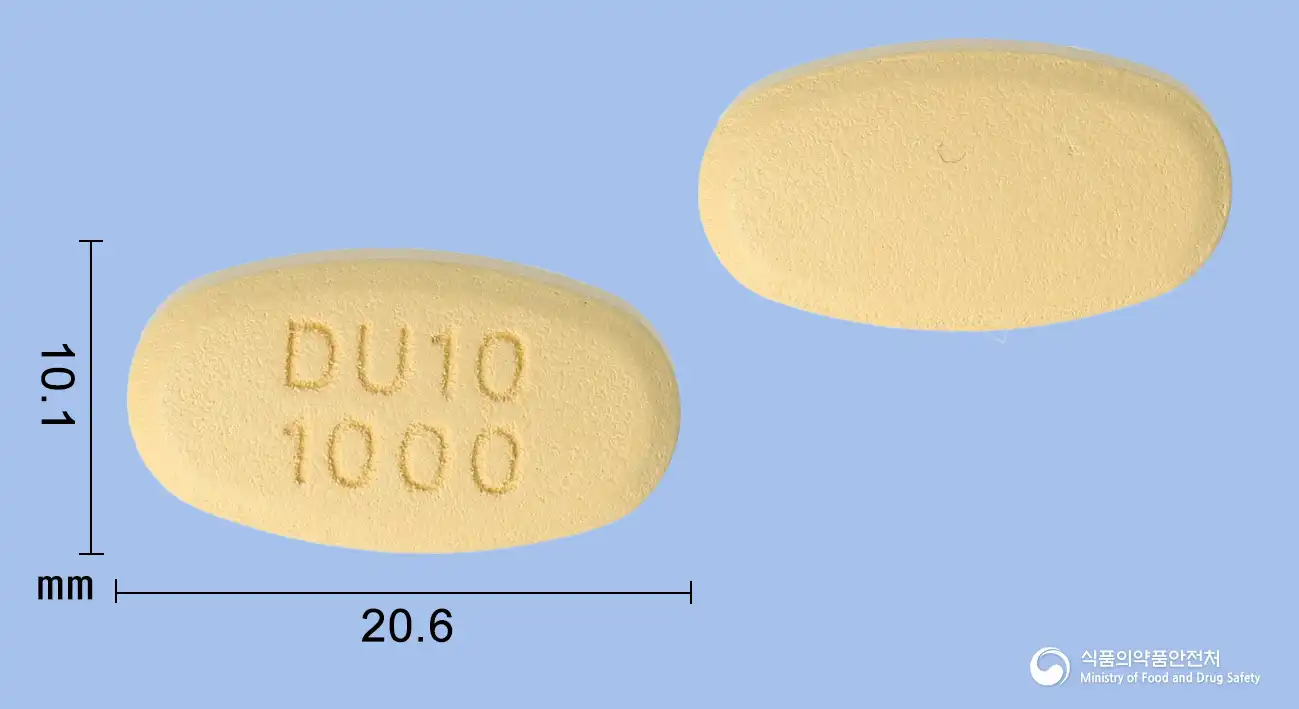
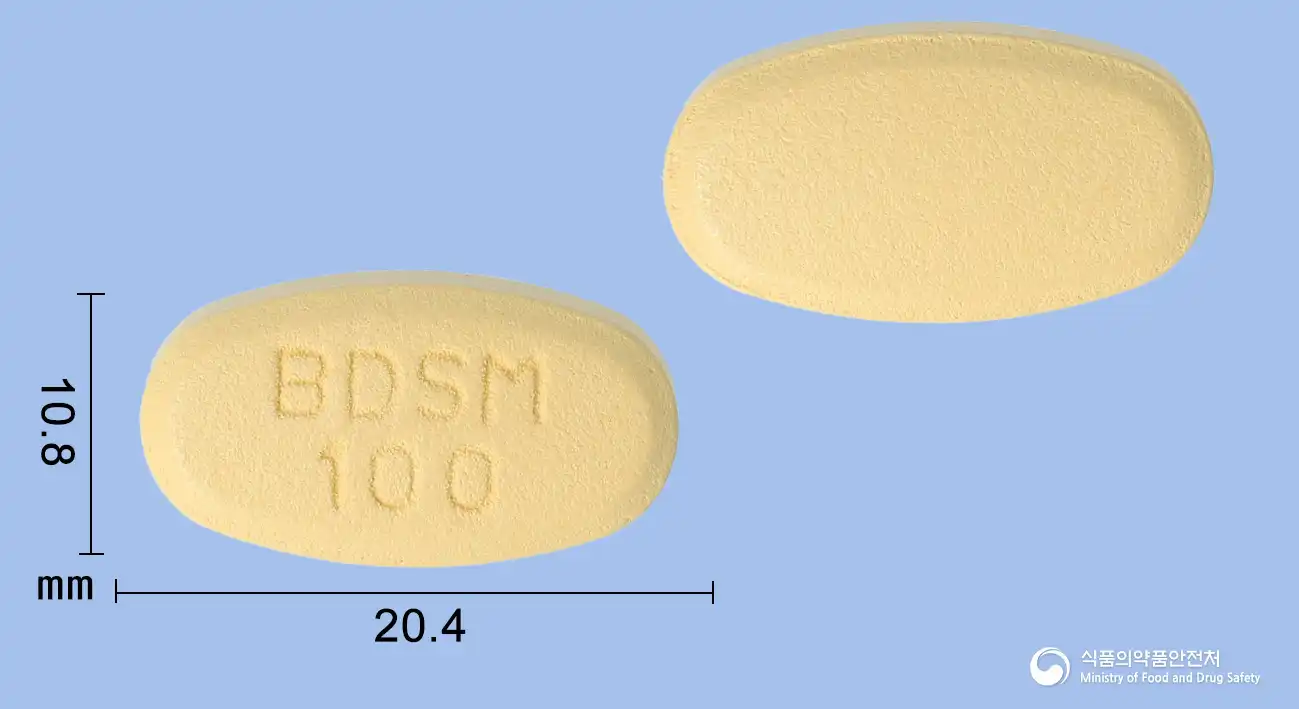
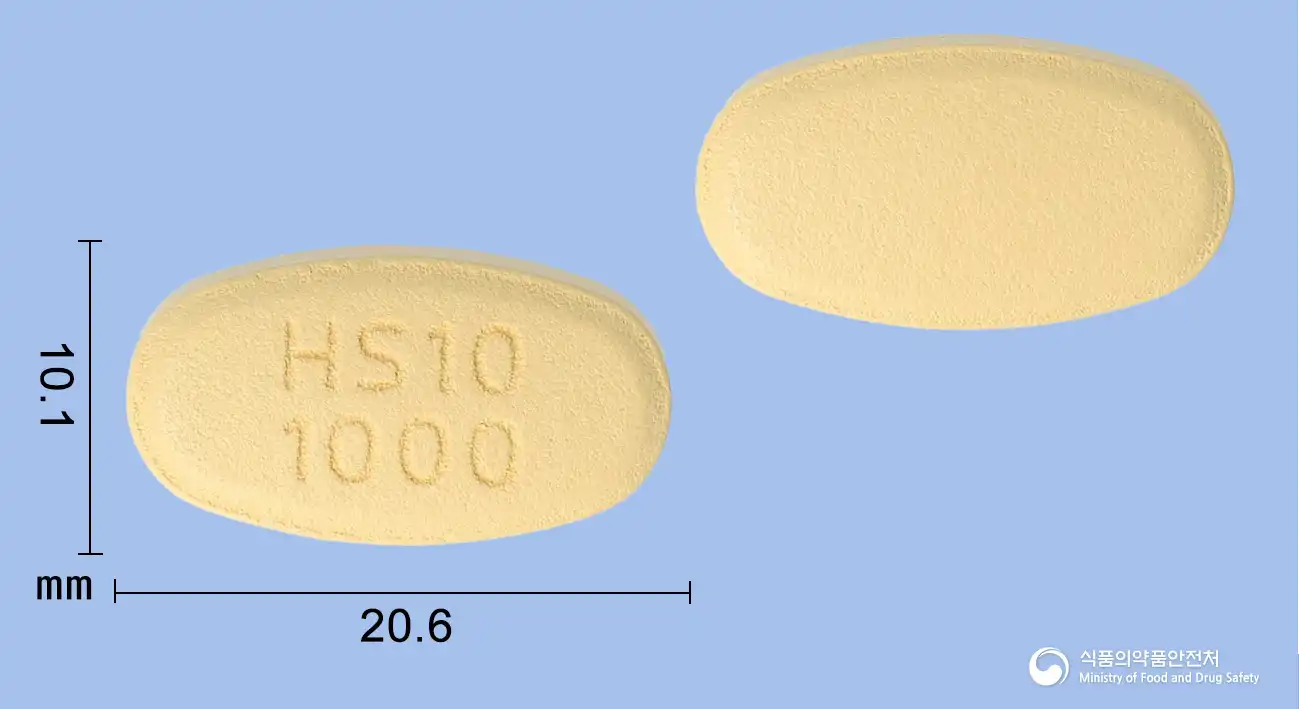
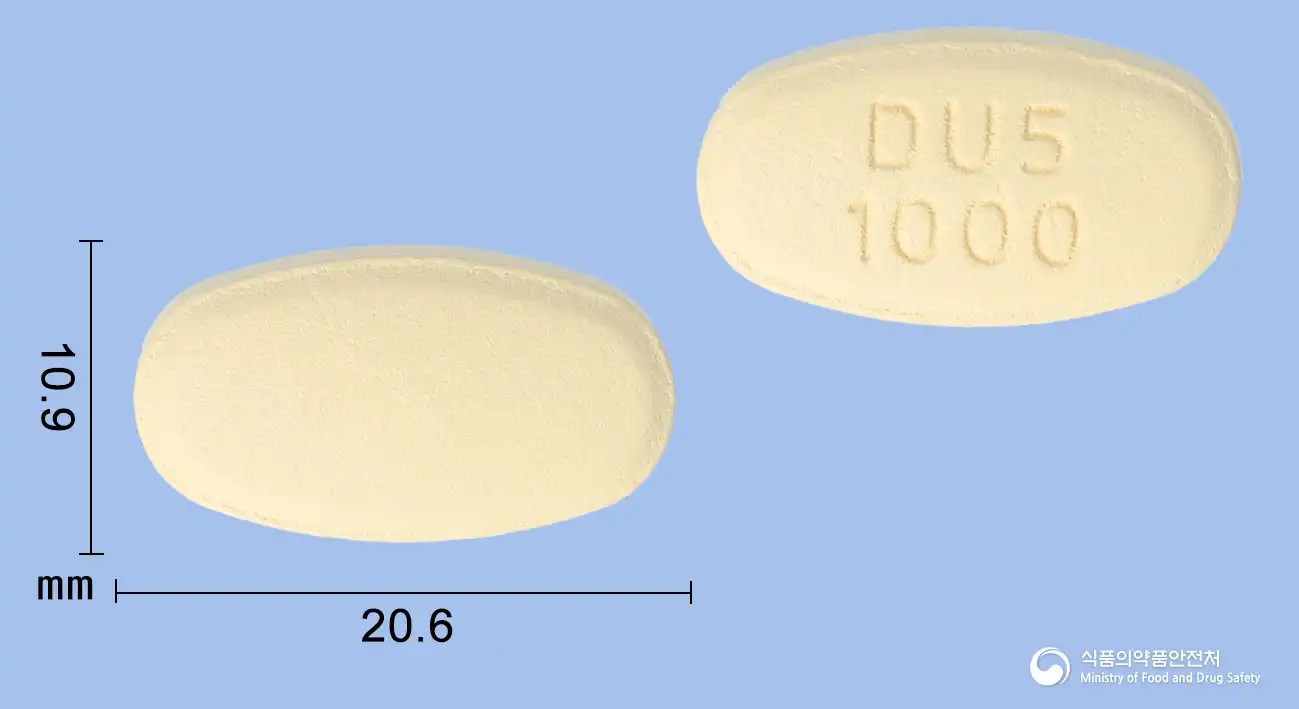
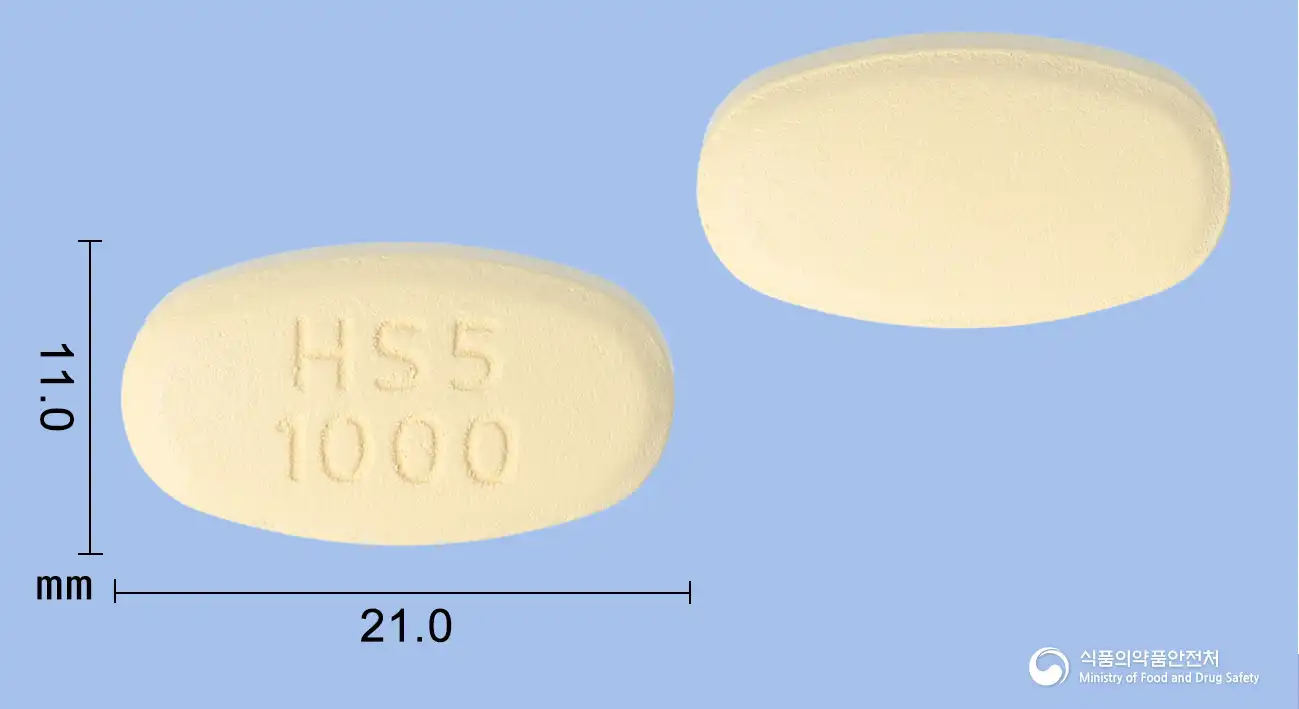
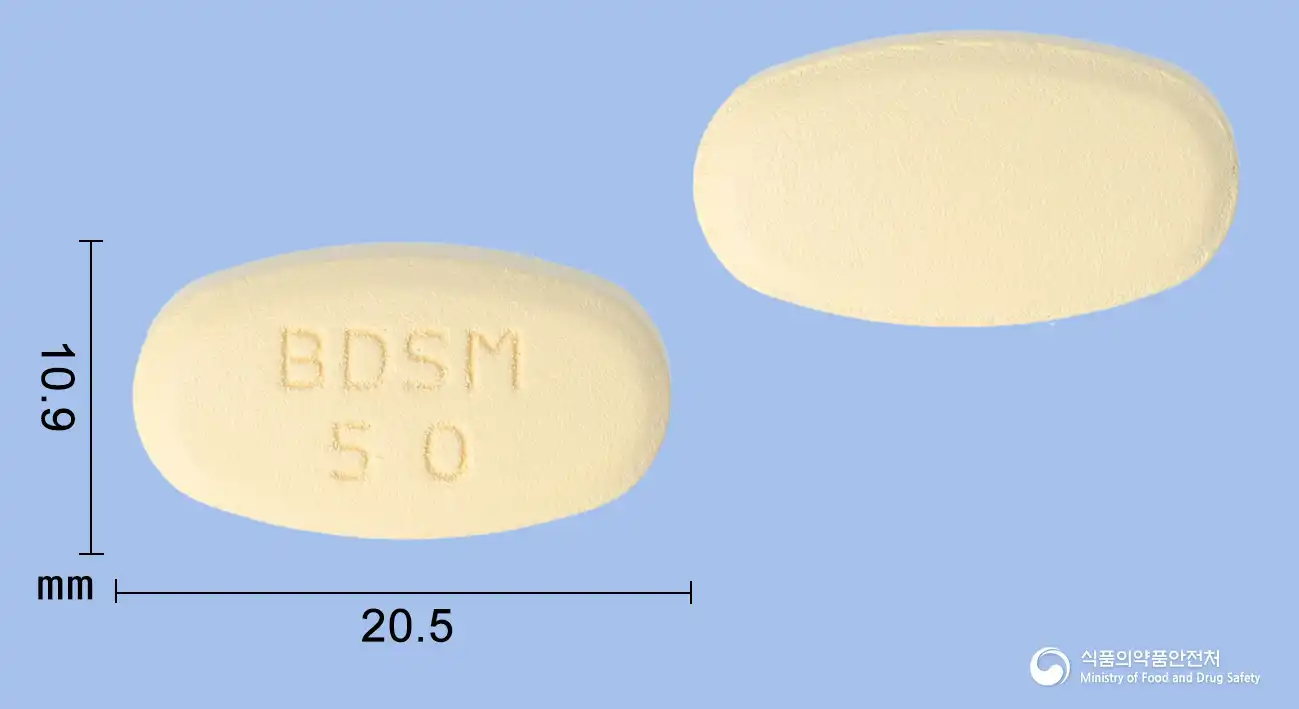
Improvement in blood sugar control in type 2 diabetes
Who takes it
Adults
Adult dose
The recommended dosage for this medication is 10 mg of dapagliflozin and 100 mg of sitagliptin, with extended-release metformin hydrochloride not exceeding 2000 mg, determined based on each patient’s current treatment regimen, efficacy, and tolerability.
To reduce gastrointestinal adverse effects caused by metformin hydrochloride, it should be taken once a day with meals, preferably in the evening.
Improvement in blood sugar control in type 2 diabetes
View approved original textHide original text
This medication assists in achieving effective blood sugar control in patients with type 2 diabetes when used in conjunction with lifestyle changes such as diet and exercise alongside dapagliflozin, sitagliptin, and metformin. Specifically, it helps improve blood sugar levels, assisting in diabetes management.
How to take
Adult dose
The recommended dosage for this medication is 10 mg of dapagliflozin and 100 mg of sitagliptin, with extended-release metformin hydrochloride not exceeding 2000 mg, determined based on each patient’s current treatment regimen, efficacy, and tolerability.
To reduce gastrointestinal adverse effects caused by metformin hydrochloride, it should be taken once a day with meals, preferably in the evening.
Precautions
This medication is used for the treatment of diabetes and helps lower blood sugar levels.
However, there are several precautions to consider while taking this medication.
First, some components in this medication may cause allergic reactions. If symptoms such as skin rash or shortness of breath occur, discontinue use immediately.
Additionally, there is a potential for pancreatitis (inflammation of the pancreas), so if sudden abdominal pain, vomiting, or fever occurs, consult a physician immediately.
For patients with impaired renal function or in a state of dehydration, the use of this medication may pose risks, so it's essential to consult a physician before taking it.
Patients scheduled for surgery or experiencing severe infections should also temporarily discontinue this medication and resume it only after renal function has returned to normal.
This medication may rarely cause serious side effects such as hypoglycemia or lactic acidosis, so if symptoms like dizziness, muscle pain, difficulty in breathing, or abdominal pain arise, visit a medical facility immediately.
Furthermore, fluid volume may decrease, leading to lower blood pressure, so elderly individuals or those taking diuretics should exercise caution.
Genital infections or urinary tract infections may also occur, so if related symptoms appear, early treatment should be sought.
While taking this medication, regular kidney and liver function tests should be conducted, and dosage adjustments or discontinuation should be made when necessary.
Finally, alcohol consumption can increase the risk of side effects from this medication, so it is advisable to avoid drinking while on this treatment.
Side effects and when to seek care immediately
Serious side effects
Hives, severe swelling (edema), chest tightness, difficulty breathing, cold sweats, paleness, severe allergic reactions, severe rash, blisters, peeling skin, pain at mucosal sites (mouth/eyes), severe skin adverse reactions, shortness of breath or difficulty breathing, asthma attack, respiratory distress with cough and fever, respiratory issues, yellowing of the skin or eyes (jaundice), profound lethargy, liver issues (jaundice), sudden and severe symptoms
Mild side effects
Headache
hypoglycemia
vomiting
diarrhea
pruritus
itching
hives
rash
cold sweats
constipation
Show 26 moreCollapse
dry mouth
weakness
fatigue
chest pain
muscle pain
myopathy
joint pain
back pain
urinary tract infection
vulvovaginitis
balanitis
genital infection
dysuria
polyuria
nocturia
elevated serum creatinine
weight loss
decreased appetite
increased appetite
taste disturbance
drowsiness
dizziness
abnormal sweating
increased serum lactate
sensory disturbances
dyspepsia
Not everyone experiences these, and they can vary from person to person.
Storage
This medication may be sensitive to air or moisture, so it should be stored in a tightly sealed container. It is also advisable to store it at room temperature between 1°C and 30°C, away from extreme heat or cold.
Even with the same ingredient, the dose and directions can differ by strength and dosage form. Talk to a doctor or pharmacist before switching from a medication you are already taking.
Questions about this medicine
No questions yet.
For anything that needs medical judgment, consult a doctor or pharmacist.
This drug information is based on data provided by the Korea Ministry of Food and Drug Safety. Consult a doctor or pharmacist for accurate dosage, administration, and usage instructions.

 한국어
한국어 English
 日本語
日本語 中文(简体)
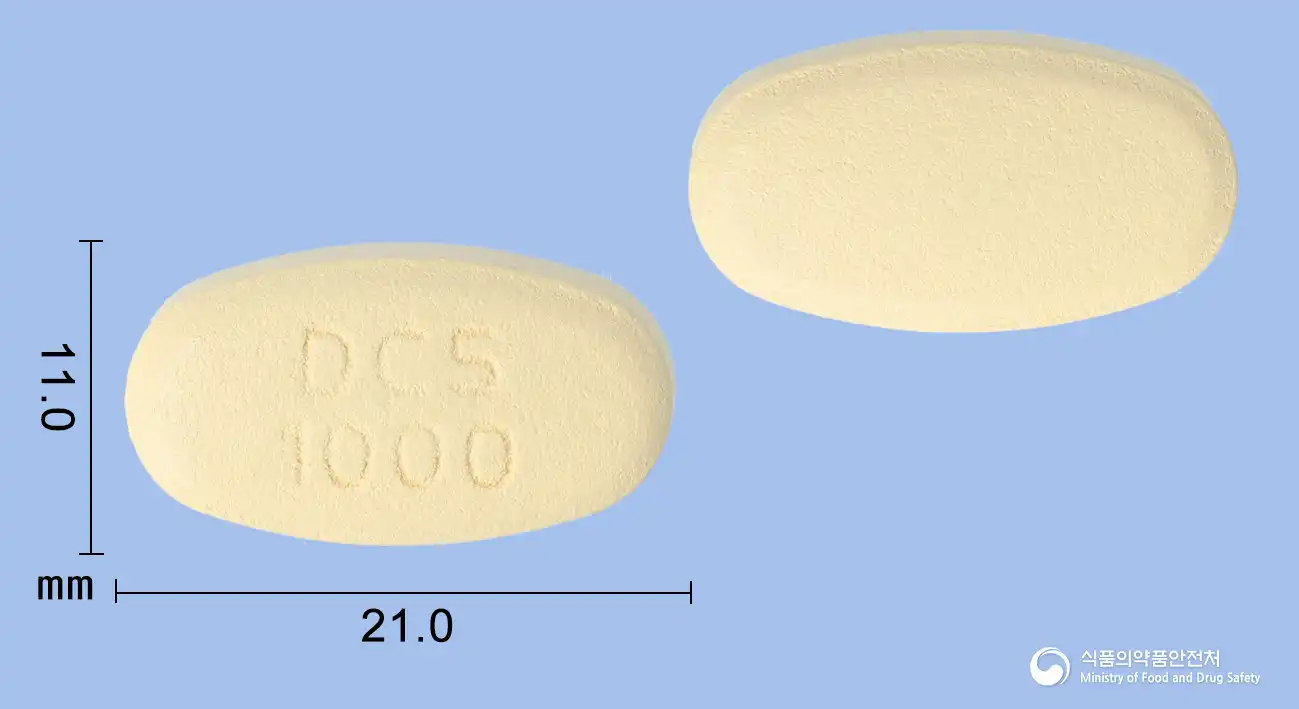 Viewing nowCombination