
 한국어
한국어 English
 日本語
日本語 中文(简体)
 Viewing nowCombination
Emploem Sustained Release Tablet 5/1000 mg (Empagliflozin, Metformin)
Empagliflozin 5mg · Metformin Hydrochloride 1000mg
Tablet · Prescription medication · Combination
Dongkwang Pharmaceutical Co., Ltd.
MFDS item code 202500551 · Approved 2025.03.12 · Insurance code 645907600
Improvement of adult type 2 diabetes (blood sugar control, prevention of cardiovascular events)
This medication is used to assist in blood sugar control for adult patients with type 2 diabetes when combined with dietary and exercise regimens. It is particularly effective when blood sugar is not adequately controlled, increasing its efficacy by combining Empagliflozin with Metformin. It is also used in patients with confirmed cardiovascular disease, and precautions regarding cardiovascular events should refer to professional information. Therefore, this medication helps improve blood sugar control and manage cardiovascular risk in patients with type 2 diabetes.
This medication should be taken once daily in the evening with food to reduce gastrointestinal adverse effects caused by Metformin. The sustained-release formulations of this medication, either 10/1000 mg or 25/1000 mg, are taken as one tablet once daily. Patients taking the 5/1000 mg or 12.5/1000 mg formulations should take two tablets simultaneously once daily. The dosage of Metformin Hydrochloride should be determined within the bounds of the maximum recommended daily dose of 25 mg for Empagliflozin and 2000 mg for sustained-release Metformin Hydrochloride, considering each patient's current treatment regimen, efficacy, and tolerability. To reduce gastrointestinal adverse effects related to Metformin, increases in the dosage of Metformin Hydrochloride should be made gradually. For sustained-release formulations, the tablets should be swallowed whole, not divided, crushed, or chewed, as they may be inadequately dissolved and excreted in the stool. There is no known information about whether the drug's active ingredient could be found in stool. If a patient repeatedly reports that this medication has been detected in the stool, healthcare providers should assess whether blood sugar is being adequately controlled (refer to the precautions section). • For patients who are unable to achieve sufficient blood sugar control with Metformin alone or in combination with insulin or other medications, the initial recommended daily total dosage is 10 mg of Empagliflozin combined with the current dosage of Metformin; if they tolerate 10 mg of Empagliflozin well while needing further blood sugar control, the dose may be increased to 25 mg. • Patients switching to this medication from a combination therapy containing Empagliflozin and Metformin should receive their existing dosages of Empagliflozin and Metformin. When converting from immediate-release to sustained-release formulations of Metformin, blood sugar control should be closely monitored, and dosage adjustments should be appropriately made. • When this medication is combined with sulfonylureas or insulin, consideration may be given to reducing the dosage of sulfonylureas or insulin to lower the risk of hypoglycemia (refer to precautions on adverse reactions and interactions). Special populations: Renal impairment requires dosage adjustments to be made based on kidney function evaluations before and after administration of this medication. In patients with mild renal impairment (creatinine clearance [CrCl] ≥ 60 mL/min or estimated glomerular filtration rate [eGFR] ≥ 60 mL/min/1.73m2), dosage adjustments are not necessary. For patients with moderate renal impairment (CKD stage 3A, CrCl ≥ 45 mL/min and <60mL/min, or estimated eGFR ≥ 45 mL/min/1.73m2 and <60 mL/min/1.73m2) who do not exhibit other symptoms that would increase the risk of lactic acidosis while tolerating this medication well, dosage adjustments for Metformin Hydrochloride can be used as follows: the starting dose of sustained-release Metformin Hydrochloride is once daily 500 mg or 750 mg, which should not be initiated with this medication. The maximum daily dose of Metformin Hydrochloride is 1000 mg. If creatinine clearance (CrCl) drops below 45 ml/min or estimated glomerular filtration rate (eGFR) falls below 45 ml/min/1.73m2, this medication should be discontinued immediately. Elderly patients aged 75 years and older should carefully consider the risk of renal function decline and reduced fluid volume.
This medication is used for the treatment of diabetes and contains two main ingredients: Empagliflozin and Metformin. It can occasionally cause serious side effects such as lactic acidosis, so it should not be used by individuals with poor kidney function, serious infections, or heart issues. Additionally, caution is needed as hypoglycemia may occur if taken with insulin or sulfonylurea medications. Regular checks of kidney function should be conducted, and if kidney function declines, this medication should be discontinued. In situations where there is a risk of fluid loss, such as severe vomiting, diarrhea, or dehydration, it is advisable to temporarily halt the use of this medication. This drug should not be used by patients with impaired liver function, pregnant women, or those with certain genetic lactase deficiencies. While on this medication, urinary tract infections or genital infections may occur; if symptoms of infection arise, notify healthcare providers immediately. Furthermore, vitamin B12 levels may decrease, so it is recommended to check vitamin B12 status through blood tests during prolonged use. The medication should be temporarily discontinued before any surgeries or diagnostic tests using radiocontrast agents and started again only after confirming normal kidney function post-test. The risk may increase when taken with alcohol, so excessive drinking should be avoided during treatment. Elderly patients or those with reduced fluid volume should be monitored for low blood pressure or dehydration risk. This medication should be swallowed whole without chewing or crushing, and it is normal for the tablet coating to appear in stool. In case of overdose, medical attention should be sought immediately, as serious side effects such as lactic acidosis may occur.
Urticaria, angioedema, perineal necrosis, ketoacidosis, lactic acidosis, urosepsis, pyelonephritis, abnormal liver function tests, hepatitis, liver disorders (jaundice), myocardial infarction, cerebral infarction, severe headache (thunderclap headache), seizures, confusional state, visual disturbances, paralysis, severe edema, abnormal urination (significant reduction in urine output), severe rash with high fever, blisters, skin peeling, oral/ocular mucosa pain, shortness of breath or difficulty breathing
Not everyone experiences these, and they can vary from person to person.
This medication should be stored in a tightly sealed container to prevent exposure to air and moisture. It is best to maintain a storage temperature between 1 degree and 30 degrees Celsius. Proper storage will help keep the medication effective for a longer time.
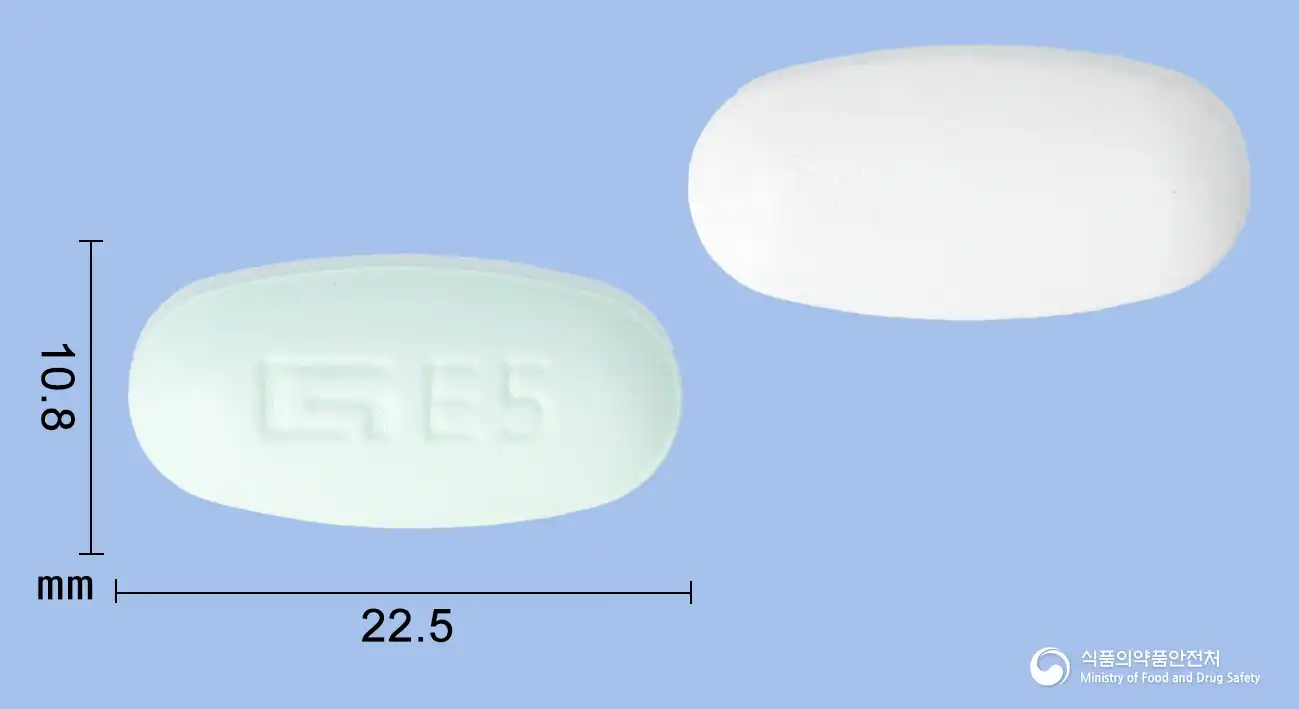
White and light green, double convex oval sustained-release film-coated tablet
30 tablets/bottle
Even with the same ingredient, strength, dosage form and how it is taken can differ.
Viewing nowCombinationEmpagliflozin 5mg · Metformin Hydrochloride 1000mg
Tablet · Prescription medication · Combination
Dongkwang Pharmaceutical Co., Ltd.
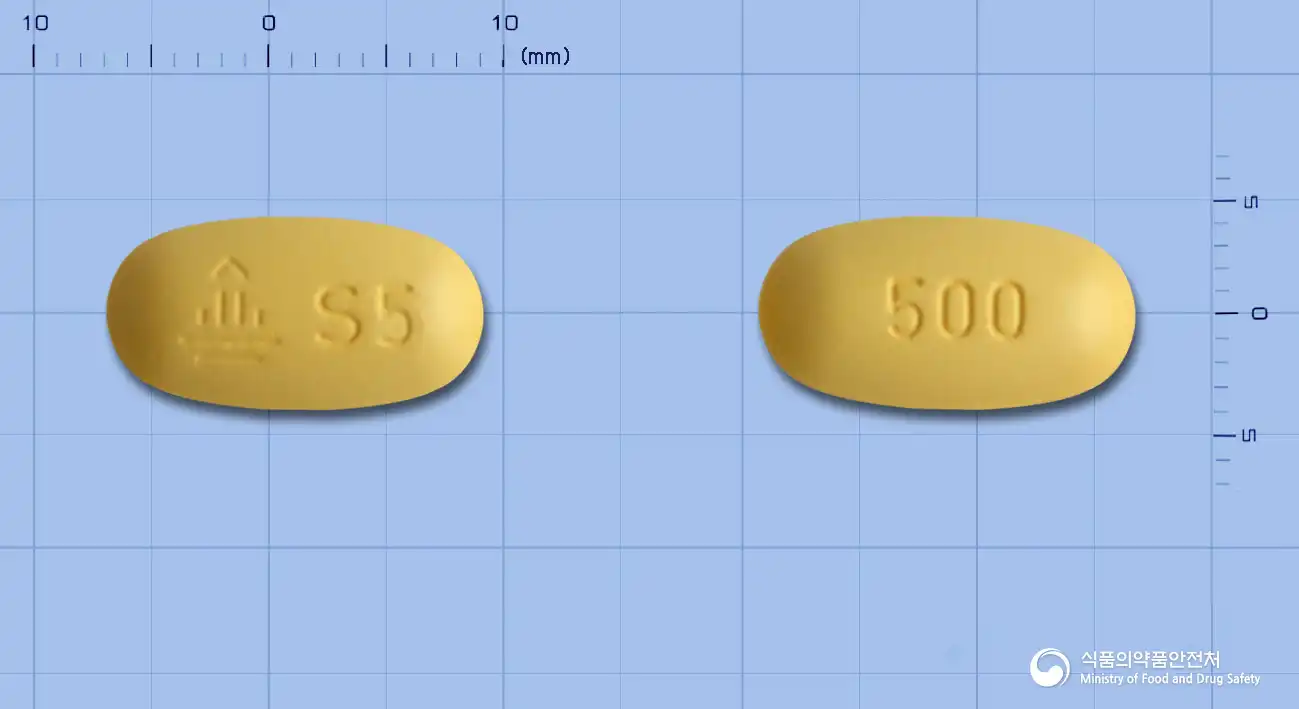 Combination
Empagliflozin 5mg · Metformin Hydrochloride 500mg
Tablet · Prescription medication · Combination
Boehringer Ingelheim Korea Co., Ltd.
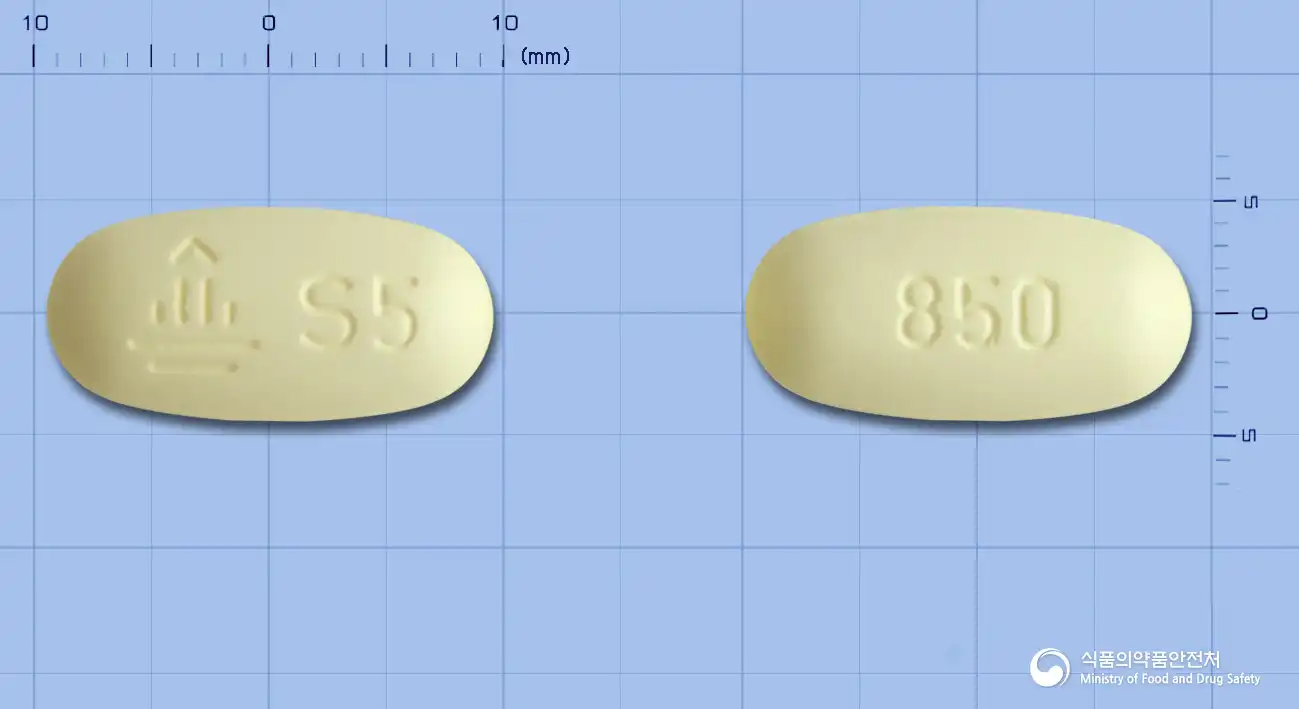 Combination
Empagliflozin 5mg · Metformin Hydrochloride 850mg
Tablet · Prescription medication · Combination
Boehringer Ingelheim Korea Co., Ltd.
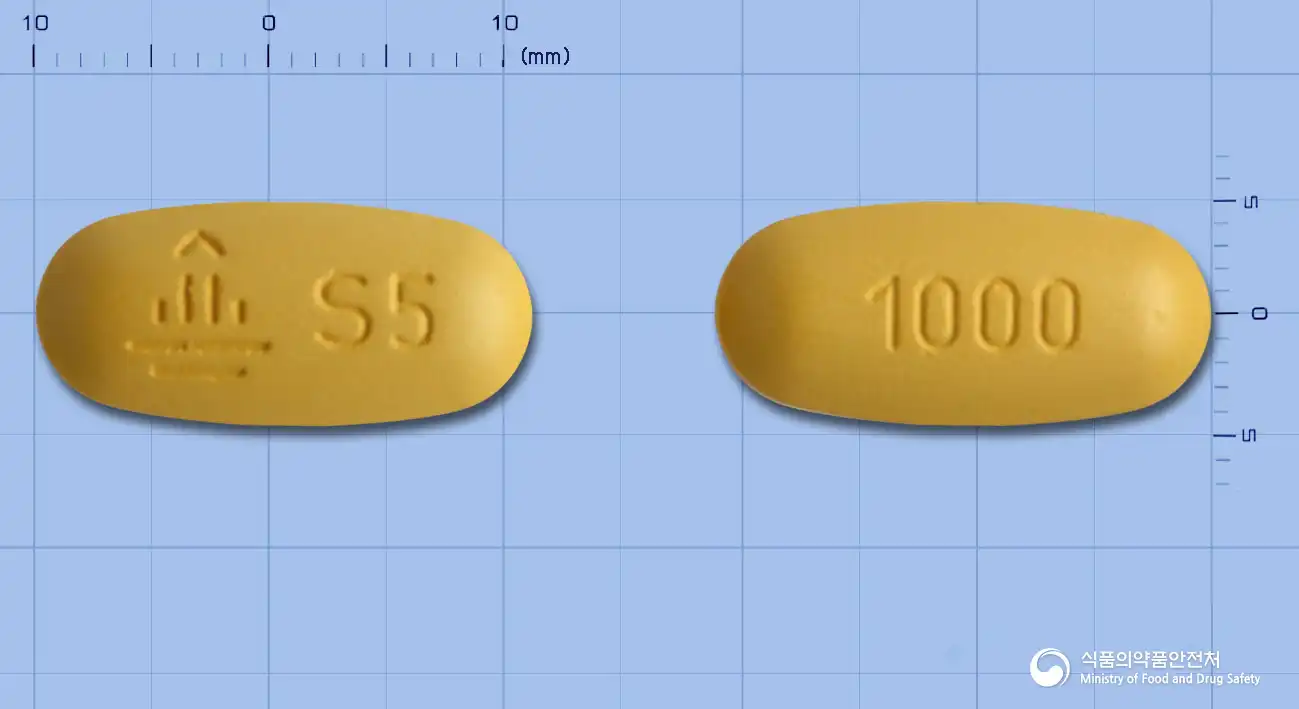 Combination
Empagliflozin 5mg · Metformin Hydrochloride 1000mg
Tablet · Prescription medication · Combination
Boehringer Ingelheim Korea Co., Ltd.
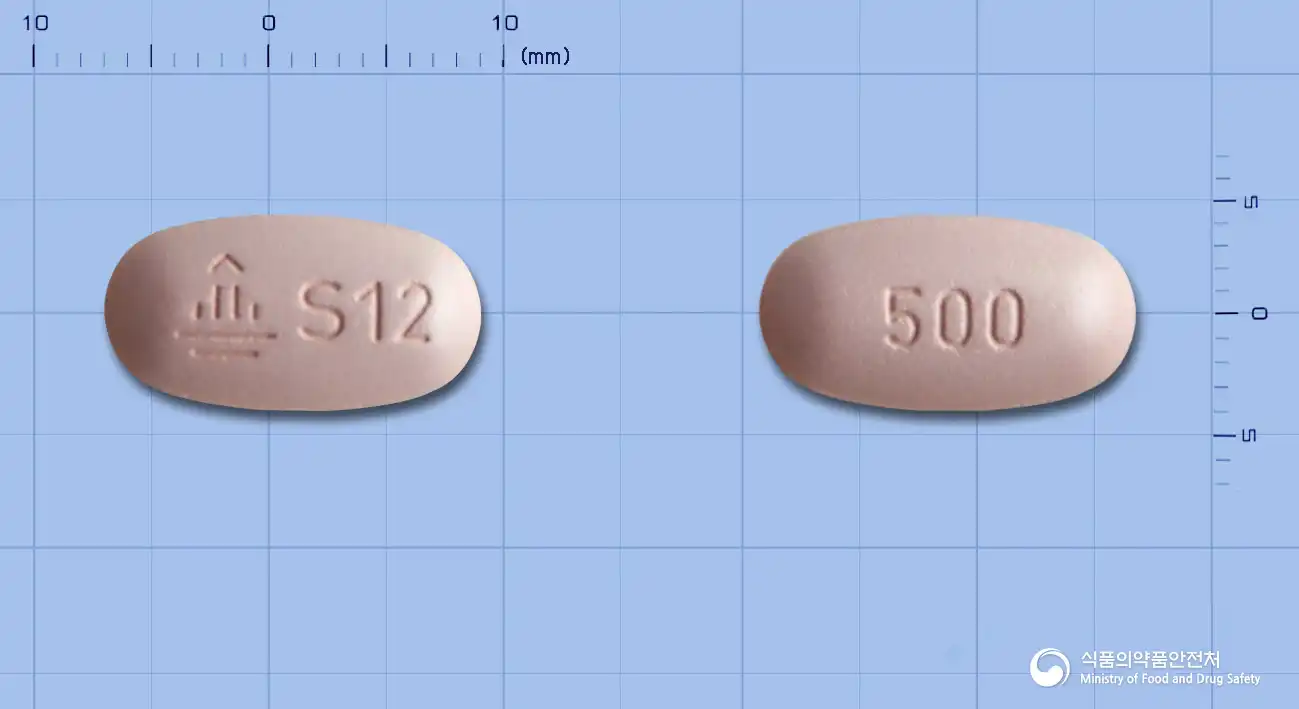 Combination
Empagliflozin 12.5mg · Metformin Hydrochloride 500mg
Tablet · Prescription medication · Combination
Boehringer Ingelheim Korea Co., Ltd.
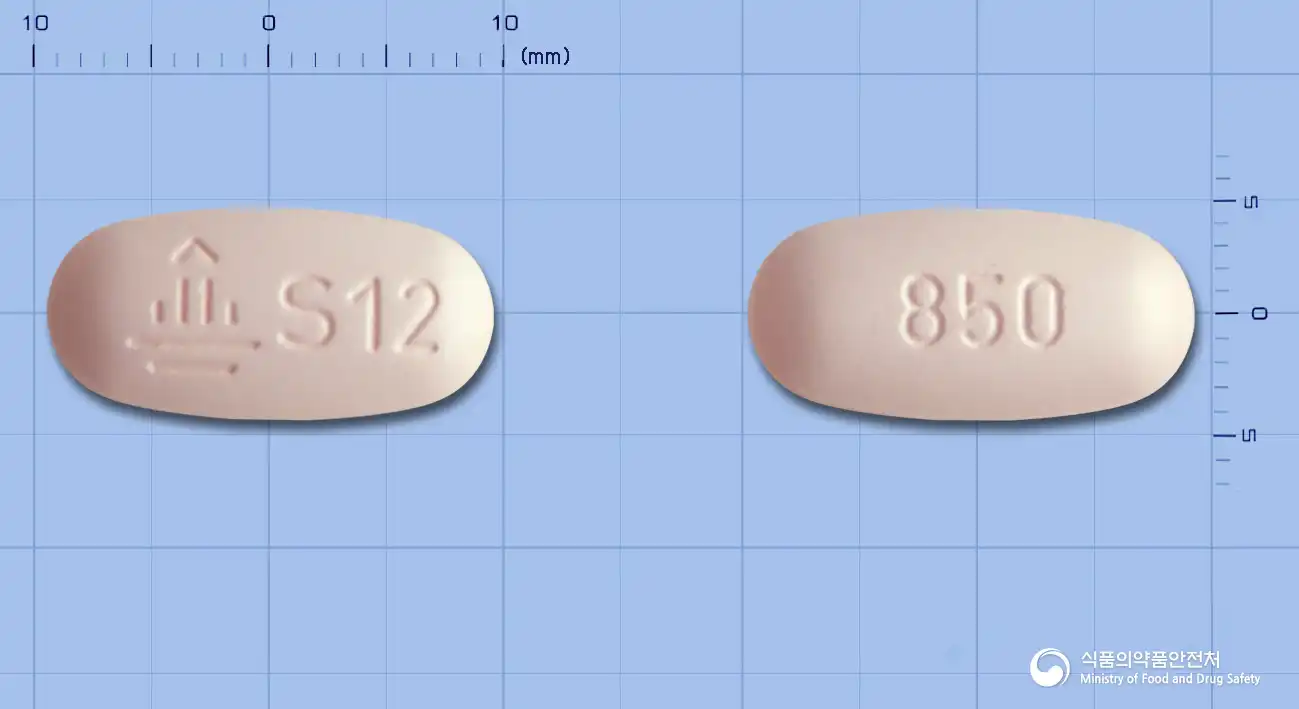 Combination
Empagliflozin 12.5mg · Metformin Hydrochloride 850mg
Tablet · Prescription medication · Combination
Boehringer Ingelheim Korea Co., Ltd.
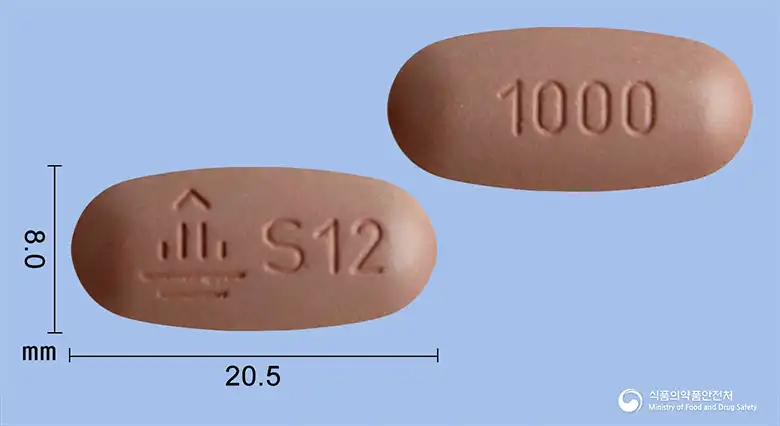 Combination
Empagliflozin 12.5mg · Metformin Hydrochloride 1000mg
Tablet · Prescription medication · Combination
Boehringer Ingelheim Korea Co., Ltd.
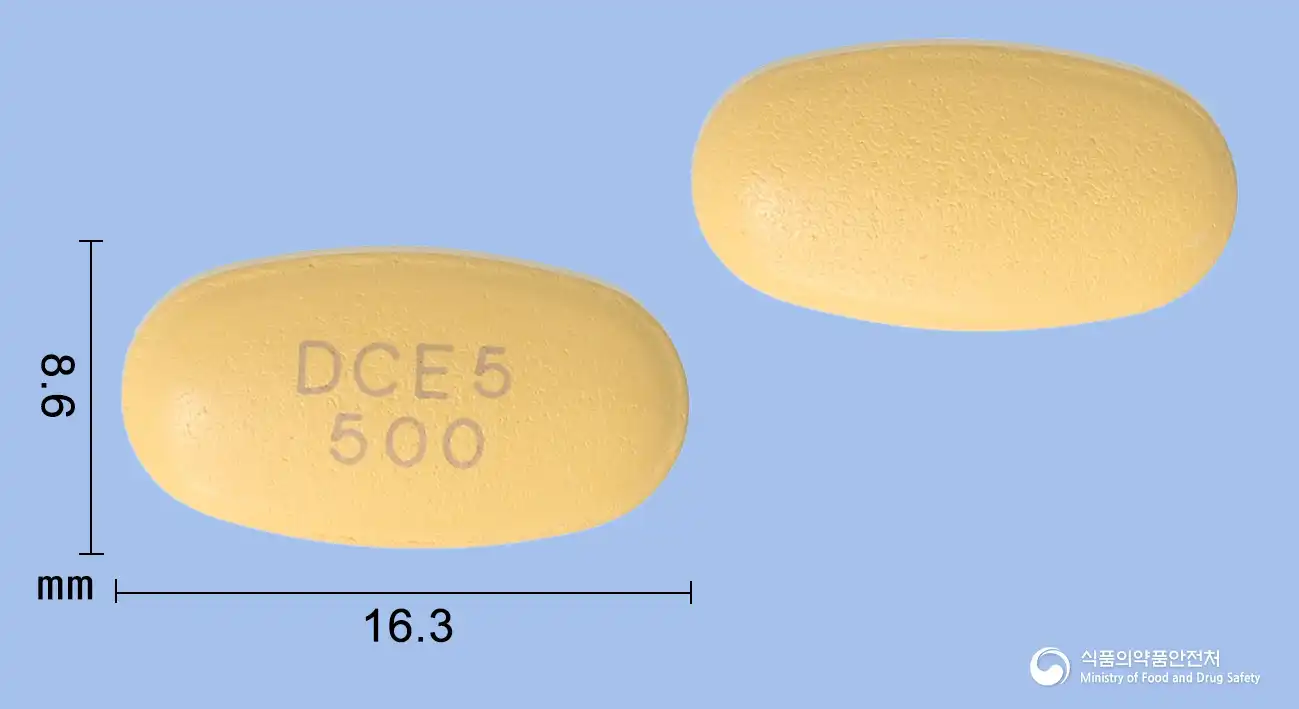 Combination
Empagliflozin 5mg · Metformin Hydrochloride 500mg
Tablet · Prescription medication · Combination
Donggu Bio Pharmaceutical Co., Ltd.
Even with the same ingredient, the dose and directions can differ by strength and dosage form. Talk to a doctor or pharmacist before switching from a medication you are already taking.
No questions yet.
For anything that needs medical judgment, consult a doctor or pharmacist.
This drug information is based on data provided by the Korea Ministry of Food and Drug Safety.
Consult a doctor or pharmacist for accurate dosage, administration, and usage instructions.