
 한국어
 English
 日本語
 中文(简体)
Dosage form image
Viewing nowAbilify Asimtupai Injection 960 mg (Aripiprazole Monohydrate)
Aripiprazole Monohydrate 998.4mg
Injections · Prescription medication
Korea Otsuka Pharmaceutical Co., Ltd.
MFDS item code 202500429 · Approved 2025.02.26 · Insurance code 649900561
Treatment of schizophrenia; maintenance monotherapy for bipolar I disorder
This medication is used for the treatment of schizophrenia and helps effectively alleviate symptoms in patients. It is also used as monotherapy for the maintenance treatment of bipolar disorder type 1, contributing to patient stability and relapse prevention.
Adults: This medication must be administered by intramuscular injection into the gluteal muscle and must not be administered by any other route. Patients who have never received aripiprazole should establish tolerability with oral aripiprazole before starting treatment with this medication. Because of the half-life of oral aripiprazole, tolerability should be adequately assessed over 2 weeks. The recommended dose of this medication is 960mg, administered once every 2 months (56 days or more after the previous dose). Patients receiving oral aripiprazole: When initiating this medication in patients who have been receiving oral aripiprazole, continue concomitant oral aripiprazole (10mg~20mg) for 14 days starting with the first injection. Patients receiving the 1-month long-acting aripiprazole injection: In patients receiving 400mg of the 1-month long-acting aripiprazole injection (one injection every month), administer this medication at 960mg (once every 2 months) when the next dose of the 1-month long-acting aripiprazole injection is scheduled. The first dose of this medication may be administered at the time of the second or a subsequent dose of the 1-month long-acting aripiprazole injection. If adverse reactions occur with this medication at 960mg, the dose may be reduced to 720mg once every 2 months. This medication may be administered within 2 weeks before or after the scheduled time for administration every 2 months. Missed dose: If 8 weeks or more but less than 14 weeks have elapsed since the last dose, administer this medication as soon as possible. Resume administration once every 2 months. If 14 weeks or more have elapsed since the last dose, administer oral aripiprazole concomitantly again for 14 days with the next dose of this medication. Dosage recommendations considering CYP450 interactions: Dosage adjustment is required in patients who are CYP2D6 poor metabolizers and/or patients receiving a strong CYP3A4 inhibitor or strong CYP2D6 inhibitor concomitantly for more than 14 days. <See Table 1> If a CYP3A4 inhibitor or CYP2D6 inhibitor is discontinued, it may be necessary to increase the dose of this medication to the previous dose. Dosage adjustment is not recommended for patients receiving a CYP3A4 inhibitor, CYP2D6 inhibitor, or CYP3A4 inducer concomitantly for 14 days or less. Table 1. Dosage recommendations for CYP2D6 poor metabolizers and patients receiving a CYP2D6 inhibitor, CYP3A4 inhibitor, and/or CYP3A4 inducer concomitantly for more than 14 days: CYP2D6 poor metabolizer: 720mg (once every 2 months) CYP2D6 poor metabolizer receiving a CYP3A4 inhibitor concomitantly: Avoid use Patients receiving this medication at 960mg and concomitantly receiving this medication with a strong CYP2D6 inhibitor or strong CYP3A4 inhibitor: 720mg (once every 2 months) Patients receiving this medication at 960mg and concomitantly receiving this medication with a strong CYP2D6 inhibitor and a strong CYP3A4 inhibitor: Avoid use Patients receiving this medication at 960mg and concomitantly receiving this medication with a CYP3A4 inducer: Avoid use Method of administration: This medication is for intramuscular injection into the gluteal muscle only. It must not be administered by any other route. Slowly inject the entire contents of the prefilled syringe intramuscularly into the gluteal muscle, taking care not to inadvertently inject into a blood vessel. (See “12. Precautions for Use” under Precautions for Use)
This medication may increase the risk of stroke or cerebrovascular accidents in elderly patients with dementia, so caution is advised. In particular, the mortality rate may increase in patients with dementia-related psychiatric disorders, and it should not be used for unapproved indications. This medication may increase suicidal thoughts or actions, so it should be closely monitored when administered to children, adolescents, and young adults. Special attention is required for clinically suicidal patients or those with suicidal tendencies. A serious side effect known as Neuroleptic Malignant Syndrome may occur; therefore, if symptoms like high fever, muscle rigidity, or changes in mental state occur, healthcare personnel should be notified immediately. Long-term use may lead to tardive dyskinesia, which is an irreversible movement disorder, so patients should consult a doctor immediately if symptoms appear. Blood glucose may increase, so diabetic patients or those in high-risk groups should regularly monitor and manage their blood glucose levels. Caution is needed in cases where thrombosis risk factors are present, and preventive measures should be taken if necessary. Patients with hypersensitivity to this medication should not use it, and those with orthostatic hypotension, a history of seizures, or cognitive and motor function impairments should be administered cautiously. Pregnant or nursing women should consult a doctor before use, as it may affect the fetus or newborn. It is advisable not to use it in children, as safety and efficacy have not been established. Elderly patients should start at a lower dose considering hepatic, renal, and cardiac function decline and should be administered cautiously. This medication acts on the central nervous system, so caution is required when taken with other central nervous system medications or alcohol, as side effects such as drowsiness and dizziness may increase. In cases of overdose, proper medical supervision including cardiac function tests is required, and blood dialysis may not be effective. Pain or inflammatory reactions may occur at the injection site, so it is important to monitor the injection area closely. If the patient exhibits abnormal behavior, impulse control issues, or mood changes while taking this medication, they should consult healthcare personnel immediately. There is a risk of falls, so caution is needed when experiencing symptoms like dizziness or orthostatic hypotension.
Stroke, transient ischemic attack, hypersomnia, drowsiness, incontinence, excessive salivation, dizziness, inability to sit, injection site pain, sedation, constipation, dry mouth, diarrhea, vomiting, abdominal discomfort, upper respiratory infection, weight gain, weight loss, arthralgia, low back pain, myalgia, musculoskeletal pain, dizziness, tremor, nasal congestion, thrombocytopenia, bradycardia, sinus tachycardia, tachycardia, hypoprolactinemia, blurred vision, ocular motor seizures, epigastric pain, dyspepsia, nausea, swollen tongue, chest discomfort, fatigue, gait disturbance, injection site reactions (including erythema, sclerosis, pruritus, swelling, rash, inflammation, and bleeding), irritability, fever, drug-induced liver injury, drug hypersensitivity, nasopharyngitis, increased blood creatine phosphokinase, decreased blood cholesterol, decreased blood pressure, decreased triglycerides, abnormal T wave in ECG, prolonged QT interval on ECG, increased liver enzymes, abnormal liver function tests, decreased appetite, hyperinsulinemia, obesity, joint stiffness, muscle fasciculation, rhabdomyolysis, trismus, reduced activity, seizures, dysgeusia, extrapyramidal disorder, hypersomnia, memory impairment, oral mandibular muscle tension dysregulation, anxiety, insomnia, restlessness, nervousness, bruxism, psychotic disorder, suicidal thoughts, aggression, hypersexuality, panic attacks, diabetes, frequent urination, urinary incontinence, delayed ejaculation, hypertension, angina pectoris, atrial flutter, heart block, cardiac failure, cardiac arrest, extrasystole, myocardial infarction, myocardial ischemia, palpitations, supraventricular tachycardia, ventricular tachycardia, diplopia, photophobia, eyelid edema, scotoma, gastroesophageal reflux disease, esophagitis, pancreatitis, gastric discomfort, toothache, weakness, chest pain, facial edema, hypothermia, peripheral edema, pain, hepatitis, jaundice, heatstroke, increased blood bilirubin, increased blood creatinine, increased blood glucose, increased blood lactate dehydrogenase, increased blood prolactin, increased blood urea, increased glycosylated hemoglobin, anorexia, diabetic ketoacidosis, hyponatremia, hypoglycemia, following syndrome, decreased movement, muscle rigidity, muscle tension, muscle weakness, musculoskeletal rigidity, limb pain, muscle cramping, inability to exercise, chorea, coordination disorder, reduced exercise, hypotonia, hepatic myoclonus, speech impairment, anger, sexual dysregulation, tension, completed suicide, delirium, loss of libido, thoughts of homicide, self-harm, hostility, increased libido, sleepwalking, suicide attempt, tics, nocturia, polyuria, urinary retention, amenorrhea, breast pain, erectile dysfunction, gynecomastia in males, irregular menstruation, priapism, dyspnea, pharyngolaryngeal pain, cough, alopecia, hyperhidrosis, photosensitivity reaction, pruritus, rash, urticaria, anaphylactic reaction, angioedema, laryngeal spasm, pharyngeal spasm, compulsive gambling, hypersexuality, hiccups, eosinophilia, drug reaction with eosinophilia and systemic symptoms (DRESS), restless legs syndrome, akathisia, insomnia, extrapyramidal disorder, agitation, nausea, headache, anxiety, drowsiness, muscle tone disturbance, tremor, rigidity, exacerbation of schizophrenia, ocular motor seizures, depression, perceptual disturbances, overall health deterioration, complications from sedative use, urinary hesitation, stuttering, hyperkinesia, sleep disorders, ocular movement seizure, palpitations, abnormal thoughts, numbness, hallucinations, gastrointestinal dysfunction, hypersalivation, urinary disorders, intention tremor
Not everyone experiences these, and they can vary from person to person.
This medication should be stored in a sealed container to avoid contact with air and should be kept at room temperature between 1°C and 30°C. Proper storage helps maintain the medication's effectiveness and prevent deterioration.
It is a prolonged-release injection in a colorless, translucent plastic pre-filled syringe containing a white suspension.
1 pre-filled syringe/box [pre-filled syringe (960 mg/3.2 mL)]
Even with the same ingredient, strength, dosage form and how it is taken can differ.
Aripiprazole Monohydrate 998.4mg
Injections · Prescription medication
Korea Otsuka Pharmaceutical Co., Ltd.
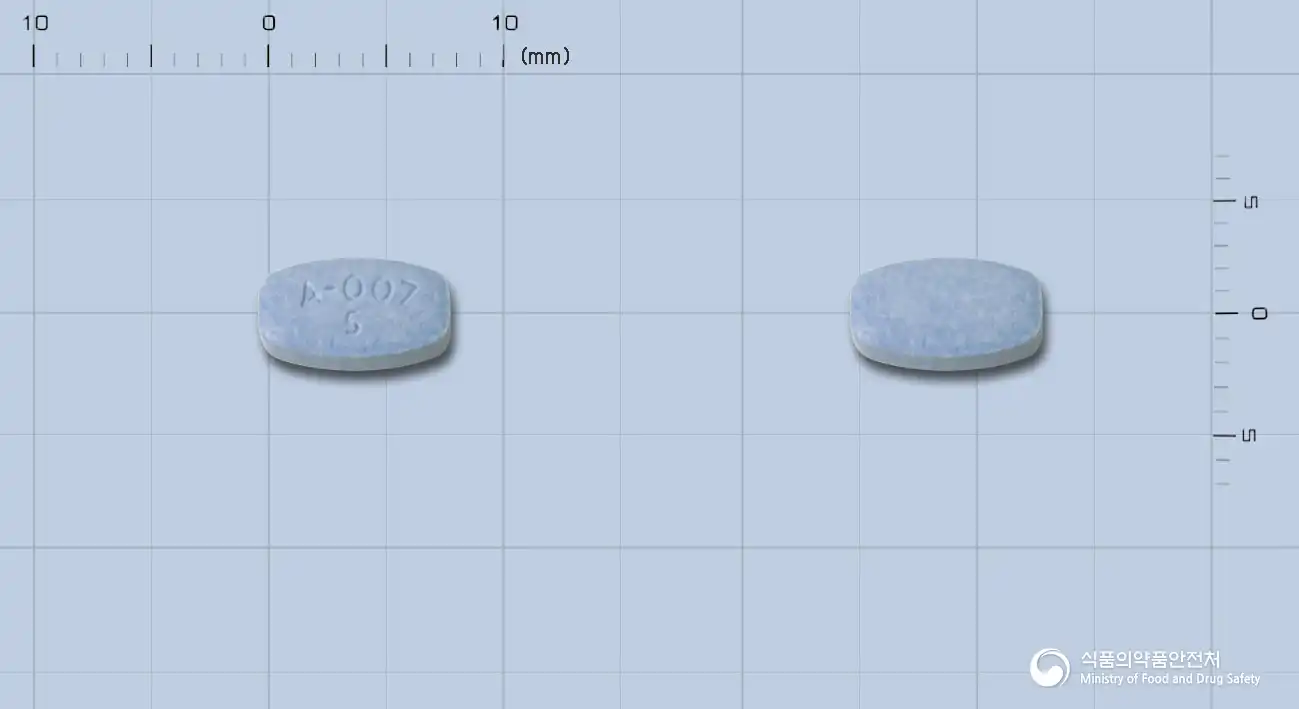
Aripiprazole 5mg
Tablet · Prescription medication
Otsuka Pharmaceutical Co., Ltd.

Aripiprazole 10mg
Tablet · Prescription medication
Otsuka Pharmaceutical Co., Ltd.

Aripiprazole 15mg
Tablet · Prescription medication
Otsuka Pharmaceutical Co., Ltd.

Aripiprazole 2mg
Tablet · Prescription medication
Korea Otsuka Pharmaceutical Co., Ltd.
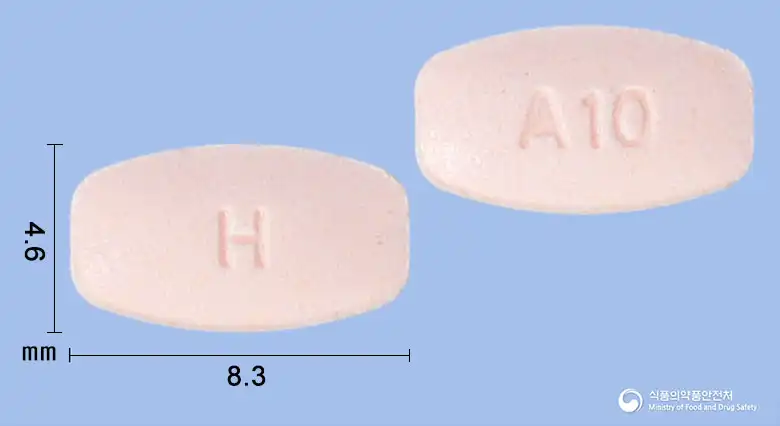
Aripiprazole 10mg
Tablet · Prescription medication
Hyundai Pharmaceutical Co., Ltd.

Aripiprazole 5mg
Tablet · Prescription medication
Hyundai Pharmaceutical Co., Ltd.

Aripiprazole 15mg
Tablet · Prescription medication
Hyundai Pharmaceutical Co., Ltd.
Even with the same ingredient, the dose and directions can differ by strength and dosage form. Talk to a doctor or pharmacist before switching from a medication you are already taking.
No questions yet.
For anything that needs medical judgment, consult a doctor or pharmacist.
This drug information is based on data provided by the Korea Ministry of Food and Drug Safety.
Consult a doctor or pharmacist for accurate dosage, administration, and usage instructions.