한국어
 English
 日本語
 中文(简体)
 Viewing now
Chlorbene Tablet 25 mg (Chlorthalidone)
Chlorthalidone 25mg
Tablet · Prescription medication
Darim Biotech Co., Ltd.
MFDS item code 202500118 · Approved 2025.01.15 · Insurance code 664602830
Treatment of hypertension, edema, and mild to moderate chronic stable heart failure
This medication is used to treat various forms of hypertension including essential hypertension, renal hypertension, and systolic hypertension. It is also beneficial for patients with chronic stable heart failure of mild to moderate severity, particularly those classified as NYHA functional class II or III. Additionally, it is effective in reducing edema caused by cirrhosis or renal disease. Thus, it is widely used for blood pressure control, management of heart failure, and improvement of edema.
The dose of this product should be established by determining the minimum effective dose for each individual patient; this is particularly important in older adults. This product is administered orally, and once-daily administration in the morning is recommended. ○ Adults: 1. Hypertension: The recommended initial dose is 25 mg daily. Most patients achieve the maximum effect with a dose of 25 mg; if this dose is considered insufficient, it may be increased to 50 mg daily. If additional blood pressure reduction is needed, it may be used in combination with other therapies. 2. Chronic stable heart failure: The recommended initial dose is 25 ~ 50 mg daily. In severe cases, the dose may be increased to 100 ~ 200 mg daily. The usual maintenance dose is the minimum effective dose, for example, 25 ~ 50 mg daily, administered every day or every other day. If a satisfactory therapeutic effect is not achieved, digitalis and/or an ACE inhibitor may be used concomitantly. 3. Edema: Administer the minimum effective dose established by measurement for a limited period only. Do not exceed 50 mg daily. ○ Older adults and patients with renal impairment: Use the minimum effective dose in patients with mild renal failure and older patients. Compared with healthy adults, absorption of this product is similar in older patients, but its elimination is slower; therefore, the recommended dose should be reduced. Older patients receiving this product require careful monitoring. This product and thiazide diuretics lose their diuretic effect when creatinine clearance is 30 mL/min or less.
○ Children: Administer the minimum effective dose. For example, the initial dose is 0.5 ~ 1 mg/kg/48 hr, and the maximum dose is 1.7 mg/kg/48 hr.
This medication may easily alter fluid and electrolyte balance in patients with impaired liver function or progressive liver disease, posing a risk of hepatic coma. Caution is required for patients with severe renal disease as this medication can increase blood nitrogen levels and lead to drug accumulation in the body. This medication should not be used in patients with anuria or severe liver or renal failure. If there is a known allergy to this medication or its components, or to similar drugs, it should be avoided. Patients with hypokalemia, hyponatremia, hypercalcemia, and other conditions should not take this medication. Women who are pregnant, likely to become pregnant, or breastfeeding should not use this medication. Since this medication can cause electrolyte imbalances, care must be taken when using it in conjunction with a low-salt diet. Hypokalemia can affect the heart; therefore, it's important to regularly check potassium levels. This medication can raise blood sugar and lipid levels, so patients with diabetes or hyperlipidemia should consult a doctor. Dizziness or low blood pressure may occur during treatment, so caution is advised when driving or operating machinery. It may interact with other medications, so it is essential to inform the healthcare provider about any other medications being taken. Elderly patients and children should be observed more closely when taking this medication, and dosage adjustments may be necessary. In cases of overdose, serious symptoms such as hypotension or coma may occur due to rapid loss of fluids and electrolytes; immediate medical attention is required. Store this medication in a cool place away from direct sunlight and moisture, out of reach of children.
Not everyone experiences these, and they can vary from person to person.
This medication should be stored in a sealed container to prevent air and moisture ingress, ideally at room temperature between 1 and 30 degrees Celsius. Storing it this way will help maintain its efficacy over time.
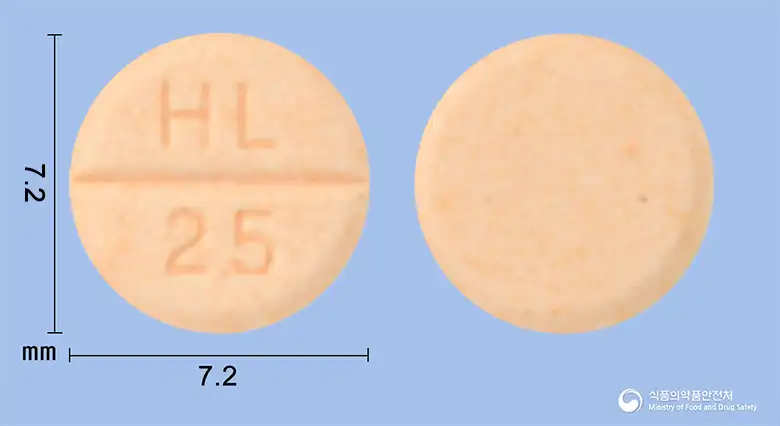
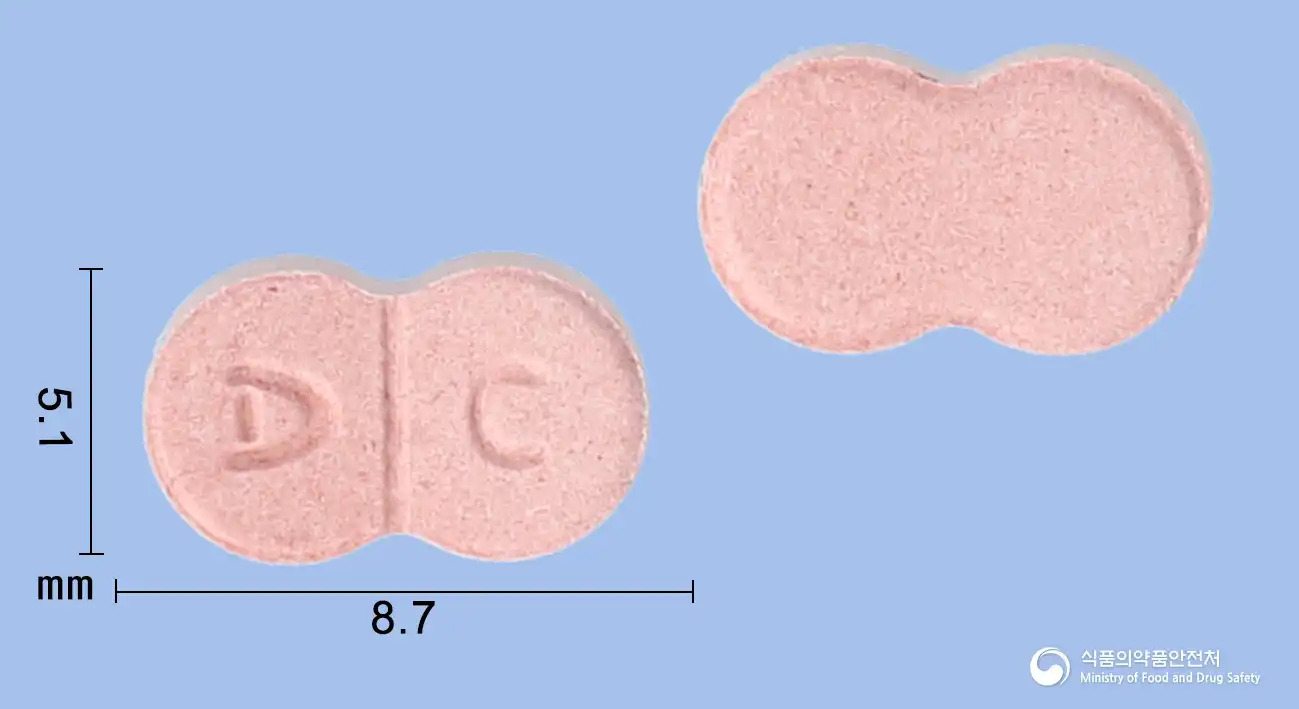
Pink rectangular tablet
500 tablets/bottle, 100 tablets/bottle, 30 tablets/bottle
Even with the same ingredient, strength, dosage form and how it is taken can differ.
Even with the same ingredient, the dose and directions can differ by strength and dosage form. Talk to a doctor or pharmacist before switching from a medication you are already taking.
No questions yet.
For anything that needs medical judgment, consult a doctor or pharmacist.
This drug information is based on data provided by the Korea Ministry of Food and Drug Safety.
Consult a doctor or pharmacist for accurate dosage, administration, and usage instructions.