The dosage is 10 mg of dapagliflozin and 100 mg of sitagliptin, and the extended-release formulation of Metformin Hydrochloride should not exceed 2000 mg, determined based on each patient's current treatment regimen, efficacy, and tolerability.
Take this medication once daily with dinner.
For the 10/100/1000 mg extended-release tablet, take 1 tablet once daily.
For the 5/50/1000 mg extended-release tablet, take 1 dose of 2 tablets once daily.
This medication helps effectively control blood sugar levels in patients with type 2 diabetes when used in conjunction with dapagliflozin, sitagliptin, and metformin. It is primarily used as an adjunct to diet and exercise to manage blood sugar levels. This can improve blood sugar levels to facilitate diabetes management.
How to take
Adult dose
The dosage is 10 mg of dapagliflozin and 100 mg of sitagliptin, and the extended-release formulation of Metformin Hydrochloride should not exceed 2000 mg, determined based on each patient's current treatment regimen, efficacy, and tolerability.
Take this medication once daily with dinner.
For the 10/100/1000 mg extended-release tablet, take 1 tablet once daily.
For the 5/50/1000 mg extended-release tablet, take 1 dose of 2 tablets once daily.
Precautions
This medication contains three components: sitagliptin, dapagliflozin, and metformin for diabetes treatment.
First, the sitagliptin component can rarely cause serious allergic reactions; if symptoms such as skin rash, difficulty breathing, or swelling of the face or neck occur, discontinue use immediately.
Additionally, there may be inflammation of the pancreas (pancreatitis), so consult a doctor immediately if abdominal pain, vomiting, or fever occur.
Second, the metformin component can rarely cause lactic acidosis, a serious metabolic disorder, which may present with symptoms like difficulty breathing, muscle pain, severe fatigue, and abdominal pain. Patients with impaired kidney function or liver dysfunction should be especially cautious, and excessive alcohol consumption should be avoided.
This medication is not administered to patients with moderate or severe renal impairment, acute heart failure, myocardial infarction, dehydration, or type 1 diabetes.
While on this medication, kidney function, blood pressure, and fluid status should be monitored regularly, and should symptoms of dehydration or hypotension appear, inform a healthcare provider immediately.
This medication may increase urination and cause fluid volume reduction, so the elderly or patients taking diuretics should be particularly cautious.
Furthermore, there may be an increased risk of genital and urinary tract infections, so prompt treatment is necessary if such symptoms arise, and inform a doctor immediately if there is pain or swelling around the perineum or fever.
In case of surgery, severe infections, or dehydration, it is safe to temporarily discontinue the use of this medication and restart it once the condition stabilizes.
Hypoglycemic symptoms may occur, so caution is advised when skipping meals or engaging in strenuous exercise, and the risk of hypoglycemia may increase when used in conjunction with other diabetes medications.
Seek immediate medical attention if sudden joint pain, blisters or skin rashes, or severe gastrointestinal disturbances occur while taking this medication.
Lastly, it is advisable not to use this medication during pregnancy or in cases of severe liver dysfunction.
In summary, this medication is effective in diabetes treatment, but it is essential to regularly check kidney and liver function, blood pressure, and fluid status, and consult a doctor immediately if any abnormal symptoms occur.
Side effects and when to seek care immediately
Serious side effects
Hives
severe swelling (edema)
chest tightness
difficulty breathing
cold sweats
pallor
severe allergic reactions
severe rash accompanied by high fever
blisters
peeling skin
Show 9 moreCollapse
mucosal pain in the mouth/eyes
severe skin reactions
wheezing or difficulty breathing
asthma attacks
respiratory distress with cough + fever
jaundice (yellowing of skin or eyes)
profound lethargy
liver dysfunction (jaundice)
sudden and severe
Mild side effects
Vulvovaginitis
balanitis and related genital infections
urinary tract infections
fungal infections
hypoglycemia
dizziness
constipation
dry mouth
back pain
dysuria
Show 23 moreCollapse
polyuria
nocturia
vulvar pruritus
genital pruritus
dyslipidemia
elevated serum creatinine
weight loss
paresthesia
headache
indigestion
nausea
diarrhea
vomiting
weakness
chest pain
fatigue
pain
itching
hives
sweating
myalgia
limb pain
hair loss
Not everyone experiences these, and they can vary from person to person.
Storage
This medication must be stored in a tightly closed container to protect it from exposure to air or light, and it is important to keep it at a cool room temperature between 1 to 30 degrees Celsius. Storing it this way will help maintain the medication's effectiveness for a longer period.
Appearance and packaging
Appearance
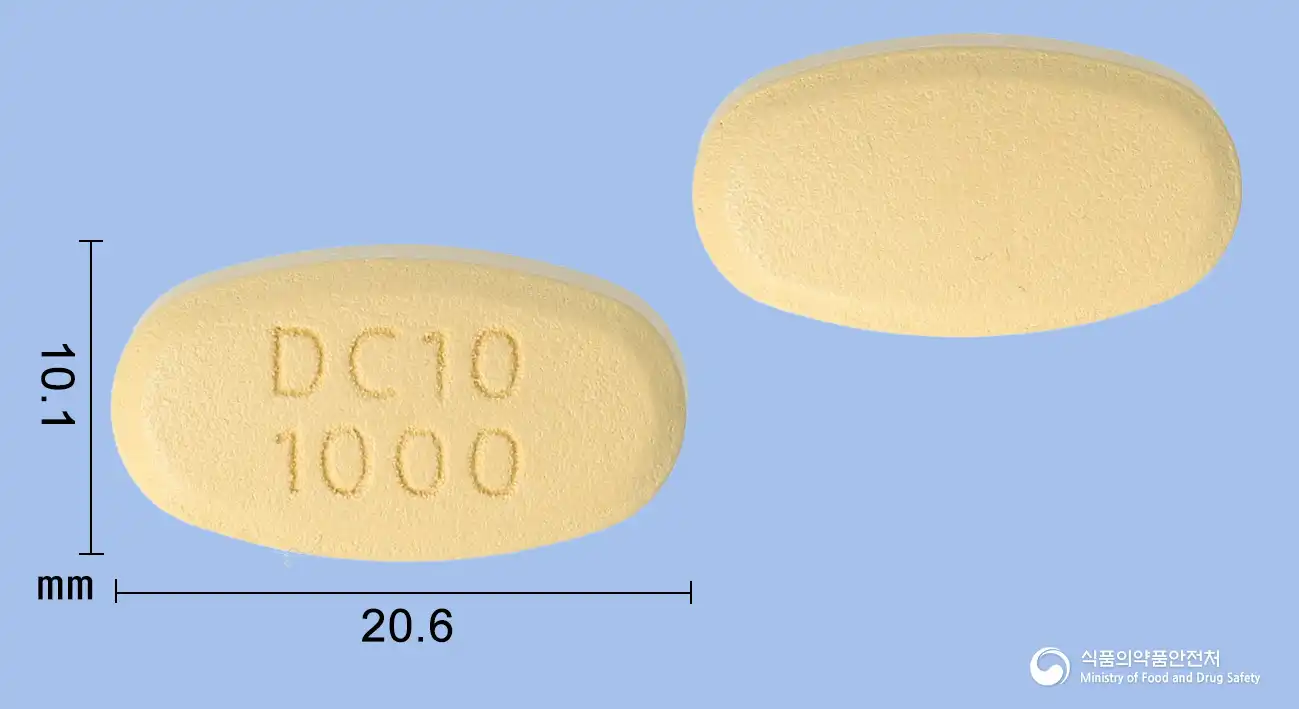
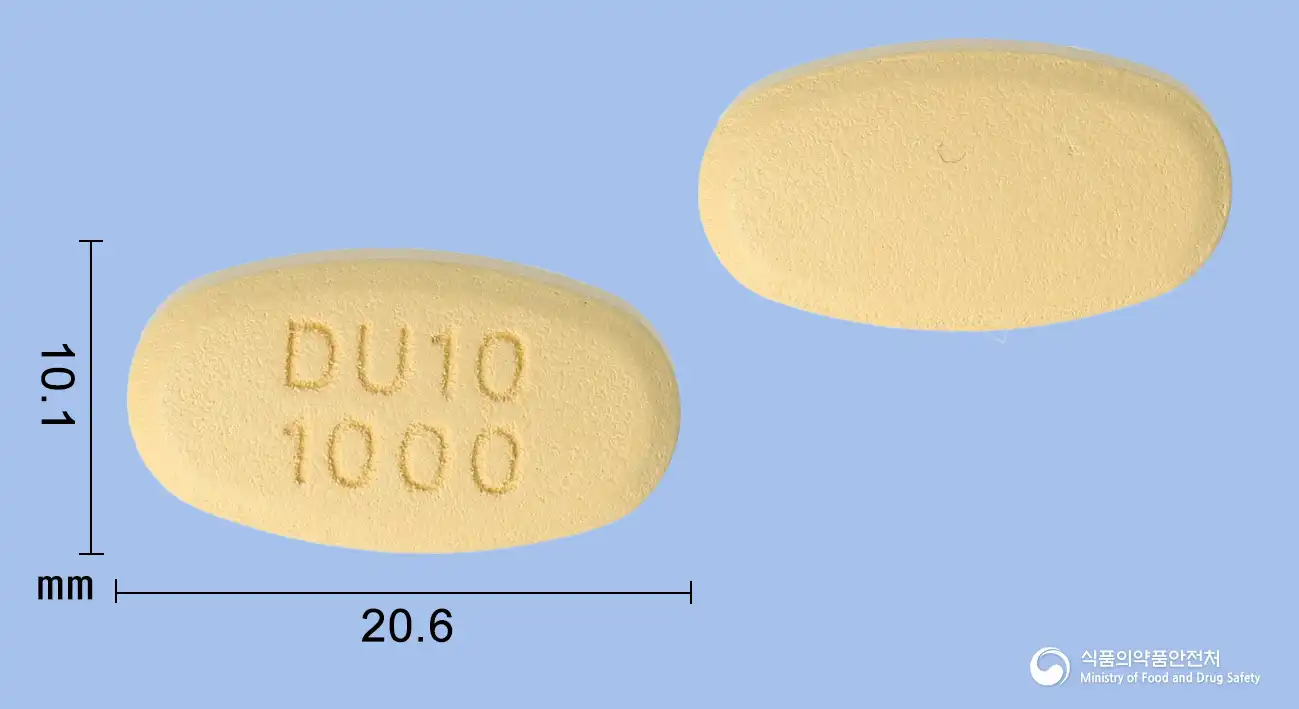
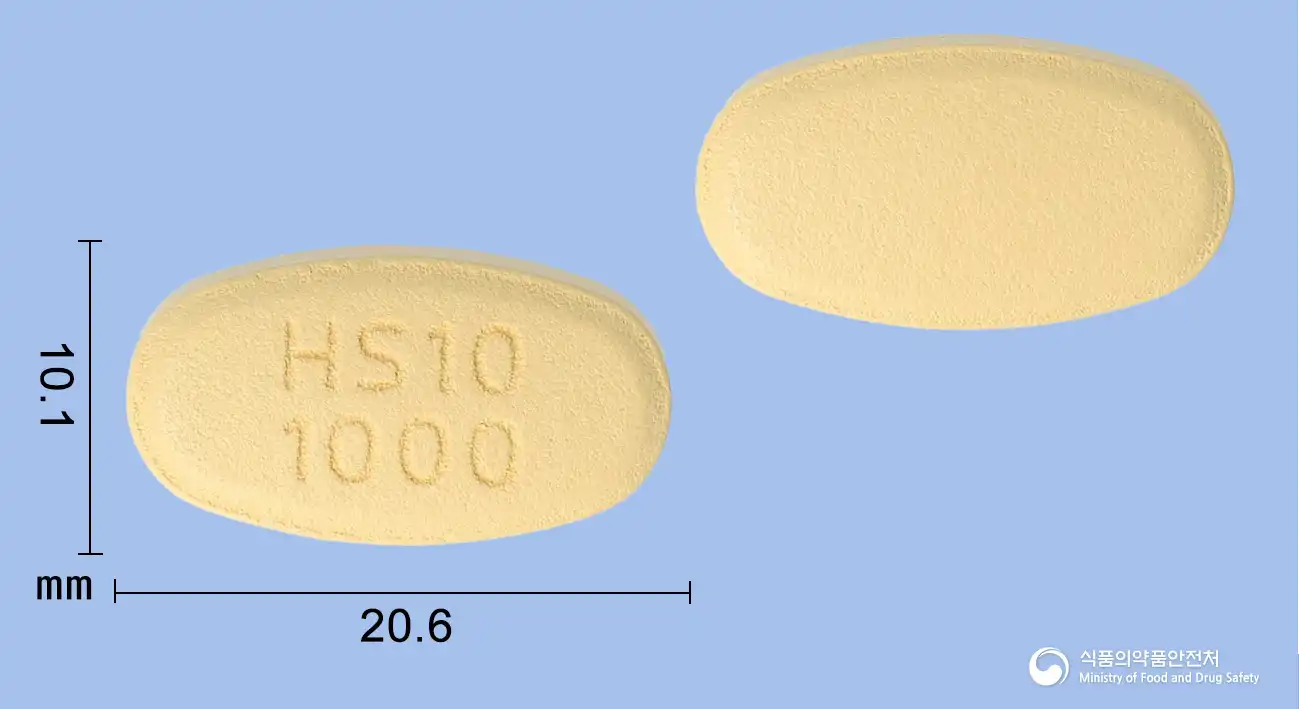
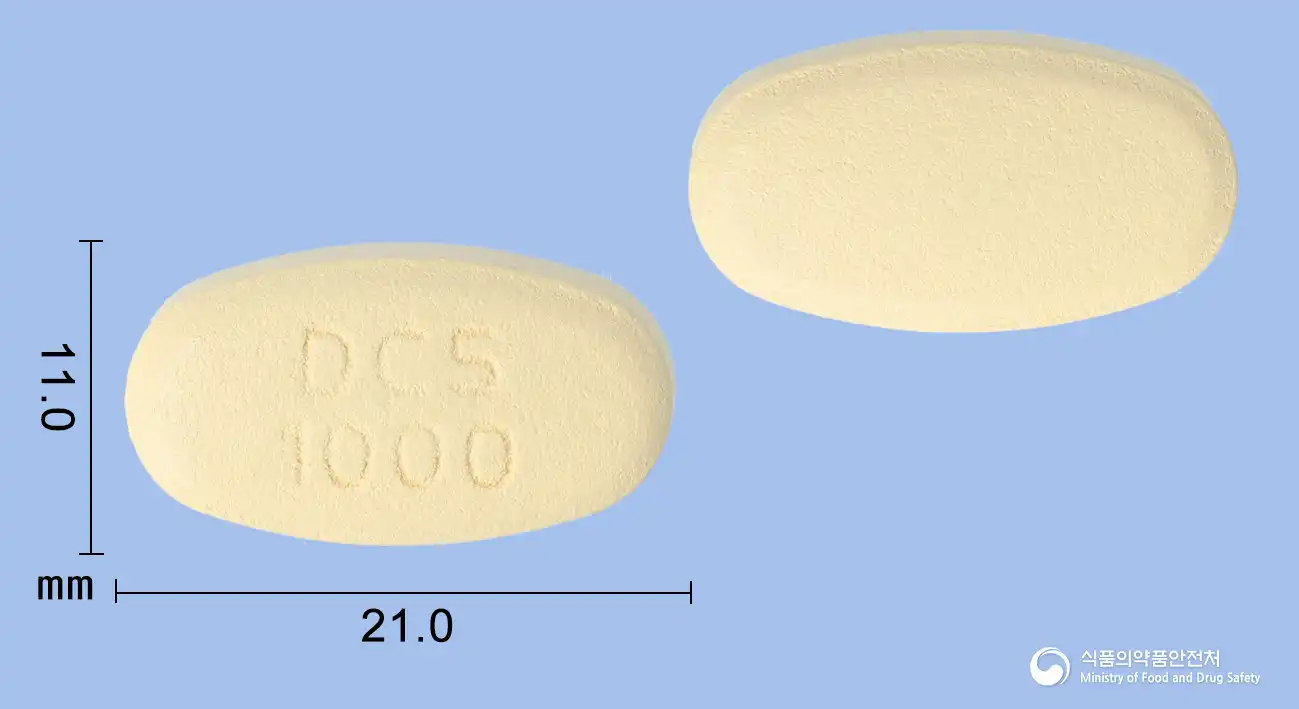
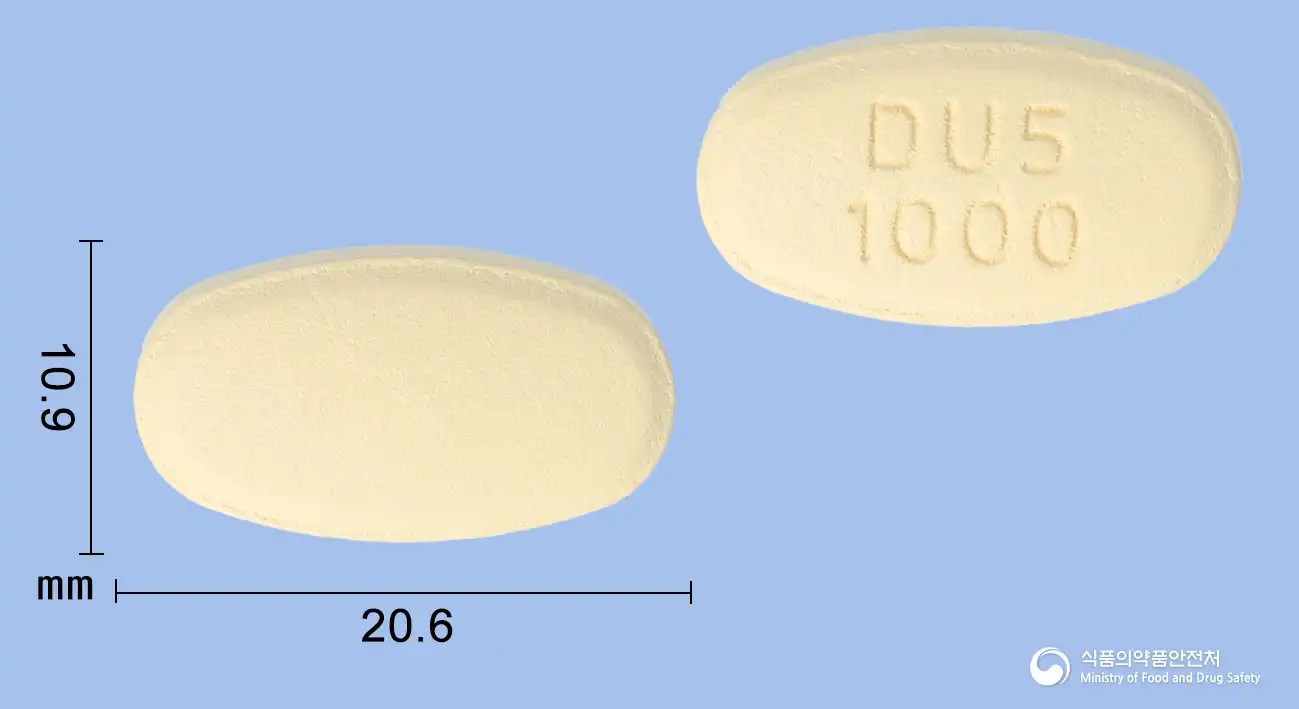
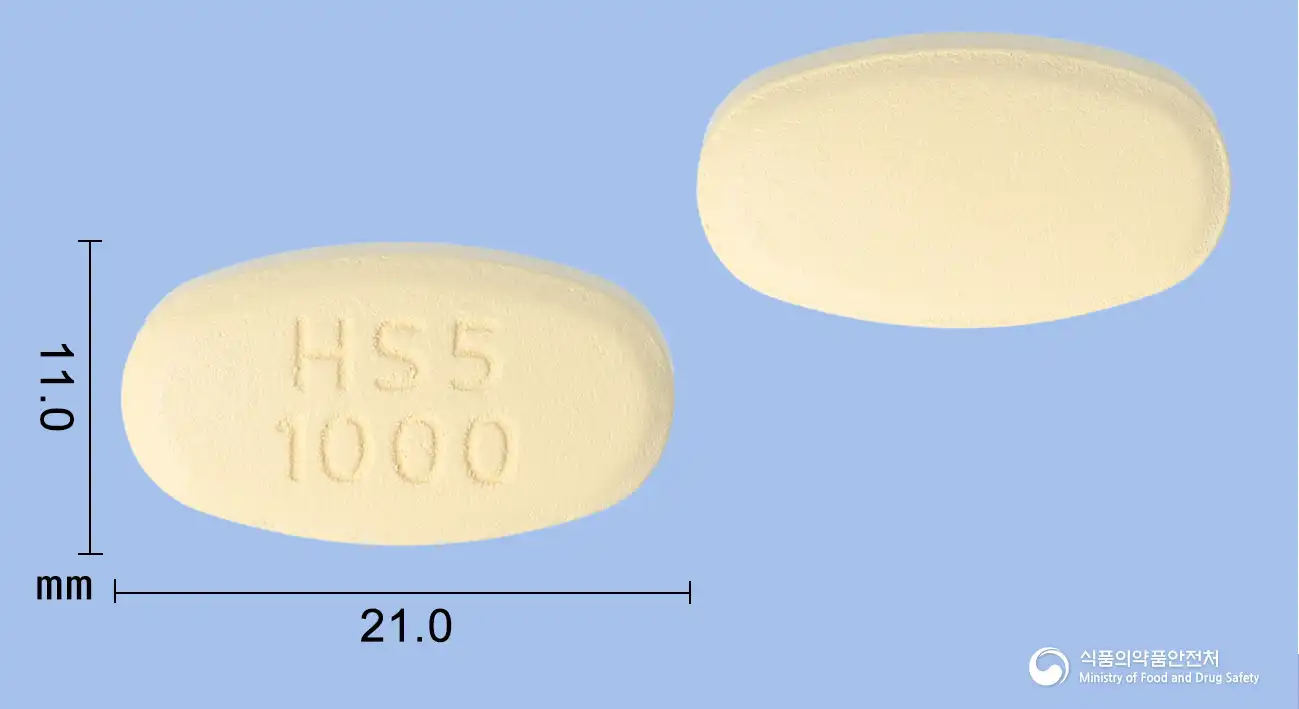
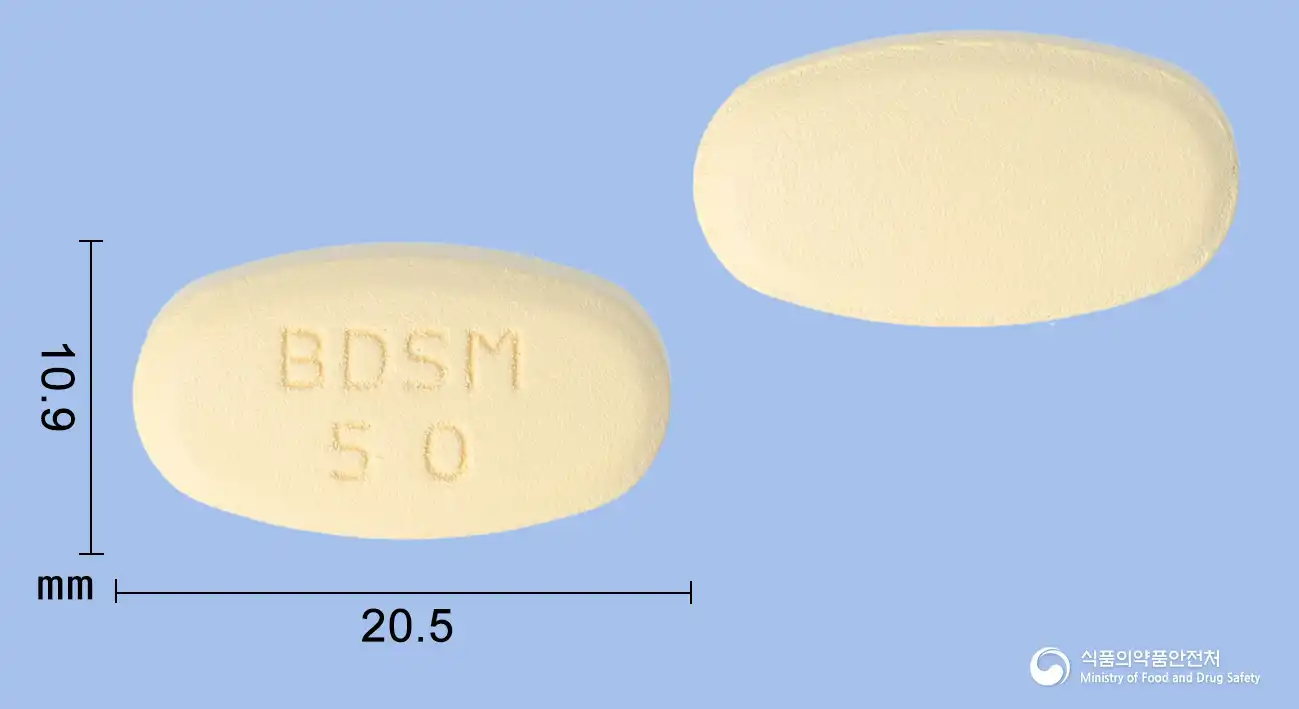
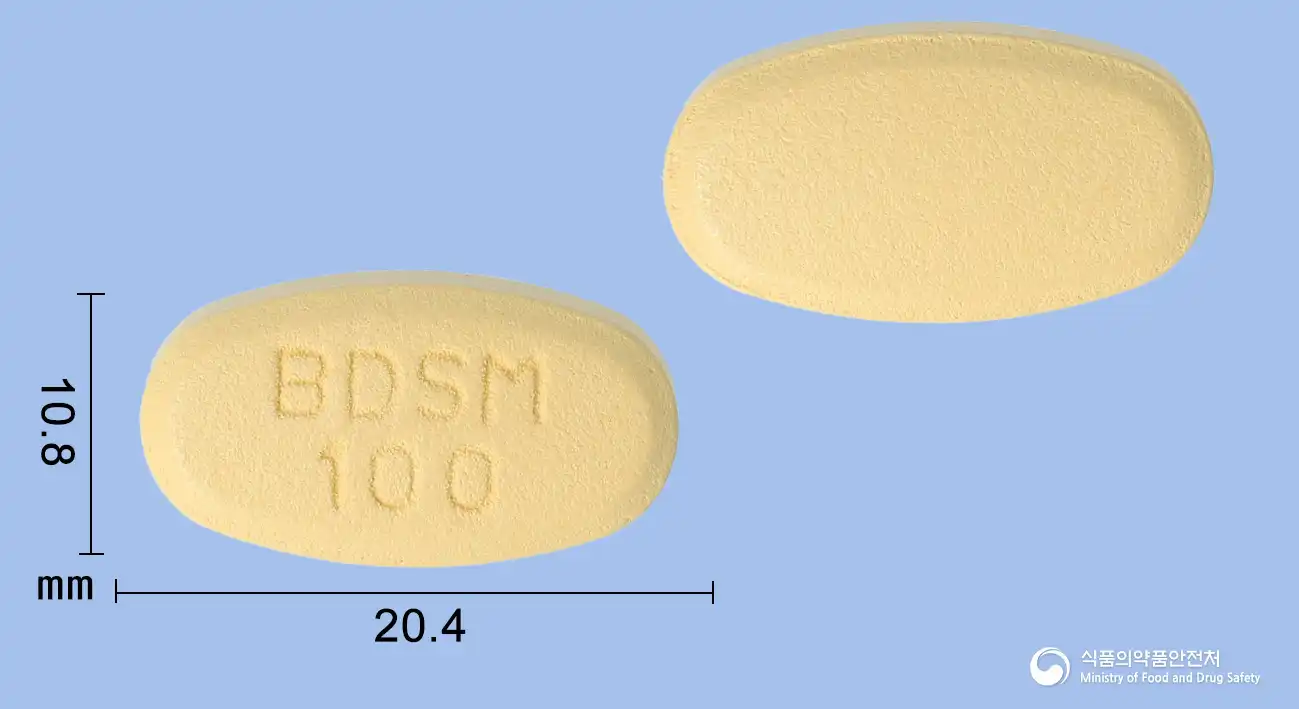
Yellow to dark yellow, bilaterally convex, oval-shaped extended-release film-coated tablet
Package unit
Bottle - 30 tablets/bottle
Same-ingredient medicines
Even with the same ingredient, strength, dosage form and how it is taken can differ.
Even with the same ingredient, the dose and directions can differ by strength and dosage form. Talk to a doctor or pharmacist before switching from a medication you are already taking.
Questions about this medicine
No questions yet.
For anything that needs medical judgment, consult a doctor or pharmacist.
This drug information is based on data provided by the Korea Ministry of Food and Drug Safety. Consult a doctor or pharmacist for accurate dosage, administration, and usage instructions.

 한국어
한국어 English
 日本語
日本語 中文(简体)
 Viewing nowCombination