Improvement in blood glucose control in type 2 diabetes
Who takes it
Adults
Adult dose
To reduce gastrointestinal adverse reactions caused by metformin hydrochloride, this medication should be taken once daily during dinner. If dosage adjustment for metformin hydrochloride is required, it should be done incrementally. For 10/100/1000 mg extended-release tablets, take 1 tablet once a day. For 5/50/1000 mg extended-release tablets, take 2 tablets simultaneously once a day. The starting doses for dapagliflozin 10 mg and sitagliptin 100 mg, along with the metformin hydrochloride dose already being taken or a therapeutically close dose, should be given for patients who are unable to achieve sufficient blood glucose control with metformin hydrochloride and sitagliptin combination therapy. For patients transitioning from dapagliflozin, sitagliptin, and metformin hydrochloride combination therapy, the dosage of this medication should be equal to the current doses of each component. The safety and efficacy of this medication have not been specifically evaluated for patients transitioning from other antidiabetic medications; any changes resulting in blood glucose control should be closely monitored in the treatment of type 2 diabetes. To maintain the extended-release characteristics, this medication should be swallowed whole; do not split, crush, chew, or tamper with it. It is unknown whether the active ingredient can be found in stool if the medication is not completely dissolved. If a patient repeatedly reports that this medication has been found in their stools, healthcare professionals should evaluate whether blood glucose levels are being adequately controlled (see usage precautions, section 5. General Precautions). Special Population: Patients with renal impairment. The efficacy and safety of this medication vary according to kidney function, thus requiring dosage adjustments based on kidney function; regular assessment of kidney function before and after treatment is recommended. No dosage adjustment is necessary for patients with mild renal impairment. In patients with estimated glomerular filtration rate (eGFR) between 45 mL/min/1.73 m2 and less than 60 mL/min/1.73 m2, if tolerance is excellent and no other symptoms that may increase the risk of lactic acidosis are present, dosage adjustments of metformin hydrochloride, one of the components, may be implemented. The starting dose for extended-release metformin hydrochloride is 500 mg or 750 mg once daily, hence do not initiate treatment with this medication. The maximum daily dose of metformin hydrochloride is 1000 mg. If the estimated glomerular filtration rate (eGFR) falls below 45 mL/min/1.73 m2, administration of this medication must be immediately discontinued. Renal function should be evaluated every 3 to 6 months.
Improvement in blood glucose control in type 2 diabetes
View approved original textHide original text
This medication helps control blood sugar levels in patients with type 2 diabetes when used in conjunction with dapagliflozin, sitagliptin, and metformin. It particularly contributes to effectively improving blood glucose levels in patients who also follow dietary adjustments and exercise therapy. This aids in more stable blood sugar management.
How to take
Adult dose
To reduce gastrointestinal adverse reactions caused by metformin hydrochloride, this medication should be taken once daily during dinner. If dosage adjustment for metformin hydrochloride is required, it should be done incrementally. For 10/100/1000 mg extended-release tablets, take 1 tablet once a day. For 5/50/1000 mg extended-release tablets, take 2 tablets simultaneously once a day. The starting doses for dapagliflozin 10 mg and sitagliptin 100 mg, along with the metformin hydrochloride dose already being taken or a therapeutically close dose, should be given for patients who are unable to achieve sufficient blood glucose control with metformin hydrochloride and sitagliptin combination therapy. For patients transitioning from dapagliflozin, sitagliptin, and metformin hydrochloride combination therapy, the dosage of this medication should be equal to the current doses of each component. The safety and efficacy of this medication have not been specifically evaluated for patients transitioning from other antidiabetic medications; any changes resulting in blood glucose control should be closely monitored in the treatment of type 2 diabetes. To maintain the extended-release characteristics, this medication should be swallowed whole; do not split, crush, chew, or tamper with it. It is unknown whether the active ingredient can be found in stool if the medication is not completely dissolved. If a patient repeatedly reports that this medication has been found in their stools, healthcare professionals should evaluate whether blood glucose levels are being adequately controlled (see usage precautions, section 5. General Precautions). Special Population: Patients with renal impairment. The efficacy and safety of this medication vary according to kidney function, thus requiring dosage adjustments based on kidney function; regular assessment of kidney function before and after treatment is recommended. No dosage adjustment is necessary for patients with mild renal impairment. In patients with estimated glomerular filtration rate (eGFR) between 45 mL/min/1.73 m2 and less than 60 mL/min/1.73 m2, if tolerance is excellent and no other symptoms that may increase the risk of lactic acidosis are present, dosage adjustments of metformin hydrochloride, one of the components, may be implemented. The starting dose for extended-release metformin hydrochloride is 500 mg or 750 mg once daily, hence do not initiate treatment with this medication. The maximum daily dose of metformin hydrochloride is 1000 mg. If the estimated glomerular filtration rate (eGFR) falls below 45 mL/min/1.73 m2, administration of this medication must be immediately discontinued. Renal function should be evaluated every 3 to 6 months.
Precautions
This medication is a combination of three components, each of which aids in the treatment of diabetes. The first component helps lower blood sugar, but rare serious side effects such as severe allergic reactions or pancreatitis can occur; thus, careful monitoring for adverse reactions is necessary during the initial dosing. The second component should not be administered to patients with impaired kidney function or certain diseases, and kidney function must be regularly tested during treatment. The third component can lead to serious side effects such as gastrointestinal disturbances, hypoglycemia, and lactic acidosis, hence caution is required, especially in patients with impaired kidney or liver function. This medication should also be used cautiously in patients at risk for decreased blood volume or hypotension, with regular checks on blood pressure or fluid status being critical. It is safer to avoid use during pregnancy, liver dysfunction, or severe infections. While on treatment, genital and urinary infections, hypoglycemia, pancreatitis, worsened kidney function, severe arthralgia, and skin reactions may occur; any unusual symptoms should prompt immediate consultation with a healthcare provider. Moreover, during this treatment, it is advisable to avoid alcohol consumption, and medication should be temporarily halted in case of sudden surgery or severe dehydration. Regular blood tests and kidney function tests must be conducted before and during treatment to ensure safety. Patients taking this medication should maintain a regular meal pattern and be alert to manage any hypoglycemic symptoms promptly. Lastly, severe skin diseases or rare side effects such as perineal necrosis have been reported in some patients, so it is necessary to inform healthcare professionals of any abnormalities in the skin or genital areas.
Side effects and when to seek care immediately
Serious side effects
Urticaria, severe swelling (angioedema), chest tightness, difficulty breathing, cold sweat, pallor (severe allergic reaction), acute pancreatitis, fatal/non-fatal hemorrhagic or necrotizing pancreatitis, severe skin reactions (including Stevens-Johnson syndrome), difficulty breathing or shortness of breath, asthma attacks, respiratory issues with cough and fever, yellowing of skin or eyes (jaundice), extreme lethargy (liver issues), sudden and severe abdominal pain.
Mild side effects
Hypoglycemia
dry mouth
headache
constipation
xerostomia
low back pain
dysuria
polyuria
nocturia
genital itching
Show 21 moreCollapse
increased hematocrit
elevated serum creatinine
dyslipidemia
vulvovaginitis
balanitis
fungal infection
dizziness
cold sweat
myalgia
limb pain
back pain
pruritus
thrombocytopenia
upper respiratory tract infections
nasopharyngitis
constipation
vomiting
severe arthralgia with disability
blistering similar to pemphigus
urticaria
allergic reactions.
Not everyone experiences these, and they can vary from person to person.
Storage
This medication must be kept in a tightly closed container to avoid exposure to air or moisture. It is important to maintain a storage temperature between 1 degree and 30 degrees Celsius at room temperature. Proper storage will help preserve the medication's effectiveness over time.
Appearance and packaging
Appearance
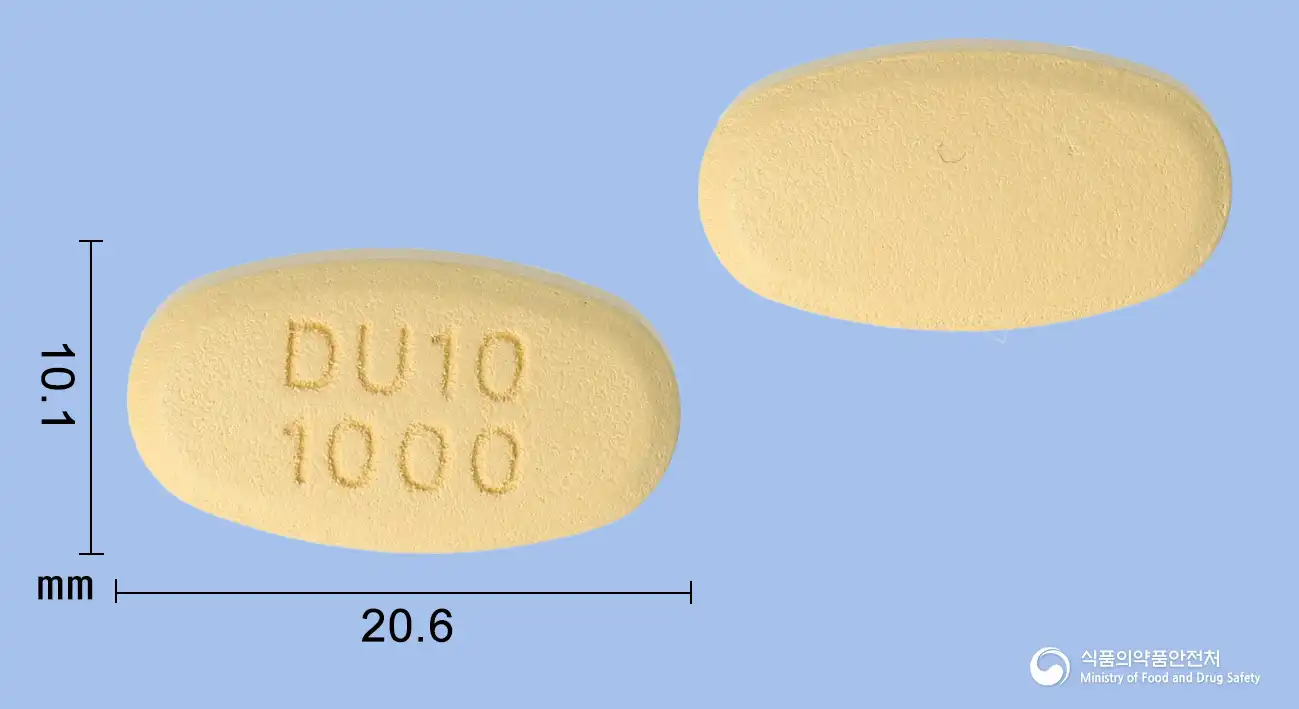
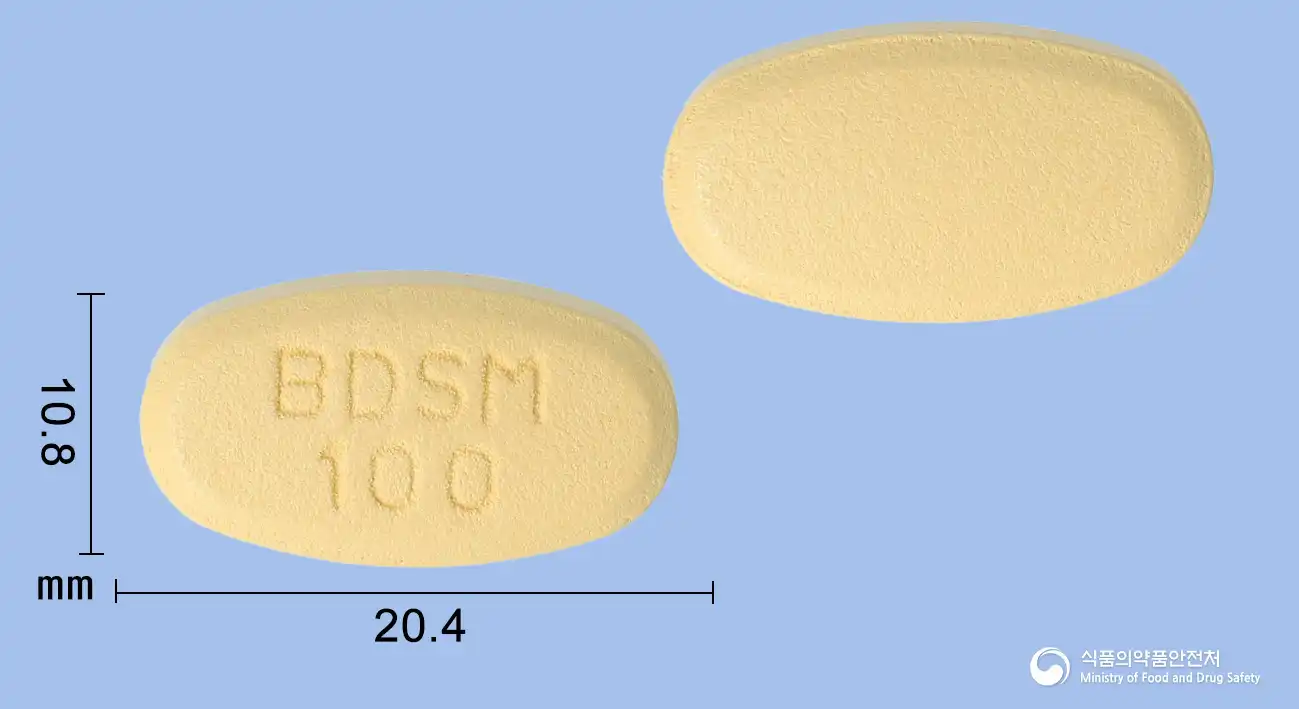
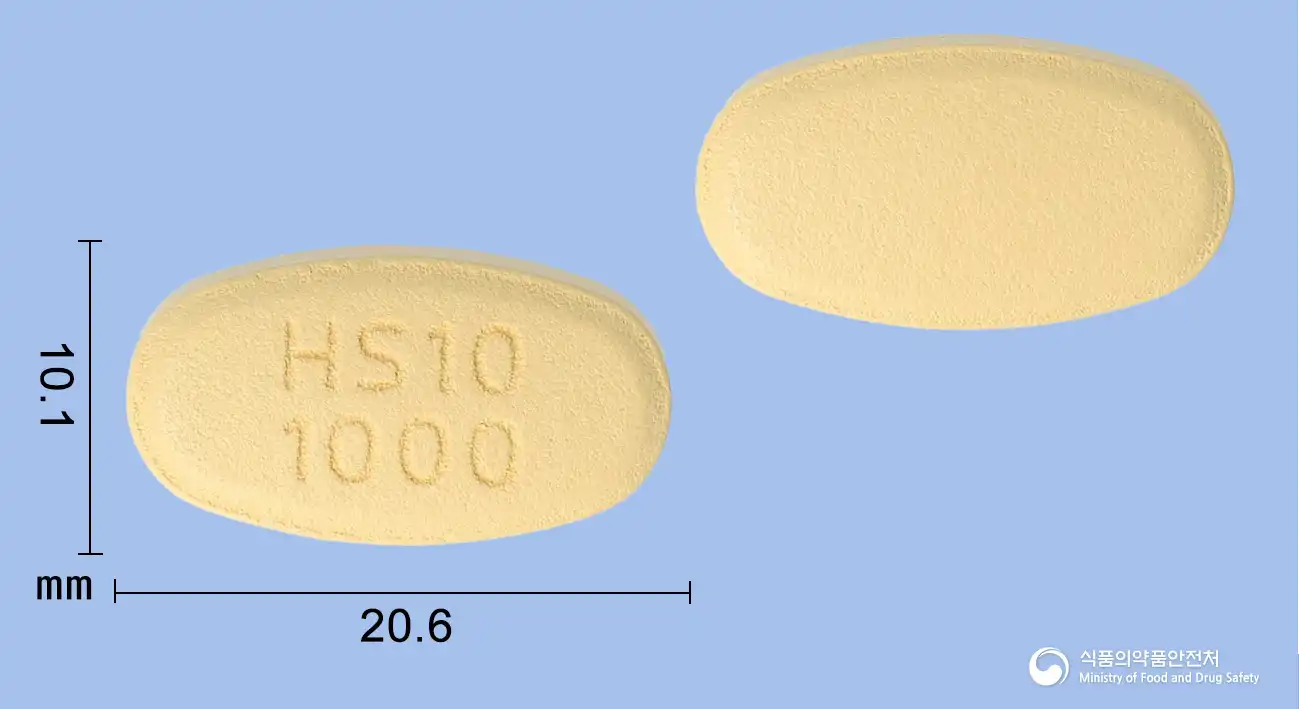
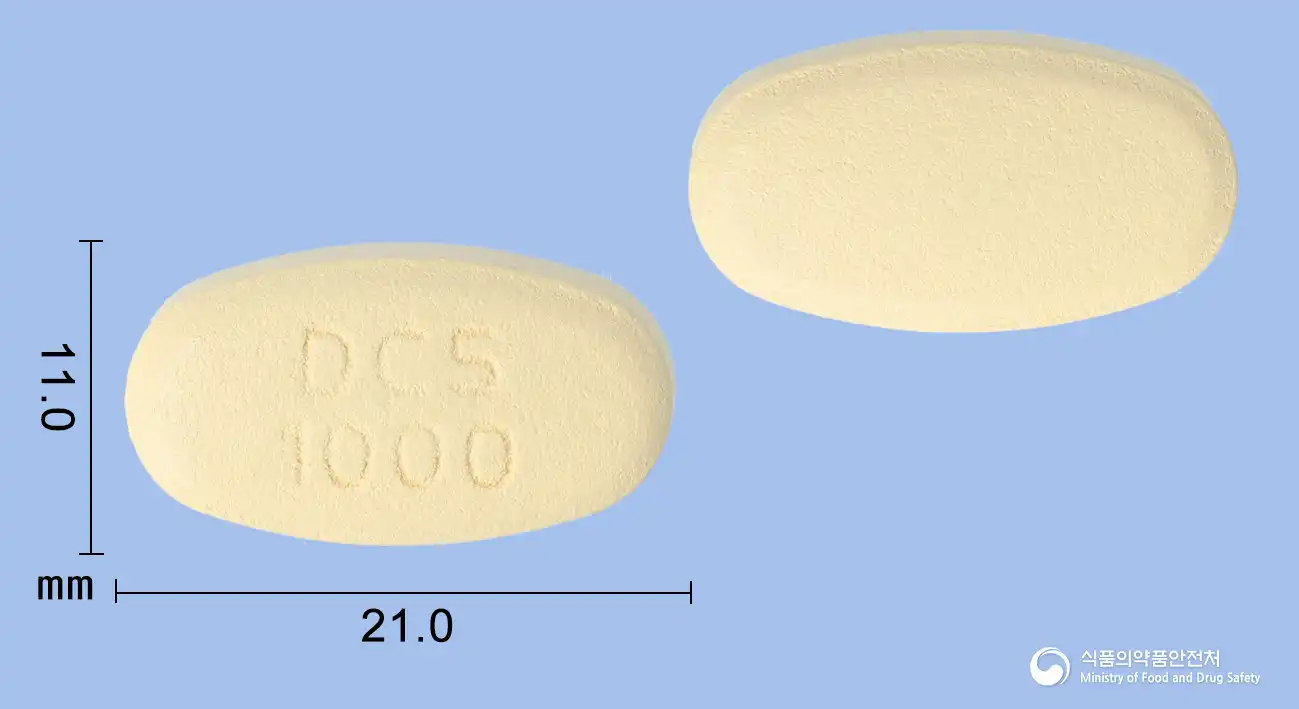
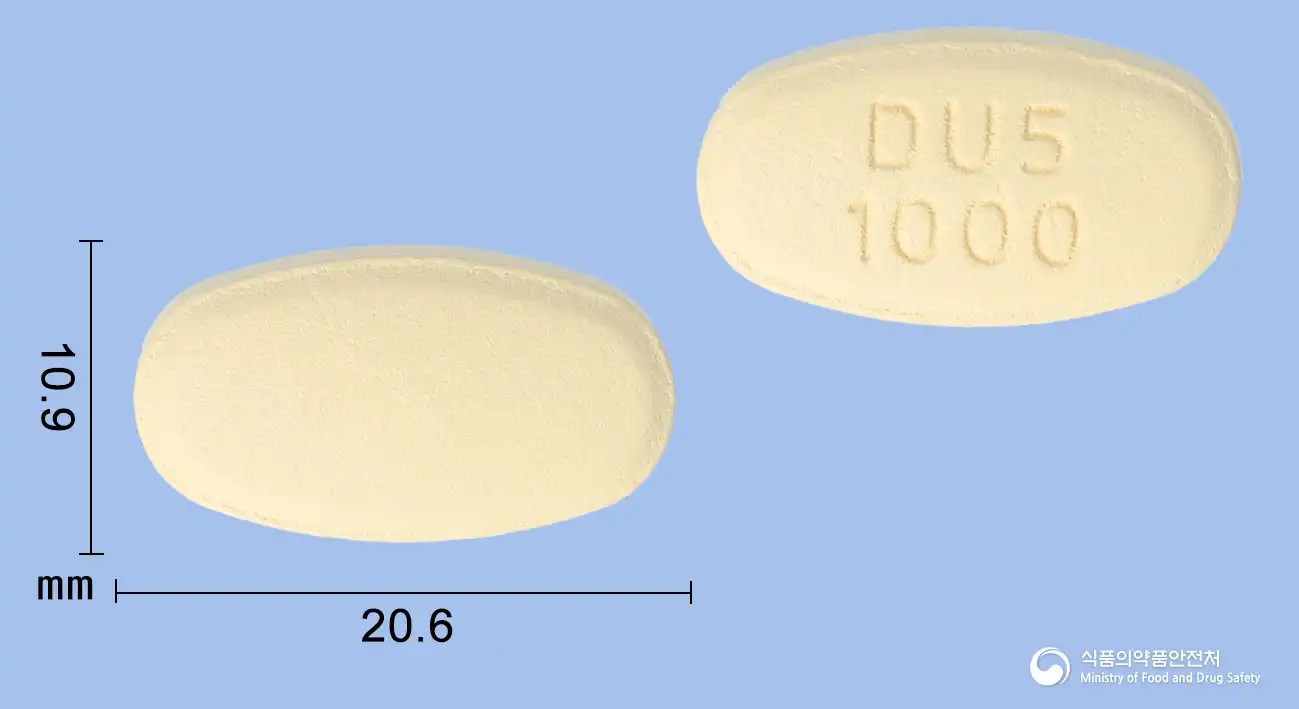
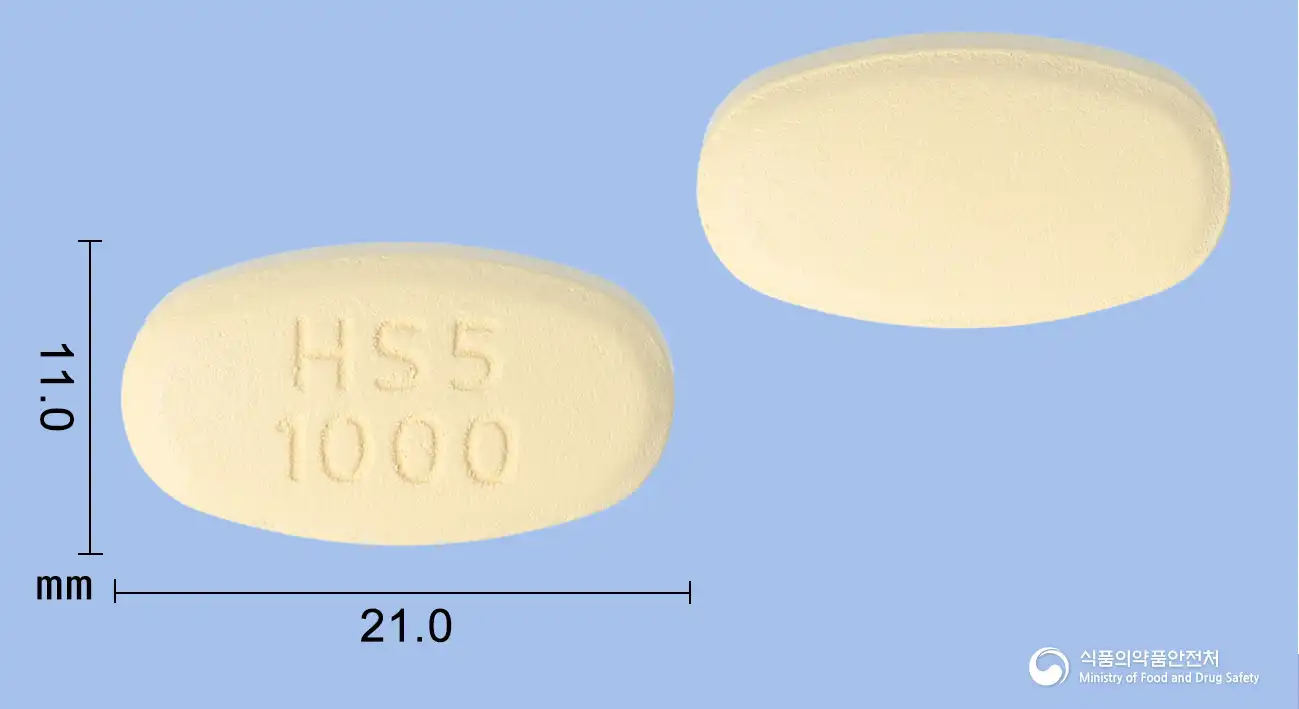
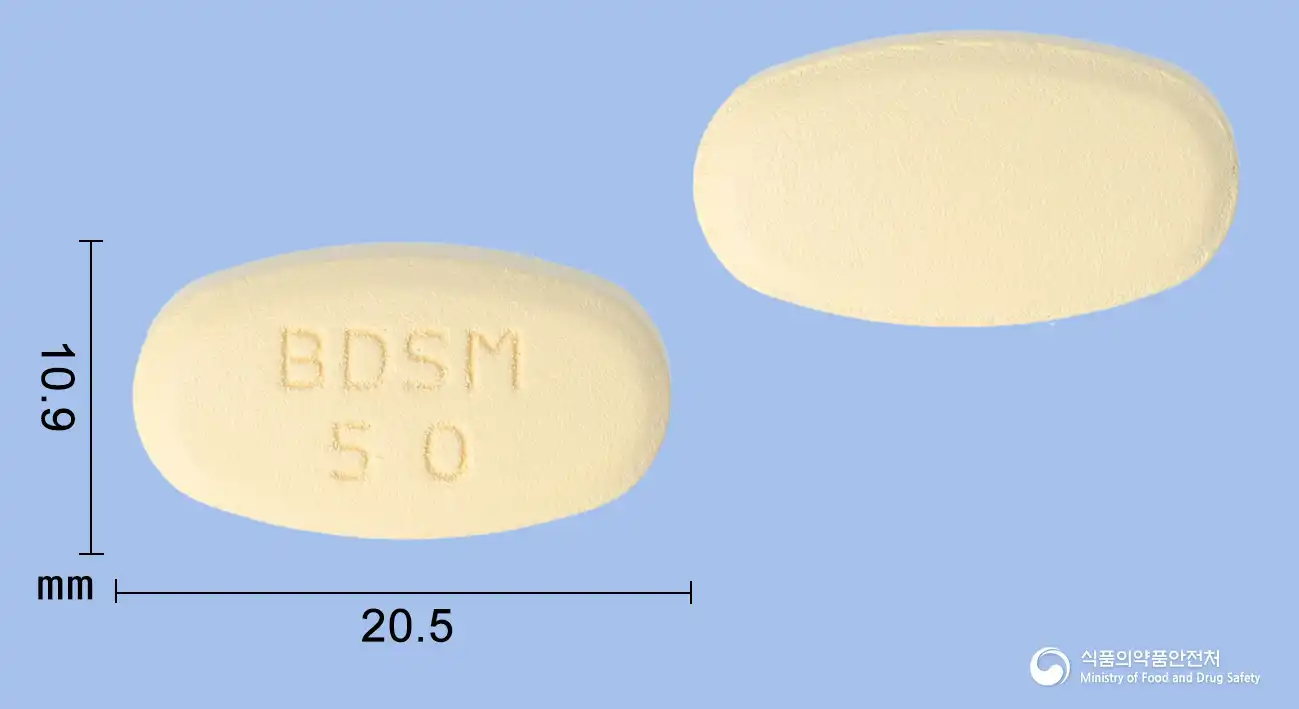
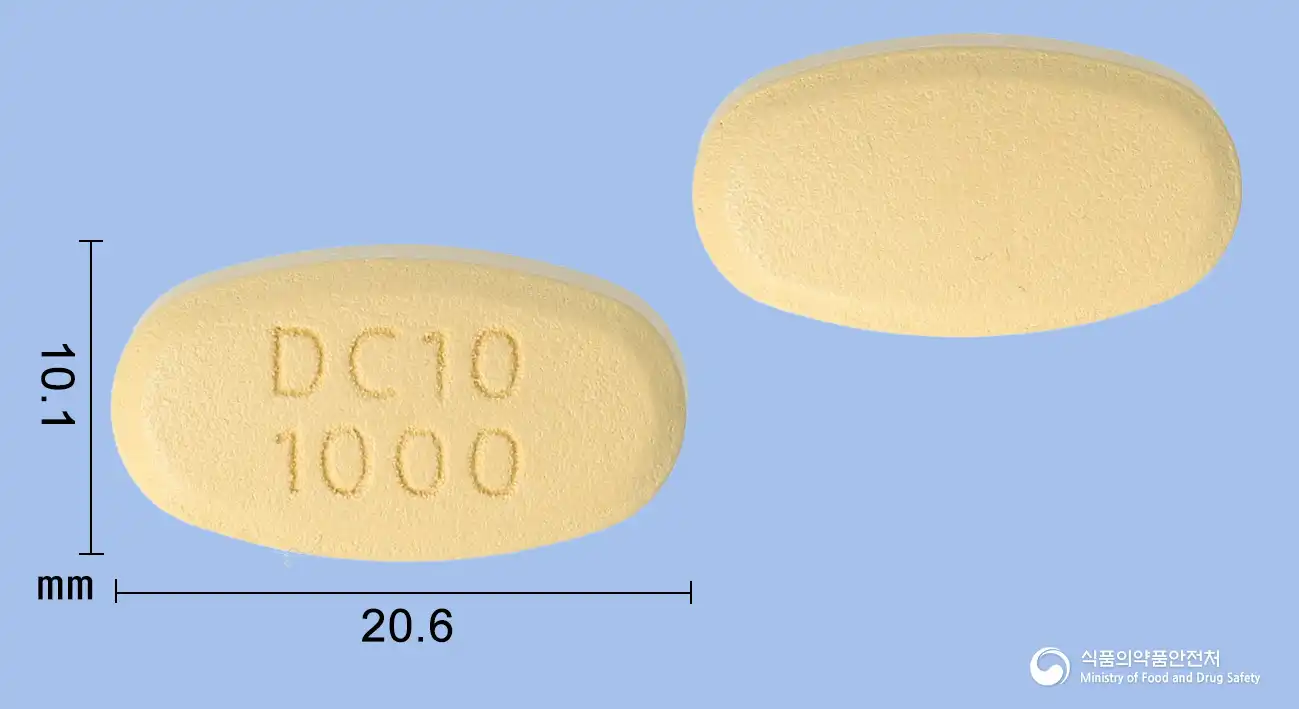
Yellow to dark yellow, bilaterally convex, oval-shaped extended-release film-coated tablets
Package unit
Bottle - 30 tablets/bottle
Same-ingredient medicines
Even with the same ingredient, strength, dosage form and how it is taken can differ.
Even with the same ingredient, the dose and directions can differ by strength and dosage form. Talk to a doctor or pharmacist before switching from a medication you are already taking.
Questions about this medicine
No questions yet.
For anything that needs medical judgment, consult a doctor or pharmacist.
This drug information is based on data provided by the Korea Ministry of Food and Drug Safety. Consult a doctor or pharmacist for accurate dosage, administration, and usage instructions.

 한국어
한국어 English
 日本語
日本語 中文(简体)
 Viewing nowCombination