Improvement of cognitive function and alleviation of symptoms in moderate to severe Alzheimer's disease
Who takes it
Adults
Adult dose
For patients requiring combined administration of 10 mg of donepezil and 20 mg of memantine, take 1 tablet daily before bedtime at the same time every day. This medication can be taken regardless of food intake.
Improvement of cognitive function and alleviation of symptoms in moderate to severe Alzheimer's disease
Moderate Alzheimer's disease
Severe Alzheimer's disease
View approved original textHide original text
For patients with moderate to severe Alzheimer's disease, this combination therapy with donepezil and memantine helps improve cognitive function and alleviate symptoms. This treatment effectively manages memory decline and cognitive impairment, aiding in the improvement of the patient's daily functioning. It is used for the treatment of moderate to severe Alzheimer's disease.
How to take
Adult dose
For patients requiring combined administration of 10 mg of donepezil and 20 mg of memantine, take 1 tablet daily before bedtime at the same time every day. This medication can be taken regardless of food intake.
Precautions
This medication should not be administered to certain patients. For example, people with allergies to this drug or its ingredients should not use it. Additionally, patients with severe liver or kidney dysfunction should not take this medication. Pregnant women, women who may become pregnant, and nursing mothers should also avoid this medication. It should not be administered to patients with genetic lactose breakdown issues such as galactose intolerance.
There are also cautionary considerations for certain patients when using this medication. For instance, patients with a history of epilepsy or seizures, or those with a predisposition to such conditions, should use it cautiously. Concomitant use with certain neurological drugs may increase side effects, so such combinations should be avoided. Furthermore, patients with a history of heart disease, hypertension, asthma, or peptic ulcers should exercise caution.
This medication may cause various adverse reactions. The most common side effects include nausea, vomiting, diarrhea, decreased appetite, dizziness, and insomnia. Serious side effects have also been reported, including heart-related issues, liver function abnormalities, seizures, myalgia, and breathing difficulties. If any of these symptoms occur, immediate consultation with a physician is required.
This medication is used for the treatment of Alzheimer's disease and should be taken under the diagnosis and supervision of a specialist. The therapeutic effect should be evaluated regularly, and if no effect is observed, discontinuation should be considered. It is important for patients with cardiovascular diseases to periodically check their heart condition.
This medication can interact with other drugs, so if you are currently taking other medications, be sure to inform your doctor. Special caution is necessary when used in conjunction with cardiac drugs, anti-inflammatory pain relievers, antidepressants, and antibiotics.
It is advisable for pregnant or nursing women to refrain from using this medication. Even in necessary cases, careful consideration of risks and benefits with a physician is essential.
The safety and efficacy of this medication have not been established for children and adolescents under 18 years of age, so it is not used in this population.
In the event of an overdose, symptoms such as severe vomiting, seizures, and breathing difficulties may occur, necessitating immediate medical attention and appropriate treatment.
This medication may affect the ability to drive or operate machinery, so caution is needed during use. Specifically, if dizziness or drowsiness occurs, avoid dangerous tasks.
Finally, this medication should be stored out of reach of children, and transferring it to another container should be avoided as it may lead to quality degradation or accidents.
Side effects and when to seek care immediately
Serious side effects
Hives, severe swelling (edema), chest tightness, difficulty breathing, cold sweats, pallor, severe rash with high fever, blisters, peeling skin, oral/ocular mucosal pain, shortness of breath or difficulty breathing, asthma attacks, respiratory abnormalities accompanied by cough and fever, jaundice (yellowing of the skin or eyes), extreme lethargy, sudden and severe headaches, lightning headaches, seizures, confusion, visual disturbances, paralysis, urination
Not everyone experiences these, and they can vary from person to person.
Storage
This medication should be stored in a sealed container to prevent exposure to air or moisture. The recommended storage temperature is between 1 degree and 30 degrees Celsius at room temperature.
Appearance and packaging
Appearance
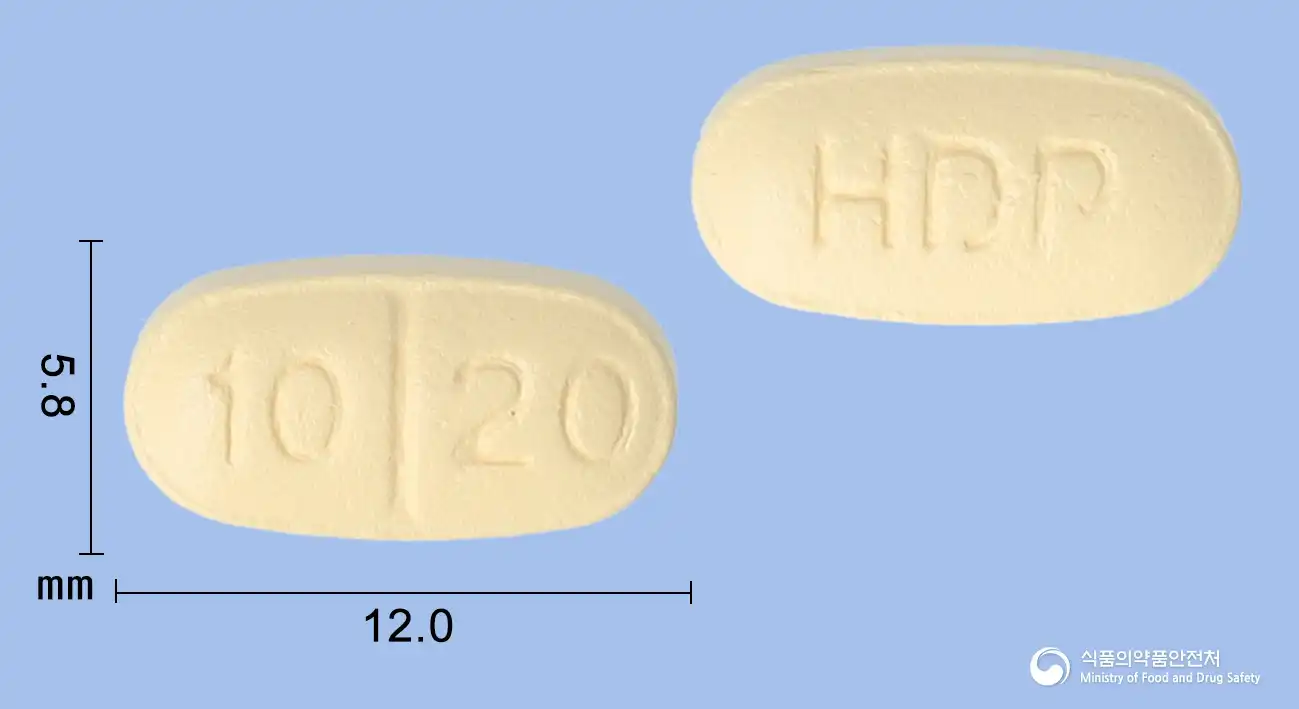
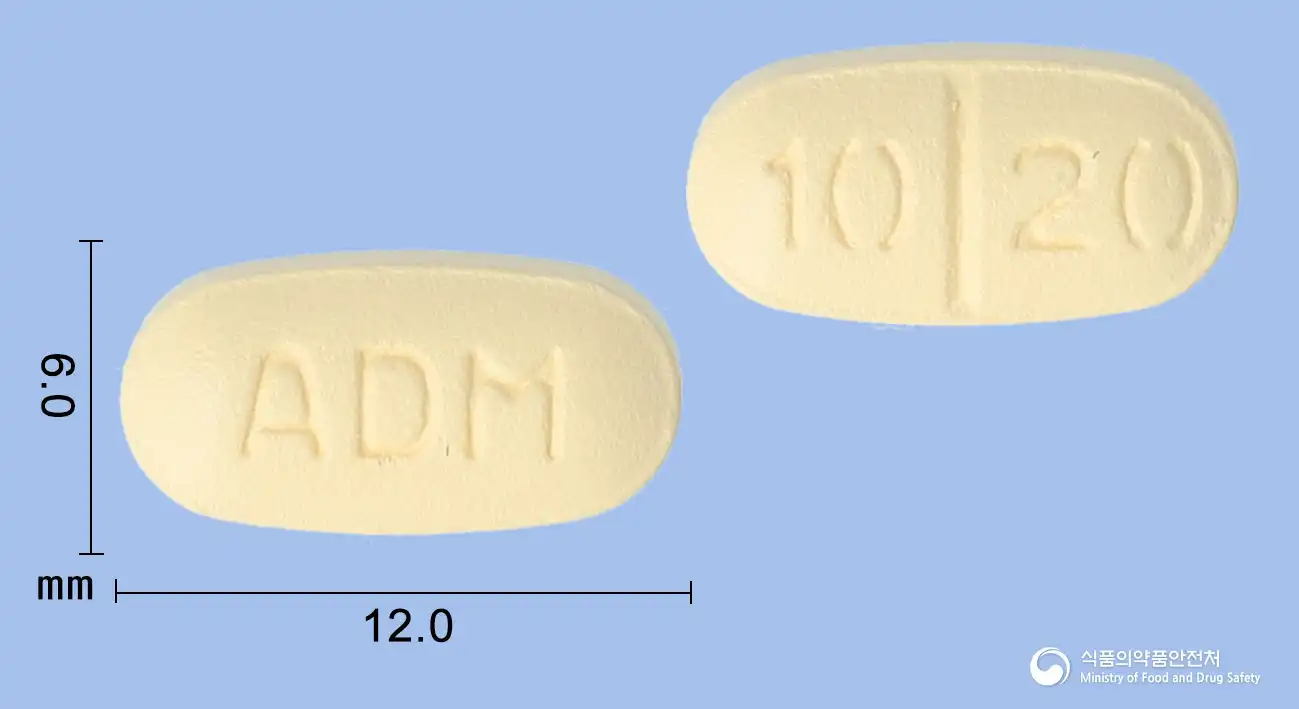
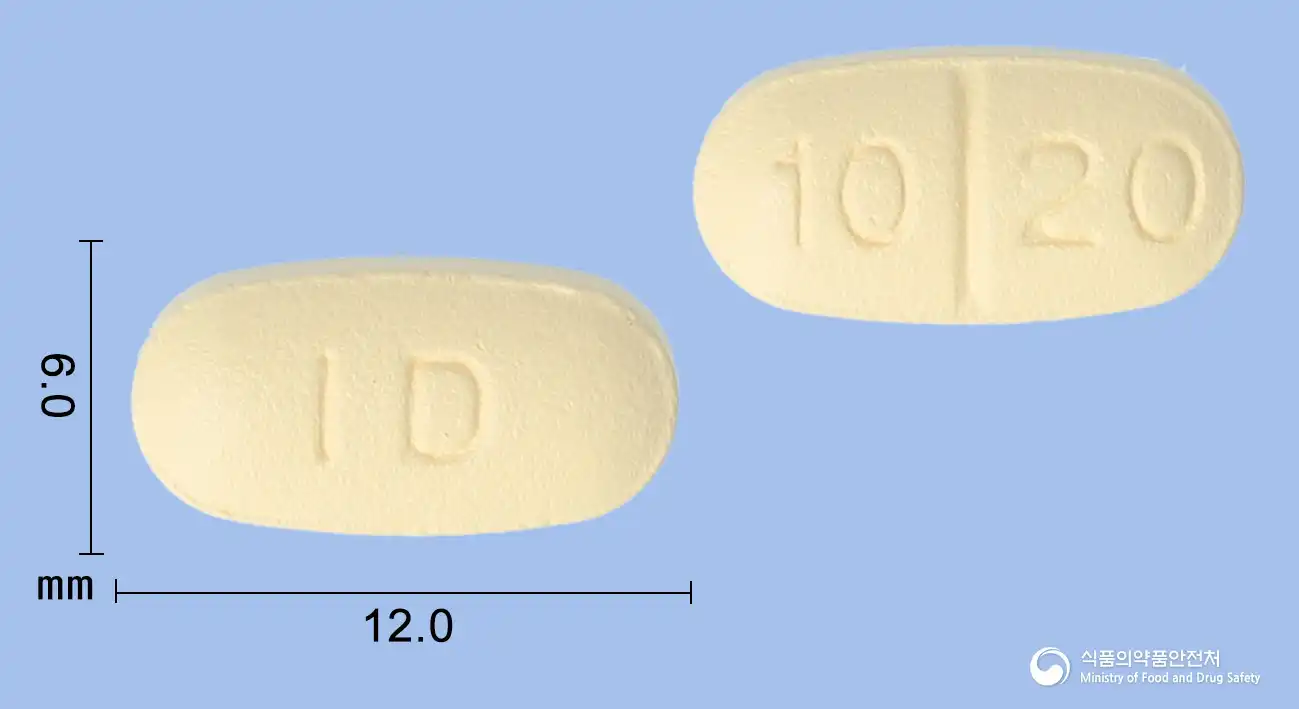
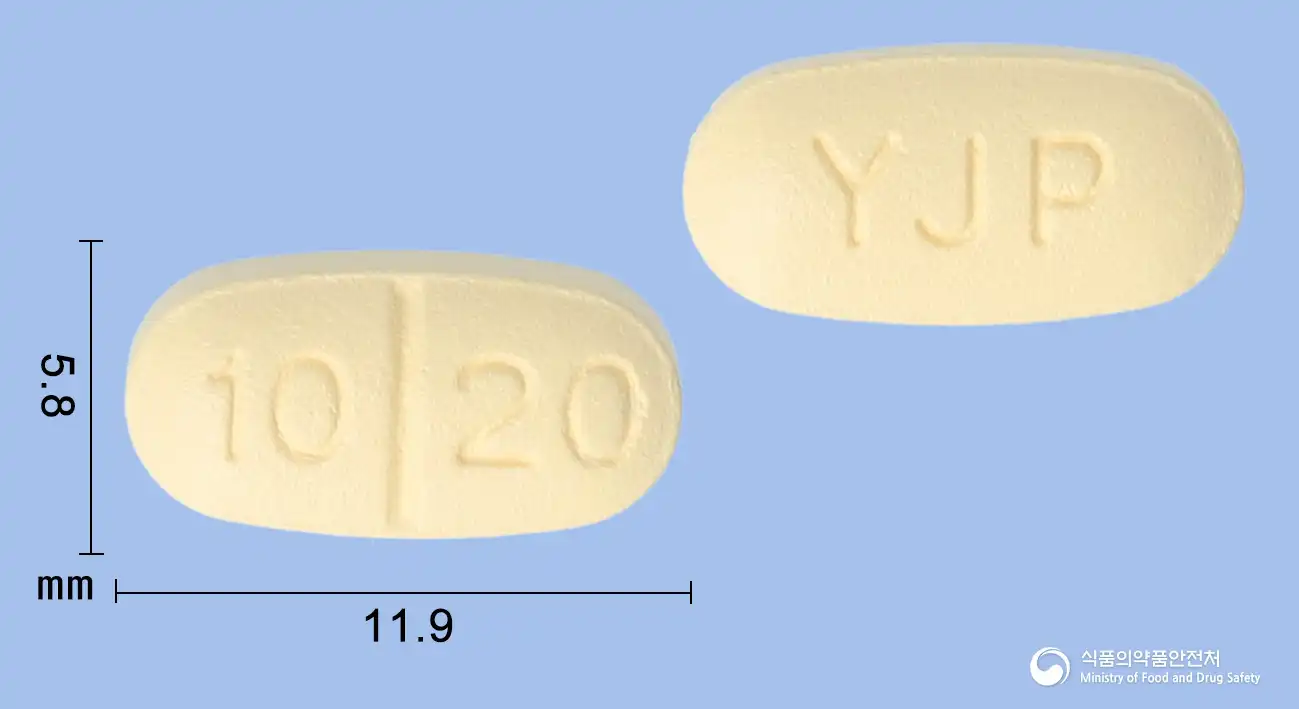
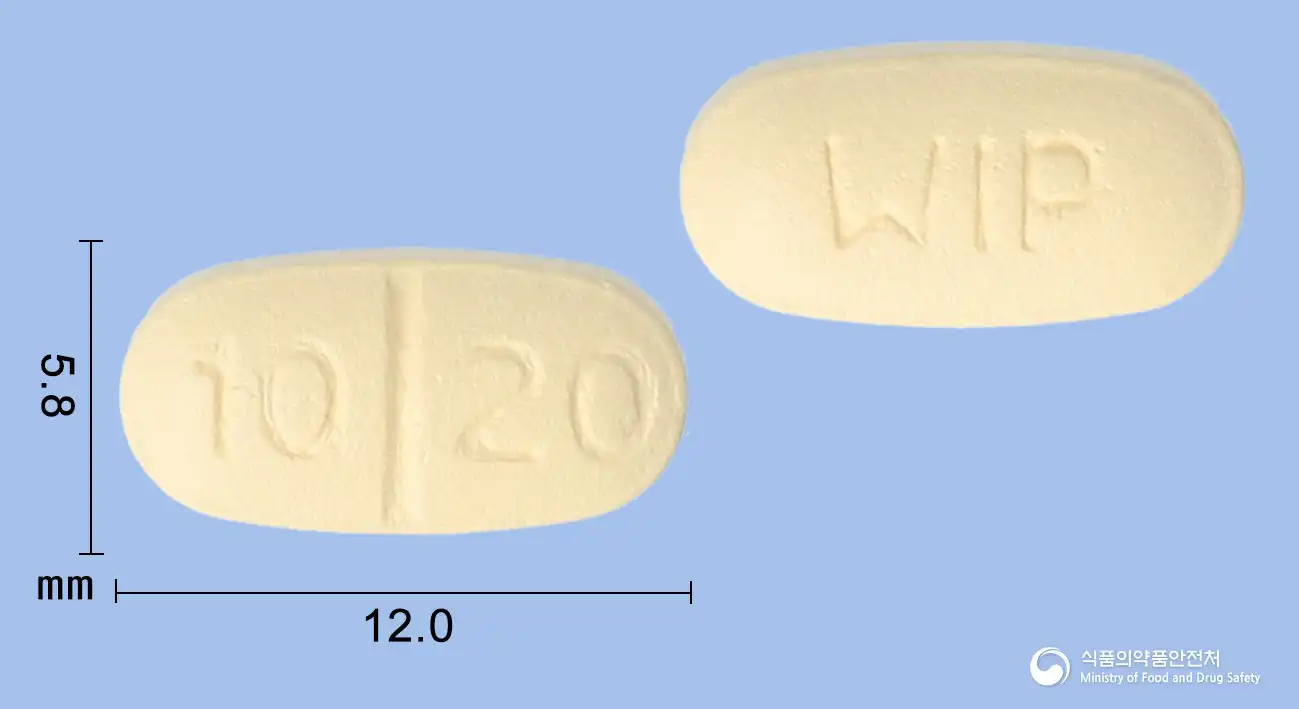
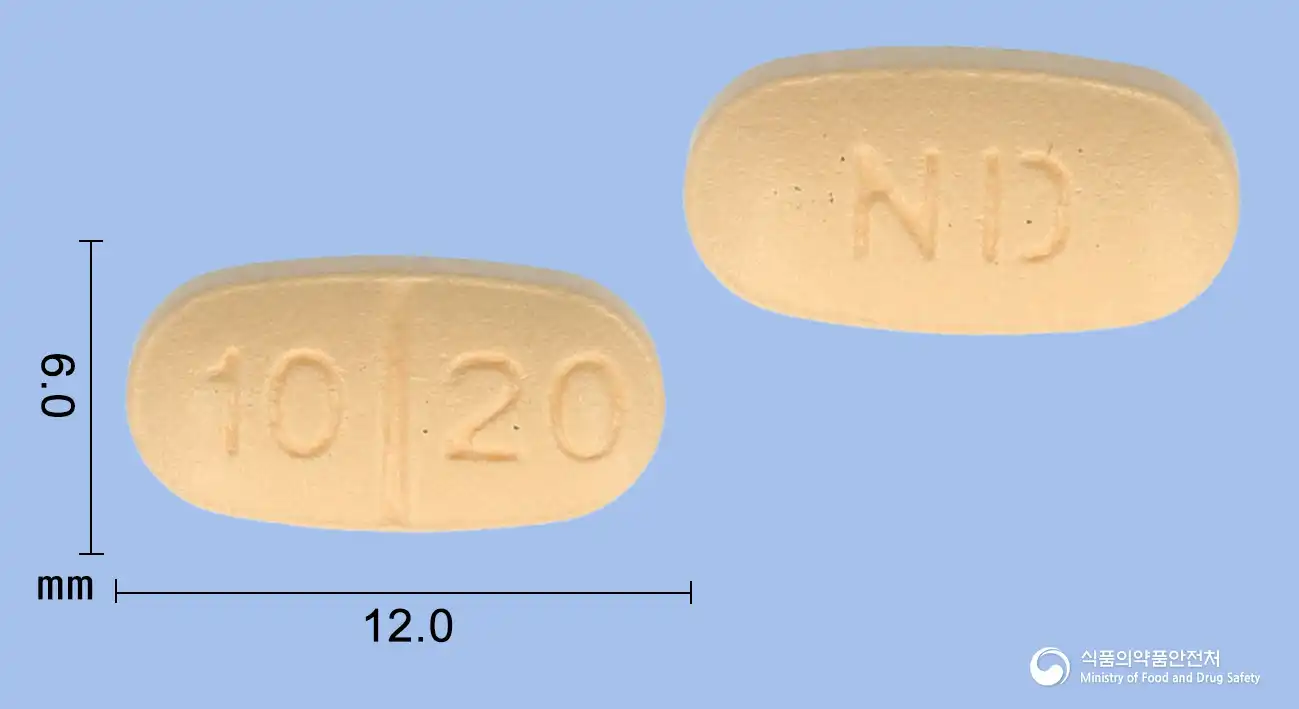
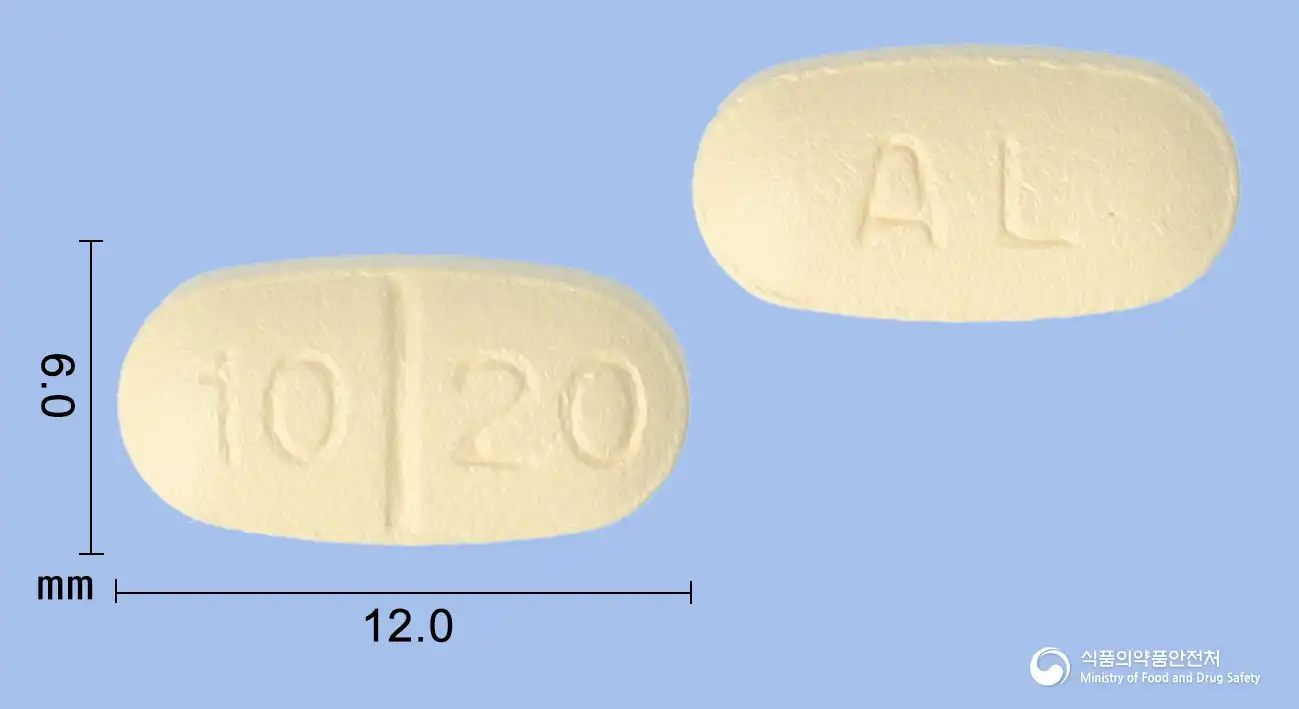
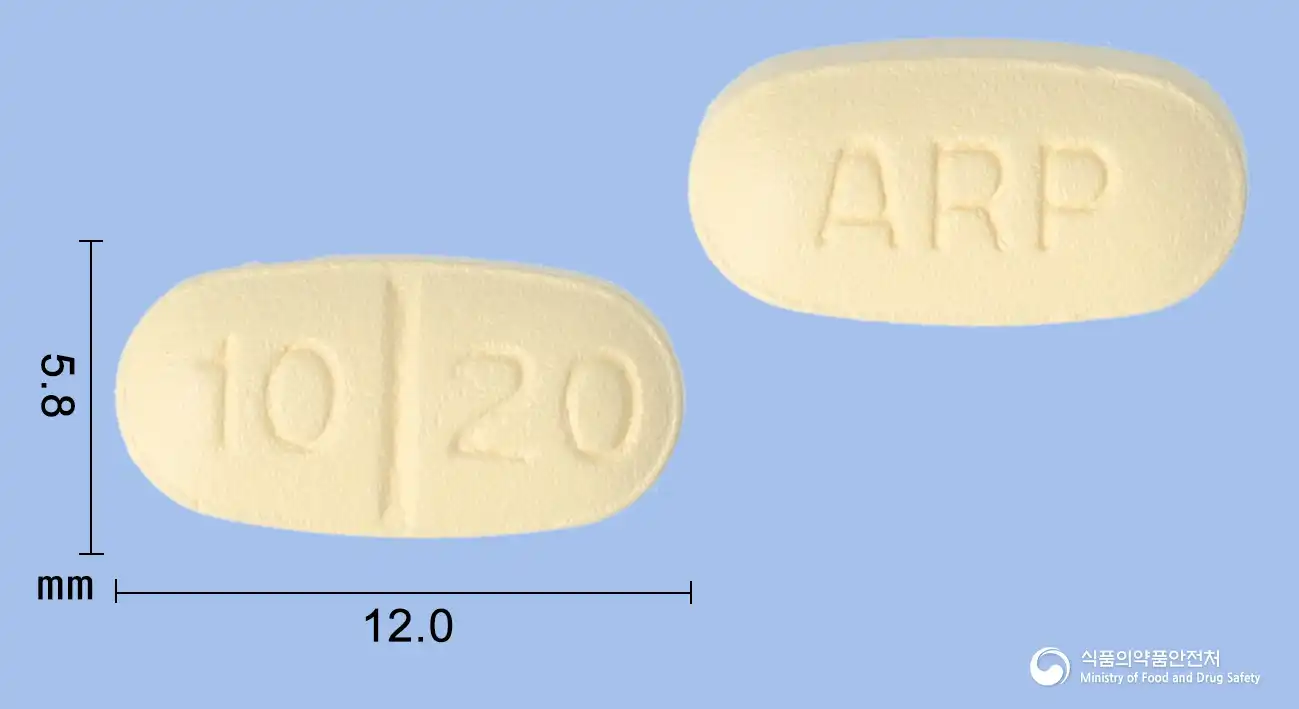
Yellowish oval film-coated tablet
Package unit
30 tablets/bottle, 100 tablets/bottle
Same-ingredient medicines
Even with the same ingredient, strength, dosage form and how it is taken can differ.
Even with the same ingredient, the dose and directions can differ by strength and dosage form. Talk to a doctor or pharmacist before switching from a medication you are already taking.
Questions about this medicine
No questions yet.
For anything that needs medical judgment, consult a doctor or pharmacist.
This drug information is based on data provided by the Korea Ministry of Food and Drug Safety. Consult a doctor or pharmacist for accurate dosage, administration, and usage instructions.

 한국어
한국어 English
 日本語
日本語 中文(简体)
 Viewing nowCombination