Treatment of moderate to severe Alzheimer's disease as an alternative to combination therapy with donepezil and memantine
Who takes it
Adults
Adult dose
For the convenience of patients who need to receive donepezil hydrochloride 10mg and memantine hydrochloride 20mg concomitantly, switch to this medicine (a combination product containing the same amounts of each active ingredient) and administer 1 tablet once daily at bedtime, at the same time each day.
This medicine may be taken regardless of food intake.
The safety and efficacy of this medicine have not been studied in patients with moderate or severe renal impairment, patients with hepatic impairment, or underweight women aged 85 years or older.
Treatment of moderate to severe Alzheimer's disease as an alternative to combination therapy with donepezil and memantine
Moderate Alzheimer's disease
Severe Alzheimer's disease
View approved original textHide original text
This medication is used as an alternative treatment for patients with moderate to severe Alzheimer's disease, employing a combination therapy of donepezil and memantine. In other words, this drug helps improve the symptoms of Alzheimer's disease instead of the usual combination therapy of donepezil and memantine.
How to take
Adult dose
For the convenience of patients who need to receive donepezil hydrochloride 10mg and memantine hydrochloride 20mg concomitantly, switch to this medicine (a combination product containing the same amounts of each active ingredient) and administer 1 tablet once daily at bedtime, at the same time each day.
This medicine may be taken regardless of food intake.
The safety and efficacy of this medicine have not been studied in patients with moderate or severe renal impairment, patients with hepatic impairment, or underweight women aged 85 years or older.
Precautions
This medication should not be used in certain patients.
Specifically, individuals allergic to this drug or its components, those with severe liver or kidney impairment, women who are pregnant or breastfeeding, and those with genetic conditions such as lactose intolerance should not be administered this medication.
Additionally, patients with epilepsy or a history of seizures, those taking certain neurological drugs, individuals with heart disease or hypertension, those with a history of peptic ulcer, those with asthma or lung disease, and those with extrapyramidal disorders such as Parkinson's disease should exercise caution when using this medication.
This medication is composed of donepezil hydrochloride and memantine hydrochloride, and various side effects reported for each component may occur. Serious side effects such as cardiac issues, gastrointestinal bleeding, hepatic dysfunction, epileptic seizures, movement disorders, severe muscle problems, respiratory distress, pancreatitis, renal failure, and sudden death may rarely occur with donepezil hydrochloride; symptoms should prompt immediate consultation with a healthcare professional.
Additionally, various mild side effects such as dizziness, nausea, vomiting, diarrhea, insomnia, depression, hallucinations, anxiety, muscle pain, etc., have been reported. Memantine hydrochloride may commonly cause side effects such as dizziness, headache, constipation, drowsiness, and hypertension.
This medication requires special caution in patients with heart disease or electrolyte abnormalities, those with a history of gastric ulcers, and those with respiratory illnesses, who may need electrocardiograms, blood pressure monitoring, and hepatic function tests during treatment.
It is principle that women who are pregnant or breastfeeding avoid this medication, and if necessary, it should be used after consulting with a specialist.
This medication is not used in children and adolescents under 18 years old, as safety and efficacy have not been established.
In case of overdose, severe symptoms such as nausea, vomiting, bradycardia, seizures, and coma may occur, requiring immediate treatment at a hospital, possibly including an antidote or special therapy.
Finally, this medication may affect driving or machinery operation abilities, so caution is advised while taking it.
Lastly, the medication should be stored out of reach of children and not transferred to another container.
Side effects
Syncope
bradycardia
heart block
prolonged QT interval
myocardial infarction
heart failure
peptic ulcer
perforated duodenal perforation
gastrointestinal bleeding
hepatitis
Show 185 moreCollapse
liver dysfunction
jaundice
cerebral seizure
epilepsy
convulsions
cerebral hemorrhage
cerebrovascular disease
movement disorders
ataxia
motor impairment
dystonia
tremors
involuntary movements
gait disturbances
abnormal posture
speech disorders
akinetic mutism
extreme muscle rigidity
dysphagia
tachycardia
blood pressure fluctuations
sweating
rhabdomyolysis
myalgia
weakness
dyspnea
acute pancreatitis
acute renal failure
sudden death of unknown cause
cold
loss of appetite
hallucinations
agitation
aggressive behavior
anxiety disorders
insomnia
drowsiness
increased libido
talkativeness
mania
nightmares
irritability
delusions
depression
confusion
apathy
hyperkinesia
dizziness
tremors
seizures
stupor
palpitations
sinoatrial block
atrioventricular block
hypertension
hypotension
atrial fibrillation
torsades de pointes
prolonged QT interval on ECG
diarrhea
nausea
vomiting
abdominal disorders
constipation
salivation
fecal incontinence
headache
fatigue
pain
toothache
facial flushing
lethargy
asthenia
edema
fever
decreased body temperature
decreased hematocrit
leukopenia
anemia
thrombocytopenia
falls
petechiae
abnormal dreams
urinary incontinence
increased urination
urinary retention
eczema
hostility
irritability
confusion
emotional instability
personality disorder
decreased concentration
mental dullness
cardiac arrest
dehydration
hyperlipidemia
hypoglycemia
weight loss
peripheral edema
increased LDH
increased alkaline phosphatase
hypercholesterolemia
hypokalemia
hyperbilirubinemia
increased BUN
vitamin B12 deficiency anemia
cachexia
increased creatinine
gout
hyponatremia
hypoalbuminemia
iron deficiency anemia
increased AST
increased ALT
arthritis
arthrosis
bone fracture
arthralgia
leg cramps
osteoporosis
restlessness
anxiety
transient psychosis
gait abnormalities
apathy
delusions
dream disorders
cerebrovascular abnormalities
increased salivation
ataxia
euphoric state
cerebral hemorrhage
cerebral infarction
cerebral ischemia
dementia
grand mal seizure
hemiplegia
tension hypertension
reduced mobility
pharyngitis
pneumonia
increased cough
bronchitis
rhinitis
asthma
skin ulcer
itching
psoriasis
skin discoloration
shingles
dry skin
urticaria
vesicular rash
conjunctivitis
glaucoma
visual disturbances
ear pain
tear abnormalities
urinary tract infection
cystitis
hematuria
diabetes
vaginitis
urination disorders
proteinuria
drowsiness
confusion
psychotic reactions
balance disorders
gait disturbances
heart failure
venous thrombosis
thromboembolism
pancreatitis
elevated liver function tests
hepatitis
headache
fatigue
vomiting
hallucinations
heart block
hemolytic anemia
hyponatremia
neuroleptic malignant syndrome
Not everyone experiences these, and they can vary from person to person.
Storage
This medication may be sensitive to air or moisture, so it should be stored in a sealed container. Additionally, it is important to avoid extremely hot or cold places, keeping it stored at room temperature between 1°C and 30°C.
Appearance and packaging
Appearance
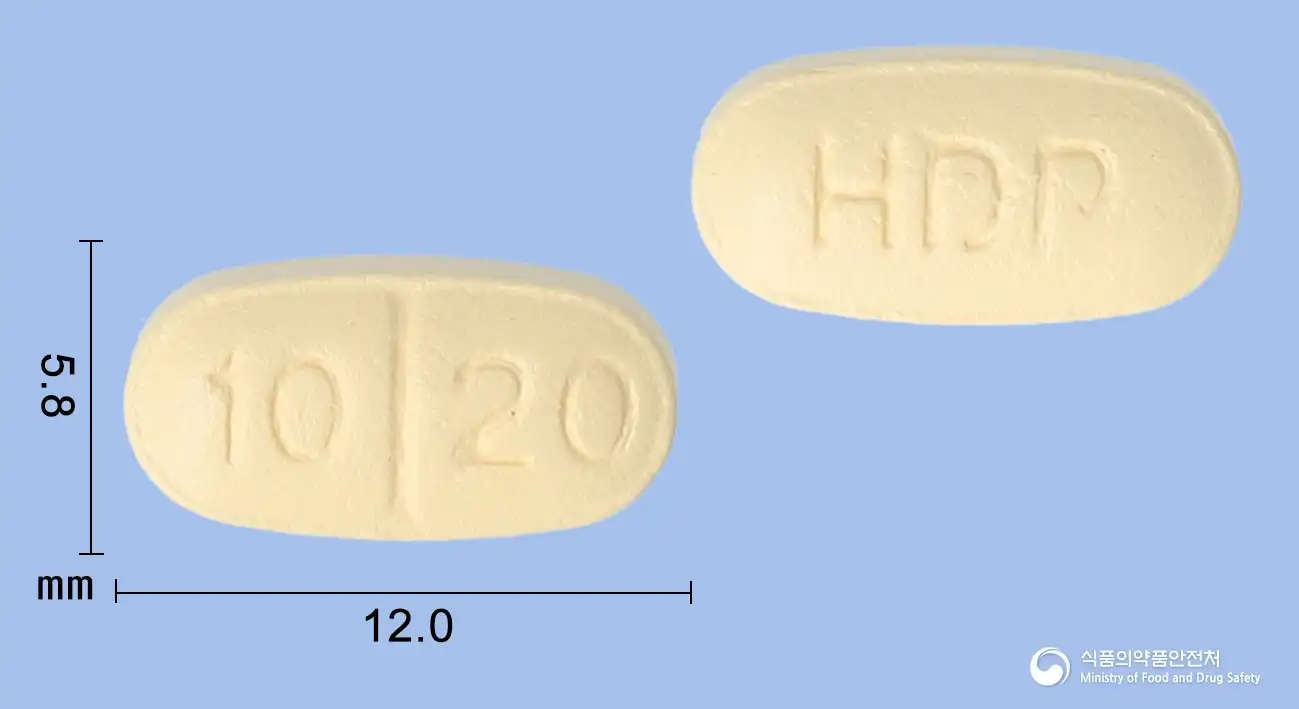
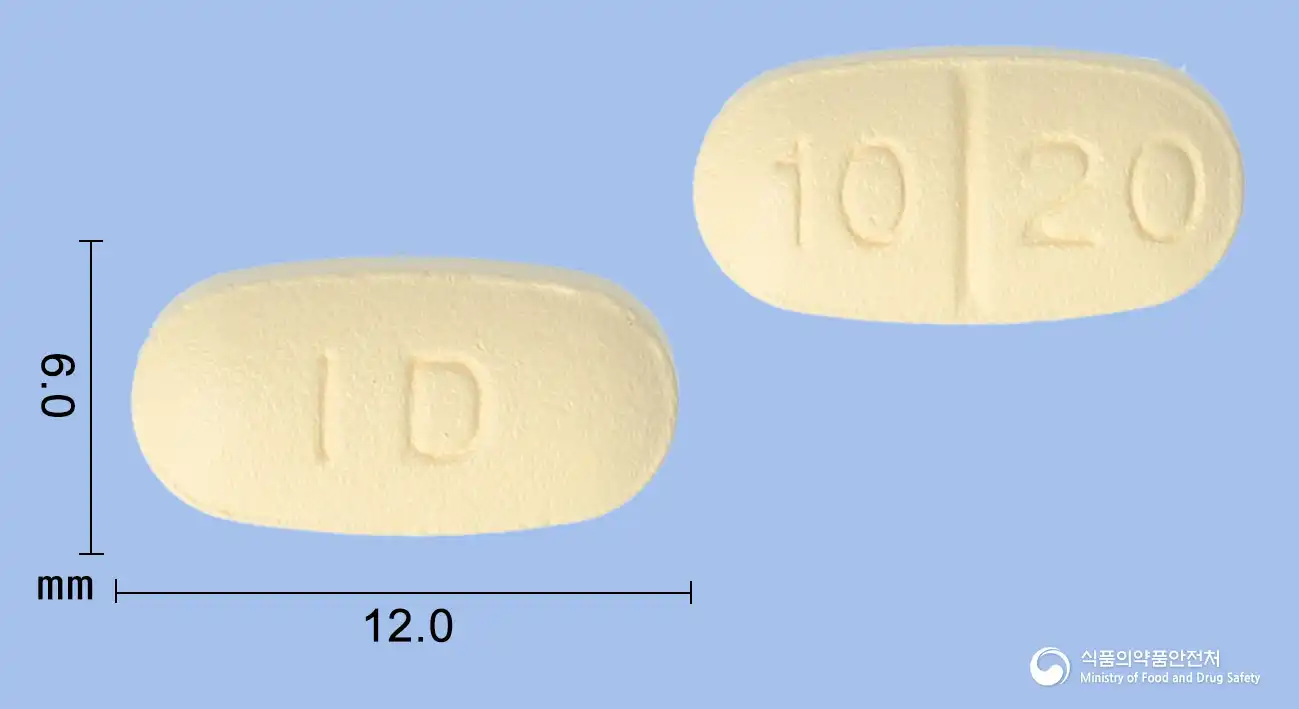
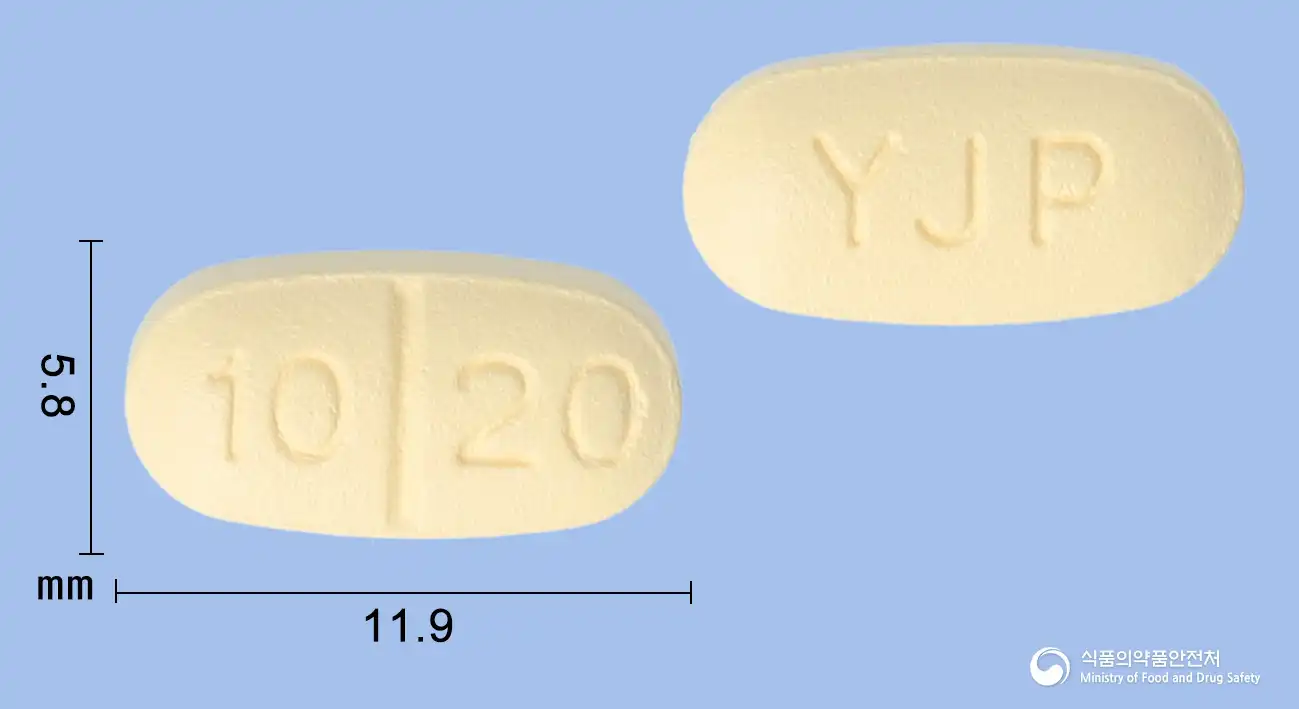
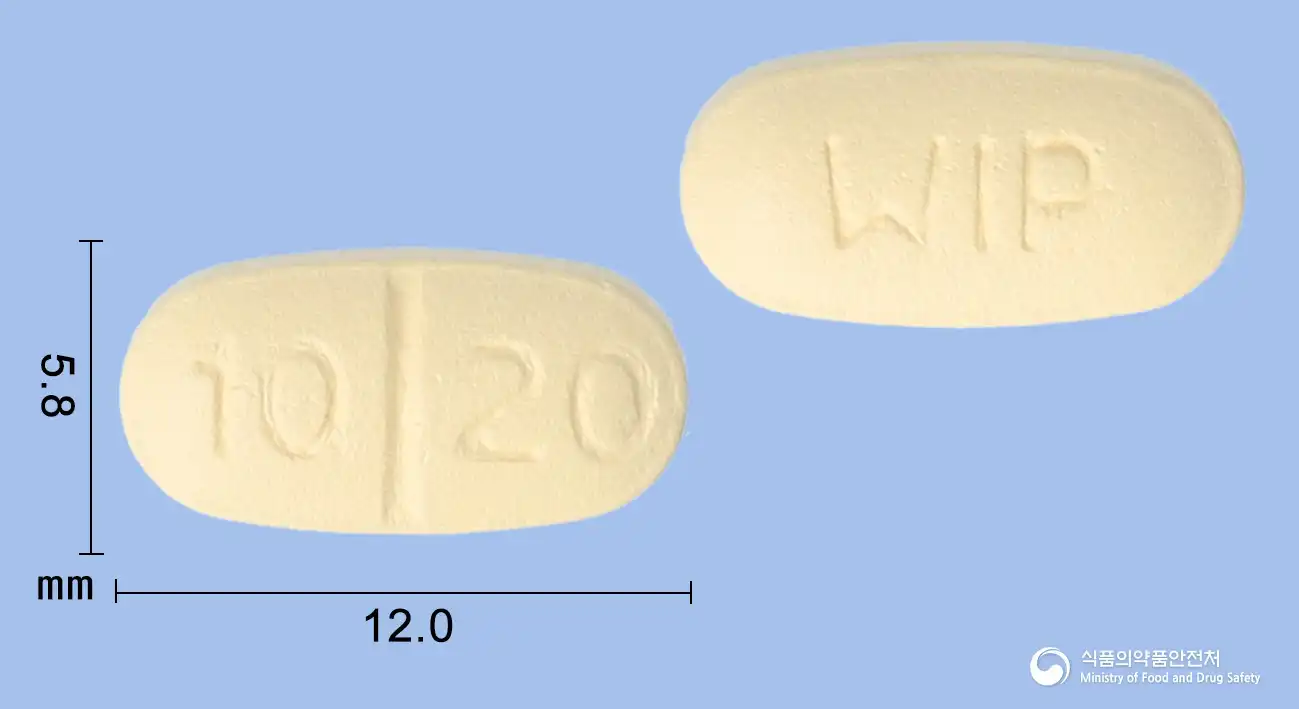
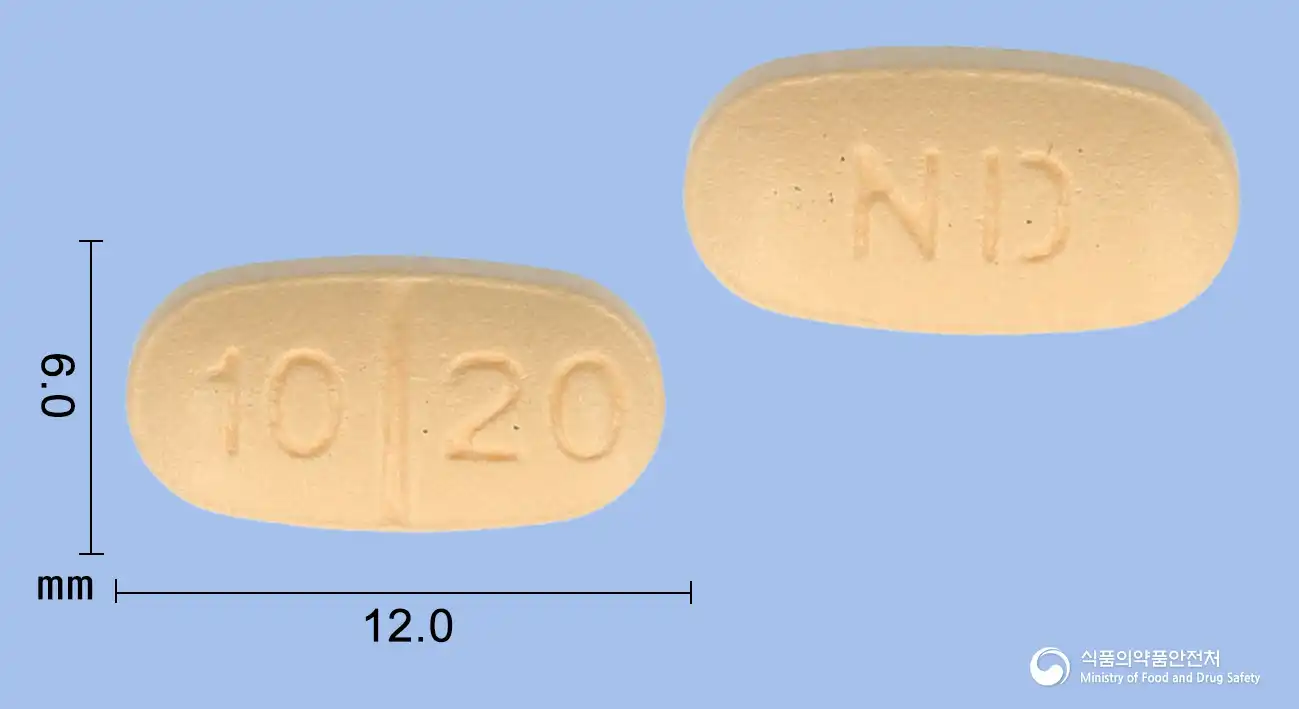
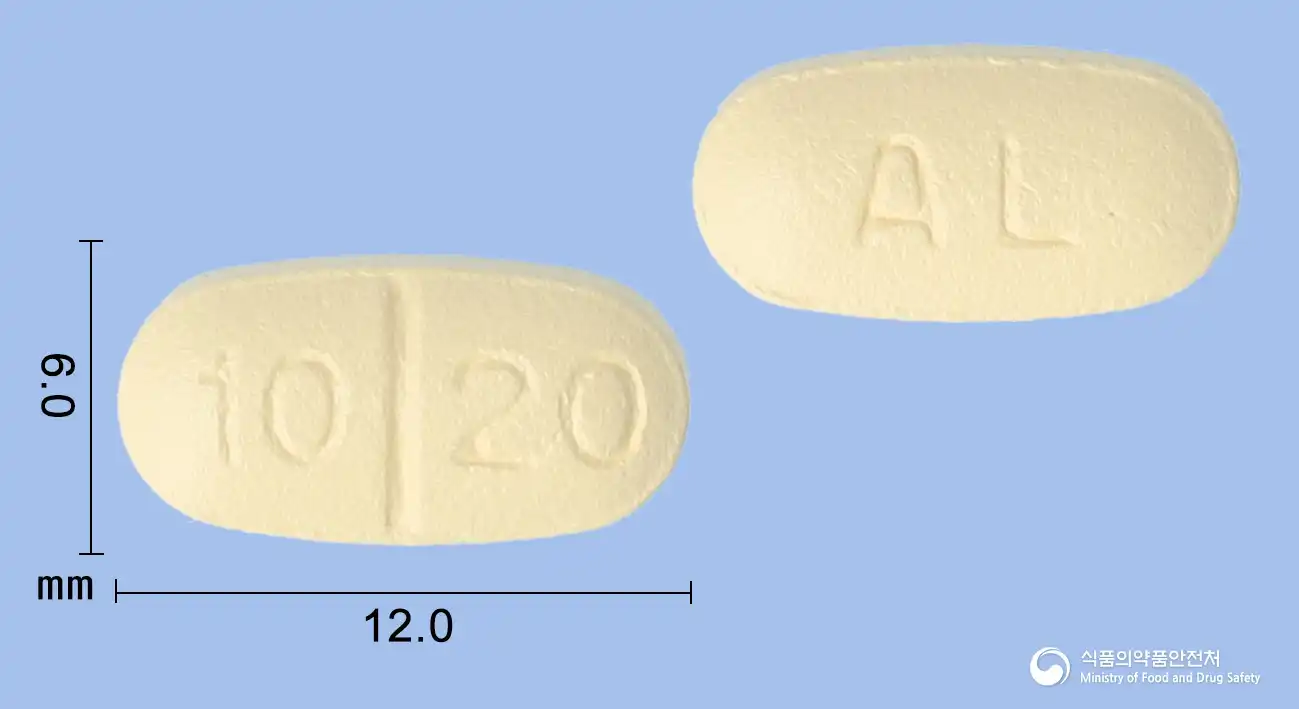
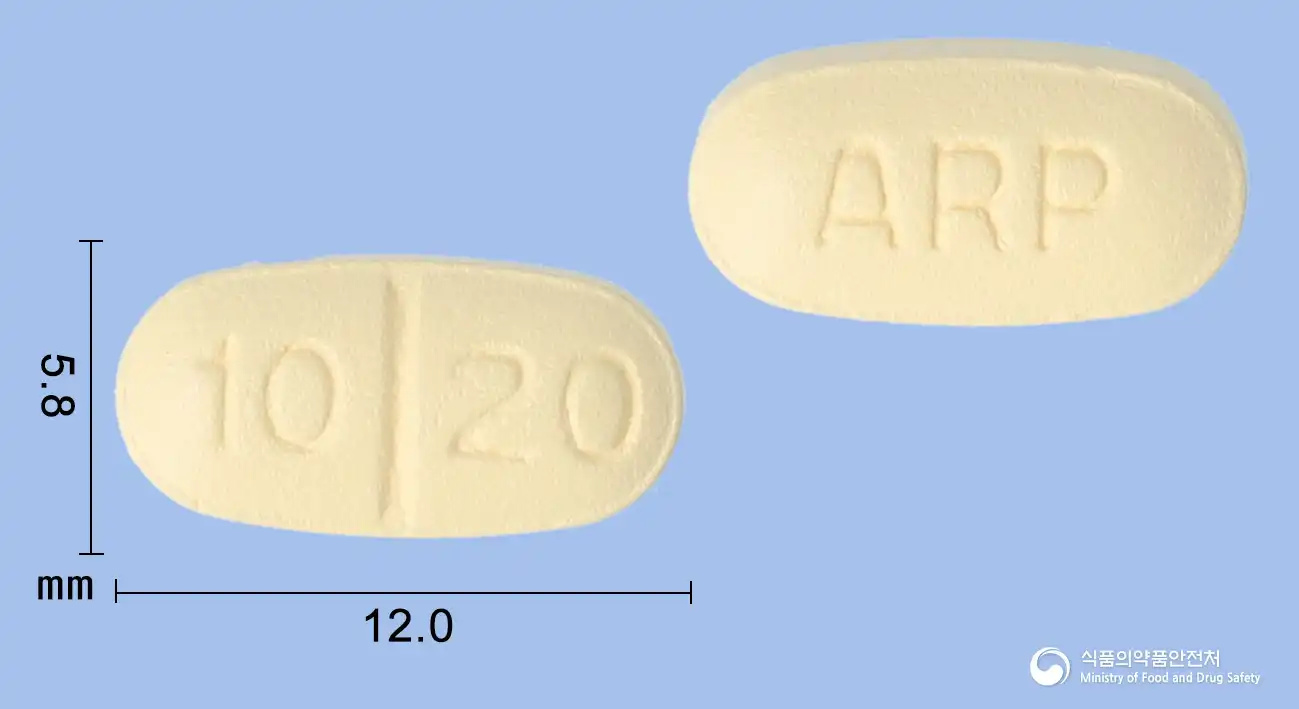
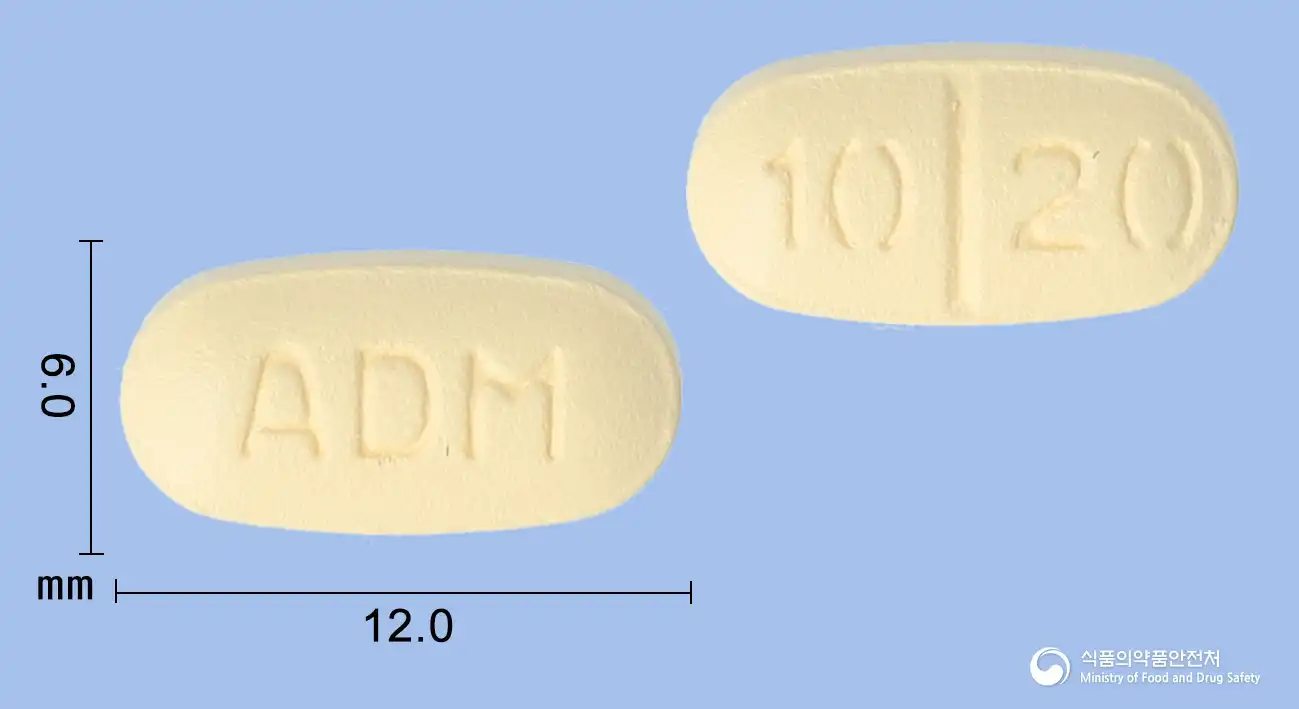
Yellowish oval film-coated tablet
Package unit
100 tablets/bottle, 30 tablets/bottle
Same-ingredient medicines
Even with the same ingredient, strength, dosage form and how it is taken can differ.
Even with the same ingredient, the dose and directions can differ by strength and dosage form. Talk to a doctor or pharmacist before switching from a medication you are already taking.
Questions about this medicine
No questions yet.
For anything that needs medical judgment, consult a doctor or pharmacist.
This drug information is based on data provided by the Korea Ministry of Food and Drug Safety. Consult a doctor or pharmacist for accurate dosage, administration, and usage instructions.

 한국어
 English
 日本語
 中文(简体)
 Viewing nowCombination