
 한국어
한국어 English
 日本語
日本語 中文(简体)
Dosage form image
Viewing nowLoxopop Plaster (Sodium Loxoprofen Hydrate)
Loxoprofen Sodium Hydrate 56.7mg
Patch · OTC medication
CMG Pharmaceutical Co., Ltd.
MFDS item code 202402921 · Notified 2024.12.11
Relief of pain from degenerative arthritis (osteoarthritis) and muscle pain
This medication is used to relieve pain from osteoarthritis such as degenerative arthritis, muscle pain, and post-traumatic swelling and pain. It primarily helps reduce pain and inflammation, alleviating discomfort for the patient. This medication helps to reduce swelling at the inflamed area and improve daily life discomfort by reducing pain. Due to these effects, it is effectively used for various pain and inflammatory conditions.
Attach one sheet once a day to the affected area.
This medication should not be used by people with known allergies to this medicine or its ingredients. In particular, individuals with a history of certain asthma conditions, such as aspirin-induced asthma, should be cautious as it may trigger asthma attacks. It should not be applied to the eyes, mucous membranes, damaged skin, areas with eczema or rashes, or skin disease areas such as athlete's foot or ringworm. Patients with bronchial asthma or those currently receiving treatment from a physician should consult a specialist before using this medication. Women who are pregnant or breastfeeding should only use this medication when the benefits of treatment outweigh the risks, as its safety has not been established. Safety has not been proven for children, especially premature infants, neonates, infants, and toddlers, so consultation with a specialist is necessary before use. Elderly individuals aged 65 and older may experience skin adverse reactions more frequently, so they should closely monitor the condition of the skin at the application site. Care should be taken when using this medication if there is an allergy to the propylene glycol component included in it. If symptoms do not improve after using the medication for about one week, use should be discontinued immediately, and consultation with a specialist should be sought. If symptoms such as skin itching, redness (red spots), contact dermatitis, digestive disorders, or impaired liver function occur, use should be stopped, and consultation is necessary. If severe allergic reactions or shock symptoms appear, use must be stopped immediately and urgent medical treatment should be sought. The designated method and dosage must be adhered to, and it should be remembered that this medication aids in alleviating symptoms. In cases of skin infection, appropriate antibacterial or antifungal treatments should be used in conjunction with this medication, and the condition should be monitored closely. When using for long periods, such as in chronic arthritis, alternative treatment methods should also be considered, and attention to adverse reactions should be noted. The use of occlusive bandage therapy when using this medication should be avoided. Keep out of reach of children in a safe place, and do not transfer the medication from its original packaging to other containers. This helps to maintain the quality of the medication and prevent misuse.
Hives, severe swelling (edema), chest tightness, difficulty breathing, cold sweats, pallor, shock, anaphylaxis (hypotension, hives, laryngeal edema, respiratory distress)
Not everyone experiences these, and they can vary from person to person.
This medication is sensitive to light and should be stored in a container that blocks light. Additionally, it is important to store it at room temperature between 1°C and 30°C to maintain its efficacy.
This medicine is a plaster that applies a sticky pale yellow material over a peach-colored lint paper, covering the adhesion surface.
10 sheets/package [1 sheet (10.0×7.0)㎠ x 10 sheets]
Even with the same ingredient, strength, dosage form and how it is taken can differ.
Loxoprofen Sodium Hydrate 56.7mg
Patch · OTC medication
CMG Pharmaceutical Co., Ltd.
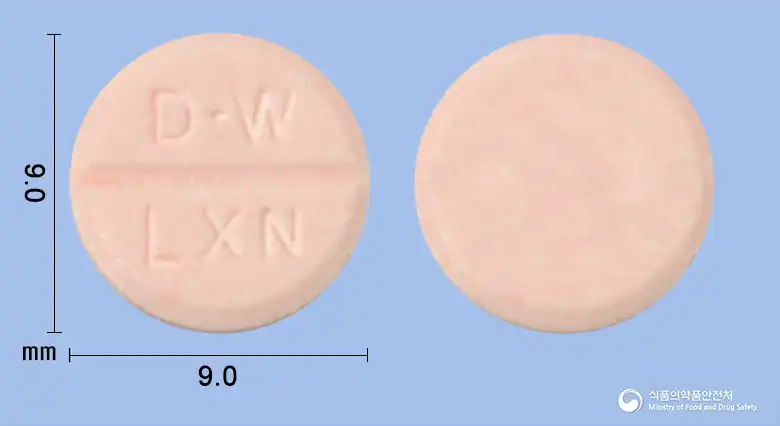
Loxoprofen Sodium Hydrate 68.1mg
Tablet · Prescription medication
Dongwha Pharmaceutical Co., Ltd.
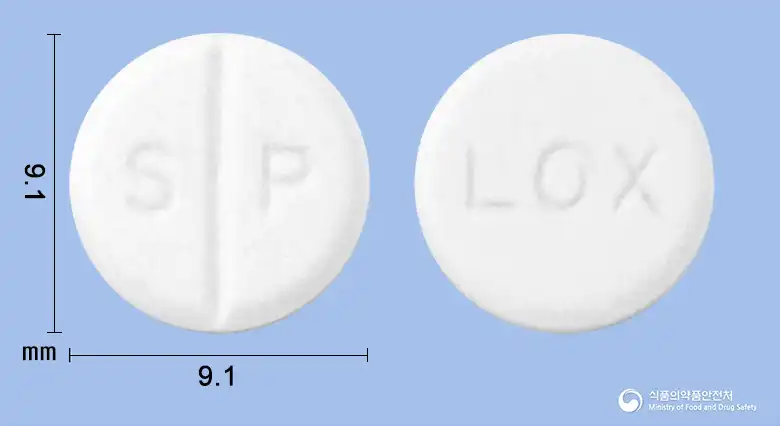
Loxoprofen Sodium Hydrate 68.1mg
Tablet · Prescription medication
Shinpoong Pharmaceutical Co., Ltd.
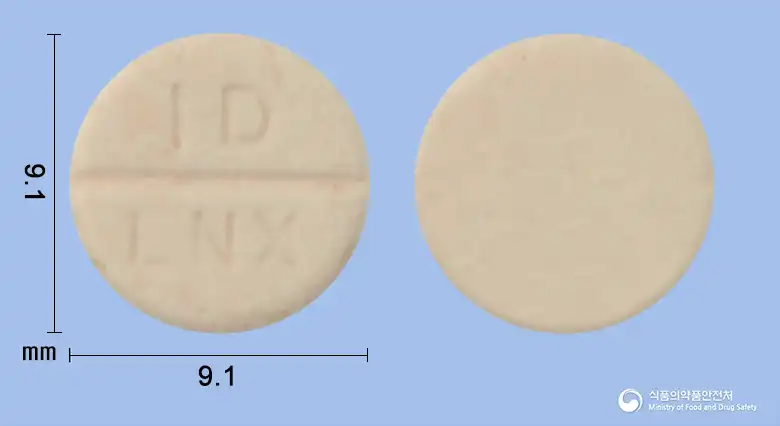
Loxoprofen Sodium Hydrate 68.1mg
Tablet · Prescription medication
Ildong Pharmaceutical Co., Ltd.
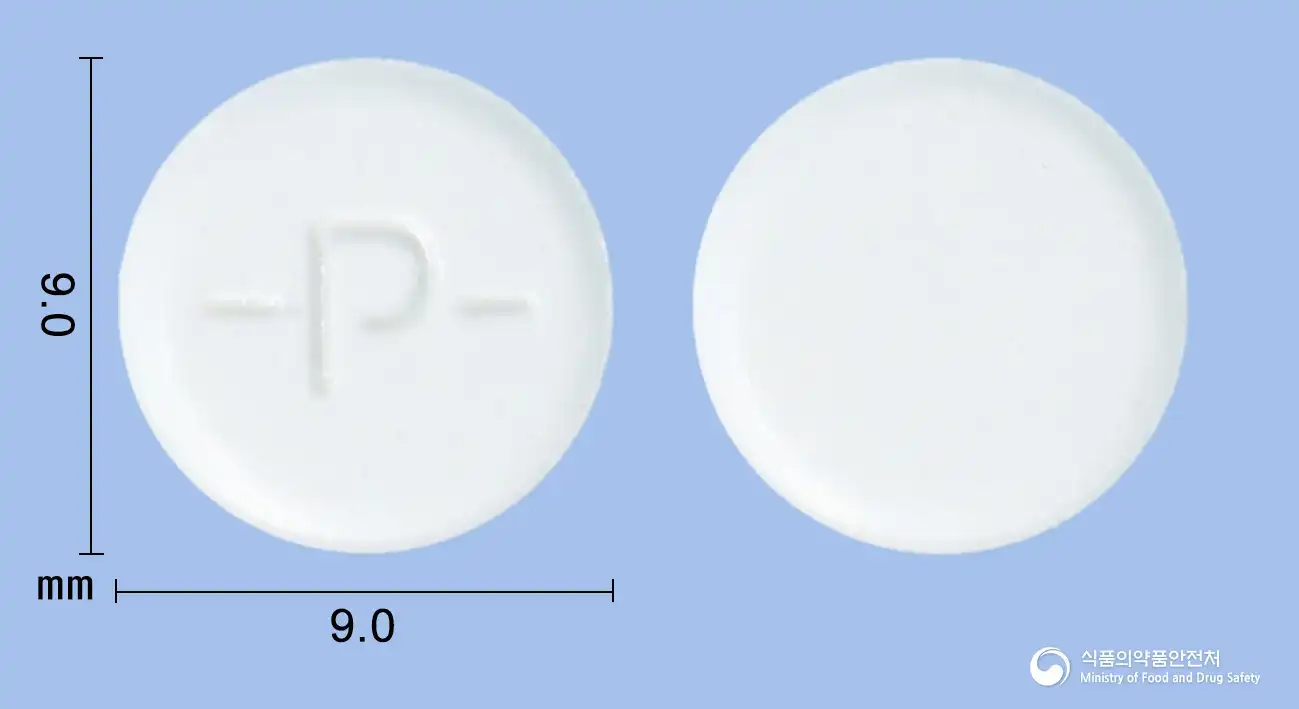
Loxoprofen Sodium Hydrate 68.1mg
Tablet · Prescription medication
Medica Korea Co., Ltd.
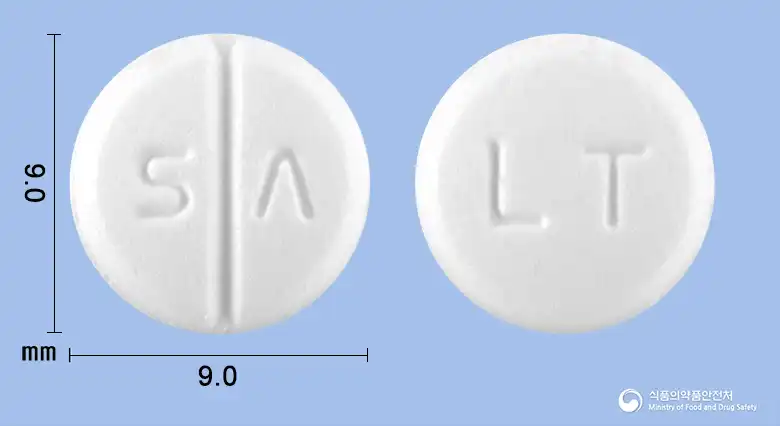
Loxoprofen Sodium Hydrate 68.1mg
Tablet · Prescription medication
Sama Pharmaceutical Co., Ltd.
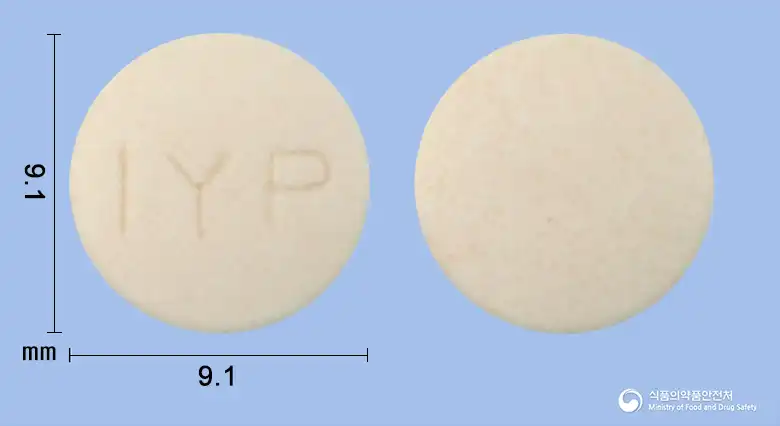
Loxoprofen Sodium 68.1mg
Tablet · Prescription medication
Il Yang Pharmaceutical Co., Ltd.
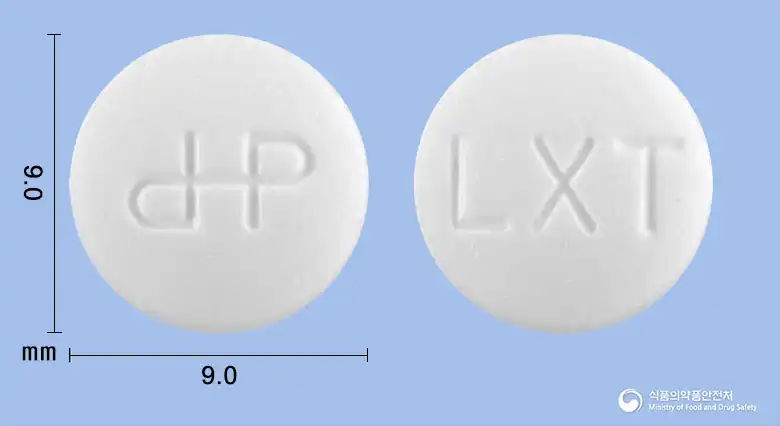
Loxoprofen Sodium Hydrate 68.1mg
Tablet · Prescription medication
Daehwa Pharmaceutical Co., Ltd.
Even with the same ingredient, the dose and directions can differ by strength and dosage form. Talk to a doctor or pharmacist before switching from a medication you are already taking.
No questions yet.
For anything that needs medical judgment, consult a doctor or pharmacist.
This drug information is based on data provided by the Korea Ministry of Food and Drug Safety.
Consult a doctor or pharmacist for accurate dosage, administration, and usage instructions.