
 한국어
 English
 日本語
 中文(简体)
 Viewing now
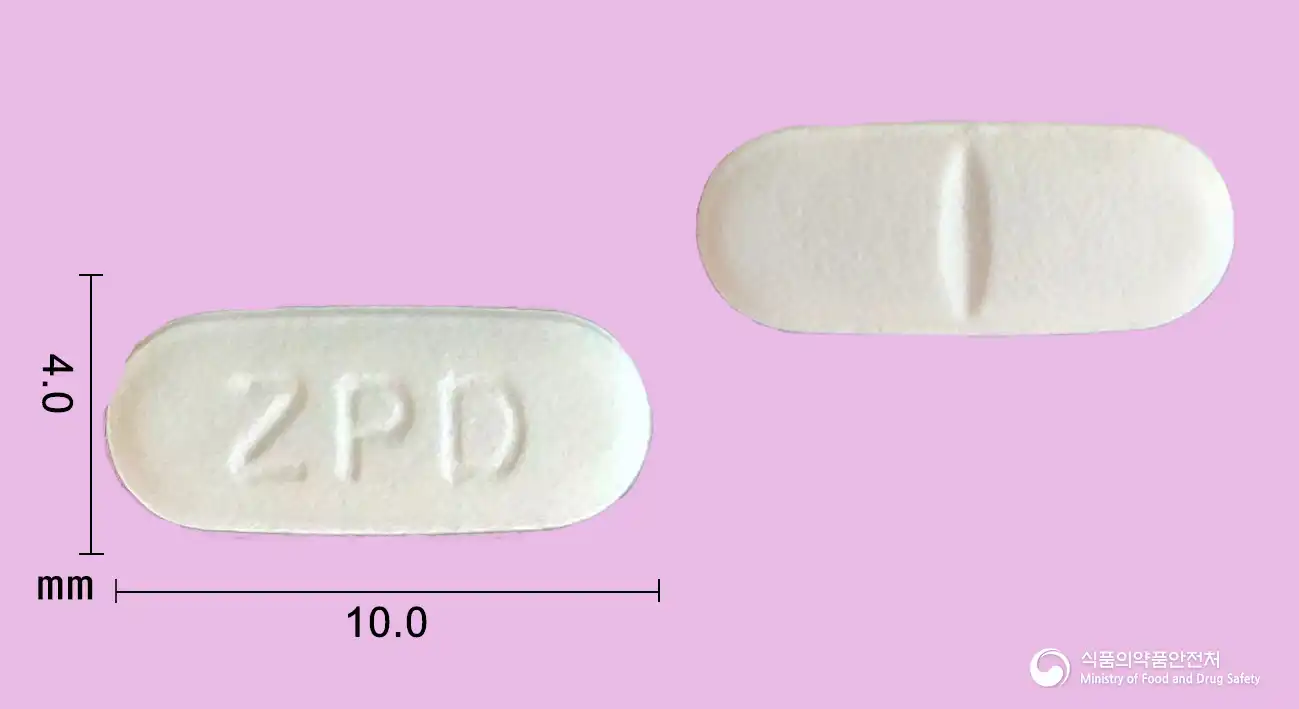
Zolpion Tablets 10 mg (Zolpidem Tartrate)
Zolpidem Tartrate 10mg
Tablet · Prescription medication
Hana Pharmaceutical Co., Ltd.
MFDS item code 202402908 · Approved 2024.12.10 · Insurance code 657808310
Short-term treatment of insomnia in adults
This medication is used for the short-term treatment of insomnia occurring in adults.
Because this medicine has a rapid onset of action, take it orally immediately before bedtime. The recommended daily dose for adults is 10mg. The lowest effective dose should be used, and the recommended dose of 10mg should not be exceeded. Elderly or debilitated patients may be sensitive to the effects of this medicine; therefore, the recommended dose is 5mg, and the daily dose should not exceed 10mg. As impaired liver function may reduce the metabolism and excretion of this medicine, start with a dose of 5mg, exercising special caution as in elderly patients. In adults under 65 years of age, the dose may be increased to 10mg if adherence is good but the clinical response is inadequate. Because this medicine may impair driving or other activities requiring full alertness the next day, take it once immediately before bedtime and allow at least 7-8 hours between taking the medicine and waking up. The duration of treatment generally ranges from a few days to 2 weeks, and up to a maximum of 4 weeks; the dose should be reduced gradually when clinically appropriate. As with other sleeping medicines, long-term use is not recommended. Treatment should be as short as possible and should not exceed 4 weeks. The risk of abuse and dependence increases with the duration of treatment; do not administer beyond the maximum treatment period without reassessing the patient's condition.
Do not administer this medicine to children.
This medication may cause sleepwalking, driving, and other activities while not fully awake when taken for the first time or after resuming use; therefore, extreme caution is necessary. There is a risk of injury from such behaviors which may also cause harm to others. If complex sleep behaviors occur, discontinue use of this medication immediately. Insomnia can signal a physical or mental problem, so the cause must be assessed carefully before using this medication. If insomnia does not improve after taking this medication for about 7 to 10 days, there may be another underlying condition that requires medical attention. It is especially important to use the minimum effective dose in elderly patients, as excessive dosages can increase the risk of side effects. This medication can cause various mental abnormal reactions such as aggression, hallucinations, anxiety, and auditory hallucinations; if such symptoms occur, consult a doctor immediately. Serious psychiatric symptoms like amnesia or suicidal impulses may also arise, so depressed patients must exercise particular caution. This medication has a central nervous system depressant action, so do not drive or operate machinery while in a state of reduced awareness after taking it. Taking it with alcohol or other central nervous system depressants increases the risk of severe effects, so they should never be taken together. Co-administering with opioid analgesics can lead to severe respiratory depression or coma, so it must be done under a doctor's supervision. If severe allergic reactions or angioedema occur, cease use immediately and seek emergency treatment; patients who have experienced such symptoms should not take the medication again. Patients with very poor liver function should not use this medication, and those with impaired liver function should reduce the dosage and be closely monitored. This medication should not be administered to children under 18 or those with certain conditions. Elderly or frail patients have a higher risk of side effects, so dosages should be adjusted and closely monitored. This medication can cause dependence and tolerance, so do not use it for prolonged periods or suddenly stop the dosage; adjust it gradually according to the doctor's advice. Pregnant or planning to become pregnant women must consult a doctor before using this medication, and breastfeeding mothers should also avoid its use. In cases of overdose, severe drowsiness, decreased consciousness, and respiratory depression may occur, necessitating immediate hospital visit for appropriate treatment. This medication should be stored out of reach of children and kept in its original container to maintain its quality.
Not everyone experiences these, and they can vary from person to person.
This medication should be stored in a tightly sealed container to protect it from air or moisture. It is important to maintain the storage temperature between 1 and 30 degrees Celsius at room temperature. This will help preserve the medication's effectiveness and safety for a long time.
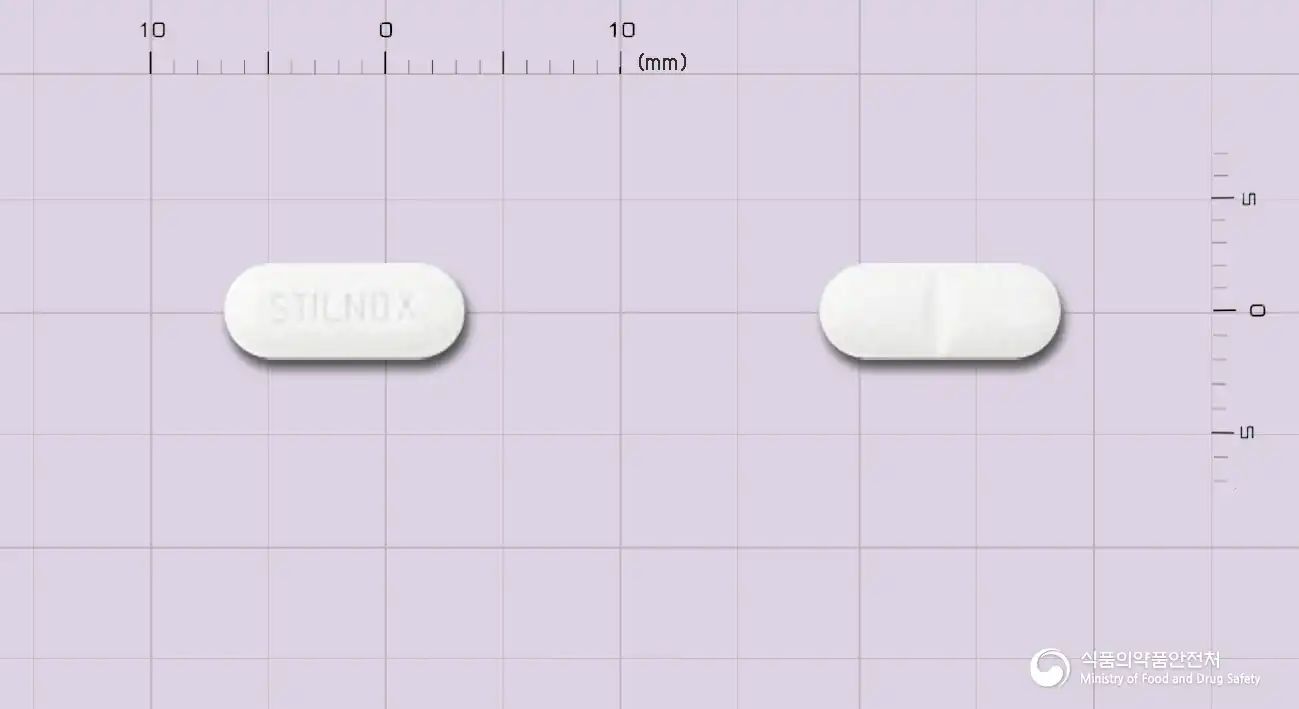
White oblong film-coated tablets
28 tablets/box [14 tablets/PTPX2], 140 tablets/box [14 tablets/PTPX10]
Even with the same ingredient, strength, dosage form and how it is taken can differ.
Viewing nowZolpidem Tartrate 10mg
Tablet · Prescription medication
Hana Pharmaceutical Co., Ltd.

Zolpidem Tartrate 10mg
Tablet · Prescription medication
Hanmi Pharmaceutical Co., Ltd.
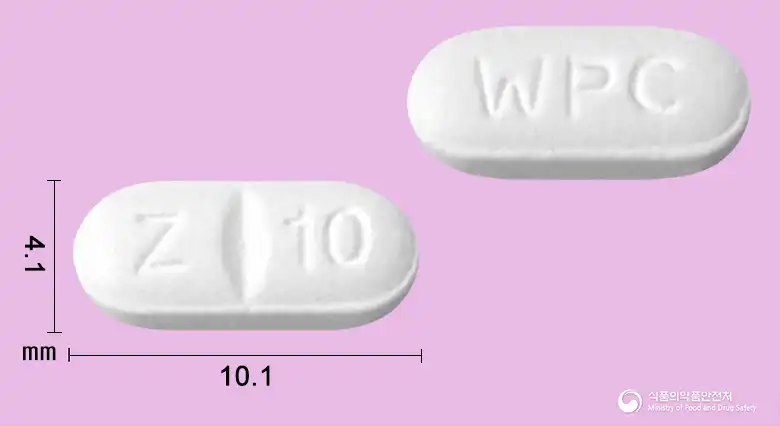
Zolpidem Tartrate 10mg
Tablet · Prescription medication
Han In Pharmaceutical Co., Ltd.
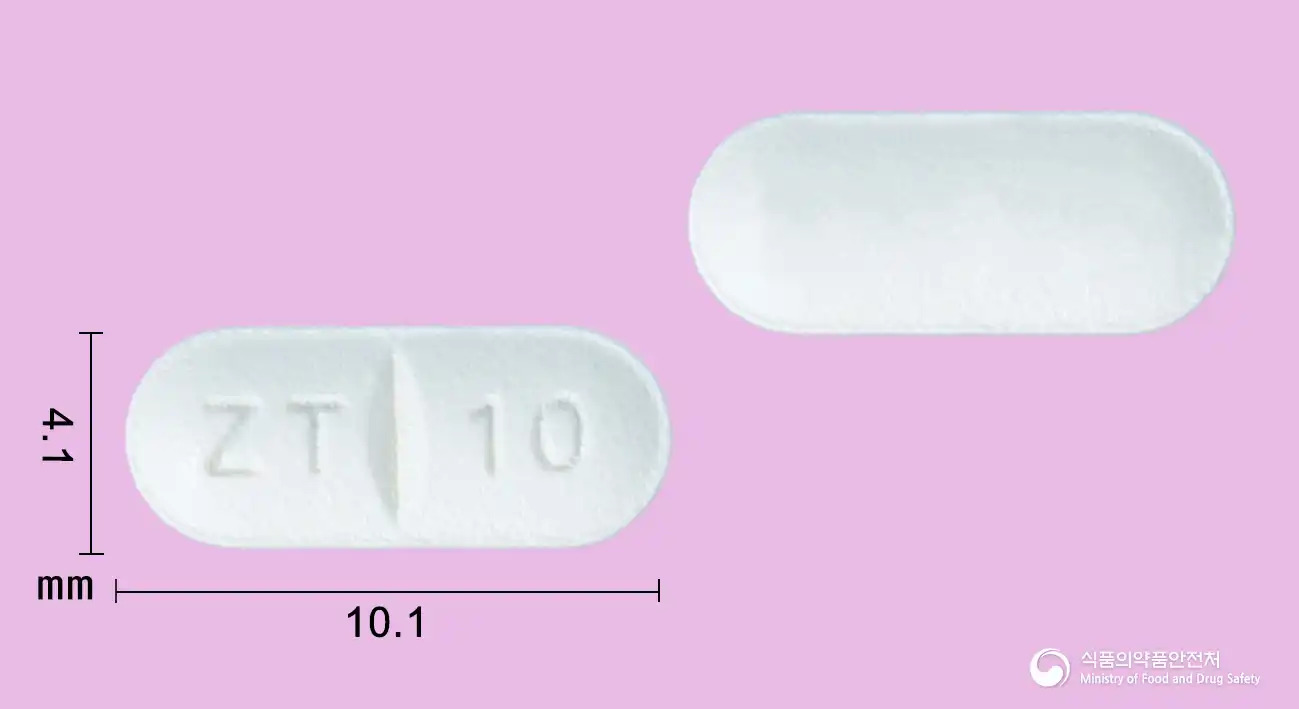
Zolpidem Tartrate 10mg
Tablet · Prescription medication
(Co., Ltd.) Korean Pharma
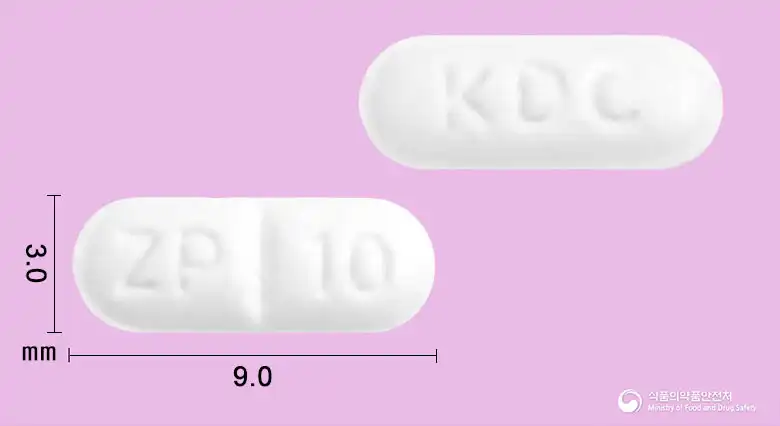
Zolpidem Tartrate 10mg
Tablet · Prescription medication
Korea Pharmaceutical Co., Ltd.
Zolpidem Tartrate 10mg
Tablet · Prescription medication
Handok Co., Ltd.

Zolpidem Tartrate 3.25mg
Tablet · Prescription medication
Handok Co., Ltd.

Zolpidem Tartrate 6.5mg
Tablet · Prescription medication
Handok Co., Ltd.
Even with the same ingredient, the dose and directions can differ by strength and dosage form. Talk to a doctor or pharmacist before switching from a medication you are already taking.
No questions yet.
For anything that needs medical judgment, consult a doctor or pharmacist.
This drug information is based on data provided by the Korea Ministry of Food and Drug Safety.
Consult a doctor or pharmacist for accurate dosage, administration, and usage instructions.