
 한국어
 English
 日本語
 中文(简体)
 Viewing now
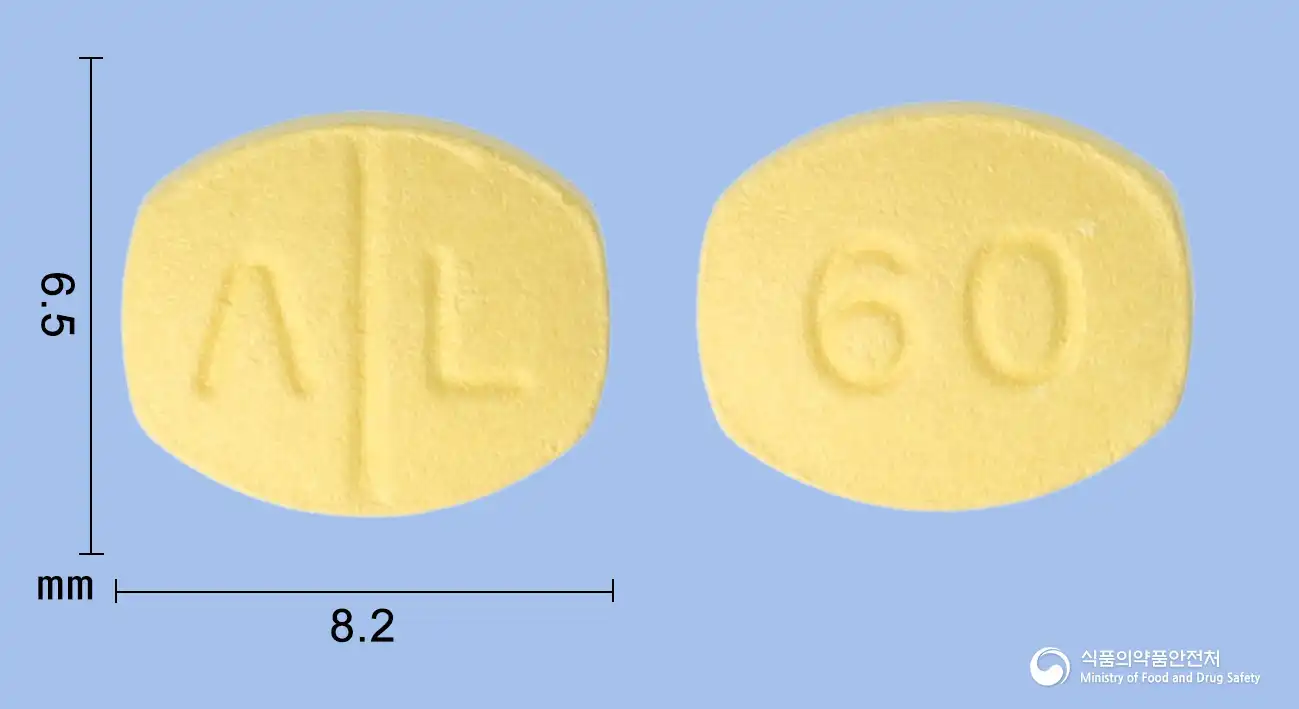
Alkana Tablet 60mg (Pimodnissan Potassium Trihydrate)
Fimasartan Potassium Trihydrate 66.01mg
Tablet · Prescription medication
Aliko Pharmaceutical Co., Ltd.
MFDS item code 202402843 · Approved 2024.12.03 · Insurance code 656005610
Treatment of essential hypertension
This medication is used to treat essential hypertension, which is hypertension of unknown origin.
⦁ Adults The recommended dose is 30 ~ 60 milligrams once daily, with or without food. If blood pressure is not adequately controlled at this dose, it may be increased to 120 milligrams once daily. If possible, take the medicine at the same time each day (e.g., in the morning). The blood pressure-lowering effect appears within 2 weeks after starting treatment and reaches its maximum effect in approximately 8 weeks ~ 12 weeks. ⦁ Older adults No initial dose adjustment is required for older adults 70 years of age or younger. For older adults over 70 years of age, the recommended initial dose is 30 mg once daily. (See section 9, Administration to Older Adults, under Precautions for Use.) ⦁ Patients with renal impairment No dose adjustment is required for patients with mild to moderate renal impairment (creatinine clearance 30 ~ 80 mL/min). For patients with severe renal impairment (creatinine clearance < 30 mL/min), start treatment at 30 milligrams once daily and do not exceed 60 milligrams daily. ⦁ Patients with hepatic impairment No dose adjustment is required for patients with mild hepatic impairment. Do not administer this medicine to patients with moderate to severe hepatic impairment (see section 2, Patients Who Must Not Receive This Medicine, and section 10, Administration to Patients with Hepatic Impairment, under Precautions for Use). ⦁ Patients with reduced effective intravascular volume (e.g., patients taking high doses of diuretics) For patients at increased risk of hypotension, such as those with reduced effective intravascular volume, an initial dose of 30 milligrams once daily is recommended. (See section 3, Patients Who Require Caution When Receiving This Medicine, under Precautions for Use.)
⦁ Pediatric patients The safety and efficacy in pediatric and adolescent patients 18 years of age or younger have not been established.
This medication can cause serious harm or death to the fetus and newborn, especially during the second and third trimesters of pregnancy, so if pregnancy is confirmed, discontinuation should occur immediately. Patients allergic to any components of this medication, those undergoing renal dialysis, patients with moderate to severe liver impairment, biliary obstruction, or specific diabetes patients should not take this medication. Patients with reduced blood volume or salt deficiency, renal impairment, renovascular hypertension, certain heart diseases, and genetic issues such as lactose intolerance, require special caution when using this medication. During the use of this medication, various side effects such as headache, dizziness, dyspepsia, cough, muscle pain, and skin rash may occur; in rare cases, serious kidney problems or cardiovascular issues may also arise, so if symptoms appear, consult a medical professional immediately. Hypotension symptoms may arise, so patients with reduced blood volume or salt deficiency must be closely monitored when initiating or increasing the dosage. This medication may raise blood potassium levels, so patients with heart failure or kidney disease should have regular blood tests. This medication may interact with other antihypertensives, potassium-sparing diuretics, lithium, non-steroidal anti-inflammatory drugs, etc., so it is essential to inform healthcare professionals of any other medications being taken. Using this medication during pregnancy poses serious risks to the fetus, so women who are planning or currently pregnant must consult a physician. Women who are breastfeeding should consider discontinuing breastfeeding or the medication since it may pass into breast milk. Safety and efficacy for pediatric patients under 18 years have not been established, so use should be approached with caution. Elderly patients over 65 may be more sensitive to the medication; adjustments in dosage are generally not needed, but close observation is required. This medication should not be administered to patients with moderate to severe liver impairment, as those with significantly reduced liver function may be particularly at risk. Overdose may lead to hypotension or arrhythmia, so if symptoms occur, appropriate treatment should be administered in a hospital immediately. This medication must be kept out of reach of children and not transferred to other containers to maintain quality.
Headache, dizziness, fainting, sedation, migraine, dyspepsia, vomiting, nausea, epigastric pain, weakness, foreign body sensation, elevated liver enzyme levels, decreased platelet count, increased serum creatine phosphokinase activity, cough, muscle contraction, musculoskeletal rigidity, itching, localized urticaria, facial flushing, flushing, erectile dysfunction, epilepsy, amyotrophic lateral sclerosis, neuropathy, neuronitis, facial paralysis, normal pressure hydrocephalus, spinal stenosis, headache, acute pancreatitis, intestinal obstruction, hemorrhagic duodenal ulcer, appendicitis, hemorrhoids, abdominal pain, intracranial hemorrhage, transient ischemic attack, atherosclerosis, worsening of cerebral infarction, cerebral hemorrhage, liver cancer, colon carcinoma, neoplasm of unspecified nature, cervical cancer, prostate cancer, acute renal failure, chronic renal failure, nephrolithiasis, pyelonephritis, incontinence, rhinitis, pulmonary fibrosis, pharyngitis, pneumonia, pulmonary disease, death, worsening of low back pain, osteoarthritis, arthropathy, hypoglycemia, hyperkalemia, pulmonary embolism, purpura, bradycardia, atrial fibrillation, coronary artery disease, aortic stenosis, heart failure, hypertension, acute hepatitis, benign pituitary neoplasm, otitis media, uterine prolapse, recurrent cancer, chest pain, low back pain, edema, limb pain, peripheral edema, facial edema, fatigue, fever, neck/shoulder pain, fracture, arthralgia, myalgia, pharyngitis, upper respiratory infection, sputum, rhinitis, nosebleeds, bronchitis, sensory abnormality, numbness, tremors, excessive muscle tension, insomnia, depression, anxiety, memory impairment, appetite loss, gastroesophageal reflux, gastritis, diarrhea, constipation, functional gastrointestinal disorder, worsening of chronic renal failure, dysuria, hyperlipidemia, dyslipidemia, frequent urination, incontinence, tachycardia, purpura, fatty liver, allergy, chills, nasal polyps, edema, peripheral edema, pneumonia, hemoptysis, exacerbation of rhinitis, asthma, pulmonary granuloma, abnormal chest X-ray, sputum, bronchitis, hypercholesterolemia, diabetes mellitus, hypertriglyceridemia, thirst, worsening of diabetes mellitus, calcinosis, hyponatremia, gout, eye pain, retinal disease, glaucoma, cataracts, diplopia, floaters, uveitis, visual disturbances, retinal disease, floaters, cystitis, urinary tract infection, elevated BUN, pyelonephritis, otitis media, fungal infection, abscess, bacterial infection, genital herpes, herpes labialis, shingles, panic response, Alzheimer's disease, suicide attempt, restlessness, hyperthyroidism, hypothyroidism, increased TSH, myeloproliferative disease, worsening of anemia, iron deficiency anemia, tinnitus, hearing impairment, hearing loss, pelvic inflammatory disease, vaginitis, uterine prolapse, benign prostatic hyperplasia, scrotal pain, blood pressure fluctuations, localized inflammation, soft tissue inflammation, lymphadenopathy, abrasion of unspecified nature, septal deviation, surgical intervention, postoperative pain, heat intolerance, fall, postoperative pain
Not everyone experiences these, and they can vary from person to person.
This medication is sensitive to light and should be stored in a tightly closed container that shields it from light. It is crucial to maintain a storage temperature between 1 and 30 degrees Celsius.
Yellow oval film-coated tablet with a dividing line on one side
30 tablets/bottle, 300 tablets/bottle
Even with the same ingredient, strength, dosage form and how it is taken can differ.
Viewing nowFimasartan Potassium Trihydrate 66.01mg
Tablet · Prescription medication
Aliko Pharmaceutical Co., Ltd.
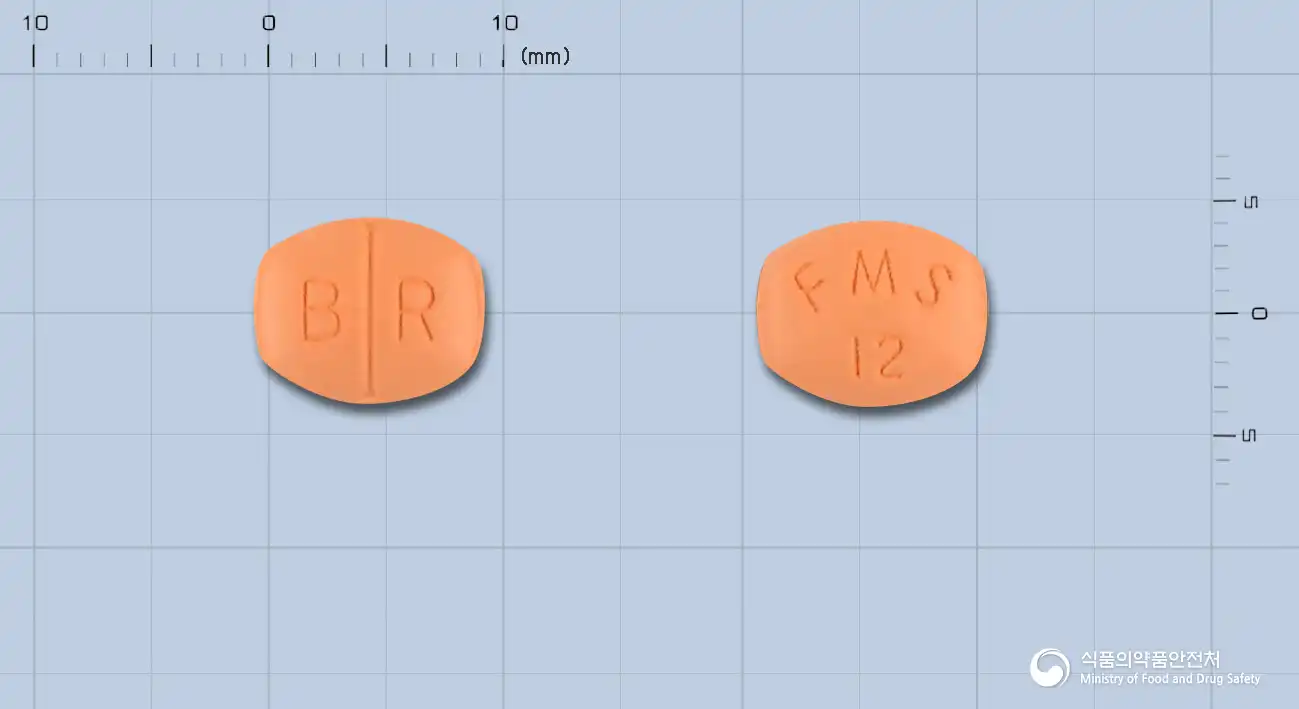
Fimasartan Potassium Trihydrate 132.02mg
Tablet · Prescription medication
Boryung Co., Ltd.
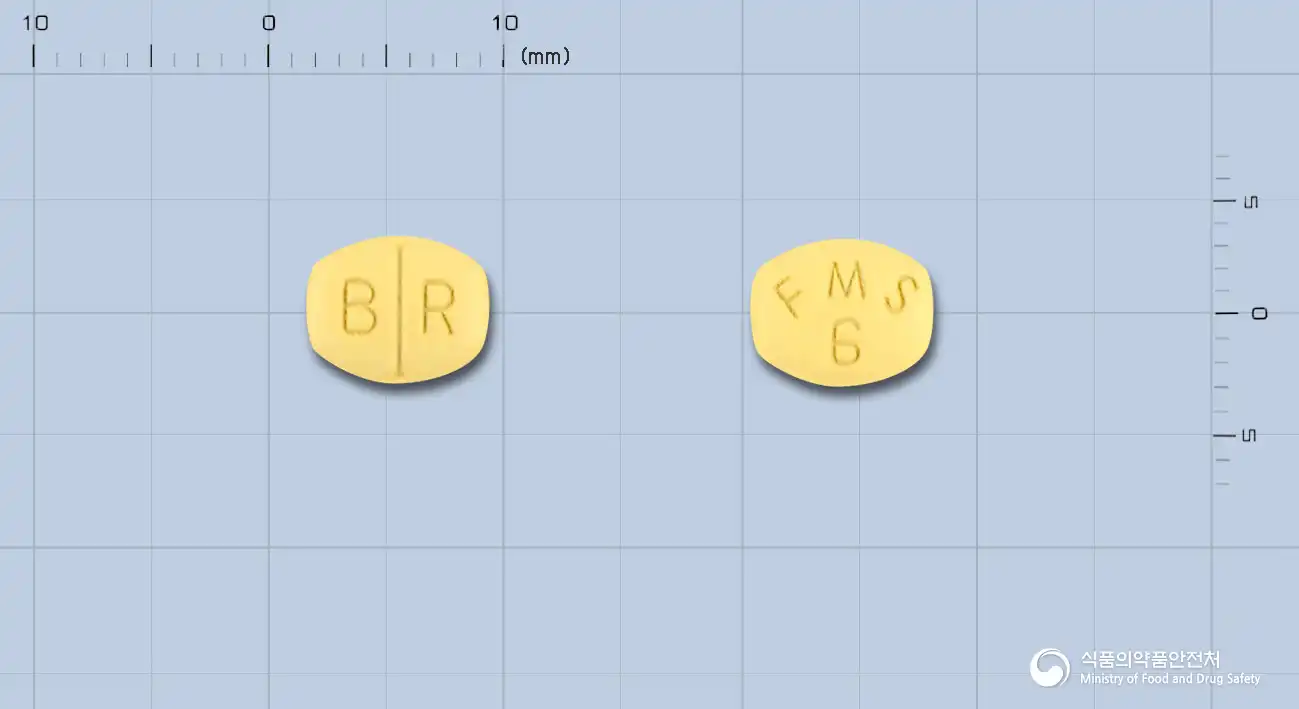
Fimasartan Potassium Trihydrate 66.01mg
Tablet · Prescription medication
Boryung Pharmaceuticals Co., Ltd.
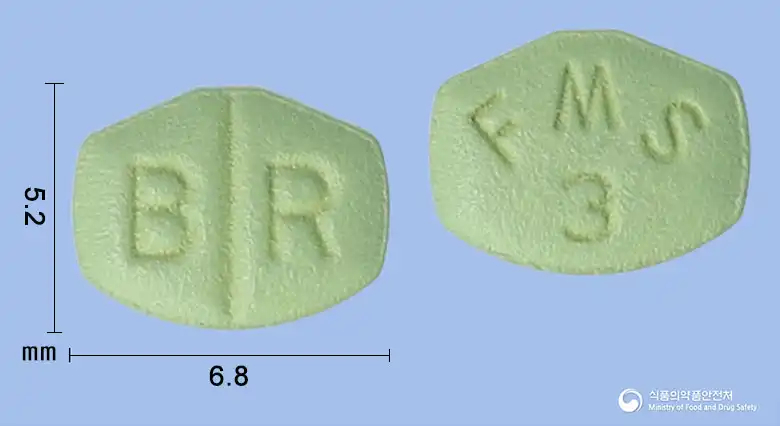
Fimasartan Potassium Trihydrate 33.005mg
Tablet · Prescription medication
Boryung Pharmaceutical Co., Ltd.
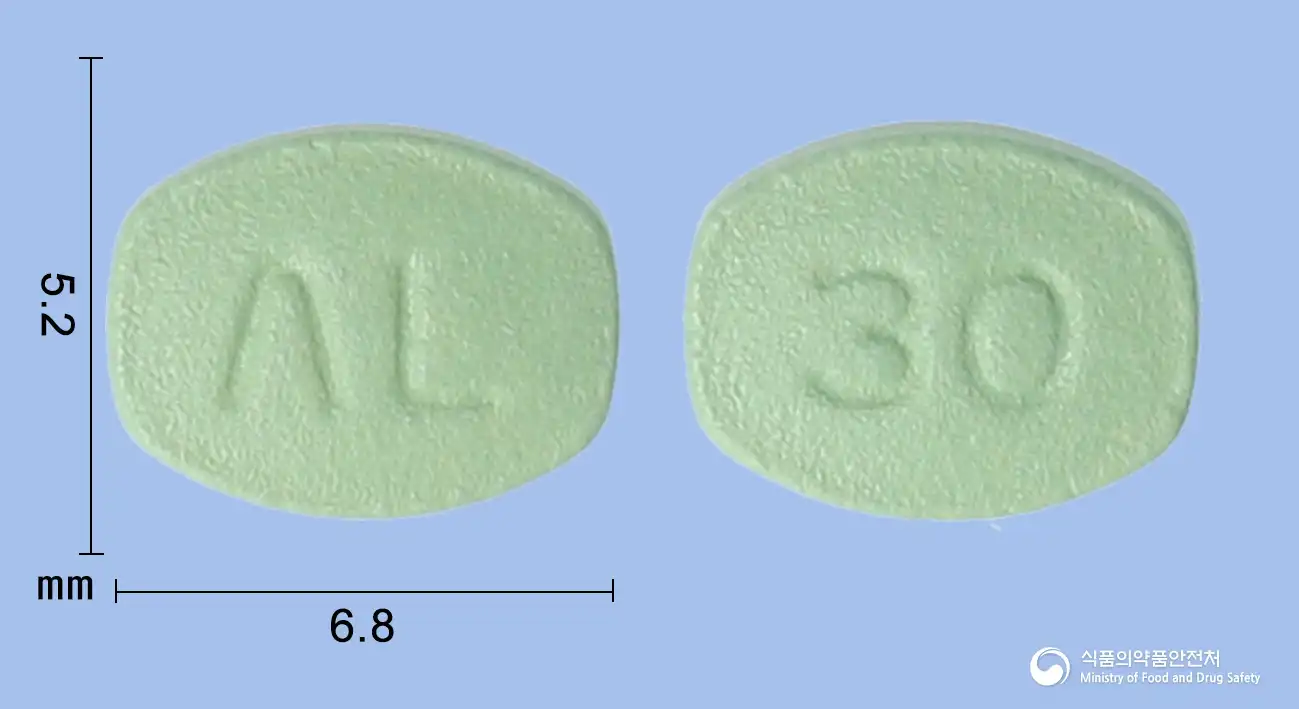
Fimasartan Potassium Trihydrate 33.005mg
Tablet · Prescription medication
Aliko Pharmaceutical Co., Ltd.
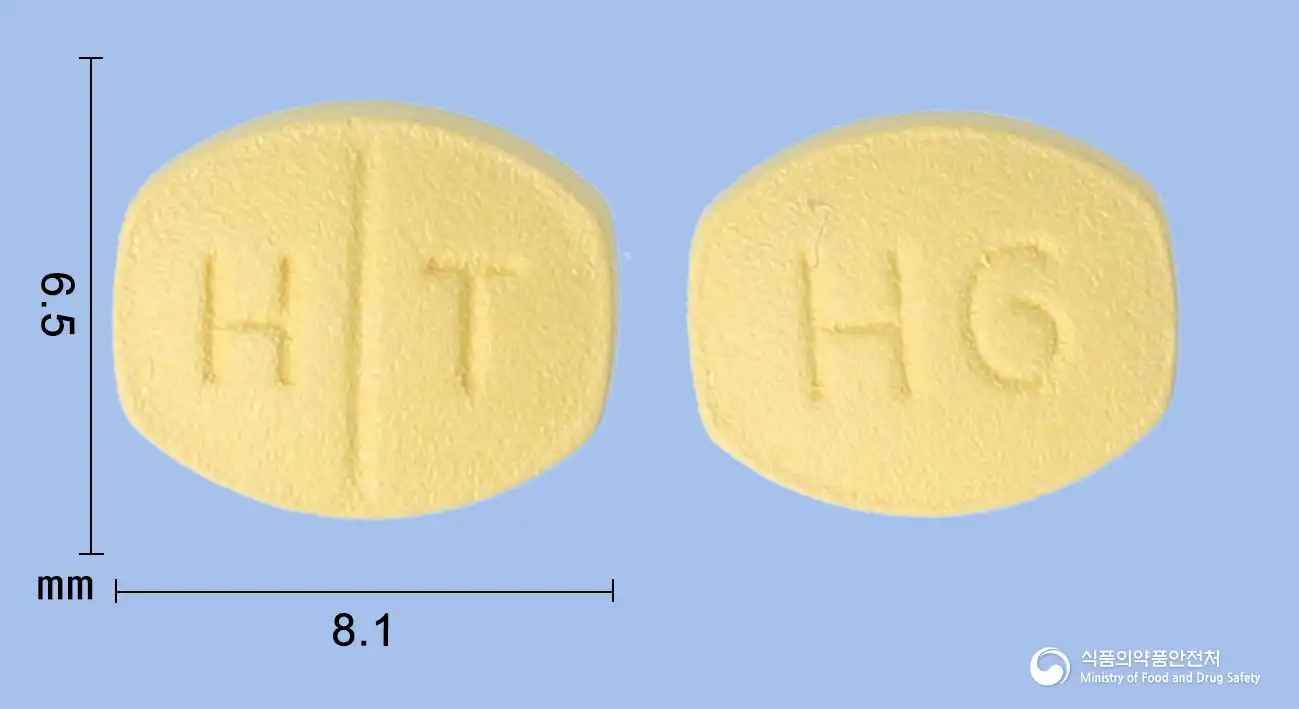
Fimasartan Potassium Trihydrate 66.01mg
Tablet · Prescription medication
Korea Hyutex Pharmaceuticals Co., Ltd.
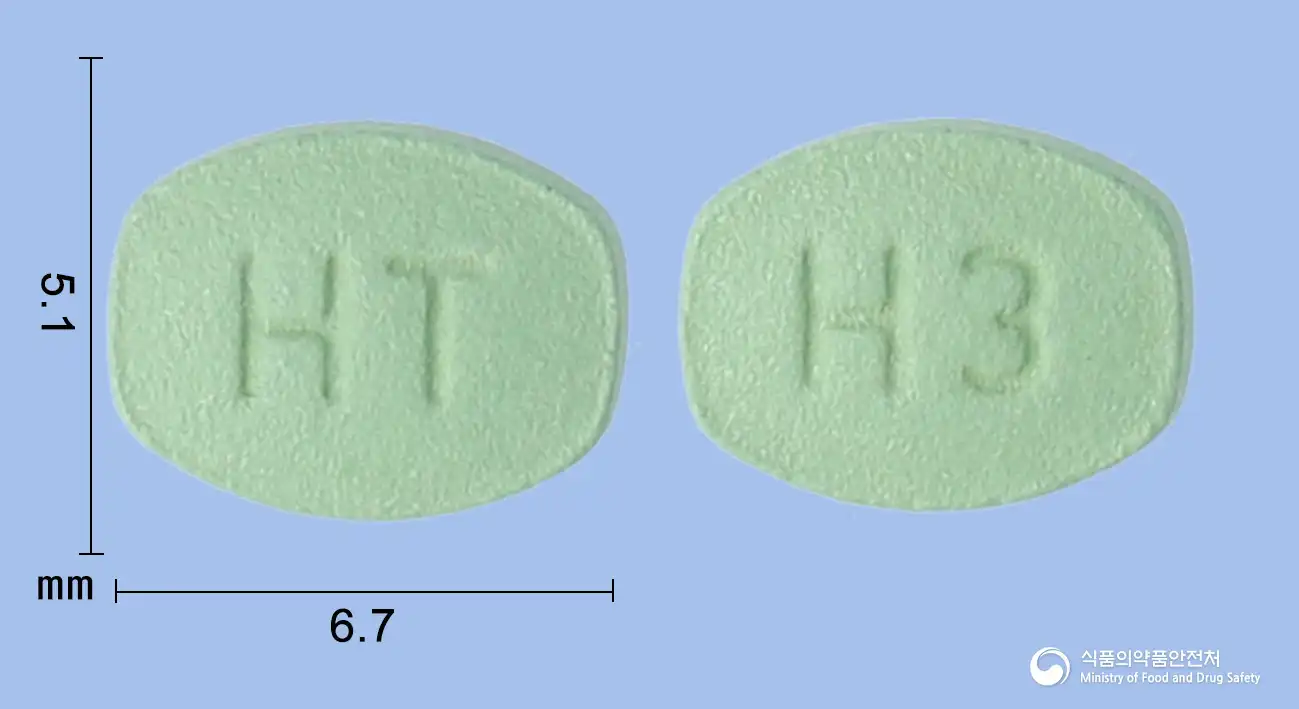
Fimasartan Potassium Trihydrate 33.005mg
Tablet · Prescription medication
HanKook Hytex Pharmaceutical Co., Ltd.
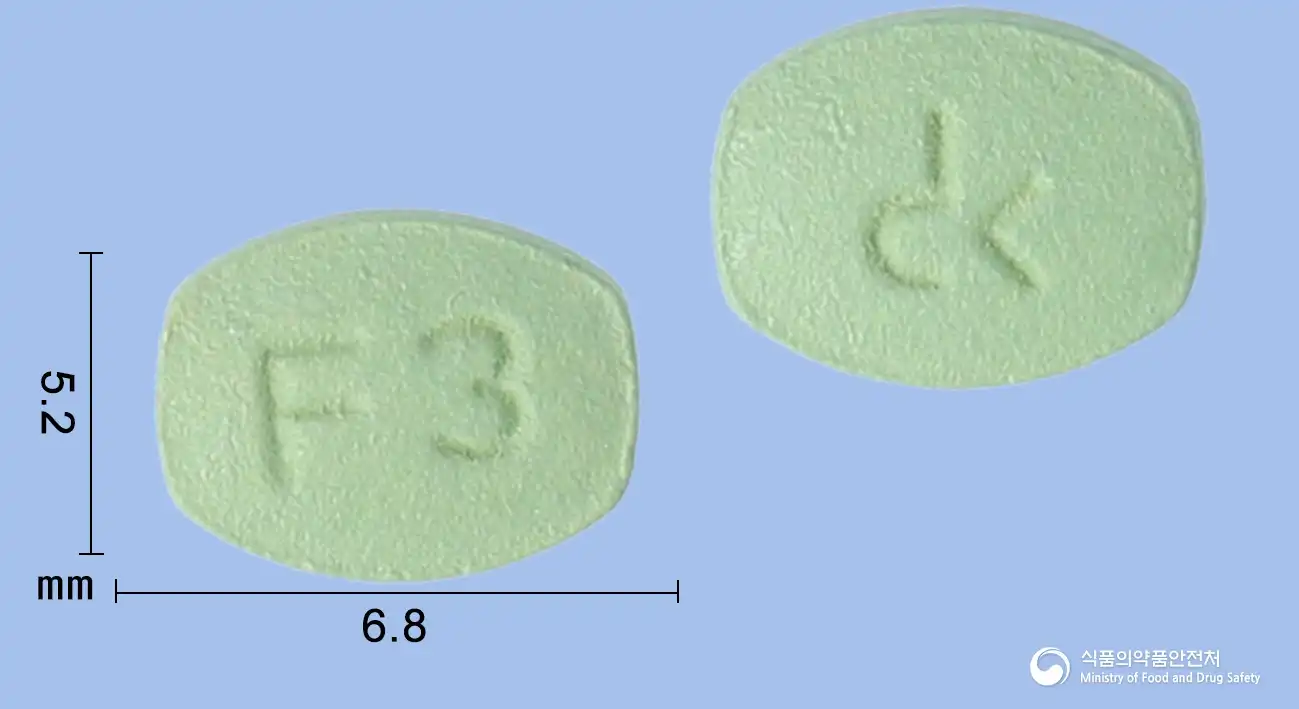
Fimasartan Potassium Trihydrate 33.005mg
Tablet · Prescription medication
Dongkuk Pharm Co., Ltd.
Even with the same ingredient, the dose and directions can differ by strength and dosage form. Talk to a doctor or pharmacist before switching from a medication you are already taking.
No questions yet.
For anything that needs medical judgment, consult a doctor or pharmacist.
This drug information is based on data provided by the Korea Ministry of Food and Drug Safety.
Consult a doctor or pharmacist for accurate dosage, administration, and usage instructions.