
 한국어
 English
 日本語
 中文(简体)
 Viewing nowCombination
Amlojet Tablets 10/20/10 mg (Amlodipine, Rosuvastatin, Ezetimibe)
Ezetimibe 10mg · Rosuvastatin Calcium 20.8mg +1 more
Tablet · Prescription medication · Combination
Celltrion Pharmaceutical Co., Ltd.
MFDS item code 202402806 · Approved 2024.11.27
Treatment of hypertension and dyslipidemia, relief of angina, and reduction of related risks of hospitalization and procedures
This medication is used for patients who need to take Amlodipine and Ezetimibe/Rosuvastatin together. Amlodipine is used to treat hypertension and stable or variant angina due to myocardial ischemia, and it helps reduce the risk of hospitalization due to angina and the risk of coronary angioplasty. Ezetimibe/Rosuvastatin is used to lower total cholesterol, LDL cholesterol, Apo B, triglycerides, and non-HDL cholesterol while increasing HDL cholesterol levels in patients with primary hypercholesterolemia and heterozygous familial or non-familial dyslipidemia, thus improving blood lipid concentrations. Therefore, this medication is effective in improving cardiovascular health and reducing the risk of related diseases.
Take 1 tablet once daily with water, with or without food. If possible, it is recommended to take it at the same time each day (e.g., in the morning). This medicine is for adults only. The dose should be individualized for each patient based on the efficacy and tolerability of amlodipine and the ezetimibe/rosuvastatin combination. Swallow this medicine whole; do not chew, divide, or crush it. Patients taking amlodipine and the ezetimibe/rosuvastatin combination concomitantly may switch to this medicine (a combination product containing the same amount of each active ingredient) for convenience. ○ Amlodipine <Adults> Administer amlodipine 5mg orally once daily; the dose may be increased up to a maximum of 10 mg daily according to the patient's response. Adjust the dose appropriately according to age and symptoms. ○ Ezetimibe/rosuvastatin The ezetimibe/rosuvastatin combination is administered once daily, with or without food. Patients should continue a standard cholesterol-lowering diet before and during treatment with the ezetimibe/rosuvastatin combination. The dose of the ezetimibe/rosuvastatin combination should be adjusted according to the patient's baseline LDL-cholesterol level, recommended treatment goal, and response. Primary hypercholesterolemia The dosage range of the ezetimibe/rosuvastatin combination is 10/5mg∼10/20mg once daily. The recommended initial dose is 10/5mg once daily. The dose may be adjusted for patients who require a greater reduction in LDL-cholesterol. After starting the ezetimibe/rosuvastatin combination or adjusting the dose, check blood lipid levels at intervals of at least 4 weeks and adjust the dose accordingly; the dose may be increased up to a maximum of 10/20mg once daily.
This medication may rarely cause rhabdomyolysis due to the Rosuvastatin component, leading to a risk of acute renal failure. Therefore, patients exhibiting serious myopathy symptoms or those with risk factors such as severe infections, hypotension, major surgery, trauma, endocrine and electrolyte disorders, or uncontrolled seizures should temporarily discontinue or stop using this medication. Patients with allergies to this medication's ingredients or similar medications, pregnant or potentially pregnant women, nursing mothers, patients with severe liver dysfunction, active liver disease, severe aortic stenosis, muscle disorder patients, those taking cyclosporine, and patients with severe kidney impairment should not use this medication. Patients at high risk for myopathy or rhabdomyolysis, such as those with moderate to severe kidney impairment, hypothyroidism, a history of genetic muscle disease, a history of muscle toxicity due to statins or fibrates, alcohol dependence, and patients of Asian descent should use this medication with caution, and muscle-related tests should be conducted as necessary. This medication can affect liver function, thus regular liver function tests should be performed before and during treatment, and if liver damage symptoms appear, use should be immediately discontinued. Symptoms such as muscle pain, muscle cramping, or muscle weakness may occur; if these symptoms develop, consult a physician immediately. This medication should not be used during pregnancy or breastfeeding, and women of childbearing potential should use appropriate contraception. Elderly patients or those with kidney impairment should be monitored closely due to a higher risk of myopathy. This medication may interact with several other medications; therefore, if taking other medications, it is essential to inform the doctor or pharmacist, particularly when used in conjunction with fibrates, cyclosporine, warfarin, certain antibiotics, etc. In case of overdose, symptoms such as low blood pressure or decreased cardiac function may occur; immediate medical attention should be sought.
Acute renal failure due to myoglobinuria, rhabdomyolysis, increased alanine aminotransferase, increased aspartate aminotransferase, chest pain, swelling, generalized edema, headache, upper respiratory infection, back pain, dyspnea, acute myocardial infarction, abdominal pain, insomnia, skin tumors, congestion, flushing, fatigue, edema, palpitations, dizziness, drowsiness, nausea, weakness, lethargy, pain, weight gain, weight loss, hypotension, vasculitis, increased tension, sensory loss, dysesthesia, peripheral neuropathy, syncope, dysgeusia, tremor, extrapyramidal disorder, erectile dysfunction, gynecomastia, changes in bowel habits, dry mouth, dyspepsia, gingival hypertrophy, pancreatitis, vomiting, hyperglycemia, arthralgia, lumbar pain, muscle cramps, myalgia, leukopenia, thrombocytopenia, mood changes, cough, hair loss, hyperhidrosis, purpura, urticaria, toxic epidermal necrolysis, tinnitus, visual disturbances, increased frequency of urination, urinary disorders, nocturia, hepatitis, jaundice, elevated liver enzyme levels, pruritus, rash, angioedema, erythema multiforme, arrhythmia, sinoatrial block, atrioventricular block, abdominal discomfort, precordial pain, diarrhea, loose stools, constipation, erythematous skin lesions, papular rash, heaviness, heat sensation, impaired glucose tolerance, weakness, angioedema, hypersensitivity reactions, diabetes, dizziness, constipation, nausea, pruritus, rash, urticaria, myopathy, myositis, asthenia, polyneuropathy, amnesia, peripheral neuropathy, myasthenia gravis, diarrhea, ocular myasthenia, thrombocytopenia, jaundice, hepatitis, Stevens-Johnson syndrome, eosinophilia, drug reaction with systemic symptoms syndrome, drug-induced lichenoid eruption, lupus-like syndrome, muscle rupture, immune-mediated necrotizing myopathy, hematuria, edema, depression, sleep disorders, interstitial lung disease, sexual dysfunction, gynecomastia, fatal liver failure, non-fatal liver failure, cognitive impairment, memory decline, forgetfulness, amnesia, memory dysfunction, confusion, chest pain, chest discomfort, weakness, generalized edema, diabetic neuropathy, tremor, epigastric pain, vomiting, gastritis, epigastric discomfort, belching, gastrointestinal disorders, gastroesophageal reflux disease, tongue disorders, palpitations, congestive heart failure, myocardial ischemia, phlegm, runny nose, limb pain, urticaria, rash, pruritus, conjunctival injection, renal failure, liver dysfunction, increased serum creatinine, elevated blood pressure, increased blood urea, increased CPK, abnormal liver function tests, non-cardiogenic pulmonary edema, hypotension, reflex tachycardia, shock, ventricular spasm
Not everyone experiences these, and they can vary from person to person.
This medication may be sensitive to air or moisture, so it should be stored in a tightly closed container. Additionally, it is best to store the medicine at room temperature between 1 to 30 degrees Celsius. Storing it this way will help maintain the medication's effectiveness for a longer time.
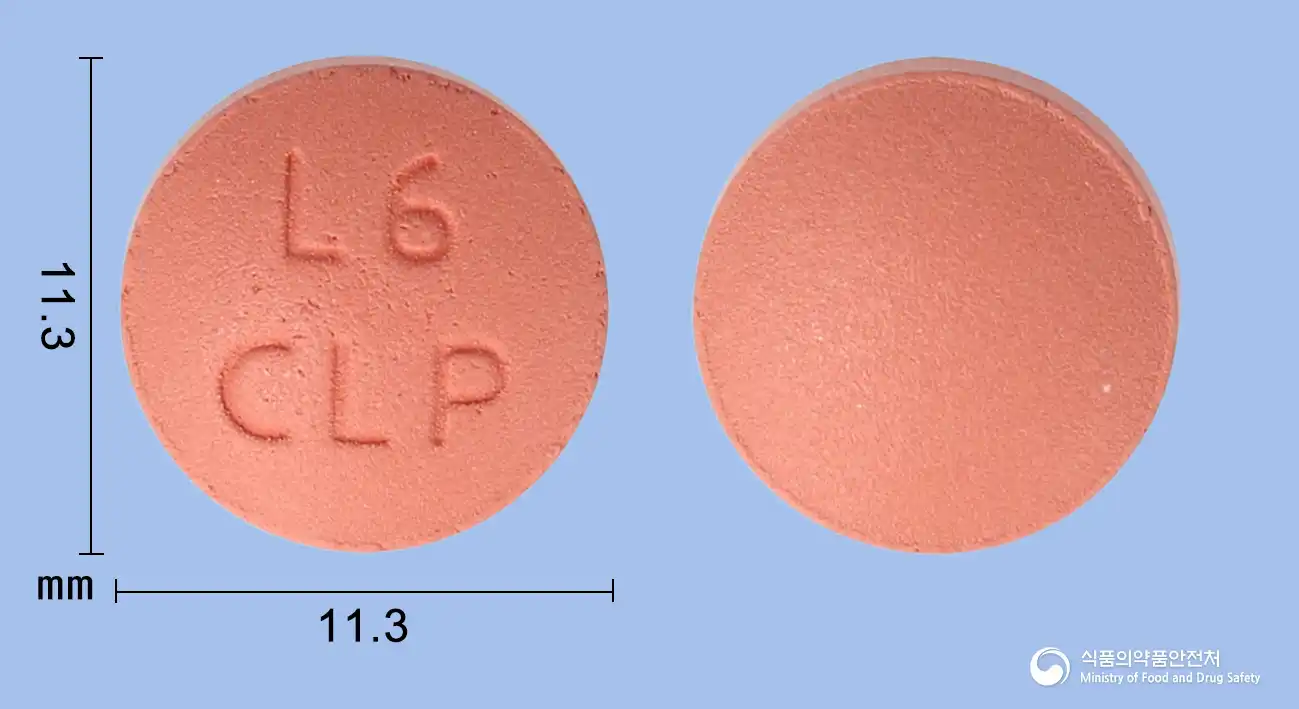
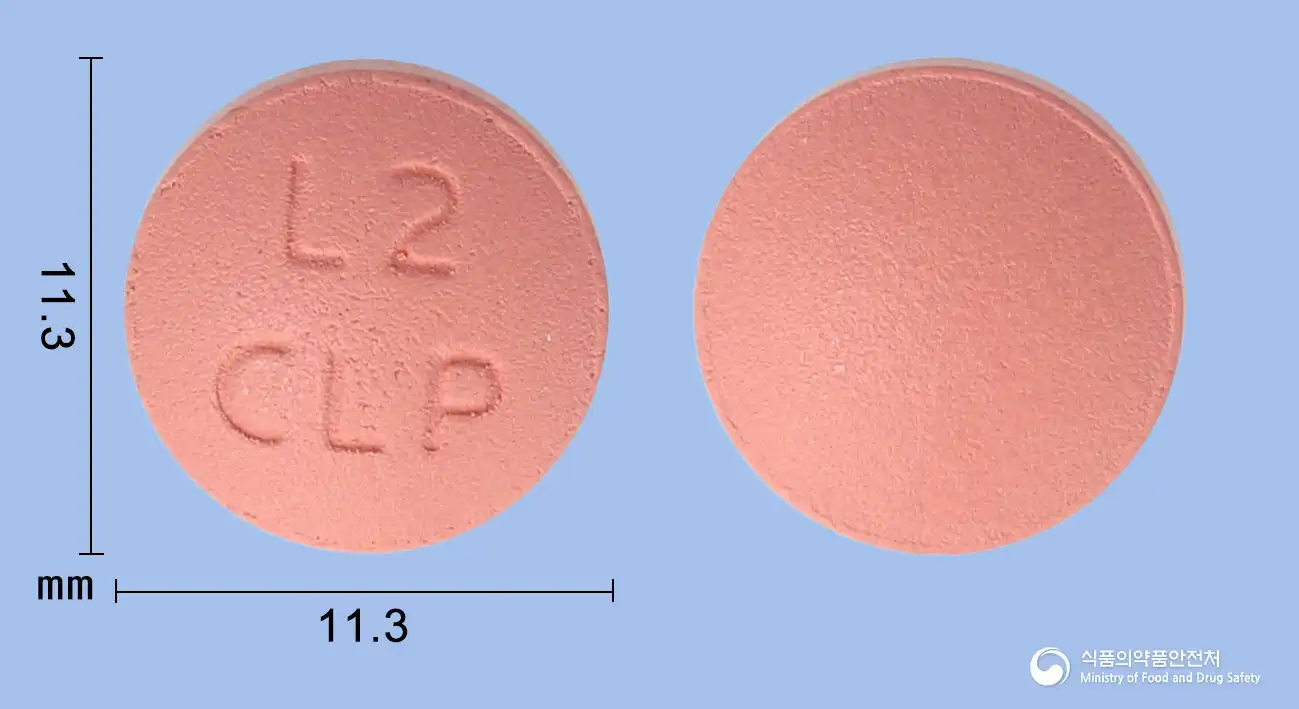
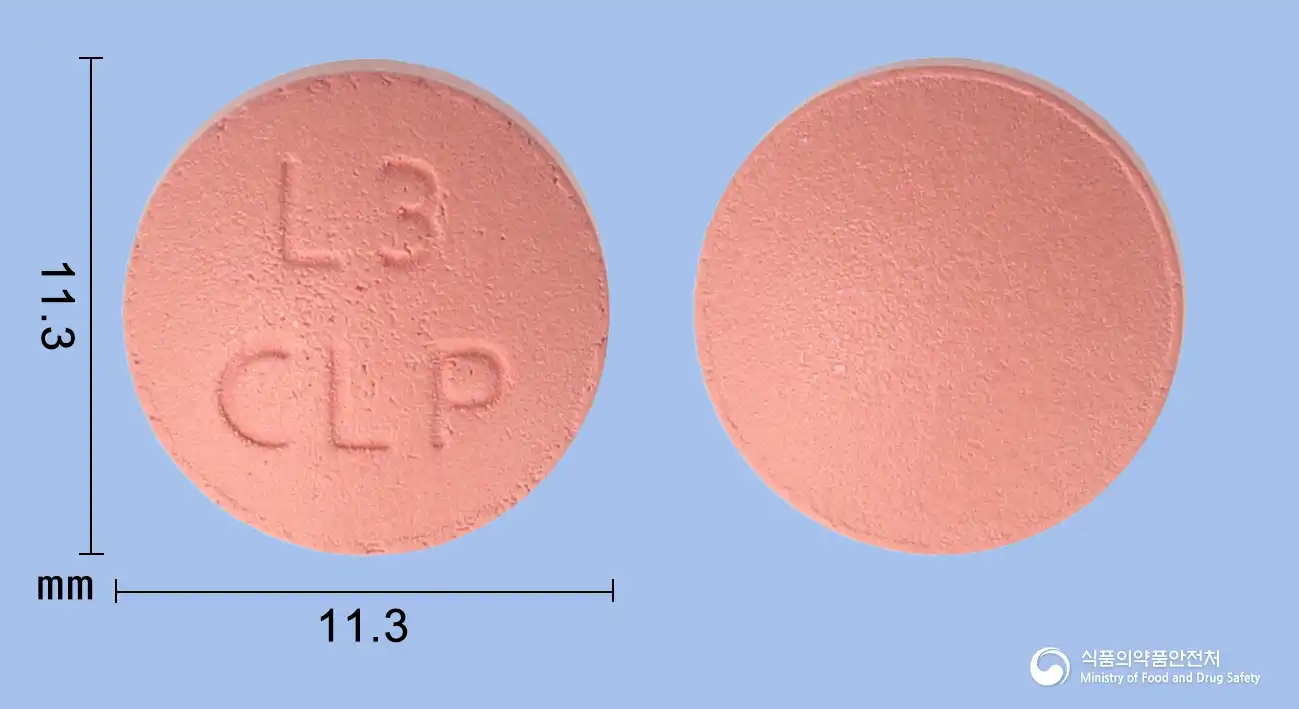
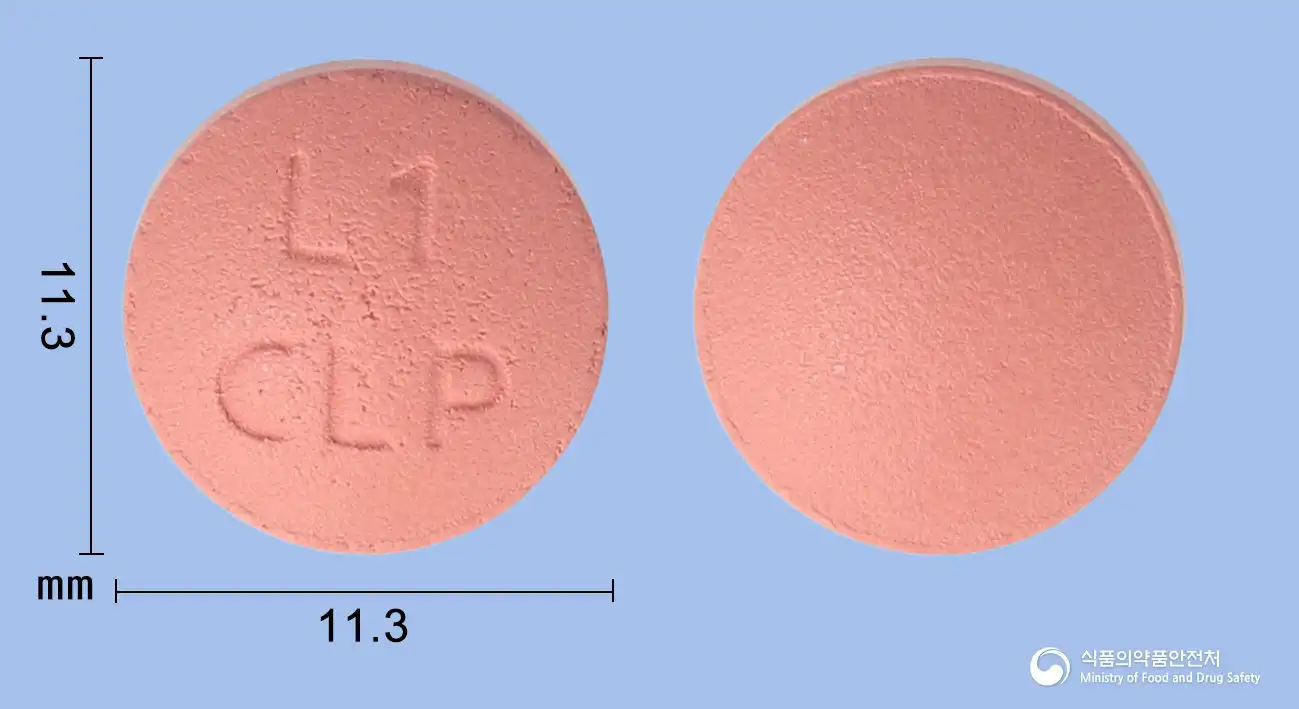
Pink, biconvex, round film-coated tablets
Bottle packaged - 30 tablets/bottle, Bottle packaged - 100 tablets/bottle
Even with the same ingredient, strength, dosage form and how it is taken can differ.
Viewing nowCombinationEzetimibe 10mg · Rosuvastatin Calcium 20.8mg +1 more
Tablet · Prescription medication · Combination
Celltrion Pharmaceutical Co., Ltd.
 Combination
Ezetimibe 10mg · Rosuvastatin Calcium 5.2mg +1 more
Tablet · Prescription medication · Combination
Celltrion Pharmaceutical Co., Ltd.
 Combination
Ezetimibe 10mg · Rosuvastatin Calcium 10.4mg +1 more
Tablet · Prescription medication · Combination
Celltrion Healthcare Co., Ltd.
 Combination
Ezetimibe 10mg · Rosuvastatin Calcium 5.2mg +1 more
Tablet · Prescription medication · Combination
Celltrion Pharmaceutical Co., Ltd.
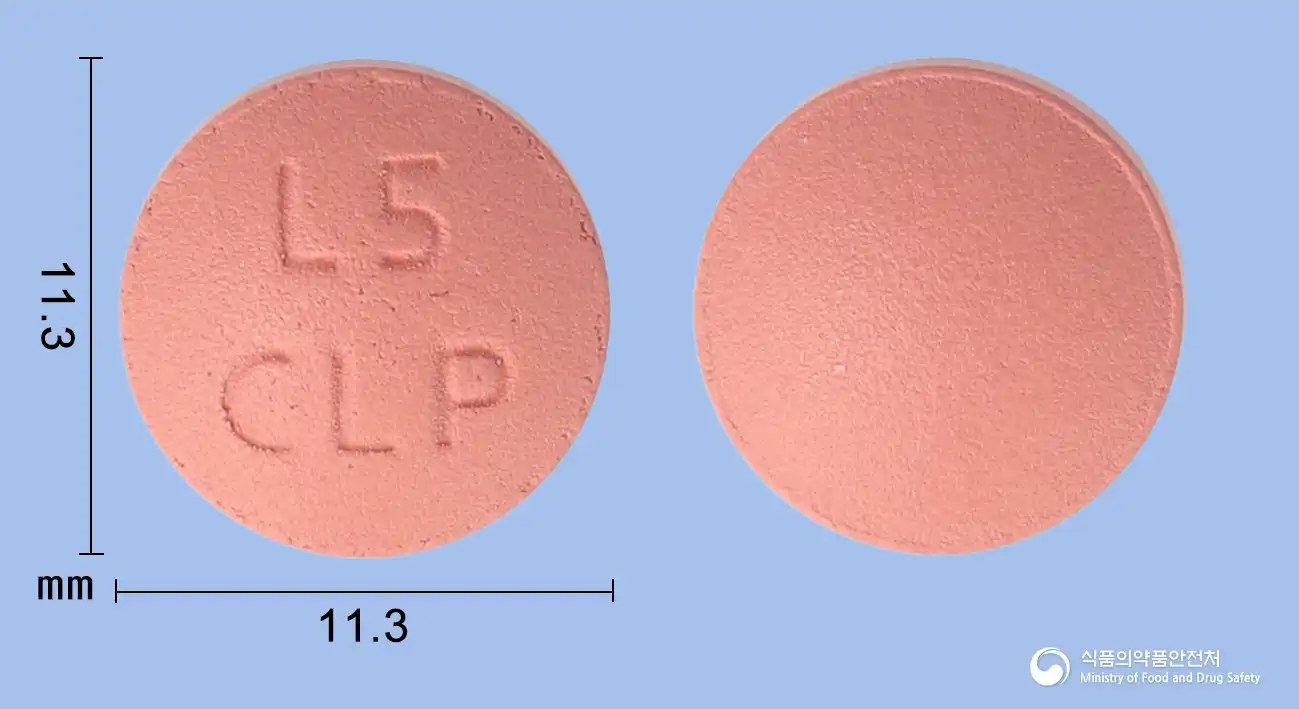 Combination
Ezetimibe 10mg · Rosuvastatin Calcium 20.8mg +1 more
Tablet · Prescription medication · Combination
Celltrion Pharmaceutical Co., Ltd.
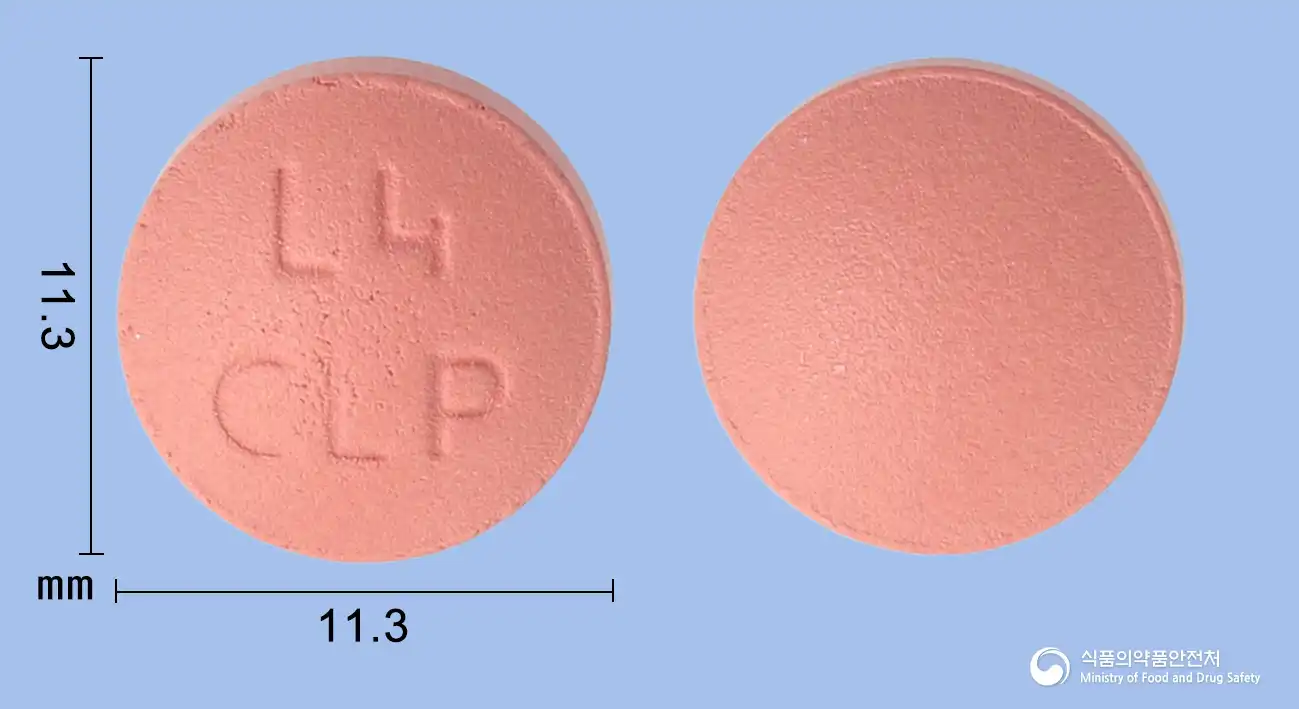 Combination
Ezetimibe 10mg · Rosuvastatin Calcium 10.4mg +1 more
Tablet · Prescription medication · Combination
Celltrion Pharmaceutical Co., Ltd.
Even with the same ingredient, the dose and directions can differ by strength and dosage form. Talk to a doctor or pharmacist before switching from a medication you are already taking.
No questions yet.
For anything that needs medical judgment, consult a doctor or pharmacist.
This drug information is based on data provided by the Korea Ministry of Food and Drug Safety.
Consult a doctor or pharmacist for accurate dosage, administration, and usage instructions.