
 한국어
한국어 English
 日本語
日本語 中文(简体)
 Viewing now
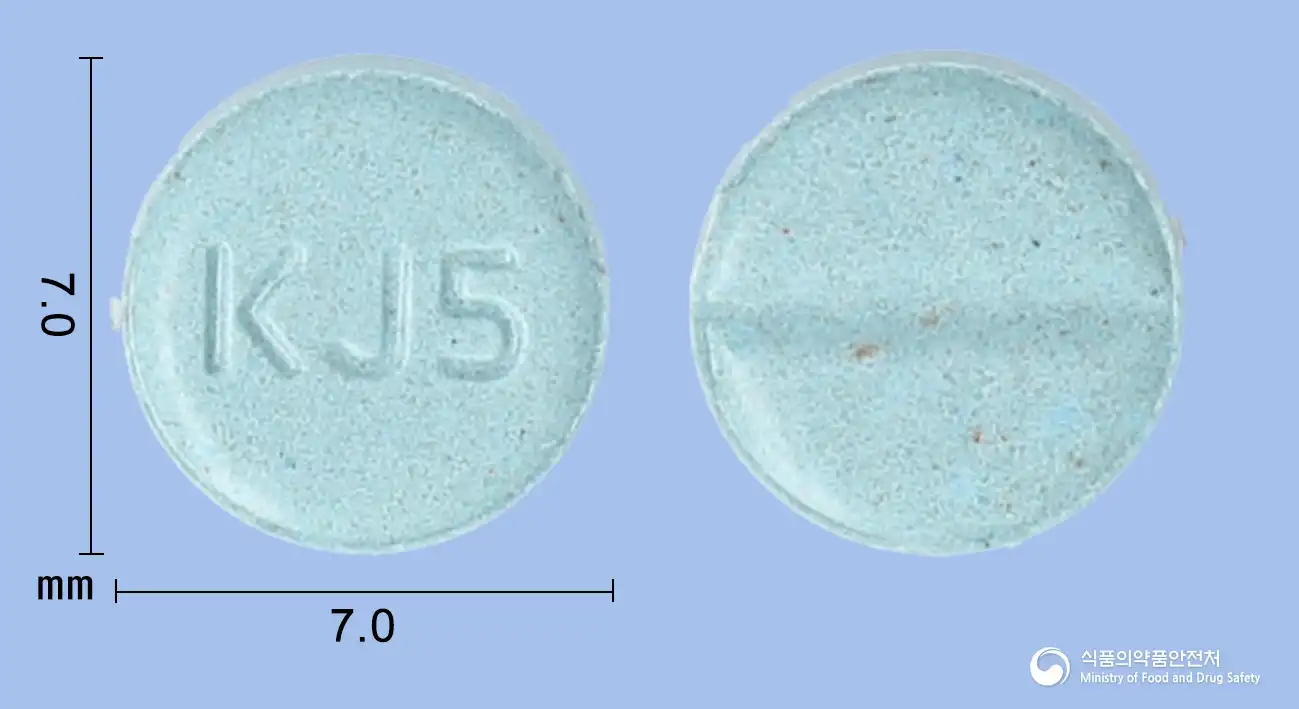
Terazosin 5mg Tablets (Terazosin Hydrochloride Hydrate)
Terazosin Hydrochloride Hydrate 5.935mg
Tablet · Prescription medication
International Pharmaceutical Co., Ltd.
MFDS item code 202402741 · Approved 2024.11.21 · Insurance code 643705570
Improvement of urinary disorders due to benign prostatic hyperplasia and hypertension (mild to moderate)
This medicine is used to treat urinary disorders due to benign prostatic hyperplasia and mild to moderate hypertension.
1. Urinary disorders due to benign prostatic hyperplasia - Initial dose: Administer 1mg orally before bedtime, not to exceed this dosage. - Maintenance dose: Gradually increase until symptoms improve, with an oral dosage of 5-10mg once daily. - When combined with diuretics or other antihypertensives, reduce the dosage accordingly and increase if necessary. 2. Hypertension - Initial dose: Administer 1mg orally before bedtime, not to exceed this dosage.
This medicine is an alpha-blocker and is used to lower blood pressure and alleviate urinary disorders caused by benign prostatic hyperplasia. This medicine should not be used by individuals who have shown allergic reactions to alpha-blockers or this medicine itself. It is also not to be administered to children under 12 years old. This medicine contains lactose hydrate; therefore, patients with genetically determined galactose intolerance or lactose deficiency, and glucose-galactose malabsorption should not take it. Patients with severely impaired liver or kidney function, orthostatic hypotension, heart disease, cerebrovascular abnormalities, gastric ulcers, diabetes, or specific diseases should use this medicine with caution. Caution is also advised for those allergic to yellow No. 5 dye included in this medicine. Dizziness or fainting may occur when taking this medicine, particularly when starting treatment or rapidly increasing the dosage, so care should be taken. This medicine can cause various side effects, such as increased heart rate, edema, headache, drowsiness, indigestion, cough, and polyuria; any unusual symptoms should be discussed with a doctor. When starting this medicine or resuming after stopping, dizziness, drowsiness, palpitations may occur, so caution is recommended and avoiding driving or operating dangerous machines is advisable. This medicine is used to treat benign prostatic hyperplasia, but if symptoms do not improve, other treatment options should be considered. Additionally, since symptoms may resemble prostate cancer, a cancer check must be performed before treatment. Patients scheduled for cataract surgery must inform the ophthalmologist about taking this medicine, as it may lead to iris-related issues during surgery and result in changes to the surgical method. There are few special interactions when using this medicine with other drugs, but if combined with antihypertensive drugs, there may be a stronger blood pressure-lowering effect. Women who are pregnant or may become pregnant should carefully consider the risks and benefits when taking this medicine, and nursing mothers should preferably avoid taking it or stop breastfeeding. This medicine has not been confirmed for safety and efficacy in children, hence it is not used in this age group. Elderly patients should start at a low dose to avoid excessive lowering of blood pressure, which can increase the risk of stroke and should be monitored closely. In cases of overdose, hypotension may occur; the patient should be placed in a supine position and cardiovascular support should be initiated. Dialysis is not effective. This medicine must be kept out of the reach of children, and transferring it to another container is not advisable for quality maintenance and safety.
Fainting, severe allergic reactions (including anaphylaxis), difficulty breathing, orthostatic hypotension
Dizziness, energy deficit, peripheral edema, depression, nervousness, headache, fatigue, weakness, sweating, insomnia, cold sensation, shoulder pain, drowsiness, thirst, numbness, tachycardia, vasodilation, orthostatic dysregulation, palpitations, edema, arrhythmia (premature beats, atrial fibrillation, etc.), chest pain, angina, elevation of AST, ALT, ALP, total bilirubin, indigestion, abdominal distension, diarrhea, abdominal pain, constipation, nausea, vomiting, loss of appetite, runny nose
Not everyone experiences these, and they can vary from person to person.
This medicine must be stored in a tightly sealed container to protect it from air and moisture. It is important to maintain the storage temperature between 1 degree Celsius and 30 degrees Celsius at room temperature.
Light green round tablet
30 tablets/bottle, 500 tablets/bottle
Even with the same ingredient, strength, dosage form and how it is taken can differ.
Viewing nowTerazosin Hydrochloride Hydrate 5.935mg
Tablet · Prescription medication
International Pharmaceutical Co., Ltd.
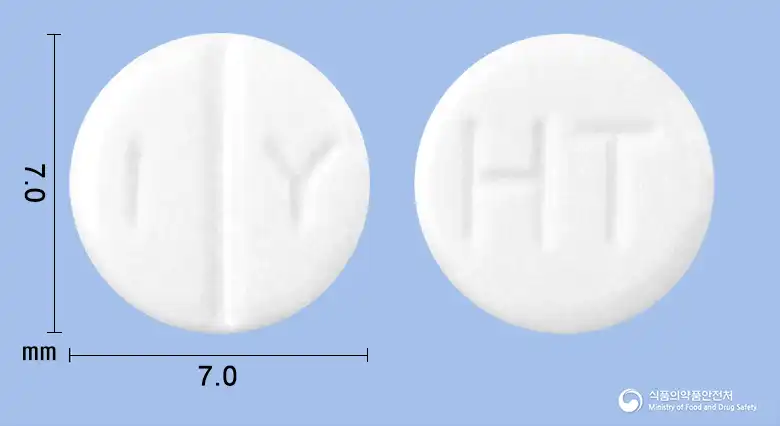
Terazosin Hydrochloride Hydrate 1.187mg
Tablet · Prescription medication
Il Yang Pharmaceutical Co., Ltd.

Terazosin Hydrochloride Hydrate 2.374mg
Tablet · Prescription medication
Il Yang Pharmaceutical Co., Ltd.
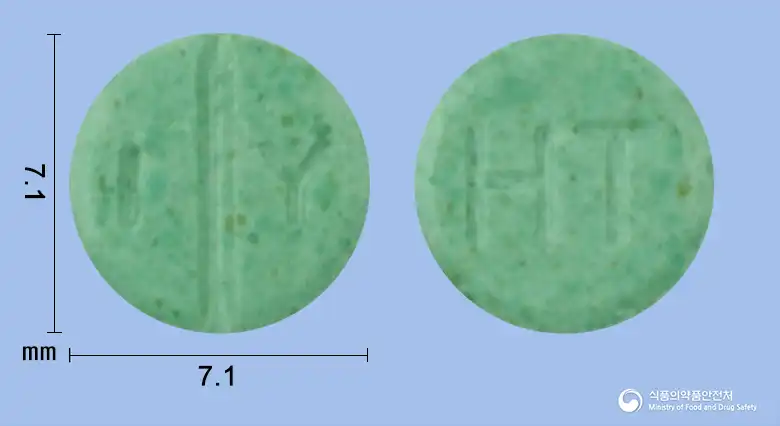
Terazosin Hydrochloride Hydrate 5.935mg
Tablet · Prescription medication
Il Yang Pharmaceutical Co., Ltd.
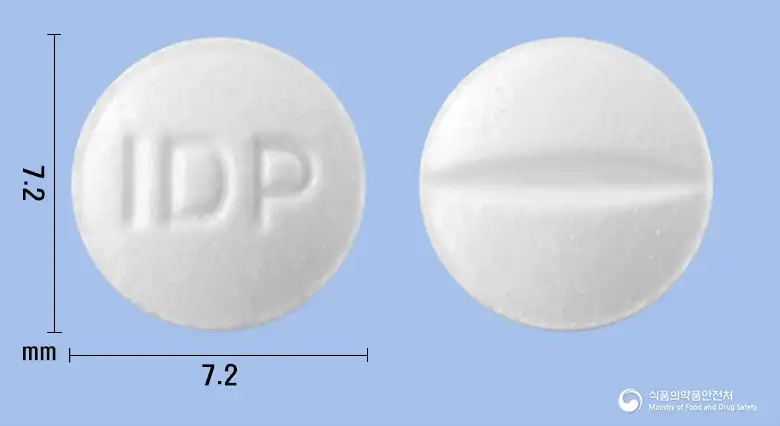
Terazosin Hydrochloride Hydrate 2.374mg
Tablet · Prescription medication
Il Dong Pharmaceutical Co., Ltd.
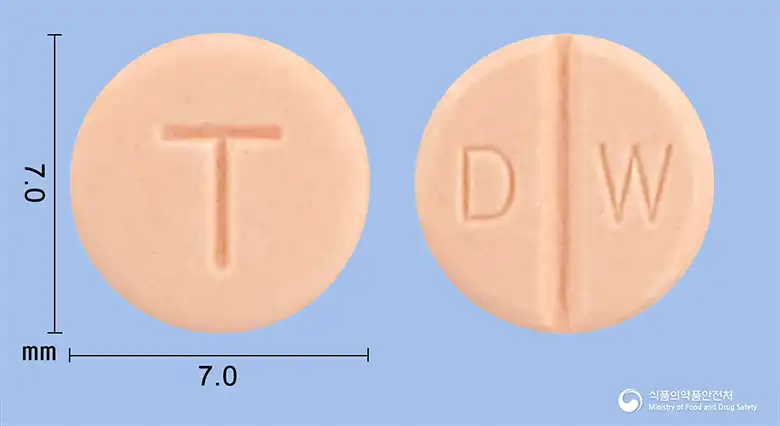
Terazosin Hydrochloride Hydrate 2.374mg
Tablet · Prescription medication
Daewon Pharmaceutical Co., Ltd.
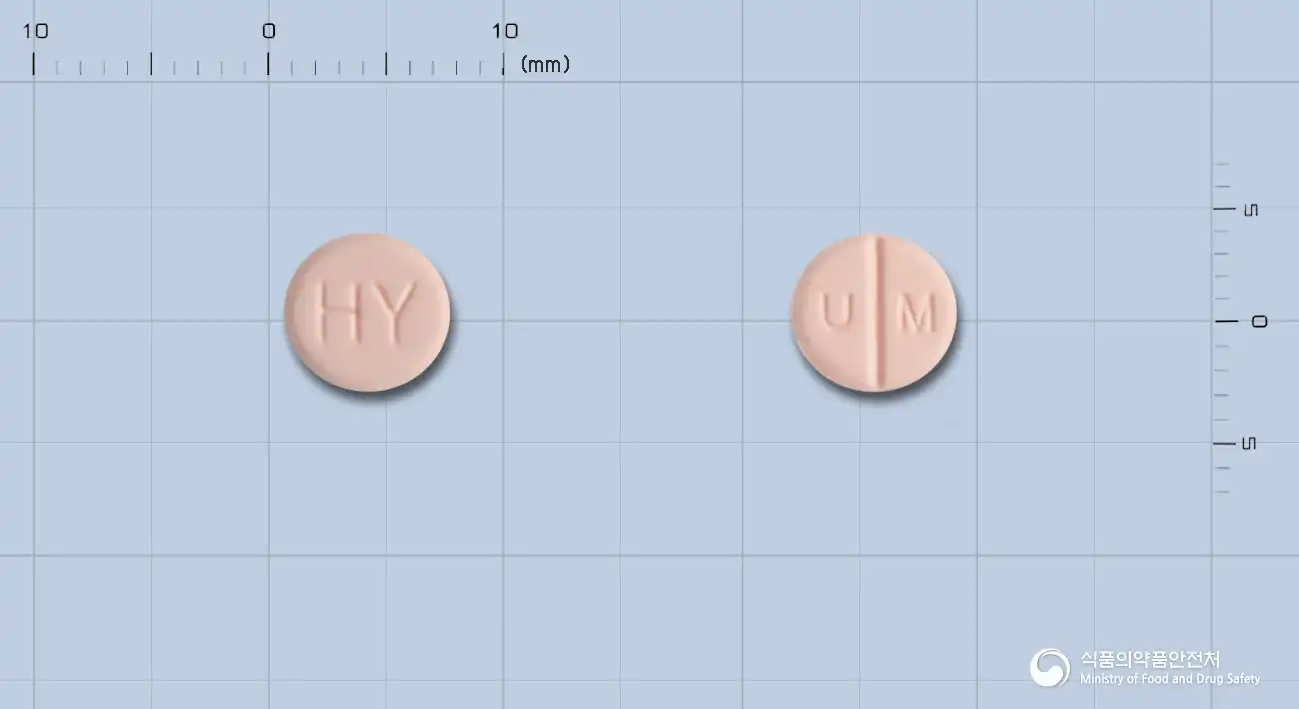
Terazosin Hydrochloride Hydrate 2.374mg
Tablet · Prescription medication
Unimed Pharmaceutical Co., Ltd.
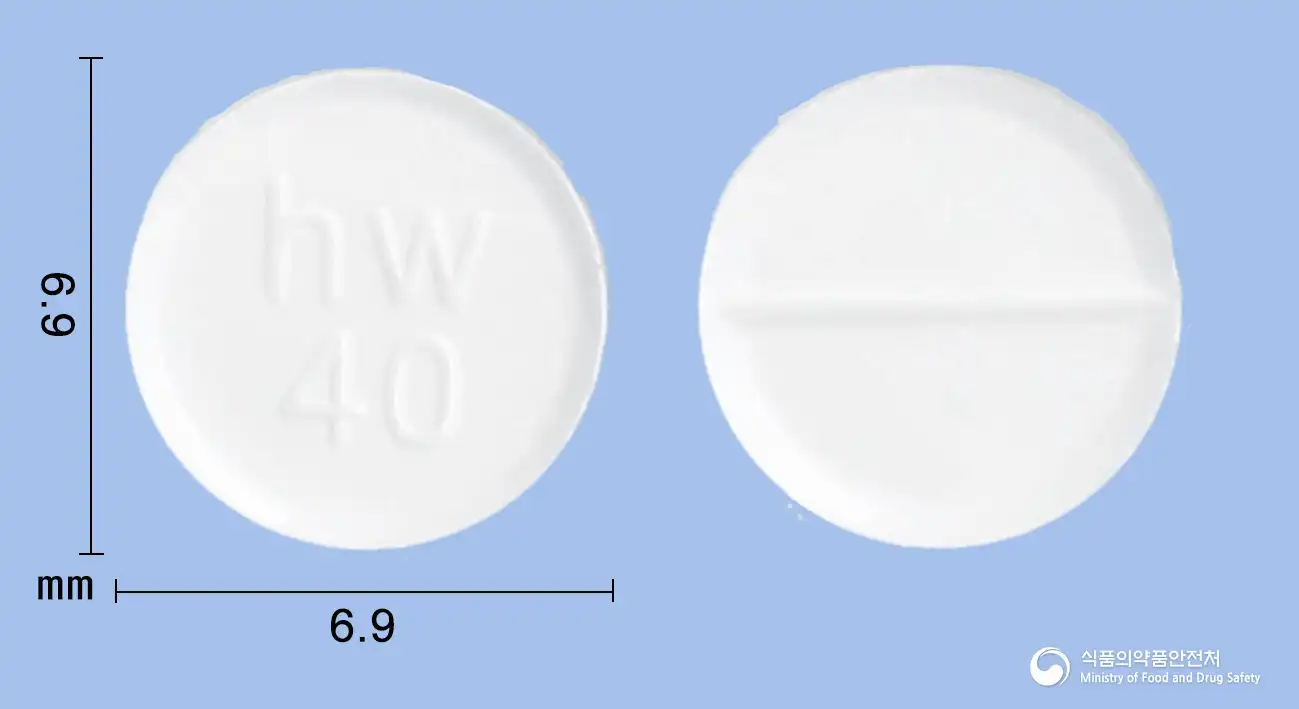
Terazosin Hydrochloride Hydrate 2.374mg
Tablet · Prescription medication
(Hawon Pharmaceutical Co., Ltd.)
Even with the same ingredient, the dose and directions can differ by strength and dosage form. Talk to a doctor or pharmacist before switching from a medication you are already taking.
No questions yet.
For anything that needs medical judgment, consult a doctor or pharmacist.
This drug information is based on data provided by the Korea Ministry of Food and Drug Safety.
Consult a doctor or pharmacist for accurate dosage, administration, and usage instructions.