
 한국어
한국어 English
 日本語
日本語 中文(简体)
Dosage form image
Viewing nowEasy Pain Dexamethasone Soft Gel Capsule (Dexibuprofen)
Dexibuprofen 300mg
Soft capsule · OTC medication
Kyungbang Pharmaceutical Co., Ltd.
MFDS item code 202402740 · Notified 2024.11.21
Relief of inflammation and pain in conditions such as chronic multifocal arthritis and rheumatoid arthritis.
This medication helps alleviate the symptoms of inflammatory joint diseases such as chronic multifocal arthritis and rheumatoid arthritis. It is also used to reduce pain caused by arthrosis and ankylosing spondylitis, as well as to relieve painful swelling and inflammation following trauma or surgery. Additionally, this drug serves a supportive role in treating infections accompanied by inflammation, pain, and fever. In summary, this medication is used to improve various joint diseases associated with inflammation and pain, as well as swelling and painful inflammatory symptoms.
As dexibuprofen, 300 mg should be taken orally 2 to 4 times a day. However, it should not exceed 1,200 mg of dexibuprofen per day.
This medication can increase the risk of gastrointestinal bleeding for individuals who regularly consume more than 3 alcoholic beverages daily, so it is essential to consult a physician or pharmacist. It may affect the cardiovascular system, potentially leading to serious vascular problems such as myocardial infarction or stroke, particularly in individuals with a history of cardiovascular disease or risk factors. This medication may cause serious problems such as bleeding, ulcers, and perforations in the stomach and intestines, so those with a history of gastrointestinal disease or elderly patients should exercise caution. If gastrointestinal symptoms or signs of bleeding occur, immediate consultation with a physician is necessary, and medication might need to be discontinued as required. This medication should not be taken by individuals with gastric ulcers, bleeding, severe liver or kidney disease, heart failure, hypertension, or a history of asthma. Taking it with aspirin or other non-steroidal anti-inflammatory drugs can increase the risk of gastrointestinal bleeding and decrease effectiveness, so it should not be combined. Moreover, interactions may occur when this medication is used alongside specific drugs, so it’s important to consult a physician or pharmacist about any current medications being taken. Dizziness or fatigue may occur while driving or operating machinery during treatment, so caution is advised, and breastfeeding should be discontinued if it affects the baby. It is advisable to avoid using this medication, especially after the 6th month of pregnancy, as it may affect the fetus. If severe allergic reactions, skin rashes, difficulty breathing, severe headache, reduced urination, or other unusual symptoms occur, medication should be stopped immediately, and a physician consulted. This medication should be taken at the lowest effective dose for the shortest duration necessary. Long-term use requires regular blood tests and monitoring of liver and kidney functions. Although this medication helps alleviate symptoms, it does not treat the underlying cause. Persistent or worsening symptoms should be discussed with healthcare professionals. In case of overdose, even without specific symptoms, it is imperative to visit a medical institution for appropriate treatment. Store in a cool, dry place out of reach of children and avoid direct sunlight.
Hives, severe swelling (edema), chest tightness, difficulty breathing, cold sweat, pallor, gastrointestinal bleeding, myocardial infarction, stroke, bleeding in the stomach or intestines, ulcers, perforations, kidney failure, acute pulmonary edema, elevated blood pressure, thrombocytopenia, anaphylactic shock, erythema multiforme, systemic lupus erythematosus, angioedema, Stevens-Johnson syndrome, toxic epidermal necrolysis (Lyell syndrome), drug rash (DRESS syndrome)
Not everyone experiences these, and they can vary from person to person.
This medication should be stored in a tightly sealed container to prevent air and moisture intrusion. It is best kept at room temperature between 1°C and 30°C.
Transparent blue oval soft gel capsule containing a colorless to light blue transparent solution.
12 capsules/box [(12 capsules/PTP X 1ea)]
Even with the same ingredient, strength, dosage form and how it is taken can differ.
Dexibuprofen 300mg
Soft capsule · OTC medication
Kyungbang Pharmaceutical Co., Ltd.
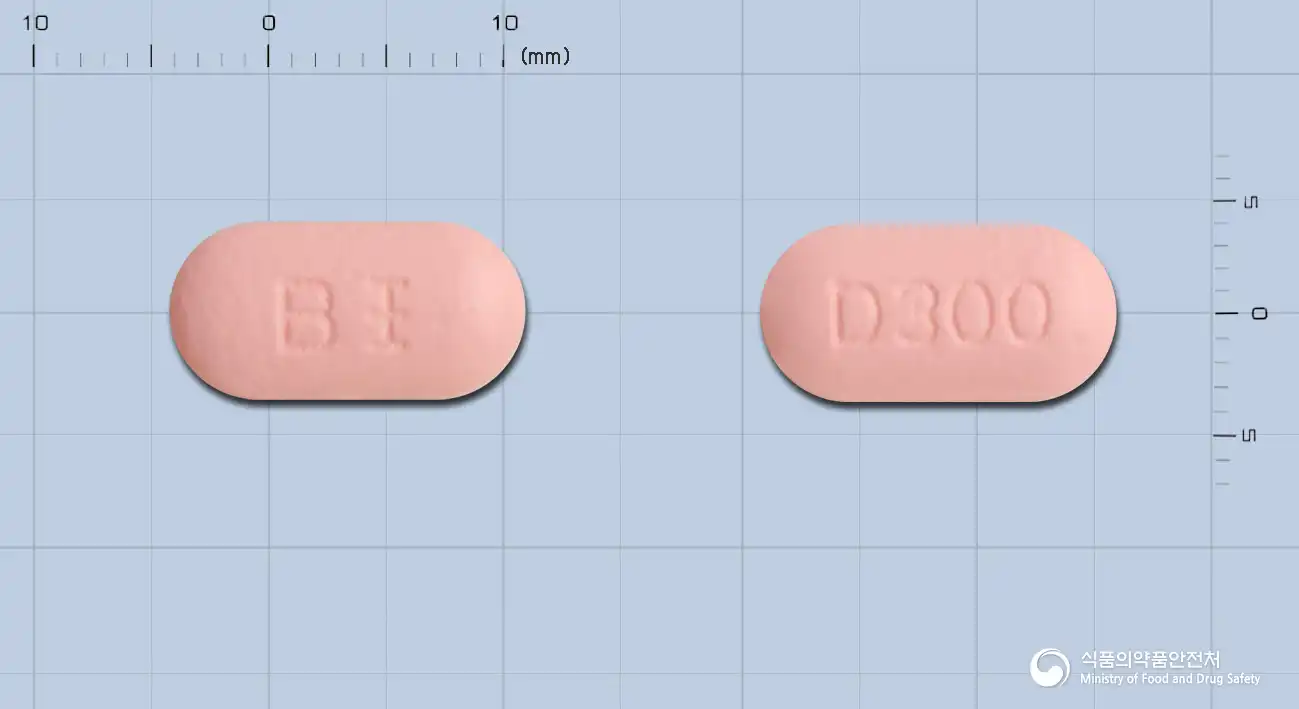
Dexibuprofen 300mg
Tablet · OTC medication
Bionex Co., Ltd.
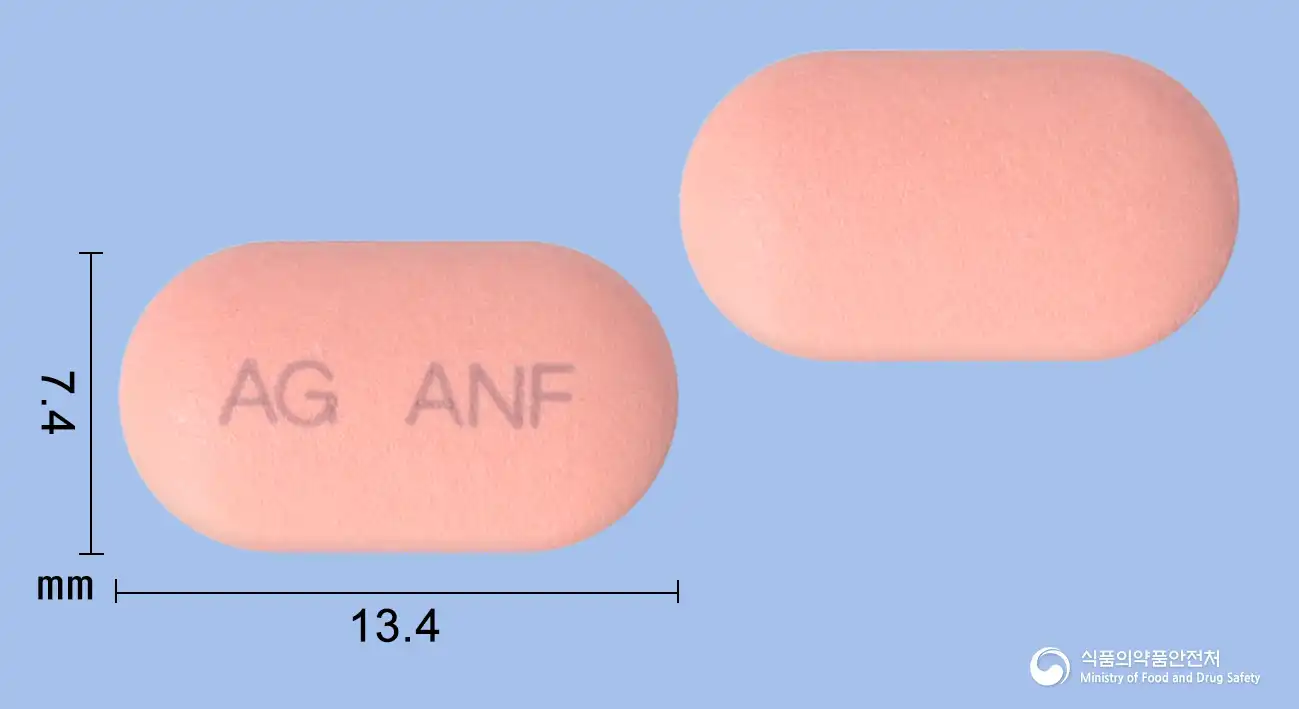
Dexibuprofen 300mg
Tablet · OTC medication
Anguk Pharmaceutical Co., Ltd.
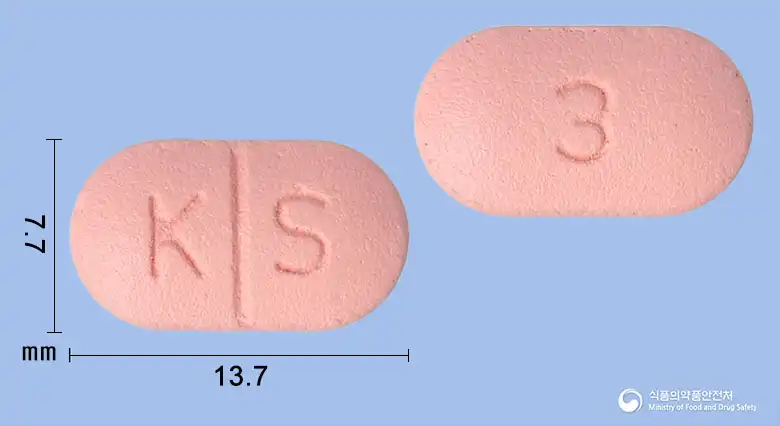
Dexibuprofen 300mg
Tablet · OTC medication
Aprogen Pharmaceuticals, Co., Ltd.
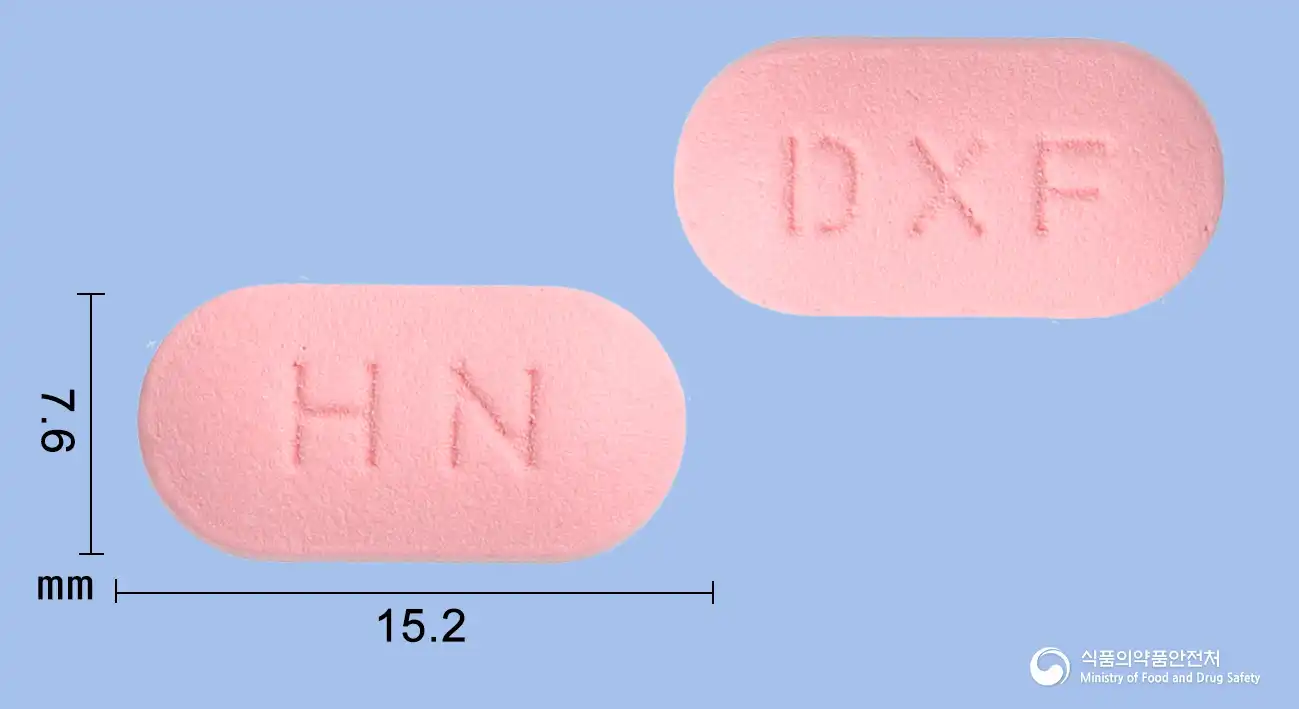
Dexibuprofen 300mg
Tablet · OTC medication
Hana Pharmaceutical Co., Ltd.
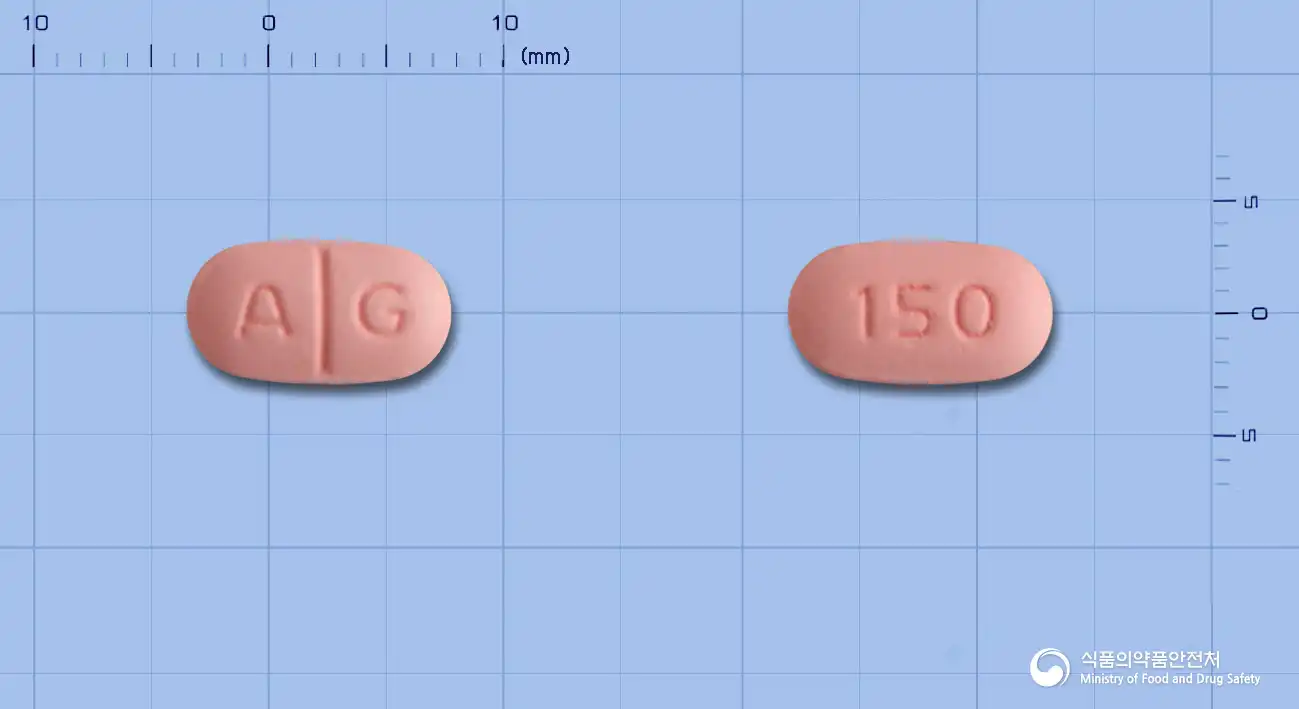
Dexibuprofen 150mg
Tablet · OTC medication
Anguk Pharm Co., Ltd.
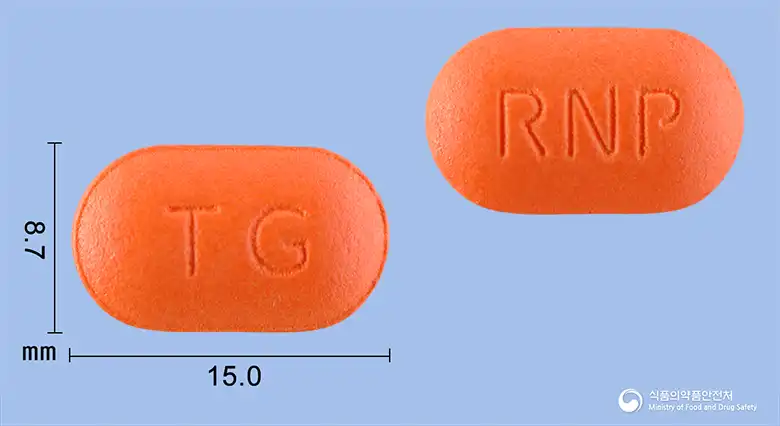
Dexibuprofen 300mg
Tablet · OTC medication
Taeguk Pharmaceutical Co., Ltd.
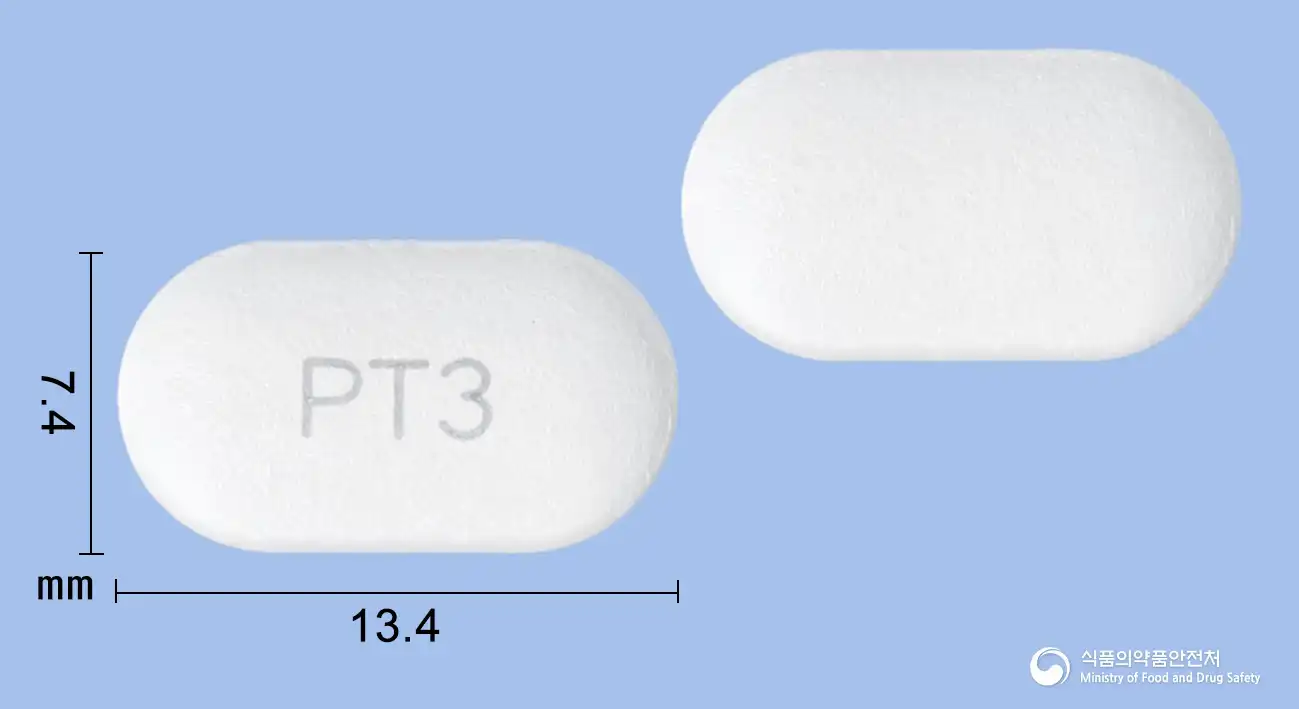
Dexibuprofen 300mg
Tablet · OTC medication
Genupharm Co., Ltd.
Even with the same ingredient, the dose and directions can differ by strength and dosage form. Talk to a doctor or pharmacist before switching from a medication you are already taking.
No questions yet.
For anything that needs medical judgment, consult a doctor or pharmacist.
This drug information is based on data provided by the Korea Ministry of Food and Drug Safety.
Consult a doctor or pharmacist for accurate dosage, administration, and usage instructions.