
 한국어
한국어 English
 日本語
日本語 中文(简体)
Dosage form image
Viewing nowPineq Naproxen Suspension
Naproxen 2.5g
Suspension · OTC medication
Daewon Biotech Co., Ltd.
MFDS item code 202402681 · Approved 2024.11.13
Improvement of arthritis including rheumatoid arthritis and osteoarthritis
This medication is effectively used for joint and degenerative diseases such as rheumatoid arthritis, osteoarthritis, and ankylosing spondylitis. It is also helpful for tendonitis, acute gout, and dysmenorrhea. Furthermore, it can be used for various musculoskeletal disorders such as bursitis, skeletal muscle disorders (sprains, strains, trauma), low back pain, postoperative pain, migraines, and pain after tooth extraction. Therefore, it helps to effectively treat not only joint and musculoskeletal disorders but also various pain symptoms. Overall, this drug is widely used for various inflammatory diseases and pain management.
1. Rheumatoid arthritis, osteoarthritis, ankylosing spondylitis Adults: Administer 250-500 mg (1-2 pouches) of naproxen orally twice a day (every 12 hours). 2. Acute gout Adults: Administer an initial dose of 750 mg (3 pouches) of naproxen orally and then administer 250 mg (1 pouch) orally every 8 hours until the attack subsides. 3. Skeletal muscle disorders, postoperative pain, pain after tooth extraction, dysmenorrhea, tendonitis,
This medication may cause gastric bleeding if taken by individuals who consume more than three alcoholic drinks daily on a regular basis, so it is necessary to consult a doctor or pharmacist. This medication can affect the cardiovascular system, so those at risk of heart disease or stroke should be particularly cautious and consult a healthcare professional immediately if such symptoms occur. Serious gastrointestinal issues like gastric bleeding, ulcers, and perforation can occur, so elderly individuals or those with a history of gastrointestinal diseases should take it with care. It is unsafe for individuals with certain diseases such as peptic ulcers, severe liver disease, kidney disease, severe hypertension, or blood disorders to take this medication. Those with hypersensitivity or a history of allergic reactions to aspirin and other non-steroidal anti-inflammatory drugs should also avoid using this medication. If any abnormal symptoms such as skin rash, breathing difficulties, severe headaches, or vomiting occur while taking this medication, it should be discontinued immediately and a doctor should be consulted. There may be interactions with other medications, so if currently taking any, it is important to inform healthcare professionals, especially if taking anticoagulants, diuretics, lithium, or methotrexate. It is advisable not to take this medication during pregnancy, especially in the later stages, and to be cautious during early pregnancy. Breastfeeding individuals are recommended not to take this medication as it can be passed to the infant through breast milk and affect the baby. Children, especially infants under 2 years old, should avoid this medication as its safety has not been established. Elderly people are at higher risk of side effects like gastric bleeding, so it should be taken cautiously at the minimum effective dose. Regular blood tests and kidney and liver function tests during the use of this medication are important to check for abnormalities. Overdose may result in symptoms such as drowsiness, indigestion, and vomiting, and treatment should be sought immediately if these symptoms occur. This medication should be stored out of reach of children and not be transferred to other containers to maintain quality.
Not everyone experiences these, and they can vary from person to person.
This medication should be stored in a tightly sealed container to avoid exposure to air or moisture. It is recommended to keep it at room temperature between 1 and 30 degrees.
A white or pale yellow suspension contained in an aluminum foil pouch
5 pouches/box - 10 milliliters/pouch
Even with the same ingredient, strength, dosage form and how it is taken can differ.
Naproxen 2.5g
Suspension · OTC medication
Daewon Biotech Co., Ltd.

Naproxen 250mg
Tablet · OTC medication
Jongkundang

Naproxen 500mg
Tablet · Prescription medication
Jonggeun Dang Co., Ltd.
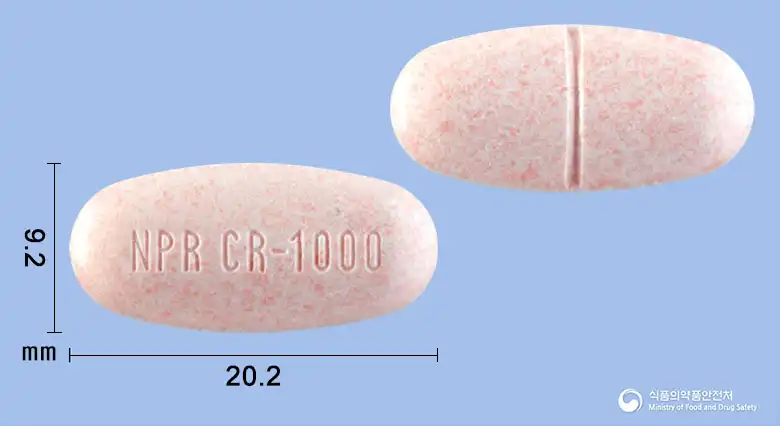
Naproxen 1000mg
Tablet · Prescription medication
Jongkundang Co., Ltd.

Naproxen 250mg
Soft capsule · OTC medication
Alpibio Co., Ltd.

Naproxen 250mg
Soft capsule · OTC medication
(GC Pharma)

Naproxen 250mg
Soft capsule · OTC medication
Seohung Co., Ltd.
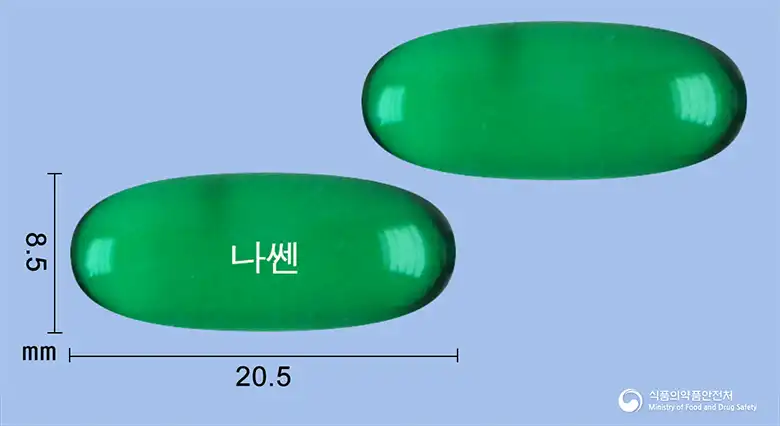
Naproxen 250mg
Soft capsule · OTC medication
Shinil Pharm Co., Ltd.
Even with the same ingredient, the dose and directions can differ by strength and dosage form. Talk to a doctor or pharmacist before switching from a medication you are already taking.
No questions yet.
For anything that needs medical judgment, consult a doctor or pharmacist.
This drug information is based on data provided by the Korea Ministry of Food and Drug Safety.
Consult a doctor or pharmacist for accurate dosage, administration, and usage instructions.