
 한국어
한국어 English
 日本語
日本語 中文(简体)
Dosage form image
Viewing nowMyungmoon UDCA Tablet 100mg (Ursodeoxycholic Acid)
Ursodeoxycholic Acid 100mg
Tablet · OTC medication
Myungmoon Pharmaceutical Co., Ltd.
MFDS item code 202402632 · Notified 2024.11.07
Adjuvant treatment for liver diseases and biliary tract disorders, improvement of liver function in chronic liver diseases, relief of dyspepsia
This medication is used as an adjuvant treatment for liver diseases and biliary tract disorders caused by insufficient bile secretion. It also helps improve liver function decline due to chronic liver diseases. It is effective in relieving dyspepsia symptoms that may occur after small intestine resection or due to inflammatory bowel disease. Therefore, it is used to enhance liver health and improve digestive function.
As Ursodeoxycholic Acid, take 50-100mg three times a day.
This medication should not be taken by individuals allergic to certain ingredients. It should not be used if there is severe biliary obstruction, as this may worsen symptoms. Patients with fulminant hepatitis should also avoid taking this medication, as it may worsen their symptoms. It should not be used if there are calcified gallstones. Patients without gallbladder function or those with acute cholecystitis are also prohibited from taking this medication. Pregnant women or women who may become pregnant, as well as nursing mothers, should not take this medication. Children should not take this medication. Patients with kidney disease should also avoid using this medication. Patients with acute gastric or duodenal ulcers should not take this medication, as it may irritate the mucosa and worsen symptoms. Patients with inflammatory diseases of the colon or small intestine, such as Crohn's disease, should also refrain from taking this medication. This medication contains lactose; individuals with lactose intolerance or related genetic disorders should not take it. While taking this medication, do not take certain drugs concurrently. Medicines such as oral hypoglycemics that may increase drug effects should not be used together. Cholestyramine, colestipol, medicinal carbon, magnesium, and aluminum hydroxide antacids should not be used together, as they may interfere with the absorption of this medication. Oral contraceptives containing estrogen or some lipid-lowering medications may reduce the efficacy of this medication, so concurrent use should be avoided. Avoid taking this medication with drugs that may cause liver damage. If severe pancreatic diseases or biliary stones are present, and if there is hepatic coma or ascites, consult a specialist before taking this medication. During treatment, gastrointestinal symptoms such as diarrhea, nausea, vomiting, abdominal pain, constipation, heartburn, and gastric discomfort may occur, so caution is advised. Allergic reactions such as itching or rash may arise; if abnormal symptoms occur, discontinue use immediately and consult a specialist. If symptoms of interstitial pneumonia such as fever, cough, or difficulty breathing occur, discontinue this medication immediately and consult healthcare personnel. Rarely, systemic malaise, dizziness, calcification of gallstones, increased liver enzyme levels, and leukopenia may occur; consult a specialist if any unusual symptoms arise. Regular blood tests, such as liver function tests, should be conducted while taking this medication, and dosage adjustments may be made if necessary. Elderly patients may require careful attention, such as reducing dosage due to declining physiological functions. Dissolution treatment for stones may take from 6 months to 2 years, hence the treatment progress should be examined regularly, and if ineffective, treatment should be discontinued. This medication should be kept out of the reach of children, and caution is necessary when transferring medications from their original container to another container, as this may lead to misuse or degradation of quality.
Fever, cough, difficulty breathing, interstitial pneumonia accompanied by abnormal chest X-ray findings
Diarrhea, nausea, vomiting, abdominal pain, constipation, heartburn, gastric discomfort, itching, rash, systemic malaise, dizziness, calcification of gallstones, increased liver enzyme levels (ALT, ALP, AST, γ-GT), leukopenia
Not everyone experiences these, and they can vary from person to person.
This medication may be sensitive to air and moisture; therefore, it must be stored in a tightly sealed container. It is important to maintain a room temperature between 1 and 30 degrees Celsius during storage to safely preserve the medication's efficacy.
White round tablet
Domestic use - 30 tablets/bottle, Domestic use - 100 tablets/bottle
Even with the same ingredient, strength, dosage form and how it is taken can differ.
Ursodeoxycholic Acid 100mg
Tablet · OTC medication
Myungmoon Pharmaceutical Co., Ltd.
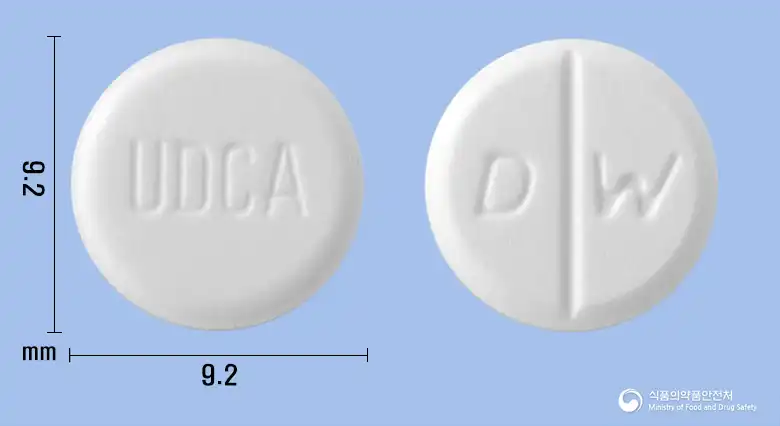
Ursodeoxycholic Acid 100mg
Tablet · OTC medication
DAEWOONG PHARMACEUTICAL CO., LTD.
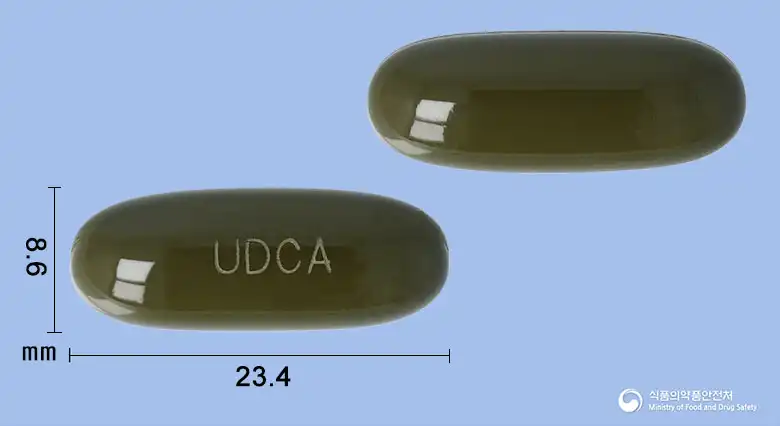
Ursodeoxycholic Acid 100mg
Soft capsule · OTC medication
DAEWOONG PHARMACEUTICAL CO., LTD.
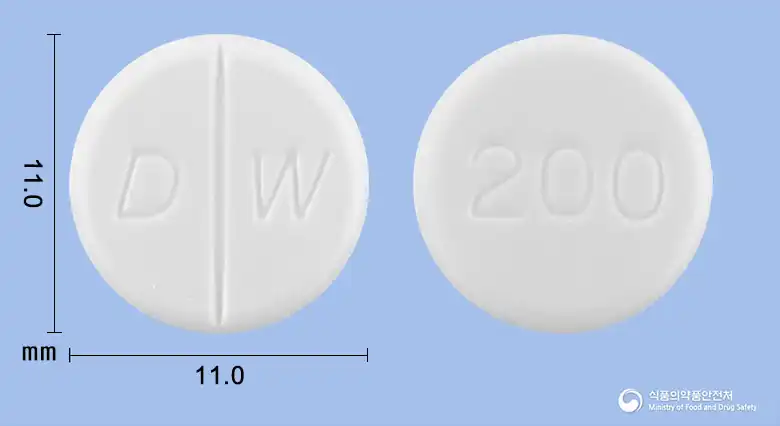
Ursodeoxycholic Acid 200mg
Tablet · Prescription medication
(Daiwoo Pharmaceutical Co., Ltd.)
Ursodeoxycholic Acid 250mg
Hard capsule · Prescription medication
Daewoong Pharmaceutical Co., Ltd.
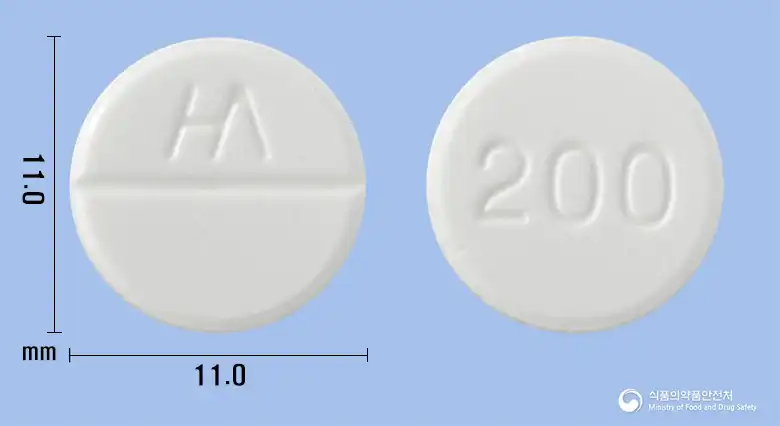
Ursodeoxycholic Acid 200mg
Tablet · Prescription medication
Hanol Biopharma Co., Ltd.
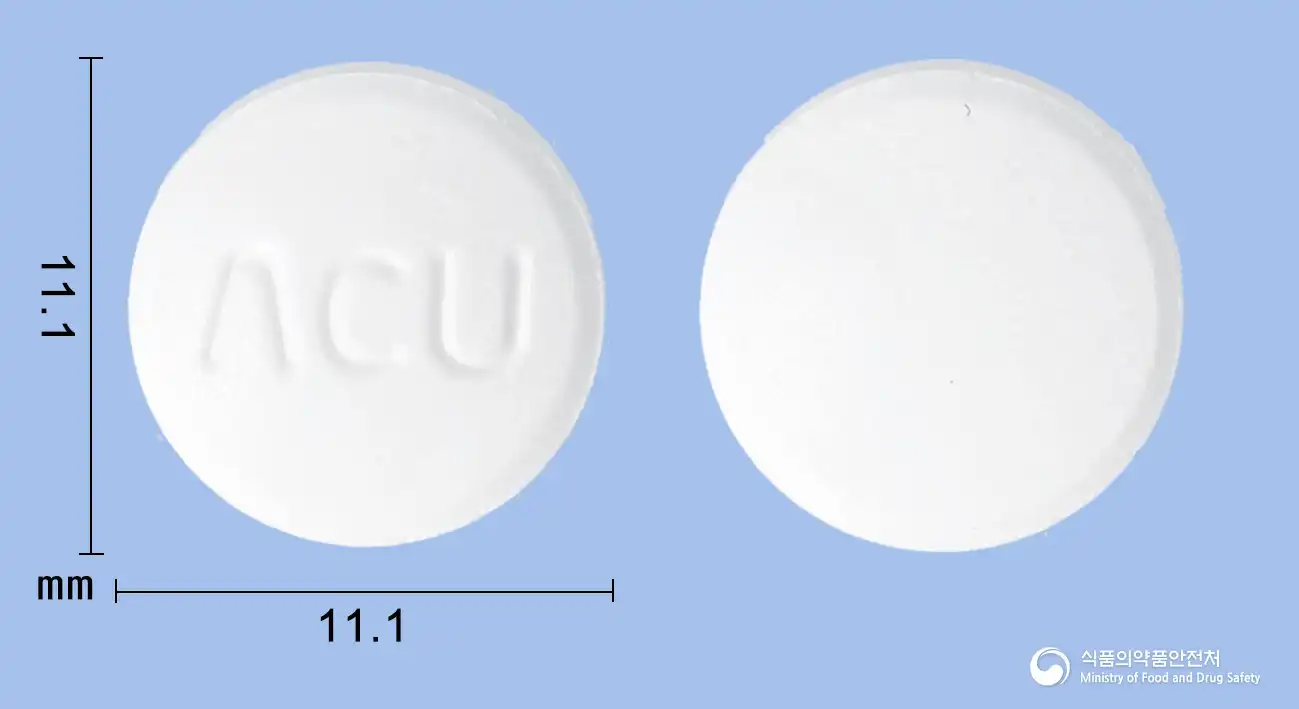
Ursodeoxycholic Acid 300mg
Tablet · Prescription medication
Allico Pharmaceutical Co., Ltd.
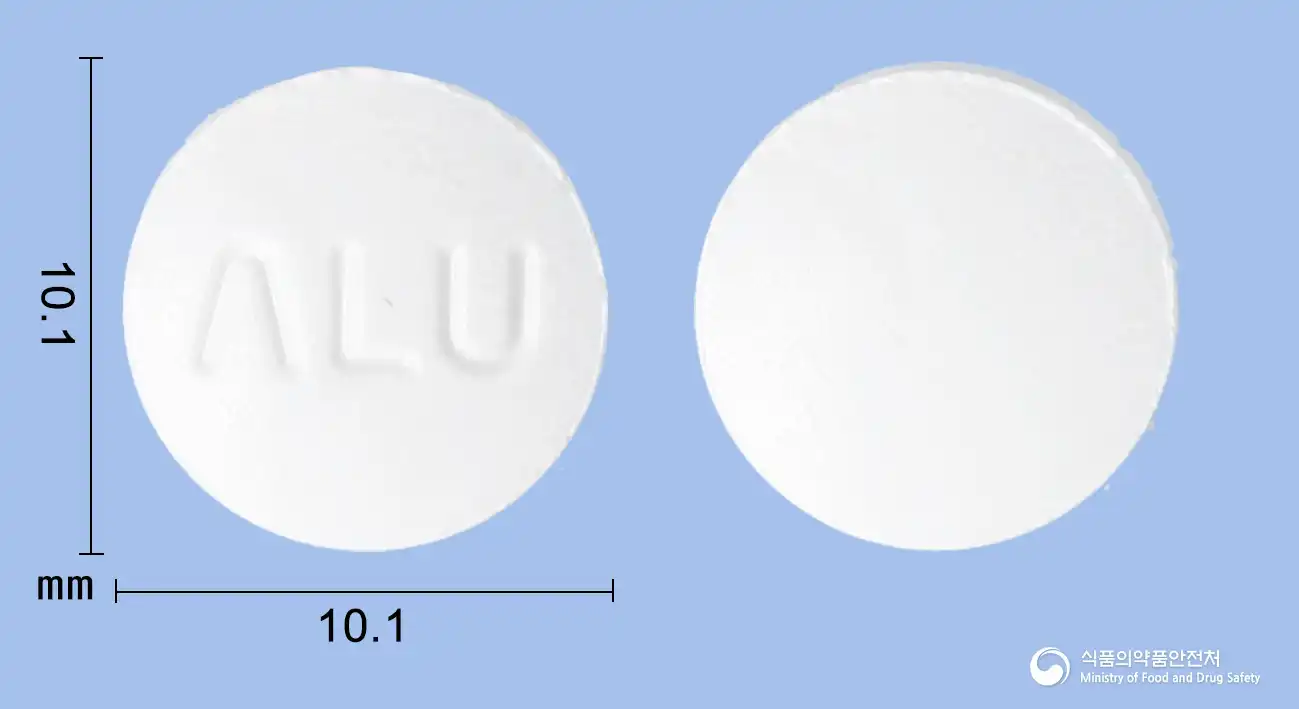
Ursodeoxycholic Acid 200mg
Tablet · Prescription medication
Allico Pharmaceutical Co., Ltd.
Even with the same ingredient, the dose and directions can differ by strength and dosage form. Talk to a doctor or pharmacist before switching from a medication you are already taking.
No questions yet.
For anything that needs medical judgment, consult a doctor or pharmacist.
This drug information is based on data provided by the Korea Ministry of Food and Drug Safety.
Consult a doctor or pharmacist for accurate dosage, administration, and usage instructions.