Improvement of cognitive function and symptom relief in moderate to severe Alzheimer's disease
Who takes it
Adults
Adult dose
Patients who require the combination of donepezil hydrochloride 10 mg and memantine hydrochloride 20 mg should take one tablet once daily before bedtime at the same time every day.
This medication can be taken regardless of food intake.
Improvement of cognitive function and symptom relief in moderate to severe Alzheimer's disease
Moderate Alzheimer's disease
severe Alzheimer's disease
View approved original textHide original text
This medication is used as an alternative to the combination therapy of donepezil and memantine for the treatment of moderate to severe Alzheimer's disease. It helps effectively improve patients' cognitive function decline and enhance their daily living abilities.
How to take
Adult dose
Patients who require the combination of donepezil hydrochloride 10 mg and memantine hydrochloride 20 mg should take one tablet once daily before bedtime at the same time every day.
This medication can be taken regardless of food intake.
Precautions
This medication should not be used in certain patients.
First, patients who have allergies to this medication or its components, patients with severe liver or kidney dysfunction, pregnant women or women who may become pregnant, and breastfeeding women should not take this medication.
Additionally, caution is needed for patients with genetic metabolic issues such as lactose intolerance.
When using this medication, patients with epilepsy or a history of seizures, those taking certain nervous system medications, patients with heart disease or high blood pressure, patients with a history of peptic ulcers, asthma or lung disease patients, and patients with extrapyramidal disorders like Parkinson's disease should be treated carefully.
During administration, serious side effects such as arrhythmia, gastrointestinal bleeding, liver dysfunction, epileptic seizures, movement disorders, respiratory distress, acute pancreatitis, and acute renal failure may occur, so immediate consultation with medical personnel is necessary if symptoms arise.
Furthermore, common side effects such as dizziness, nausea, vomiting, diarrhea, insomnia, headache, and fatigue may occur while taking this medication, so caution is needed.
This medication may cause arrhythmia in heart disease patients, so an electrocardiogram may be required.
Additionally, it may interact with other medications, so it is essential to consult with a doctor or pharmacist regarding concurrent medications.
Pregnant or nursing mothers should generally avoid taking this medication and should consult medical professionals if necessary.
The safety of this medication in children and adolescents under 18 years has not been established, so it should not be used in this population.
In cases of overdose, symptoms such as nausea, vomiting, seizures, and respiratory distress may occur, and immediate emergency treatment is required as there is no specific antidote, making prompt medical action important.
While taking this medication, caution is advised during driving or operating machinery, especially at the beginning of treatment or when changing dosages.
Finally, this medication should be kept out of reach of children and should not be transferred to another container.
Side effects and when to seek care immediately
Serious side effects
Hives, severe swelling (edema), tightness in the chest, difficulty breathing, cold sweat, paleness, severe rash with high fever, blisters, skin peeling, pain in the mucous membranes of the mouth/eyes, shortness of breath or difficulty breathing, asthma attack, cough with fever accompanied respiratory abnormalities, yellowing of the skin or eyes (jaundice), extreme drowsiness, sudden and severe headache, thunderclap headache, seizures, confusion of consciousness, visual disturbances, paralysis, urination
Mild side effects
Loss of appetite
hallucinations
agitation
aggressive behavior
anxiety
insomnia
drowsiness
increased libido
talking too much
mania
Show 30 moreCollapse
nightmares
irritability
rambling
delusions
depression
confusion
apathy
hyperactivity
dizziness
tremors
diarrhea
nausea
vomiting
abdominal discomfort
constipation
salivation
swallowing difficulties
fecal incontinence
headache
fatigue
pain
toothache
facial flushing
lethargy
asthenia
edema
fever
decreased body temperature
decreased hematocrit
anemia
Not everyone experiences these, and they can vary from person to person.
Storage
This medication should be stored in a tightly closed container to prevent exposure to air or moisture and should be kept at room temperature, preferably between 1 degree and 30 degrees Celsius.
Storing it this way helps maintain the drug's efficacy and safety.
Appearance and packaging
Appearance
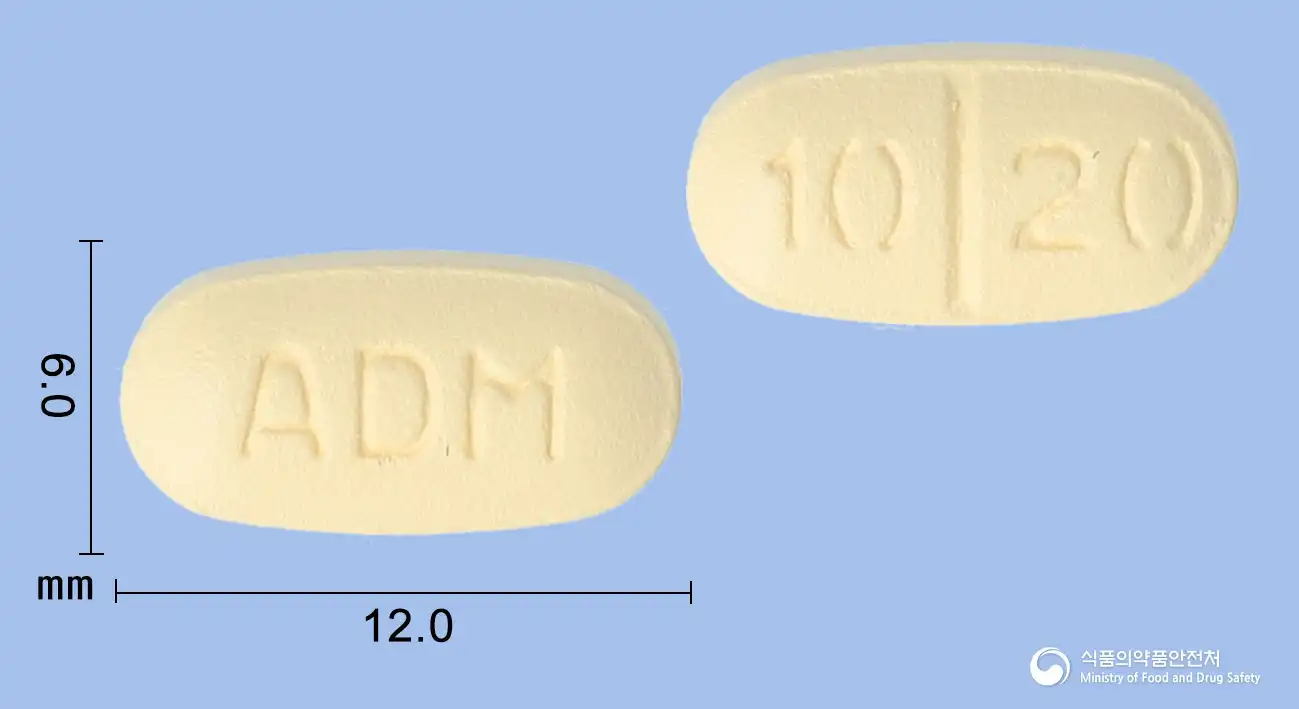
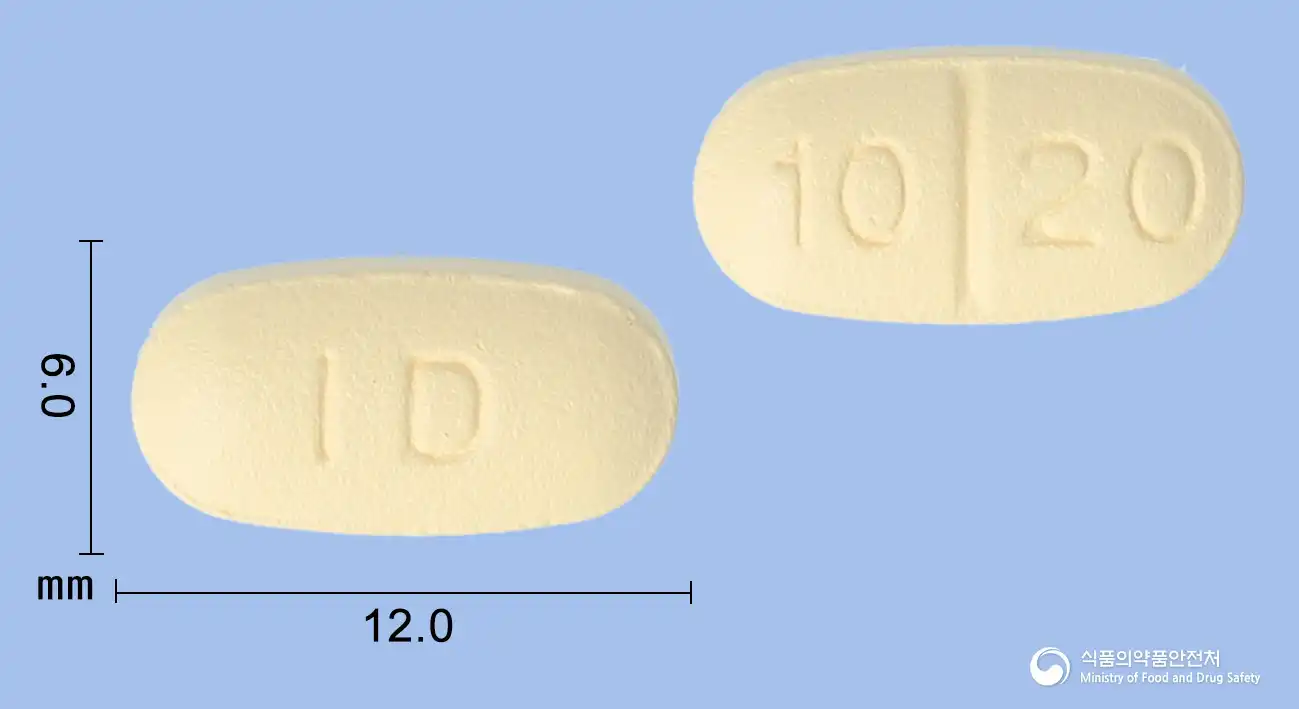
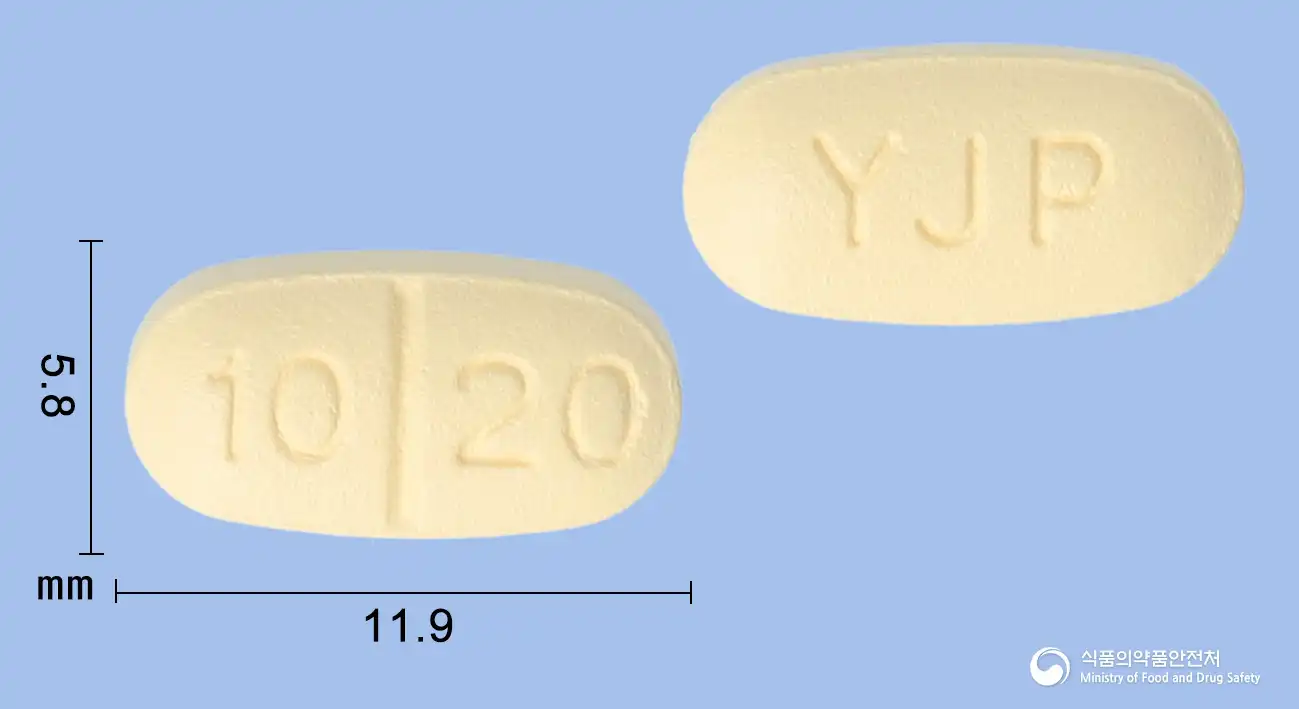
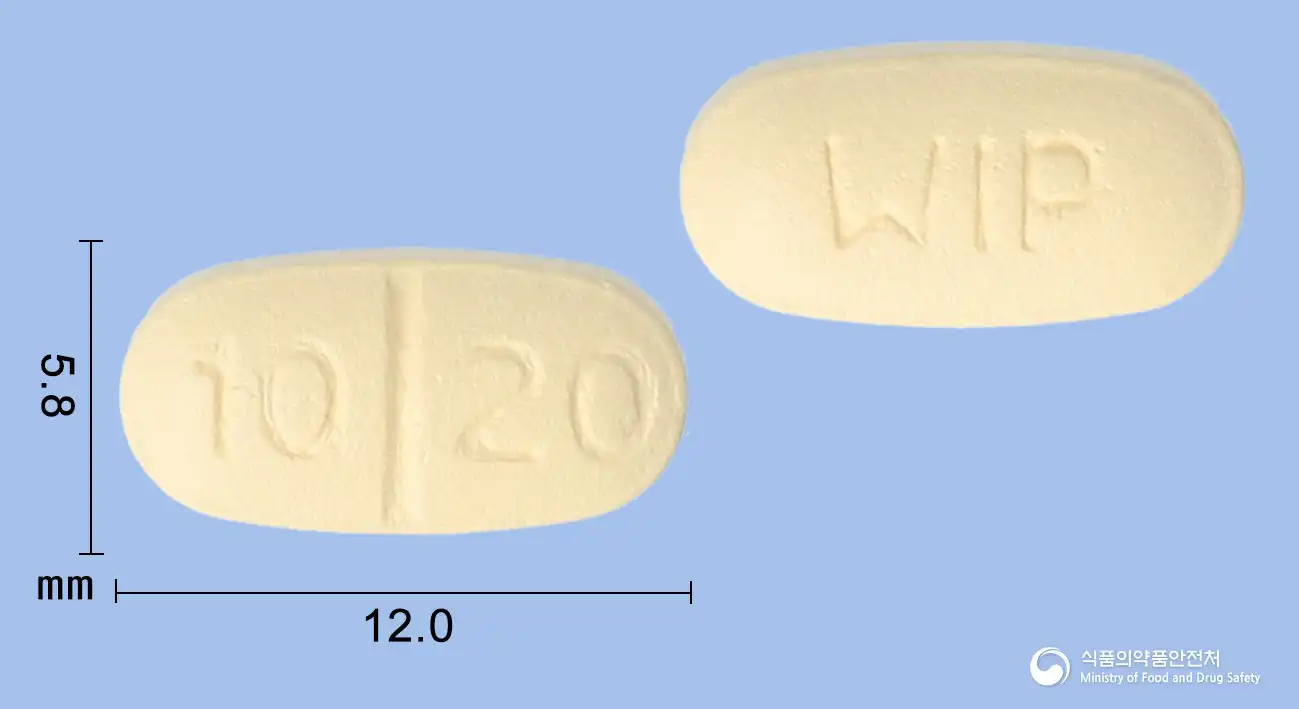
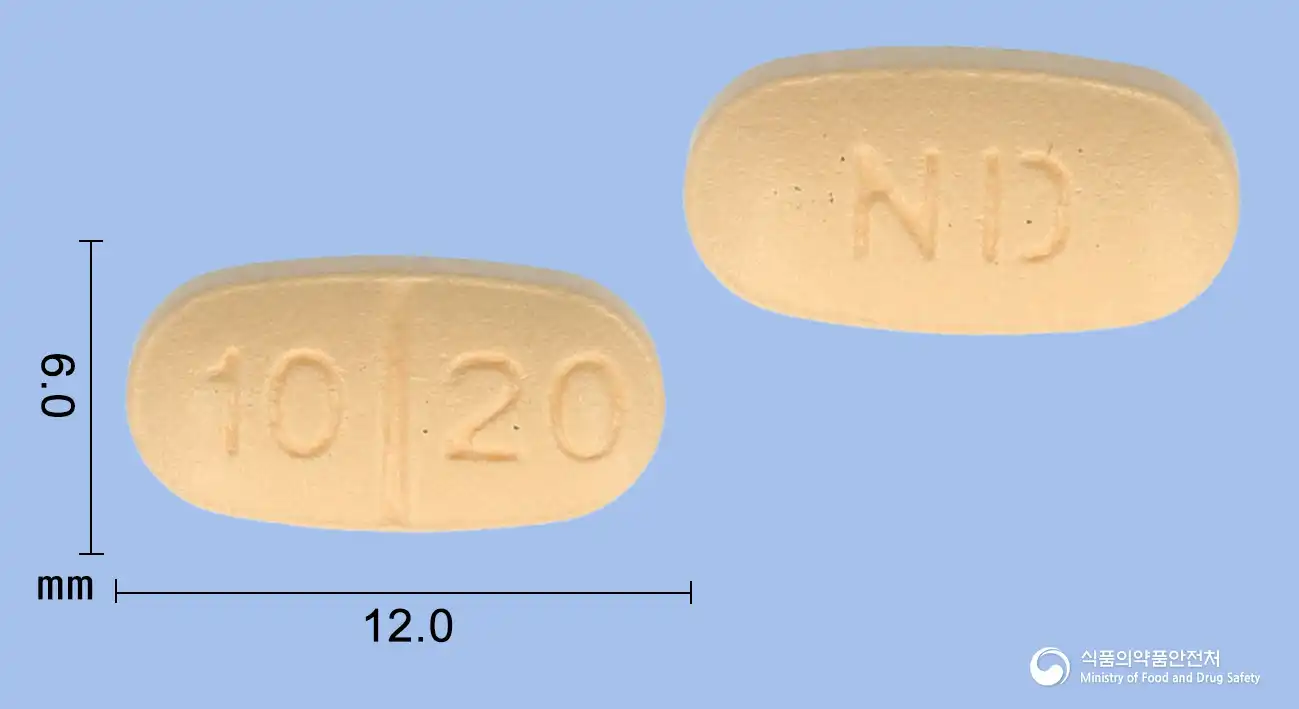
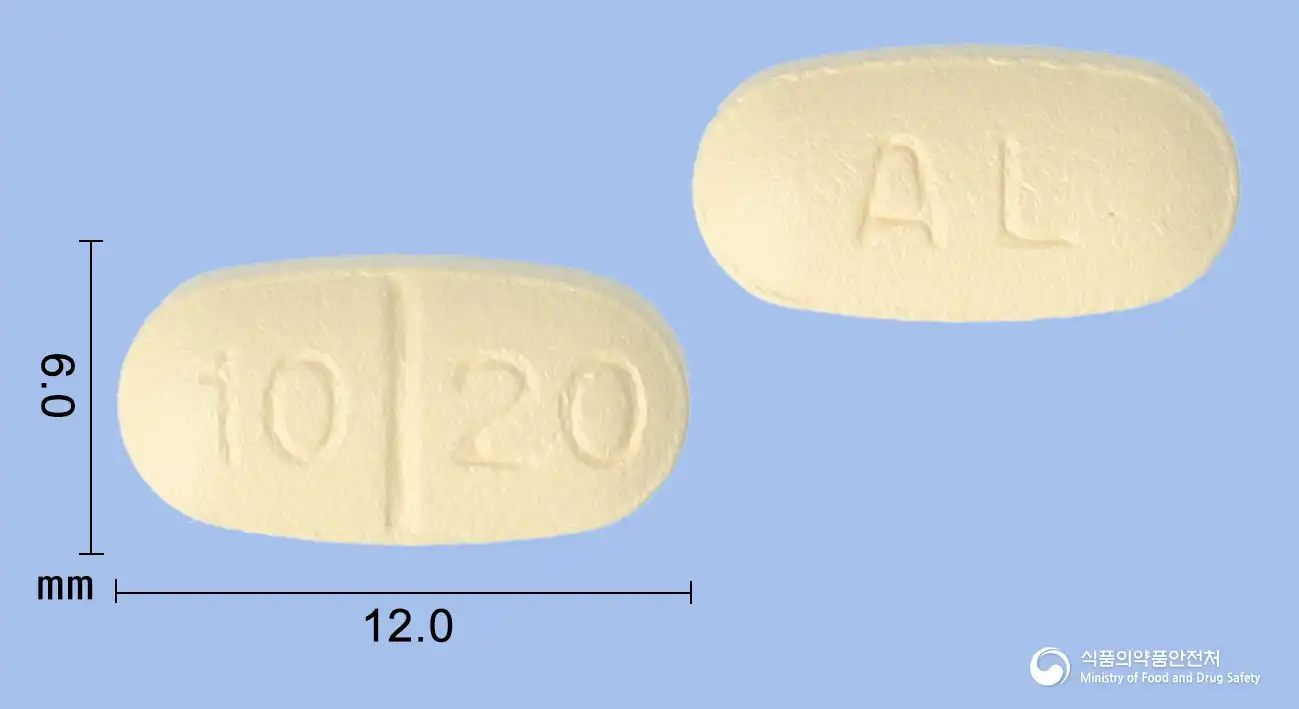
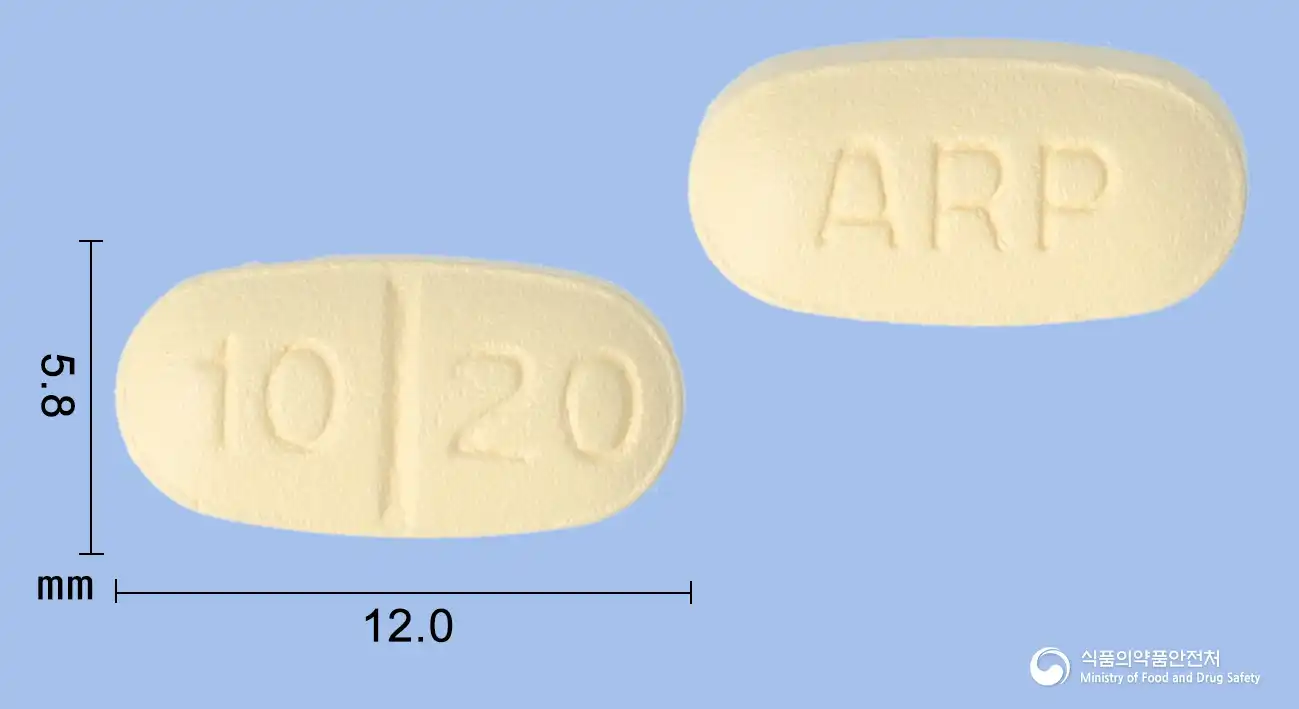
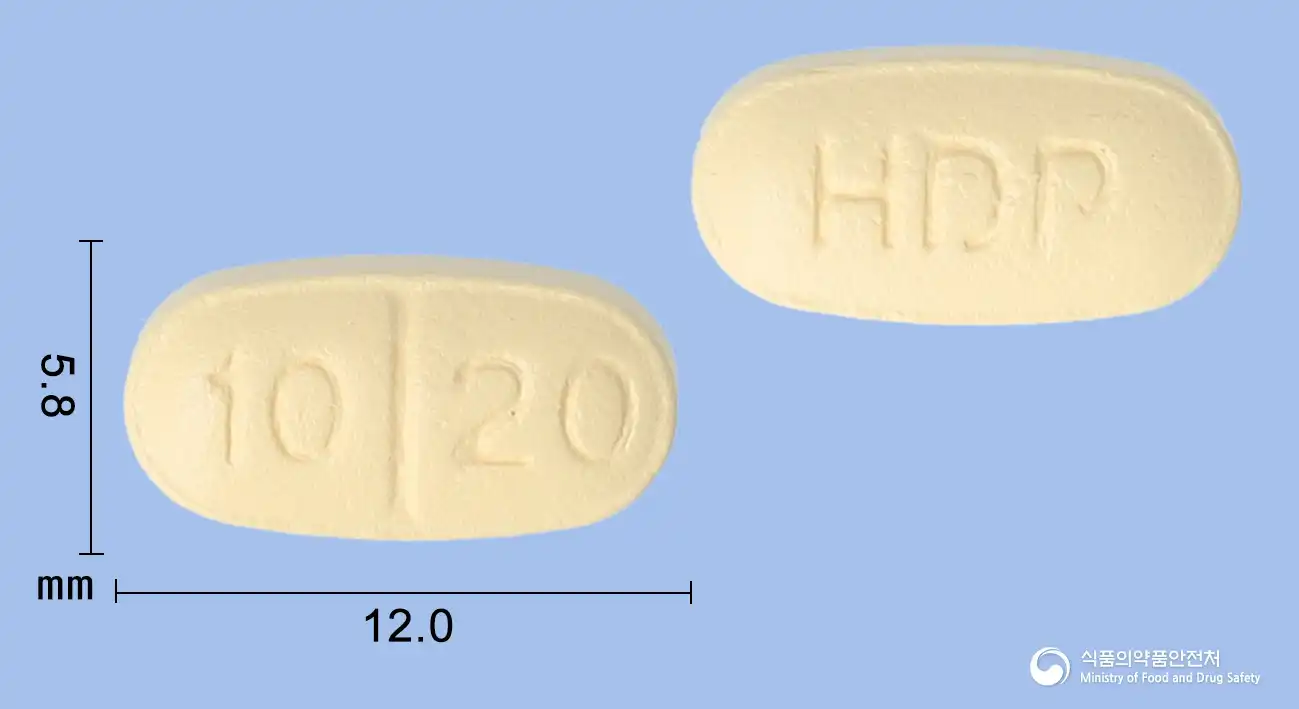
Pale yellow oval film-coated tablet
Package unit
100 tablets/bottle, 30 tablets/bottle
Same-ingredient medicines
Even with the same ingredient, strength, dosage form and how it is taken can differ.
Even with the same ingredient, the dose and directions can differ by strength and dosage form. Talk to a doctor or pharmacist before switching from a medication you are already taking.
Questions about this medicine
No questions yet.
For anything that needs medical judgment, consult a doctor or pharmacist.
This drug information is based on data provided by the Korea Ministry of Food and Drug Safety. Consult a doctor or pharmacist for accurate dosage, administration, and usage instructions.

 한국어
한국어 English
 日本語
日本語 中文(简体)
 Viewing nowCombination