
 한국어
한국어 English
 日本語
日本語 中文(简体)
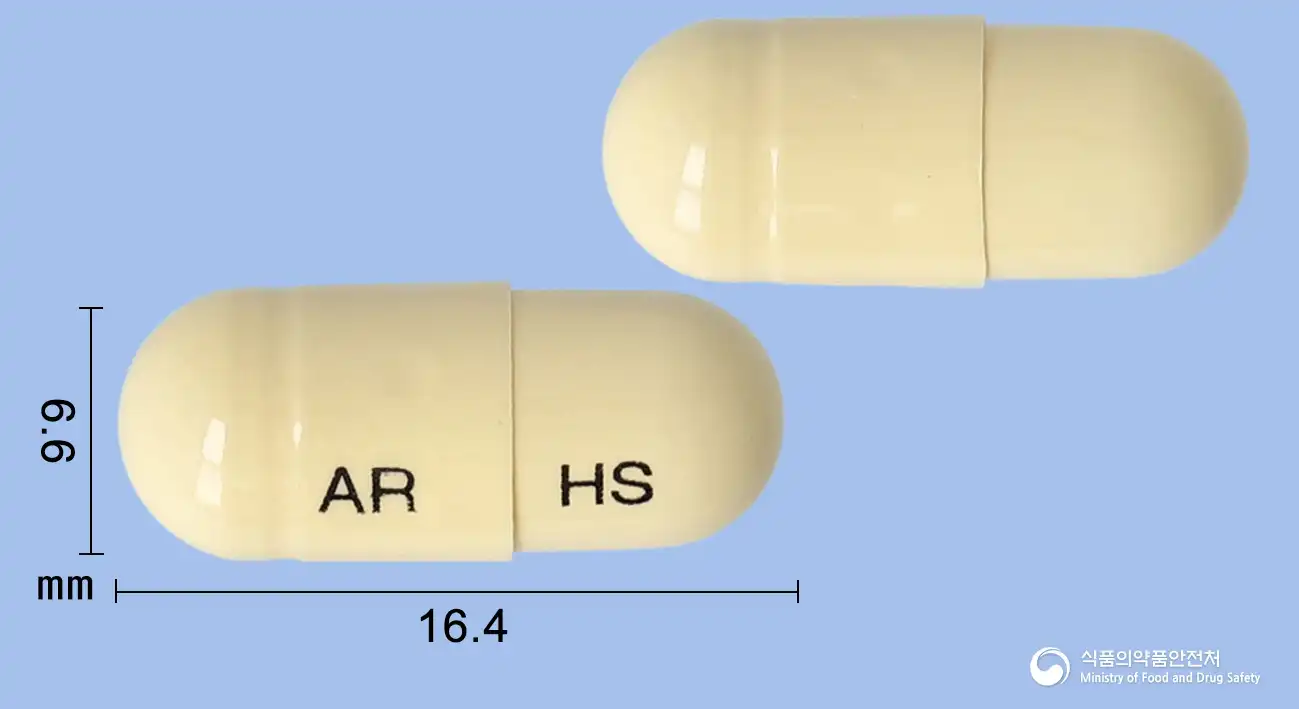 Viewing nowCombination
Asrabe Capsule 100/5 mg (Aspirin, Rabeprazole)
Rabeprazole Sodium 5mg · Aspirin 100mg
Hard capsule · Prescription medication · Combination
Huons Co., Ltd.
MFDS item code 202402347 · Approved 2024.09.30 · Insurance code 670609400
Inhibition of thrombus formation and reduction of cardiovascular risk
Aspirin is primarily used to prevent and treat symptoms by inhibiting thrombus formation in conditions such as myocardial infarction, cerebrovascular accident, and unstable angina. It particularly helps protect patients' health by lowering the risk of thrombus formation after procedures like coronary artery bypass grafting or percutaneous coronary intervention. Additionally, it aids in reducing cardiovascular risk in high-risk patients with a family history of ischemic heart disease or other combined risk factors such as hypertension, hypercholesterolemia, obesity, and diabetes. Therefore, even in patients with a history of gastric or duodenal ulcers, careful use of aspirin is recommended for the prevention and management of cardiovascular diseases, improving the patients' health through inhibition of thrombus formation.
For adults, take 1 capsule (Aspirin/Rabeprazole Sodium 100/5 mg) once a day. This medication should not be chewed or crushed; it should be swallowed whole at once. It can be taken before meals with sufficient water.
This medicine contains both aspirin and rabeprazole. Firstly, individuals who regularly consume more than three glasses of alcohol daily should consult a doctor or pharmacist before taking this medication, as taking aspirin with alcohol may pose a risk of gastrointestinal bleeding. This medication should not be taken by certain patients. For example, those who are allergic to this drug or its components, have peptic ulcers, have a history of aspirin-induced asthma, suffer from hemophilia, have severe liver or renal impairment, have severe cardiac dysfunction, have a tendency to bleed, are taking specific medications, or are pregnant or breastfeeding should refrain from using this drug. Additionally, patients with renal or cardiovascular issues or a history of liver dysfunction, bronchial asthma patients, those scheduled for surgery, individuals with specific allergic histories, elderly patients, anticoagulant users, and those with certain enzyme deficiencies should take this medication with caution. This medication can cause various side effects. The aspirin component may lead to allergic reactions, skin rashes, gastrointestinal issues, blood anomalies, renal dysfunction, neurological symptoms, and in severe cases, shock or asthma attacks. Rabeprazole has also been associated with various adverse reactions including skin rashes, blood anomalies, liver dysfunction, cardiovascular problems, gastrointestinal symptoms, neurological issues, respiratory problems, musculoskeletal pain, ocular issues, and urinary system abnormalities. Especially, caution should be exercised when administering aspirin to children under 14 years old who have viral diseases such as chickenpox or influenza due to the risk of Reye syndrome, a serious condition. Long-term use of rabeprazole may obscure symptoms of malignant tumors, increase the risk of fractures, and cause electrolyte imbalances such as hypomagnesemia, requiring regular examinations. Pregnant or breastfeeding women should avoid this medication, particularly in the late stages of pregnancy, as it may pose risks to both the fetus and the mother. Elderly individuals may experience more pronounced side effects due to decreased liver function, requiring careful monitoring. This medication can interact with other drugs; therefore, if taking anticoagulants, hypoglycemic agents, specific antibiotics, immunosuppressants, ibuprofen, or other medications, it is essential to consult a physician. In the case of overdose, there are no specific antidotes, and treatment and supportive care should be administered based on symptoms. Finally, this medication should be stored out of reach of children, and after opening the package, it should be kept to avoid moisture. Adherence to these precautions is necessary to safely expect the effects of the medication.
Not everyone experiences these, and they can vary from person to person.
This medication may be sensitive to air or moisture, so it should be stored in a tightly sealed container. It is recommended to maintain a storage temperature between 1 and 30 degrees Celsius at room temperature. This storage condition ensures the medication's efficacy is safely maintained.
A pale yellow hard capsule containing white enteric-coated tablets and yellow enteric-coated tablets.
30 capsules/bottle, 100 capsules/bottle, 300 capsules/bottle
Even with the same ingredient, strength, dosage form and how it is taken can differ.
Viewing nowCombinationRabeprazole Sodium 5mg · Aspirin 100mg
Hard capsule · Prescription medication · Combination
Huons Co., Ltd.
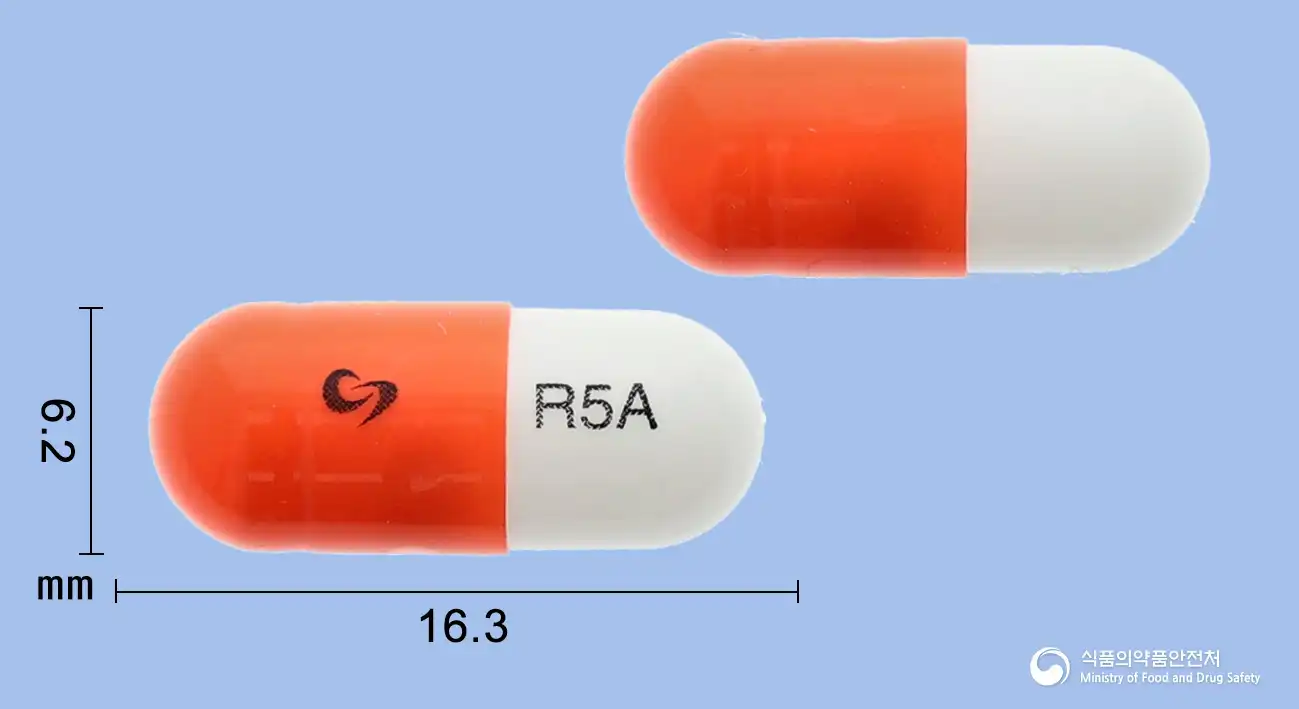 Combination
Rabeprazole Sodium 5mg · Aspirin 100mg
Hard capsule · Prescription medication · Combination
Dongguang Pharmaceutical Co., Ltd.
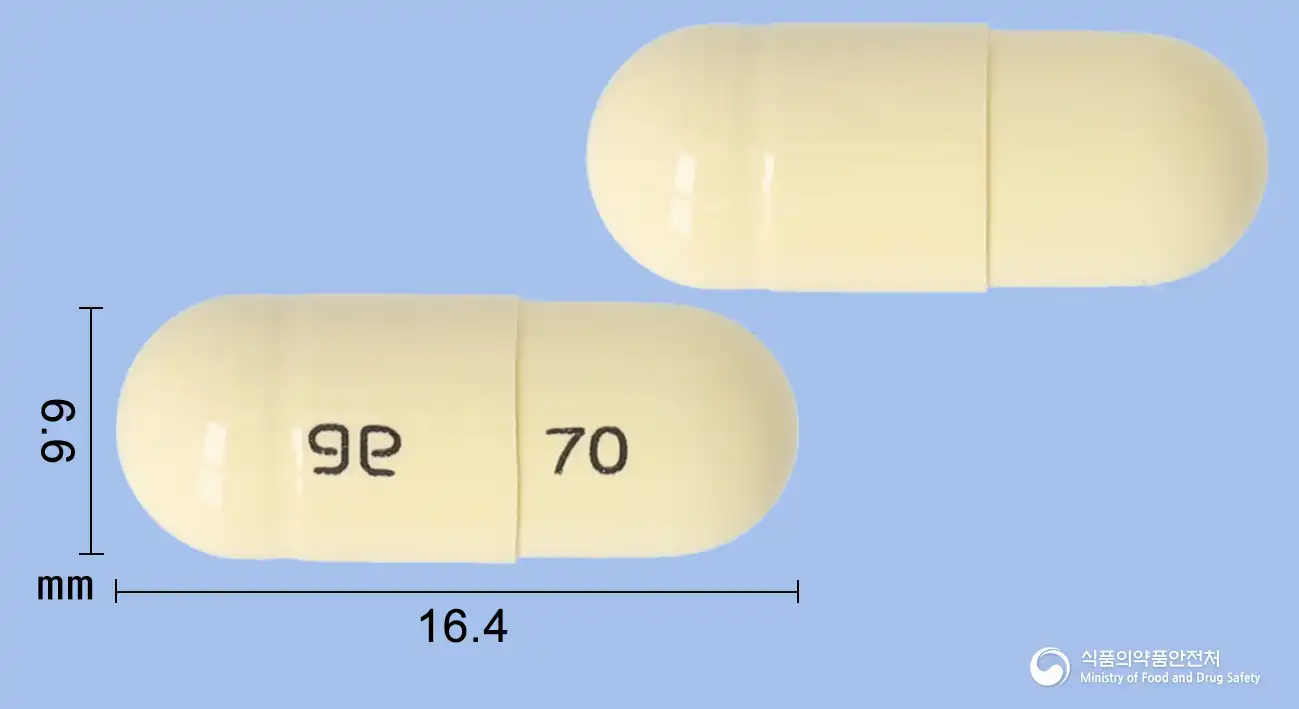 Combination
Rabeprazole Sodium 5mg · Aspirin 100mg
Hard capsule · Prescription medication · Combination
GL Pharma Co., Ltd.
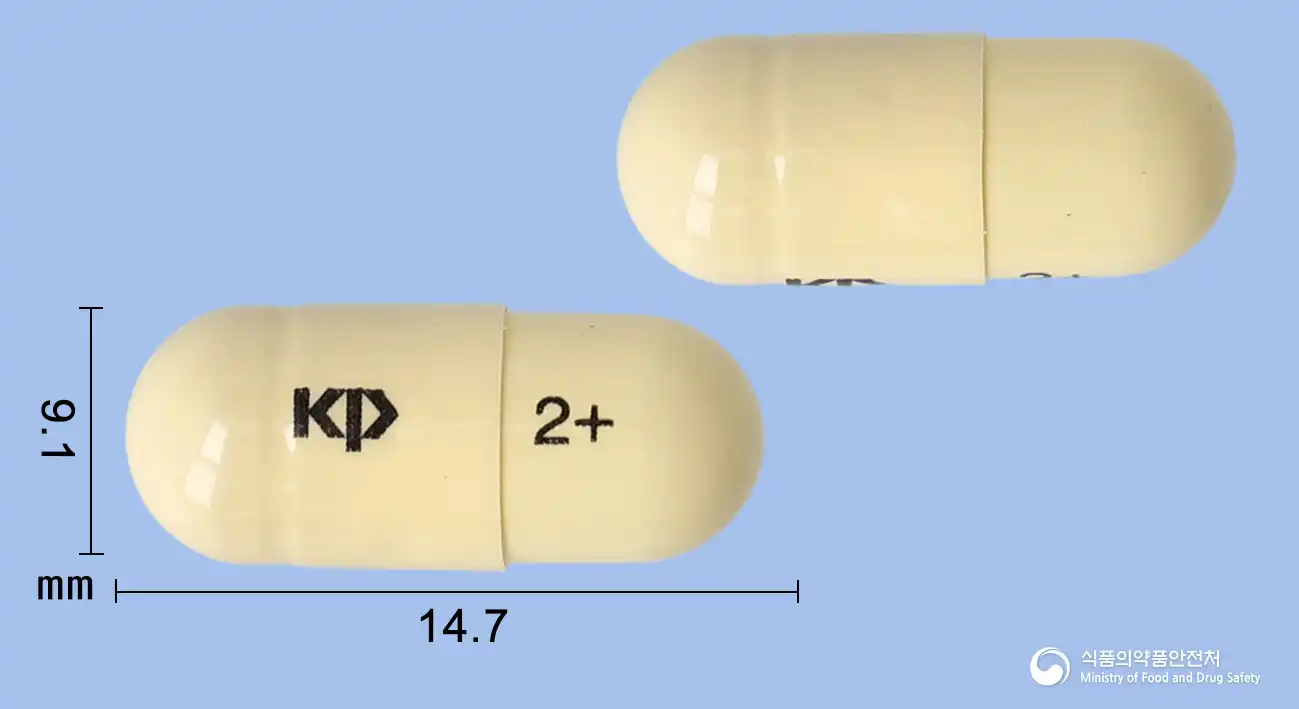 Combination
Rabeprazole Sodium 5mg · Aspirin 100mg
Hard capsule · Prescription medication · Combination
Korea Pharma Co., Ltd.
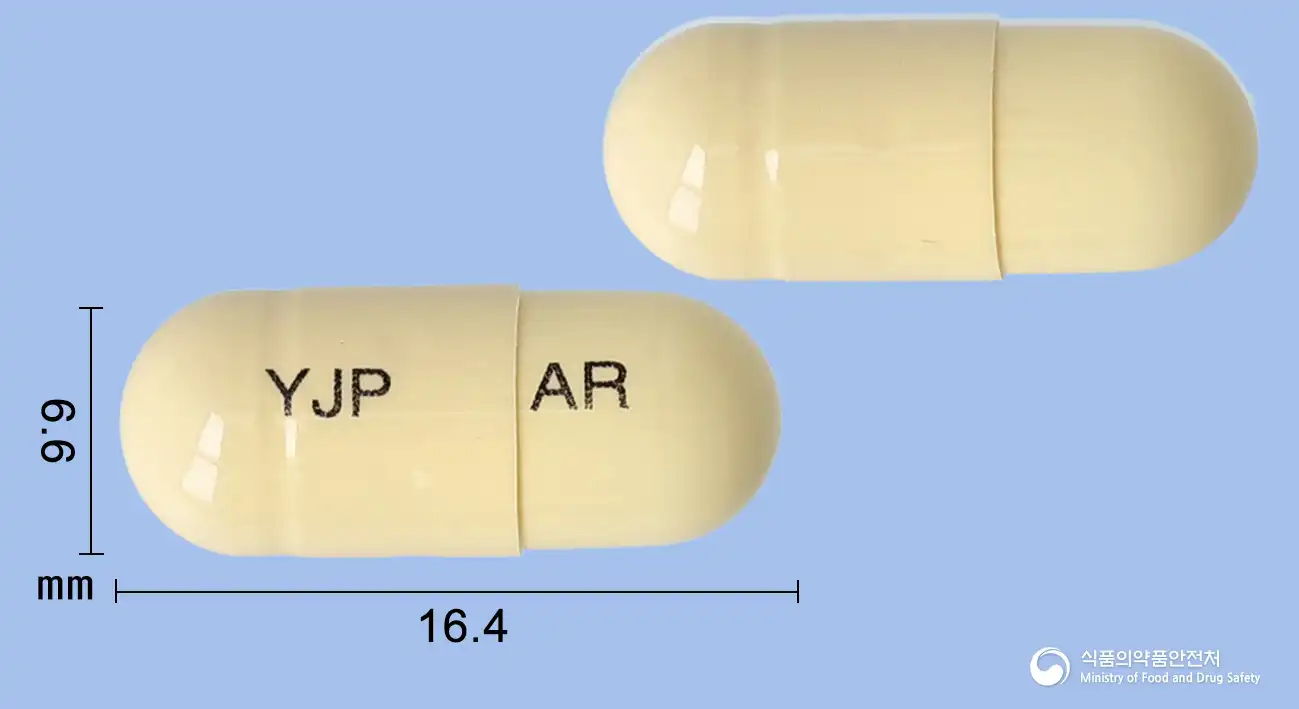 Combination
Rabeprazole Sodium 5mg · Aspirin 100mg
Hard capsule · Prescription medication · Combination
Youngjin Pharmaceutical Co., Ltd.
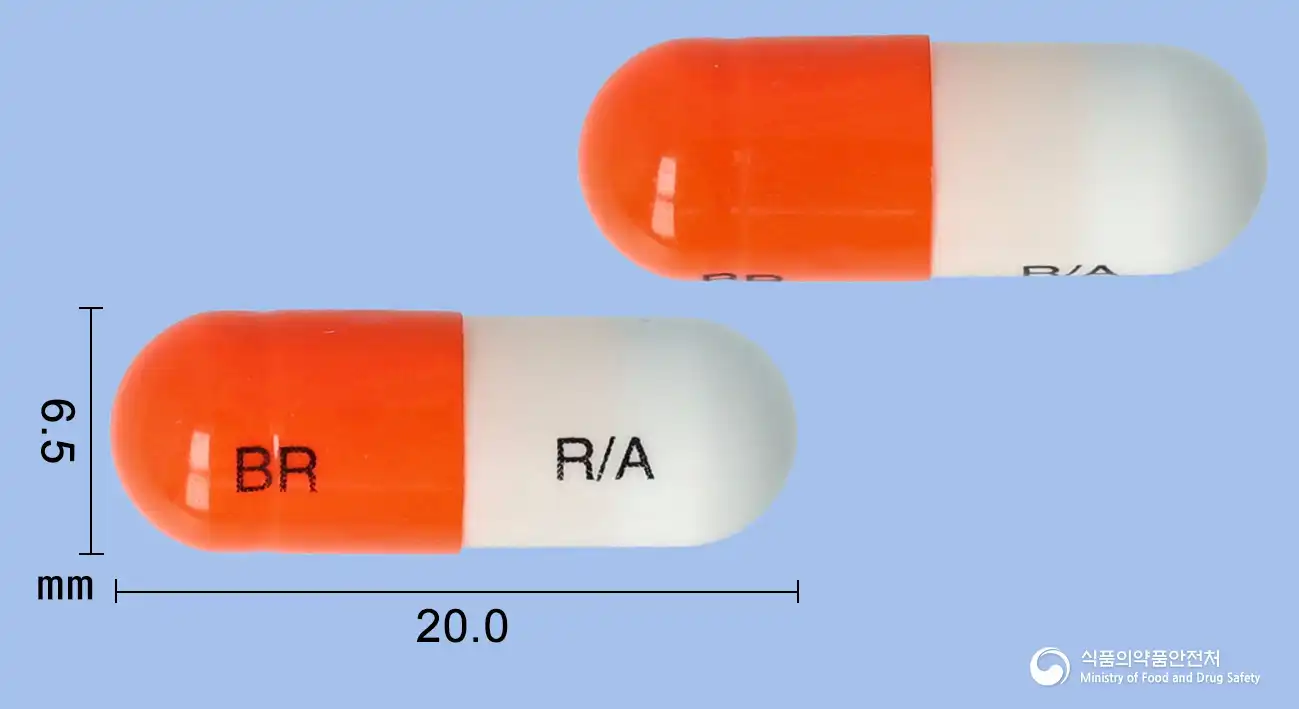 Combination
Rabeprazole Sodium 5mg · Aspirin 100mg
Hard capsule · Prescription medication · Combination
Boryung Pharmaceuticals Co., Ltd.
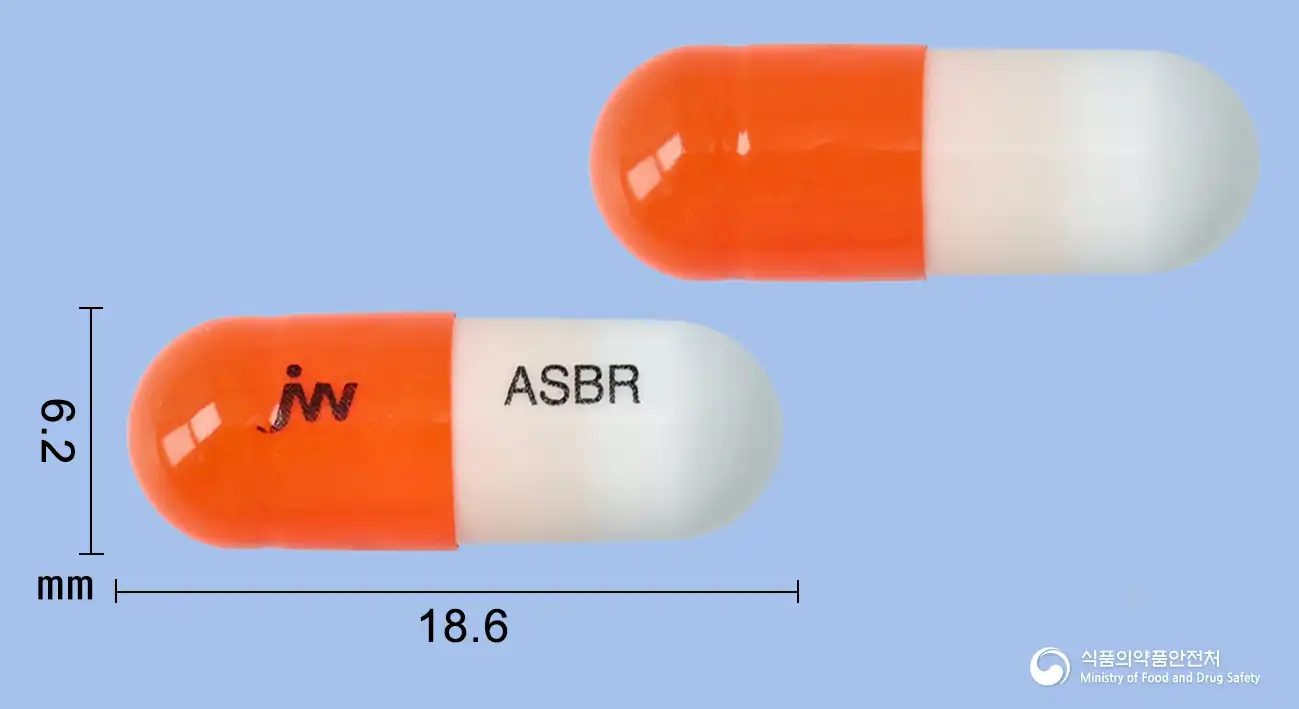 Combination
Rabeprazole Sodium 5mg · Aspirin 100mg
Hard capsule · Prescription medication · Combination
JW Pharmaceutical Corporation
Even with the same ingredient, the dose and directions can differ by strength and dosage form. Talk to a doctor or pharmacist before switching from a medication you are already taking.
No questions yet.
For anything that needs medical judgment, consult a doctor or pharmacist.
This drug information is based on data provided by the Korea Ministry of Food and Drug Safety.
Consult a doctor or pharmacist for accurate dosage, administration, and usage instructions.