
 한국어
 English
 日本語
 中文(简体)
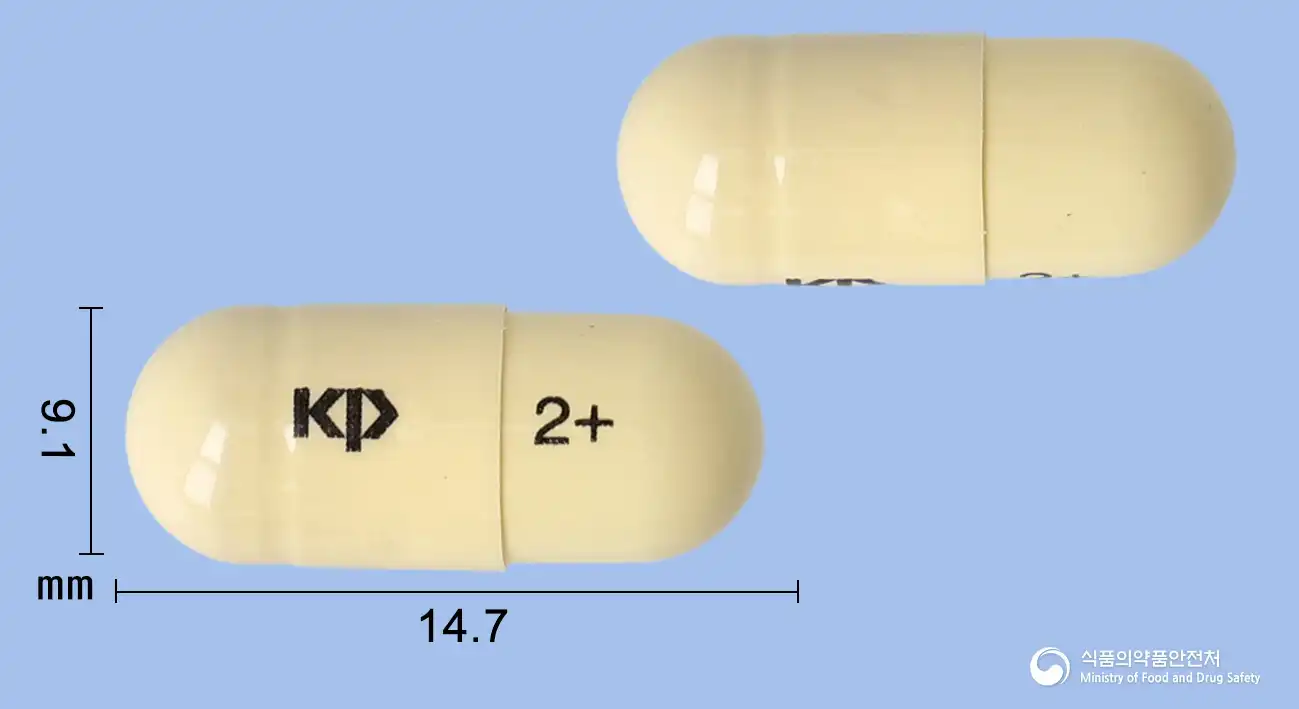 Viewing nowCombination
Aratect Capsule 100/5 mg (Aspirin, Rabeprazole)
Rabeprazole Sodium 5mg · Aspirin 100mg
Hard capsule · Prescription medication · Combination
Korea Pharma Co., Ltd.
MFDS item code 202402338 · Approved 2024.09.27 · Insurance code 653007010
Prevention of blood clots (e.g., after cerebral or myocardial infarction or coronary intervention) and reduction of cardiovascular risk in high-risk patients
This medication is primarily used to prevent and treat symptoms by inhibiting thrombus formation in cardiovascular diseases such as myocardial infarction, cerebral infarction, and unstable angina. It also plays a role in preventing complications by stopping thrombus formation in patients who have undergone coronary artery bypass grafting or percutaneous coronary intervention. It helps reduce cardiovascular risk in high-risk patients with multiple risk factors such as hypertension, diabetes, and hypercholesterolemia. Therefore, it is effectively used for inhibiting thrombus formation and reducing risk associated with cardiovascular diseases.
Adults: Take 1 capsule once daily (aspirin/rabeprazole sodium 100/5mg). Do not chew or crush this medicine; swallow it whole at once. As a rule, preparations containing aspirin should not be administered on an empty stomach because of the adverse reaction of gastrointestinal bleeding. However, since this preparation is an enteric-coated capsule, it may be taken before meals with plenty of water. For patients taking aspirin and rabeprazole concomitantly, treatment may be switched to this medicine (a combination product containing the same amount of each active ingredient) for convenience.
This medication is a combination drug containing aspirin and rabeprazole, which may increase the risk of gastrointestinal bleeding; therefore, individuals who consume alcohol daily should consult a doctor or pharmacist before taking it. Those who are hypersensitive to this medication, or who have peptic ulcers, aspirin-induced asthma, hemophilia, severe liver, kidney, or heart dysfunction should not take this medication. Additionally, patients who are taking high doses of methotrexate or certain antiviral medications (atazanavir, rilpivirine), or pregnant or breastfeeding individuals should avoid using this medication. Patients with renal impairment, liver impairment, cardiovascular disease, blood disorders, bronchial asthma, allergic history, elderly individuals, and those taking anticoagulants should take this drug with caution, particularly patients with glucose-6-phosphate dehydrogenase deficiency who may be at risk of hemolytic anemia. During treatment, various side effects may occur, including shock, hypersensitivity, skin rashes, blood disorders, gastrointestinal bleeding, renal impairment, and liver function abnormalities, so if any abnormal symptoms arise, discontinue use and consult a doctor immediately. Particularly, aspirin should be used cautiously in children under the age of 14 due to the risk of Reye's syndrome, and regular examinations and monitoring of patient status are necessary during long-term use. Rabeprazole may increase the risk of fractures, hypomagnesemia, and liver function abnormalities with prolonged use, so regular testing is recommended during long-term therapy. This medication may interact with other drugs; therefore, if you are taking anticoagulants, methotrexate, lithium, certain anti-inflammatory analgesics, serotonin reuptake inhibitors, digoxin, or any other medications, you should consult with a doctor or pharmacist. If pregnant or breastfeeding, it is safest to avoid use due to potential effects on the fetus or newborn. Elderly patients may have an increased risk of side effects due to decreased liver function, so it is advisable to discontinue use and consult a doctor if any symptoms occur. Safety in children has not been established, so use is not recommended. In case of overdose, treatment should be symptomatic, as there are no specific antidotes available. This medication should be handled carefully to avoid damage to the enteric coating, and it is advisable not to use it concurrently with alkaline agents or moisture-sensitive formulations. During storage, keep it in a sealed container away from air and moisture, and after opening, store it in a dry place.
Shock, anaphylactic symptoms, dyspnea, generalized flushing, angioedema, urticaria, asthma attack, erythema, itching, nasal congestion, cardiac-respiratory disturbance, rash, edema, rhinitis-like symptoms, conjunctivitis, Riel syndrome, eosinophilia with systemic symptoms accompanying drug reaction, Stevens-Johnson syndrome, mucocutaneous syndrome, exfoliative dermatitis, aplastic anemia, anemia, leukopenia, thrombocytopenia, impaired platelet function, hemolysis, hemolytic anemia, loss of appetite, chest burning, abdominal pain, nausea, vomiting, intestinal diaphragm disease, gastrointestinal bleeding, peptic ulcer, perforation, tinnitus, hearing loss, dizziness, headache, agitation, liver dysfunction, elevated liver transaminases, renal dysfunction, acute kidney failure, hyperventilation, metabolic acidosis, rash, urticaria, itching, erythrocytopenia, leukopenia, leukocytosis, eosinophilia, neutrophilia, lymphocytopenia, anemia, petechiae, lymphadenopathy, hypopigmented anemia, pancytopenia, agranulocytosis, thrombocytopenia, hemolytic anemia, elevated ALT, elevated AST, elevated ALP, elevated γ-GTP, elevated LDH, elevated total bilirubin, fulminant hepatitis, liver dysfunction, jaundice, hypertension, myocardial infarction, abnormal electrocardiogram, migraine, syncope, angina pectoris, heart block, palpitations, tachycardia, bradycardia, pulmonary embolism, supraventricular tachycardia, thrombophlebitis, vasodilation, QTc prolongation, ventricular tachycardia, diarrhea, constipation, abdominal pain, abdominal distension, dyspepsia, belching, rectal bleeding, blood in stool, anorexia, cholelithiasis, oral ulcer, dysphagia, gingivitis, cholecystitis, increased appetite, abnormal stool, colitis, esophagitis, glossitis, pancreatitis, proctitis, thirst, lower abdominal pain, gastric body, gastritis, stomatitis, taste disorder, hemorrhagic diarrhea, cholangitis, duodenitis, gastrointestinal bleeding, hepatic encephalopathy, hepatitis, liver cancer, hepatic steatosis, salivary gland enlargement, thirst, headache, insomnia, anxiety, dizziness, convulsions, abnormal dreams, decreased libido, neuropathy, sensory abnormalities, tremors, muscle weakness, neuroirritability, drowsiness, vertigo, depression, restlessness, amnesia, confusion, extrapyramidal syndrome, increased blood flow, limb weakness, sensory impairment, reduced grip strength, language confusion, staggering, hallucinations, disorientation, hypersomnia, cough, pharyngitis, rhinitis, dyspnea, asthma, epistaxis, laryngitis, hiccups, hyperventilation, bronchitis, sinusitis, apnea, respiratory depression, interstitial pneumonia, myalgia, low back pain, arthritis, leg cramps, bone pain, arthrosis, bursitis, muscle hypertonia, neuralgia, single contraction, sweating, alopecia, skin dryness, shingles, psoriasis, skin color change, erythema multiforme, cataract, amblyopia, glaucoma, dry eye, abnormal vision, tinnitus, otitis media, corneal opacity, blurriness, double vision, hearing loss, eye pain, retinal degeneration, strabismus, proteinuria, cystitis, polyuria, dysmenorrhea, dysuria, nephrolithiasis, uterine bleeding, polydipsia, hematuria, erectile dysfunction, vaginal discharge, menorrhagia, orchitis, urinary incontinence, interstitial nephritis, edema, elevated total cholesterol, elevated triglycerides, elevated BUN, elevated serum thyroid-stimulating hormone, chest pain, chills, fever, urinary tract infection, malaise, weight gain, visual disturbances, loss of appetite, nuchal rigidity, photosensitivity reaction, hangover effect, weight loss, gout, systemic lupus erythematosus, discoid lupus erythematosus, nausea, constipation, abdominal pain, diarrhea, dyspepsia, abdominal distension, belching, thirst, bad breath, glossitis, dry mouth, vomiting, taste disorder, gastritis, liver function abnormalities, chest tightness, allergic reaction, fever, edema, hypertriglyceridemia, hypercholesterolemia, weight loss, headache, dizziness, confusion, muscle weakness, tingling in hands and feet, anxiety, insomnia, drowsiness, facial edema, flushing, arthralgia, myalgia, palpitations, elevated intraocular pressure, urinary tract infection
Not everyone experiences these, and they can vary from person to person.
This medication must be stored in a sealed container to protect it from air and moisture. It is important to maintain a storage temperature between 1 degree and 30 degrees Celsius. This helps ensure that the efficacy and safety of the medication are preserved for a long time.
It is a light yellow hard capsule containing white enteric-coated tablets and yellow enteric-coated tablets.
Bottle package - 30 capsules/bottle, Bottle package - 300 capsules/bottle, Bottle package - 100 capsules/bottle
Even with the same ingredient, strength, dosage form and how it is taken can differ.
Viewing nowCombinationRabeprazole Sodium 5mg · Aspirin 100mg
Hard capsule · Prescription medication · Combination
Korea Pharma Co., Ltd.
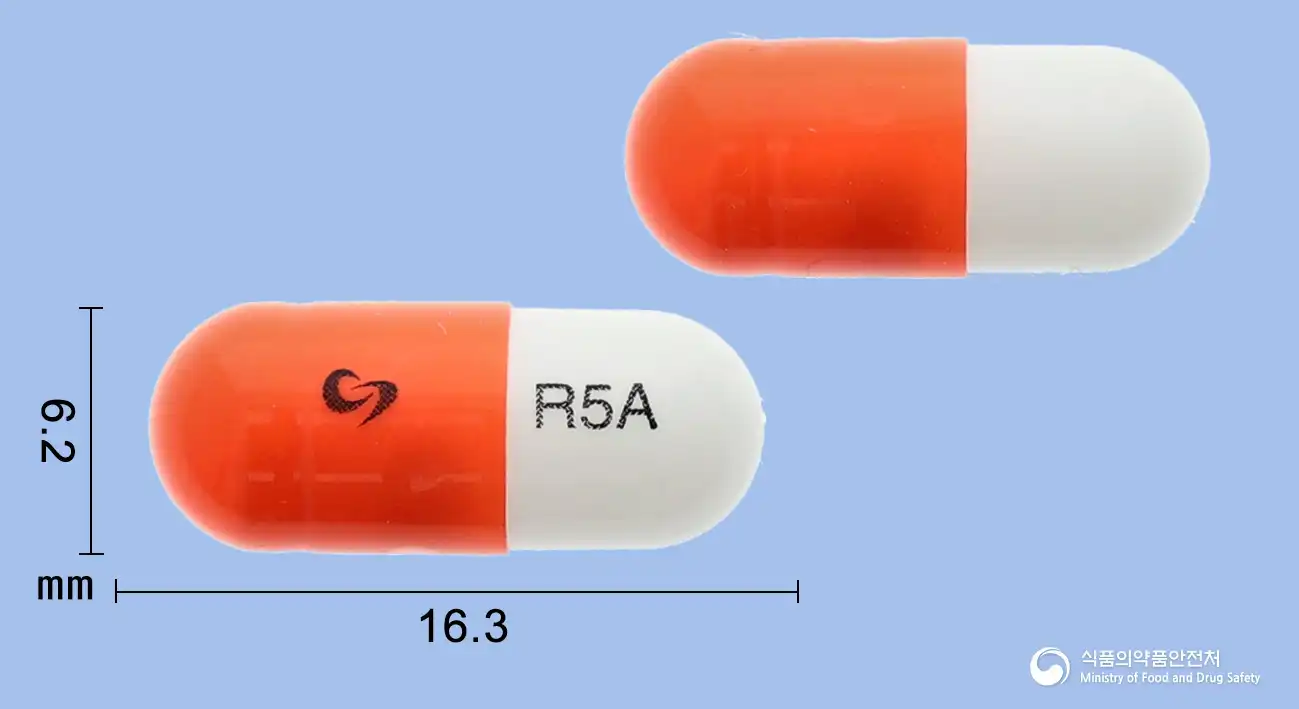 Combination
Rabeprazole Sodium 5mg · Aspirin 100mg
Hard capsule · Prescription medication · Combination
Dongguang Pharmaceutical Co., Ltd.
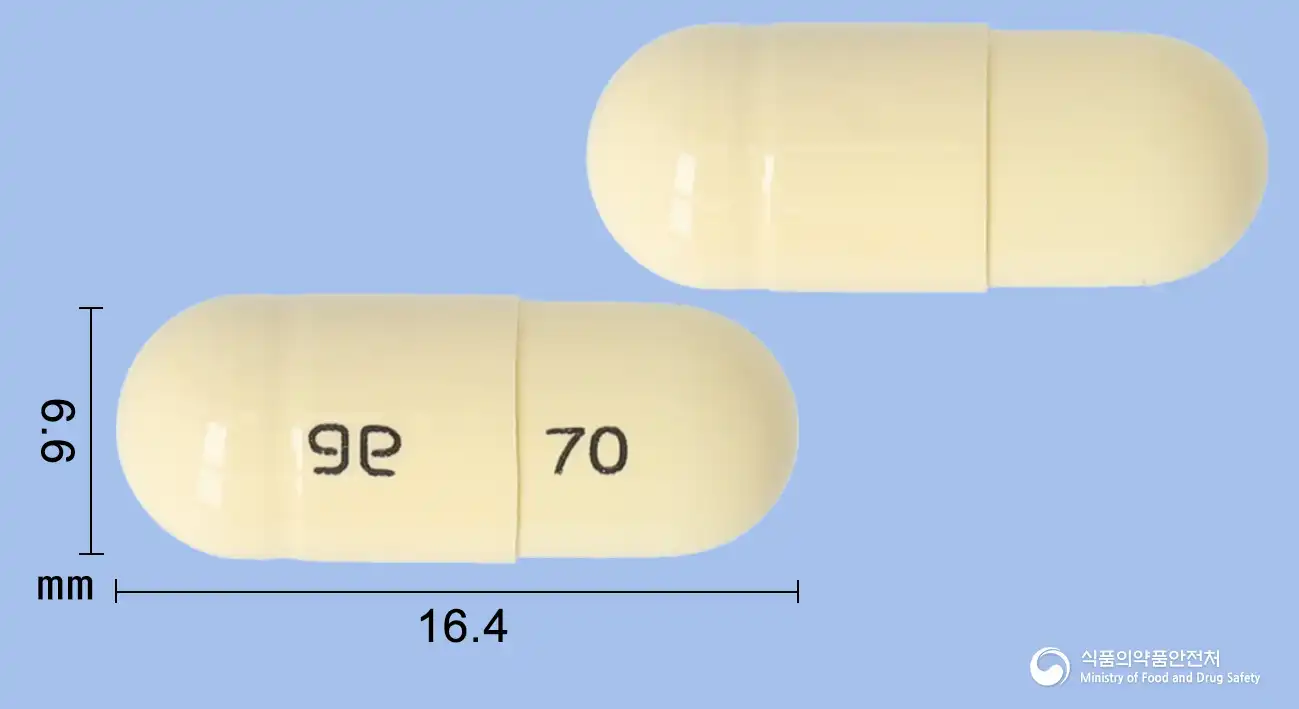 Combination
Rabeprazole Sodium 5mg · Aspirin 100mg
Hard capsule · Prescription medication · Combination
GL Pharma Co., Ltd.
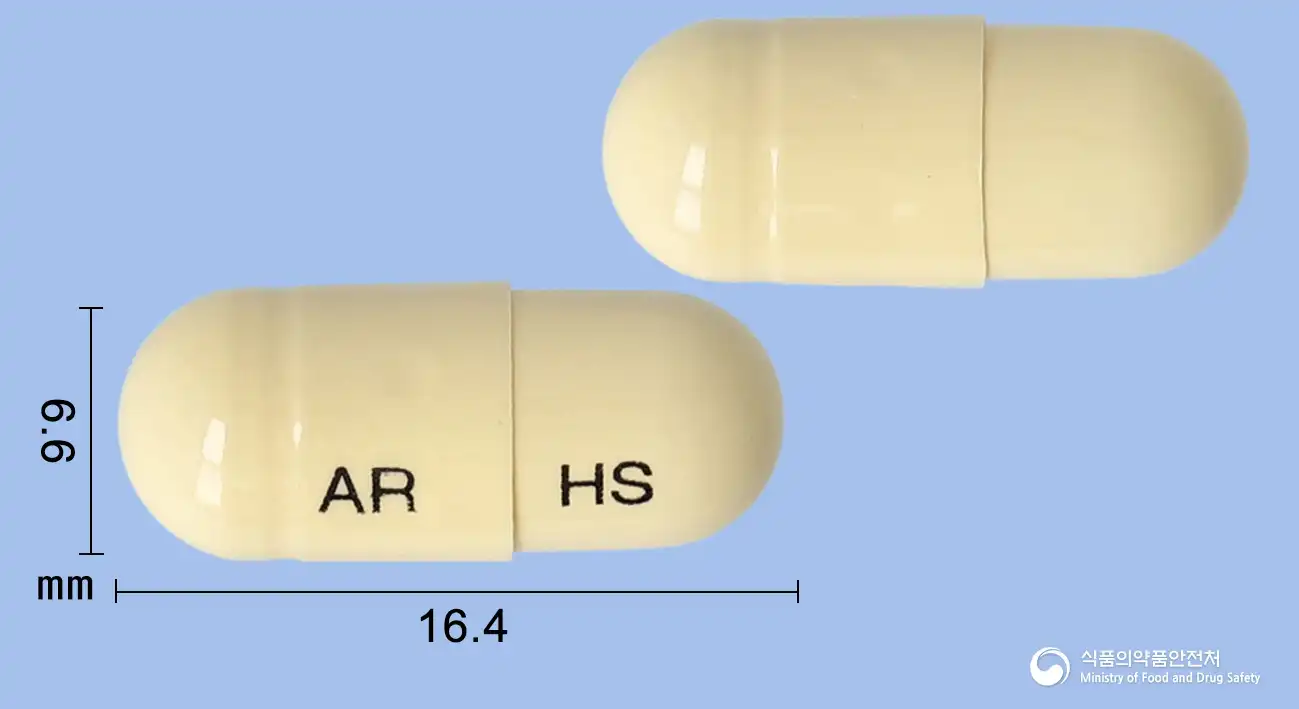 Combination
Rabeprazole Sodium 5mg · Aspirin 100mg
Hard capsule · Prescription medication · Combination
Huons Co., Ltd.
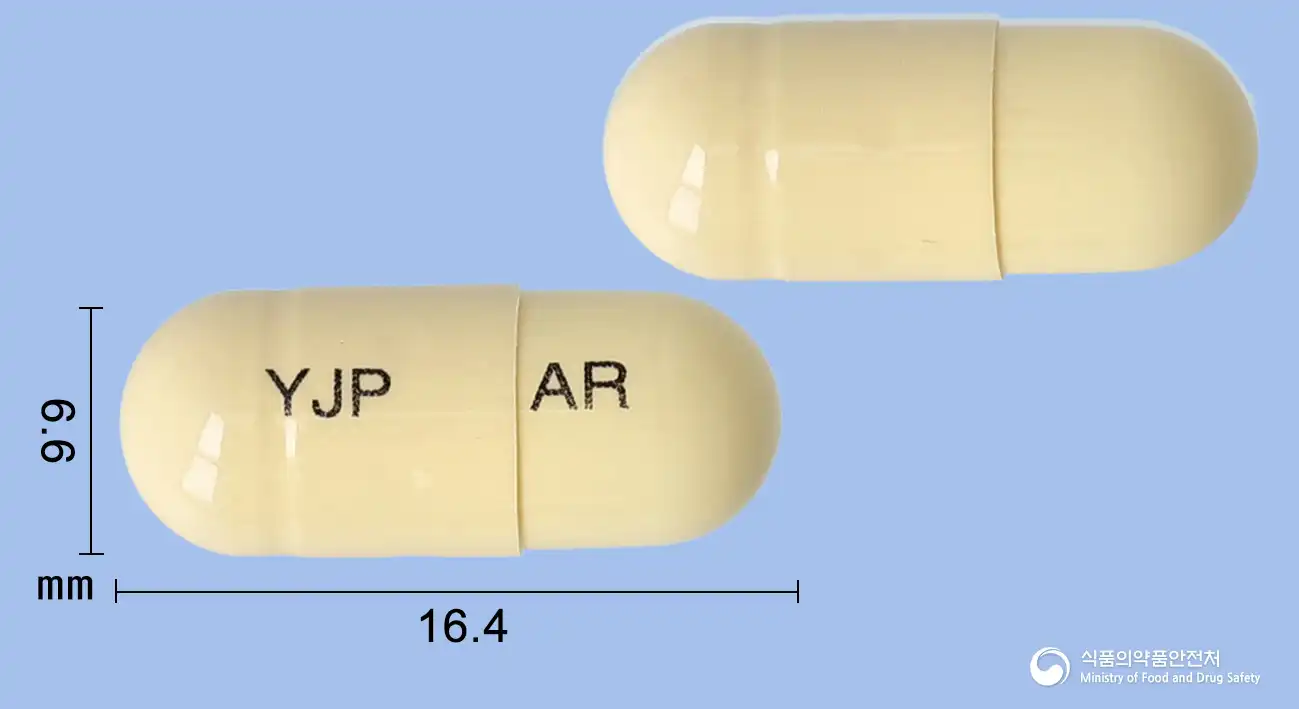 Combination
Rabeprazole Sodium 5mg · Aspirin 100mg
Hard capsule · Prescription medication · Combination
Youngjin Pharmaceutical Co., Ltd.
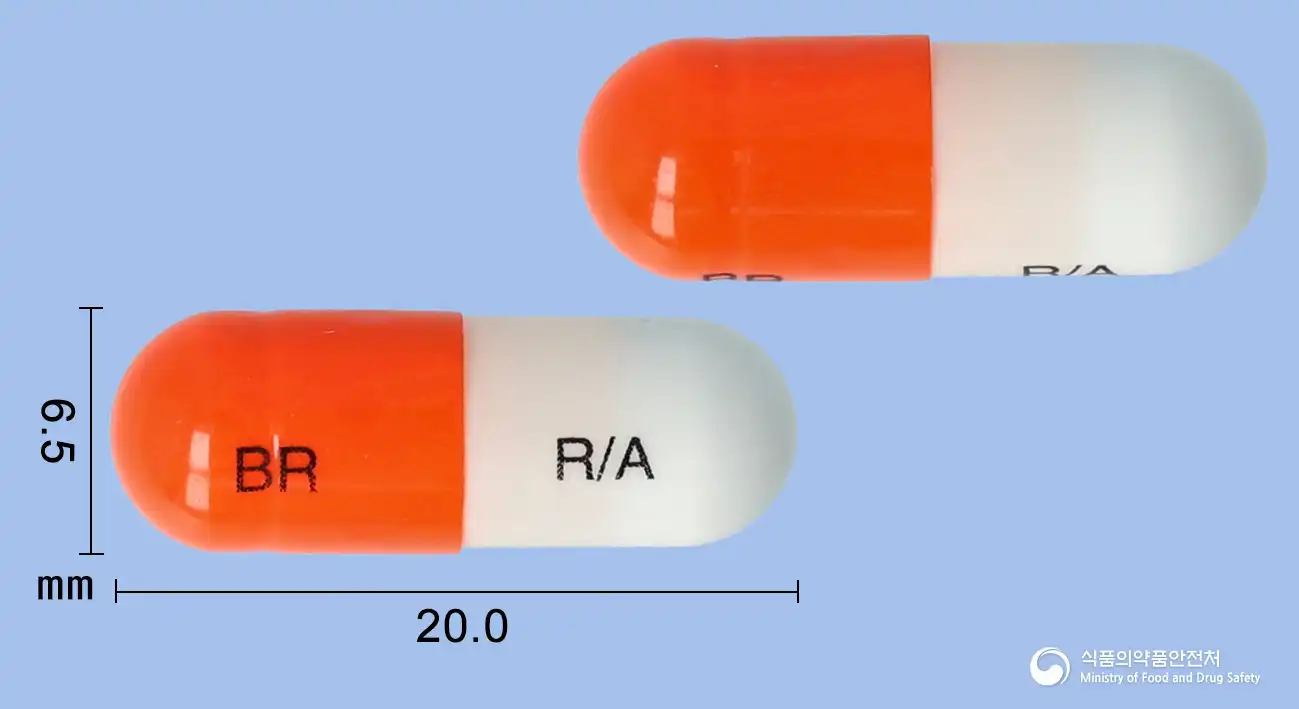 Combination
Rabeprazole Sodium 5mg · Aspirin 100mg
Hard capsule · Prescription medication · Combination
Boryung Pharmaceuticals Co., Ltd.
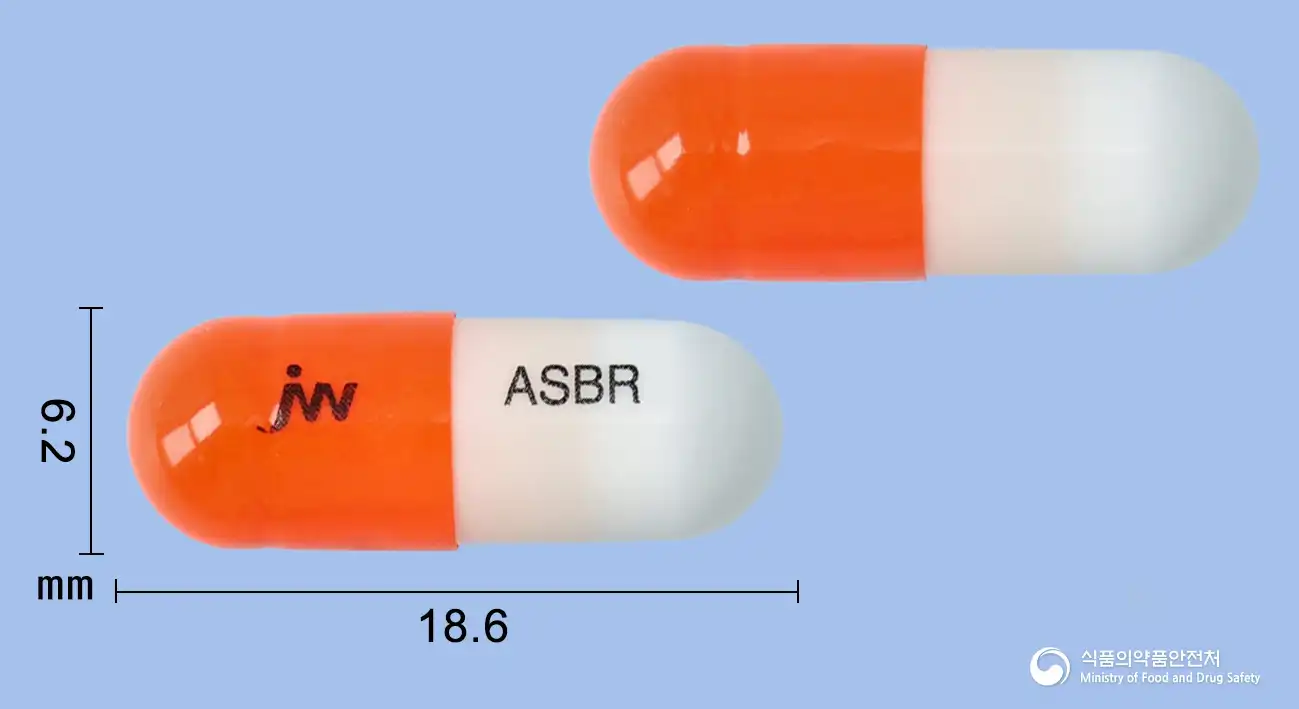 Combination
Rabeprazole Sodium 5mg · Aspirin 100mg
Hard capsule · Prescription medication · Combination
JW Pharmaceutical Corporation
Even with the same ingredient, the dose and directions can differ by strength and dosage form. Talk to a doctor or pharmacist before switching from a medication you are already taking.
No questions yet.
For anything that needs medical judgment, consult a doctor or pharmacist.
This drug information is based on data provided by the Korea Ministry of Food and Drug Safety.
Consult a doctor or pharmacist for accurate dosage, administration, and usage instructions.