
 한국어
한국어 English
 日本語
日本語 中文(简体)
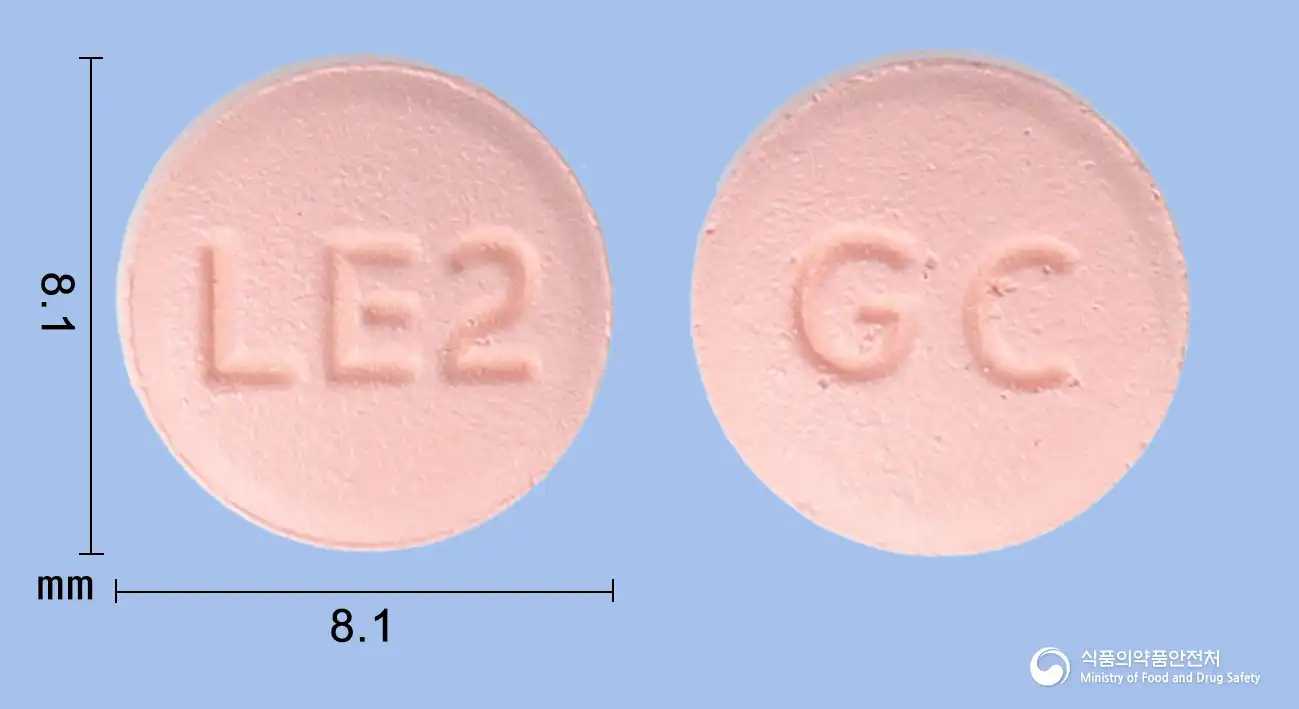 Viewing nowCombination
Rina Empa Tablet 25/5mg (Empagliflozin, Linagliptin)
Linagliptin Micronized 5mg · Empagliflozin 25mg
Tablet · Prescription medication · Combination
(Co., Ltd.) Green Cross
MFDS item code 202402281 · Approved 2024.09.23
Improvement in blood sugar control in type 2 diabetes
This medication is used to help control blood sugar levels in patients with type 2 diabetes by combining Empagliflozin and Linagliptin. It is an adjunct to diet and exercise to help manage blood sugar more effectively. This can improve blood sugar levels and assist in diabetes treatment.
The recommended starting dose of this medication is Empagliflozin 10 mg/Linagliptin 5 mg once daily. If the patient tolerates Empagliflozin 10 mg/Linagliptin 5 mg and requires further blood sugar control, the dose can be increased to 25/5 mg once daily. This medication can be taken regardless of meals and should be swallowed whole. If a dose is missed, take it as soon as remembered.
This medication contains two ingredients, Empagliflozin and Linagliptin, for the treatment of diabetes. It is important not to use this medication in certain patients. For example, it should not be administered to individuals with allergies to its ingredients, patients with type 1 diabetes, diabetic ketoacidosis, or those undergoing dialysis. Patients with impaired kidney function may experience reduced effectiveness from this medication, thus regular kidney function tests are recommended before and during treatment. In patients with mild to moderate heart failure, caution is advised, and it is not recommended for patients with severe heart failure. During treatment with this medication, rare skin conditions such as acute pancreatitis or blistering similar to bullous pemphigoid may occur; if such symptoms appear, discontinue use immediately and consult a physician. The most common side effect is urinary tract infection, with rare occurrences of hypoglycemia, pancreatitis, and allergic reactions. This medication may increase the risk of hypoglycemia, especially when taken with other medications that lower blood sugar, such as insulin or sulfonylureas. Additionally, in patients who are dehydrated or have low blood pressure, particularly seniors aged over 75, there is a risk of dehydration or hypotension, thus it should be used cautiously. This medication can rarely cause serious infections like Fournier’s gangrene in diabetes patients; if pain, swelling, or fever around the genital area occurs, immediate medical attention is necessary. Women who are pregnant or breastfeeding should avoid using this medication, particularly during breastfeeding as it may transfer to the infant through breast milk, and discontinuing breastfeeding is recommended. This medication is not indicated for children under 18 years of age as safety and efficacy have not been established. In the case of overdose, treatment to remove the unabsorbed medication from the gastrointestinal tract is required, and there are no specific antidotes; immediate medical care is necessary. Finally, it is important to keep this medication out of reach of children and store it in its original container to maintain quality.
Hives, angioedema, ketoacidosis, pancreatitis, blistering similar to bullous pemphigoid, Fournier's gangrene, urosepsis, pyelonephritis, severe swelling, acute kidney injury, end-stage kidney disease, jaundice, liver abnormalities, sudden and severe headaches, thunderclap headache, seizures, confusion, visual disturbances, paralysis, shortness of breath or difficulty breathing, asthma attacks, respiratory difficulties accompanied by cough and fever, chest tightness, cardiac arrest, congestive heart failure, urgent
Not everyone experiences these, and they can vary from person to person.
This medication should be stored in a tightly closed container to avoid exposure to air and moisture. It is important to maintain the storage temperature between 1 degree and 30 degrees Celsius.
Pale pink round film-coated tablet
PTP - 30 tablets/box [(10 tablets/PTP x 3)], bottle - 30 tablets/bottle, bottle - 100 tablets/bottle
Even with the same ingredient, strength, dosage form and how it is taken can differ.
Viewing nowCombinationLinagliptin Micronized 5mg · Empagliflozin 25mg
Tablet · Prescription medication · Combination
(Co., Ltd.) Green Cross
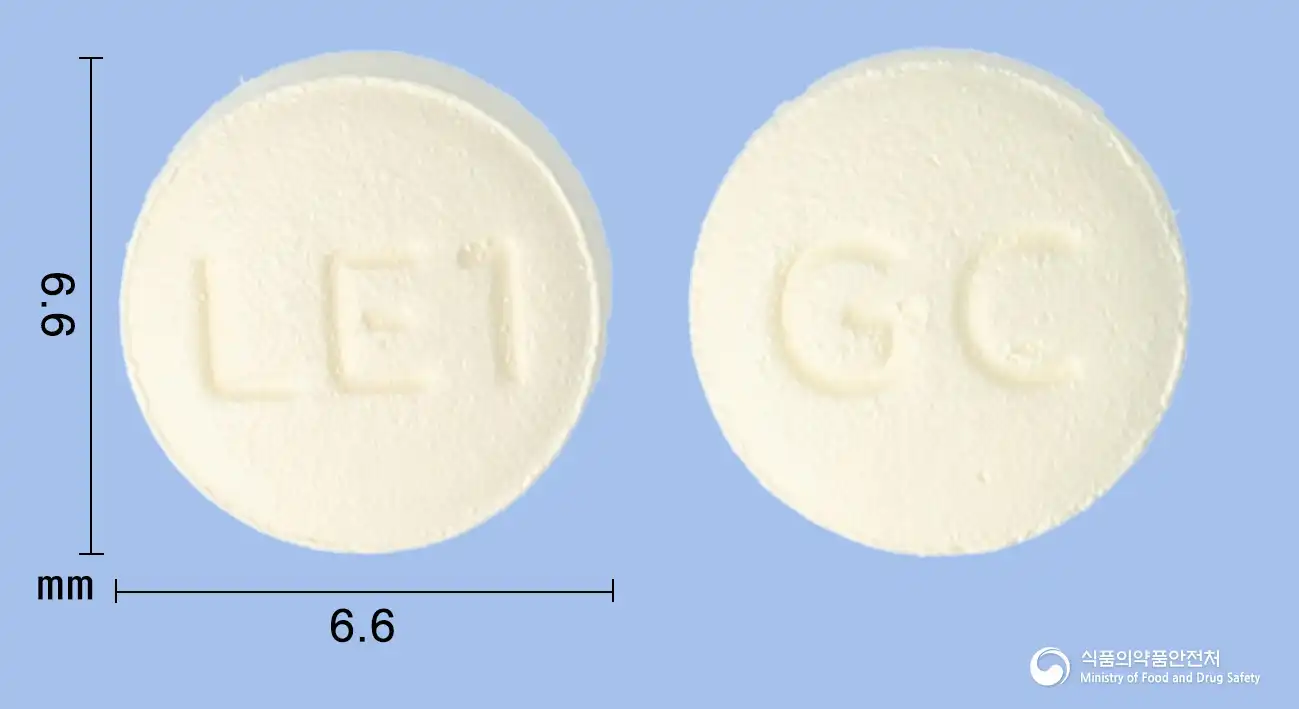 Combination
Linagliptin Micronized 5mg · Empagliflozin 10mg
Tablet · Prescription medication · Combination
Green Cross Corporation
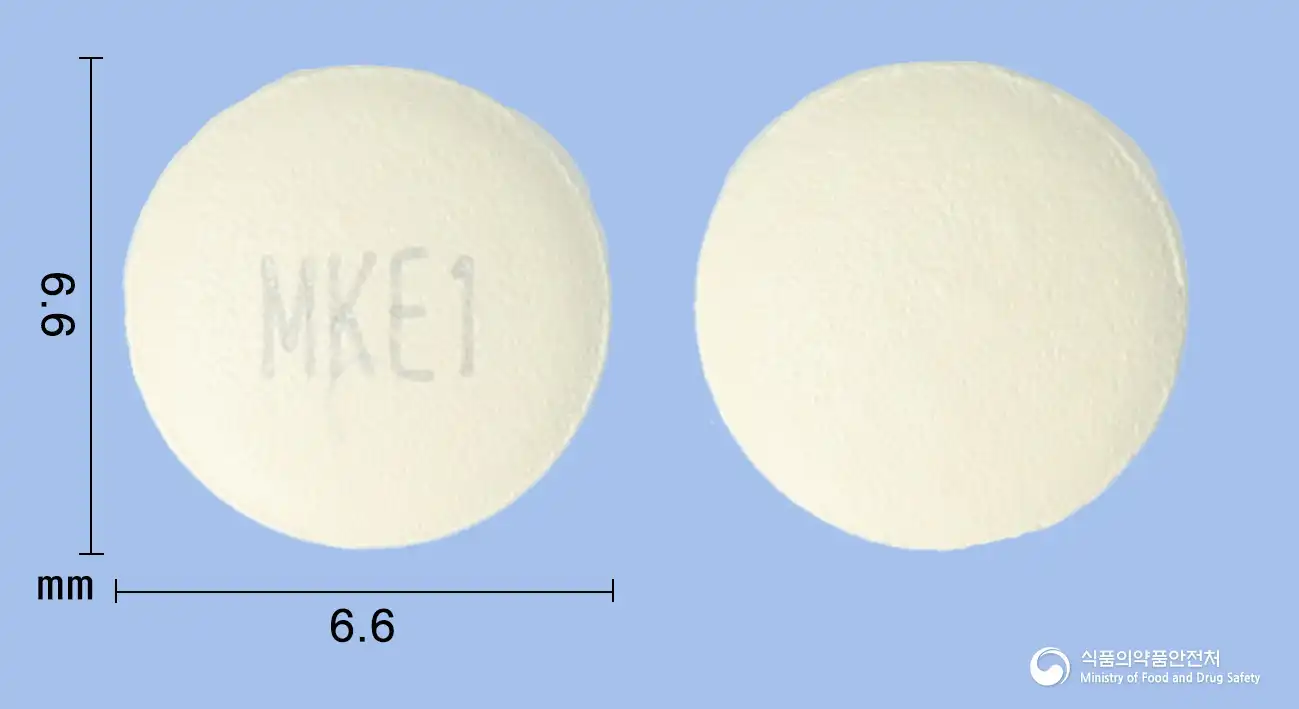 Combination
Empagliflozin 10mg · Linagliptin Micronized 5mg
Tablet · Prescription medication · Combination
Medica Korea Co., Ltd.
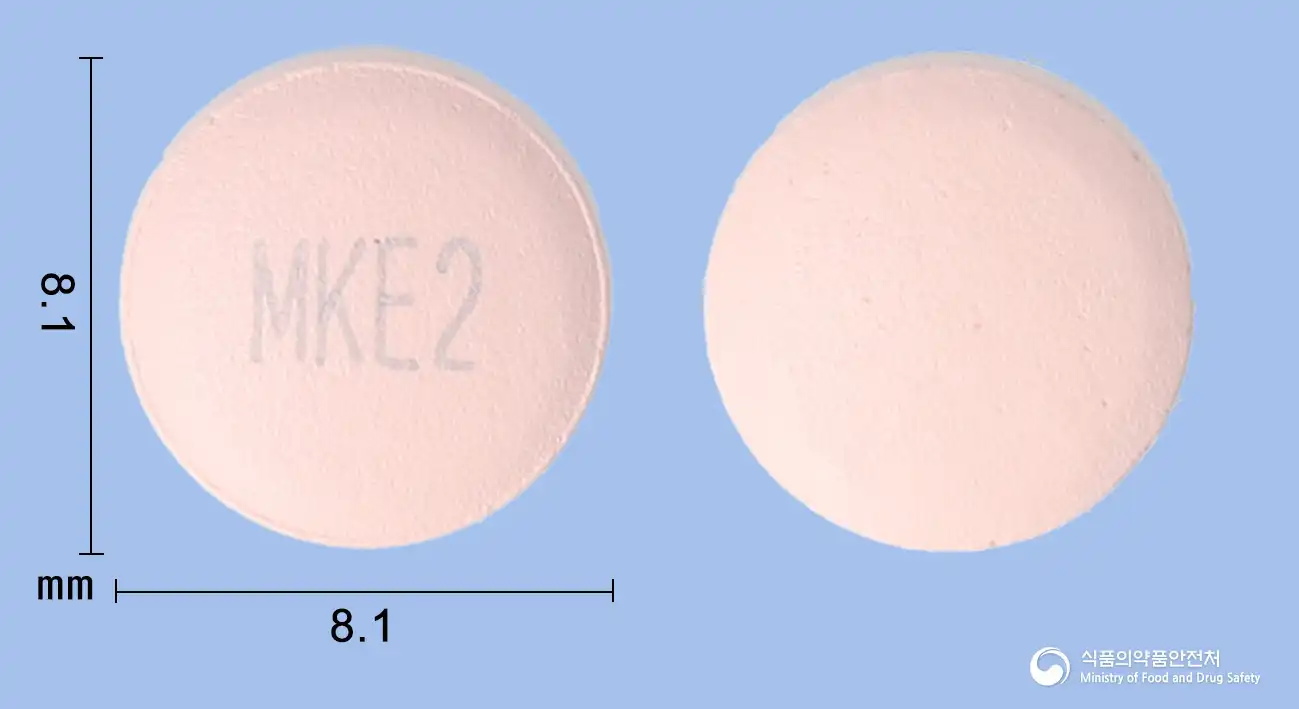 Combination
Empagliflozin 25mg · Linagliptin Micronized 5mg
Tablet · Prescription medication · Combination
Medica Korea Co., Ltd.
Empagliflozin 10mg · Linagliptin Micronized 5mg
Tablet · Prescription medication · Combination
Cheil Pharmaceutical Co., Ltd.
Empagliflozin 25mg · Linagliptin Micronized 5mg
Tablet · Prescription medication · Combination
Jeil Pharmaceutical Co., Ltd.
Even with the same ingredient, the dose and directions can differ by strength and dosage form. Talk to a doctor or pharmacist before switching from a medication you are already taking.
No questions yet.
For anything that needs medical judgment, consult a doctor or pharmacist.
This drug information is based on data provided by the Korea Ministry of Food and Drug Safety.
Consult a doctor or pharmacist for accurate dosage, administration, and usage instructions.