
 한국어
 English
 日本語
 中文(简体)
 Viewing now
Sami-Gorin Tablet 10 mg (Nisergoline)
Nicergoline 10mg
Tablet · Prescription medication
Dongkuk Pharmaceutical Co., Ltd.
MFDS item code 202401916 · Approved 2024.08.06 · Insurance code 653405810
Improvement of decreased motivation after cerebral infarction, adjunctive treatment of hypertension, and relief of atherosclerotic headaches in older adults
This medication helps improve decreased motivation occurring in chronic cerebrovascular disorders due to sequelae of cerebral infarction, and alleviates atherosclerotic headaches in the elderly. Additionally, it contributes to blood pressure management when used as an adjunct in hypertension treatment. It is used to effectively act on various symptoms and improve health conditions.
Adults: Administer 5 ∼ 10 mg of nicergoline orally 3 times daily before meals. Adjust the dose as appropriate according to symptoms.
This medication should not be used in certain patients. For example, individuals allergic to this medication or ergot alkaloids, those with acute myocardial infarction or acute hemorrhage, should not be administered this medication. Also, it should not be used in patients with significantly slow heart rates, those who have not achieved hemostasis after intracranial bleeding, or patients with orthostatic dysregulation. Patients with mild bradycardia or impaired renal function should be more cautious when using this medication. When taking this medication, there may be rare occurrences of symptoms such as dyspepsia, diarrhea, constipation, nausea, vomiting, abdominal pain, and dry mouth. Rare side effects can also include elevated liver function tests, dizziness, changes in blood pressure, drowsiness, headaches, and insomnia. Furthermore, attention should be paid to the possibility of allergic reactions such as skin rashes or itching. If taken with other antihypertensive drugs, blood pressure may decrease further, so it is important to check blood pressure frequently. It may affect uric acid levels, so patients with gout or hyperuricemia should use it cautiously. After taking this medication, caution is required when driving or operating machinery. Since this medication is metabolized in the liver, interactions may occur if taken with other drugs that impact liver metabolism. Women who are pregnant or may become pregnant should use this medication cautiously under the guidance of a physician, as it may be harmful to the fetus. During breastfeeding, this medication may be secreted in breast milk; therefore, it should be avoided if possible, and if unavoidable, breastfeeding should be discontinued. Elderly individuals may have reduced physiological functions, so caution is needed regarding dosage when using this medication. The safety in children has not yet been established, so caution should be exercised in its use. Overdosage may lead to temporary drops in blood pressure, thus careful observation of blood pressure changes is required and necessary actions should be taken. This medication should be kept out of the reach of children, and stored securely in its original container with the lid tightly closed.
Not everyone experiences these, and they can vary from person to person.
This medication should be stored in a sealed container to prevent exposure to air and moisture, ideally at room temperature between 1°C and 30°C. Proper storage helps to maintain the medication's efficacy and prevent deterioration.
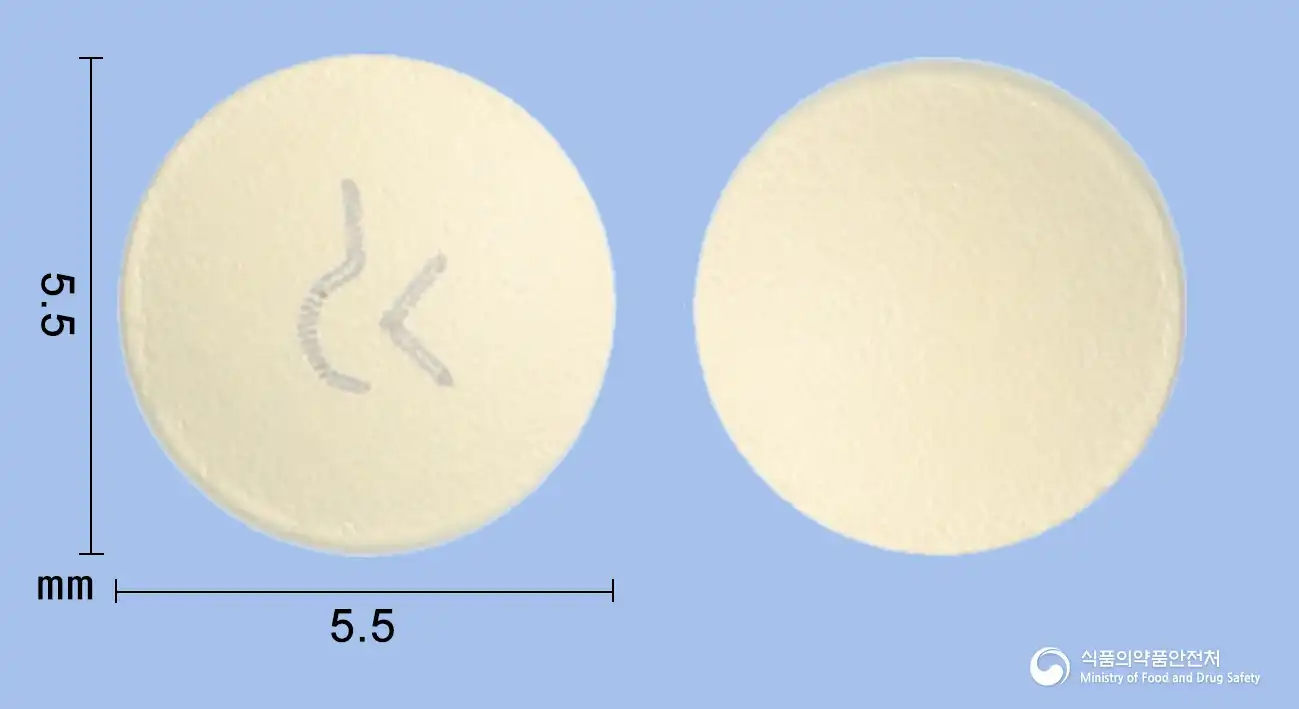
Yellow round film-coated tablets
30 tablets/bottle, 100 tablets/bottle
Even with the same ingredient, strength, dosage form and how it is taken can differ.
Viewing nowNicergoline 10mg
Tablet · Prescription medication
Dongkuk Pharmaceutical Co., Ltd.
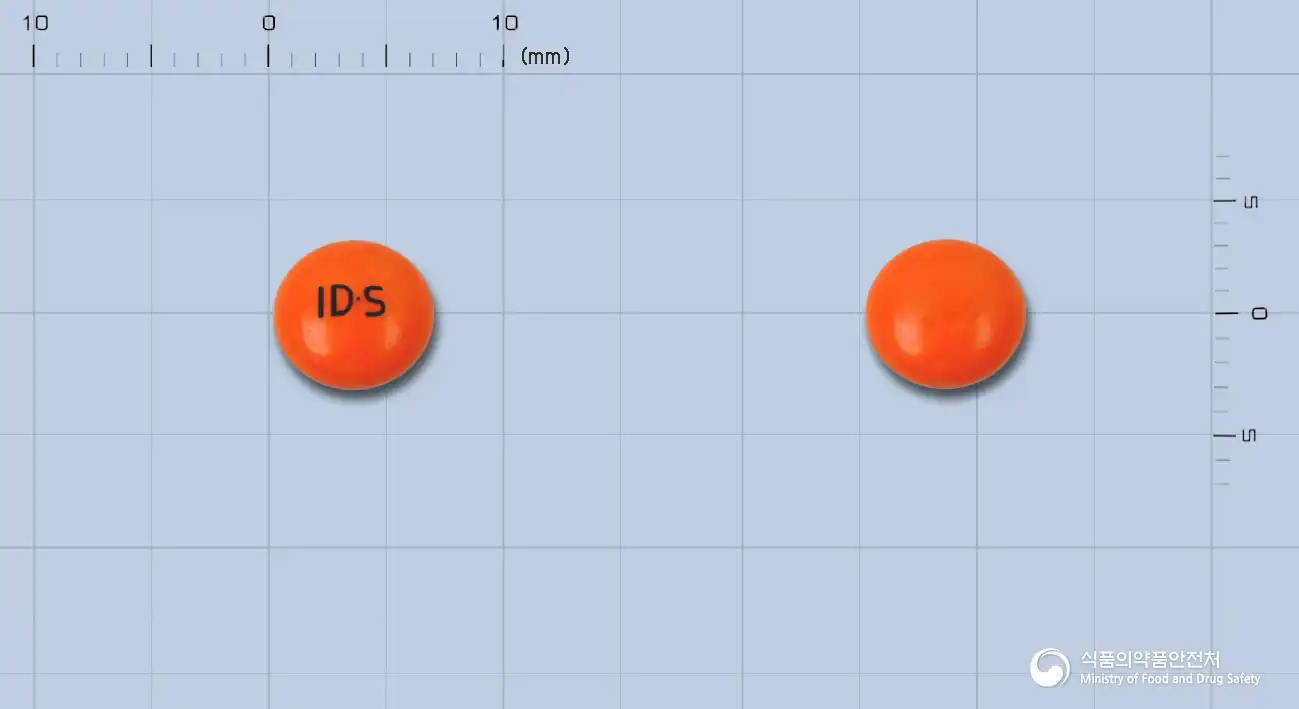
Nicergoline 5mg
Prescription medication
IlDong Pharmaceutical Co., Ltd.
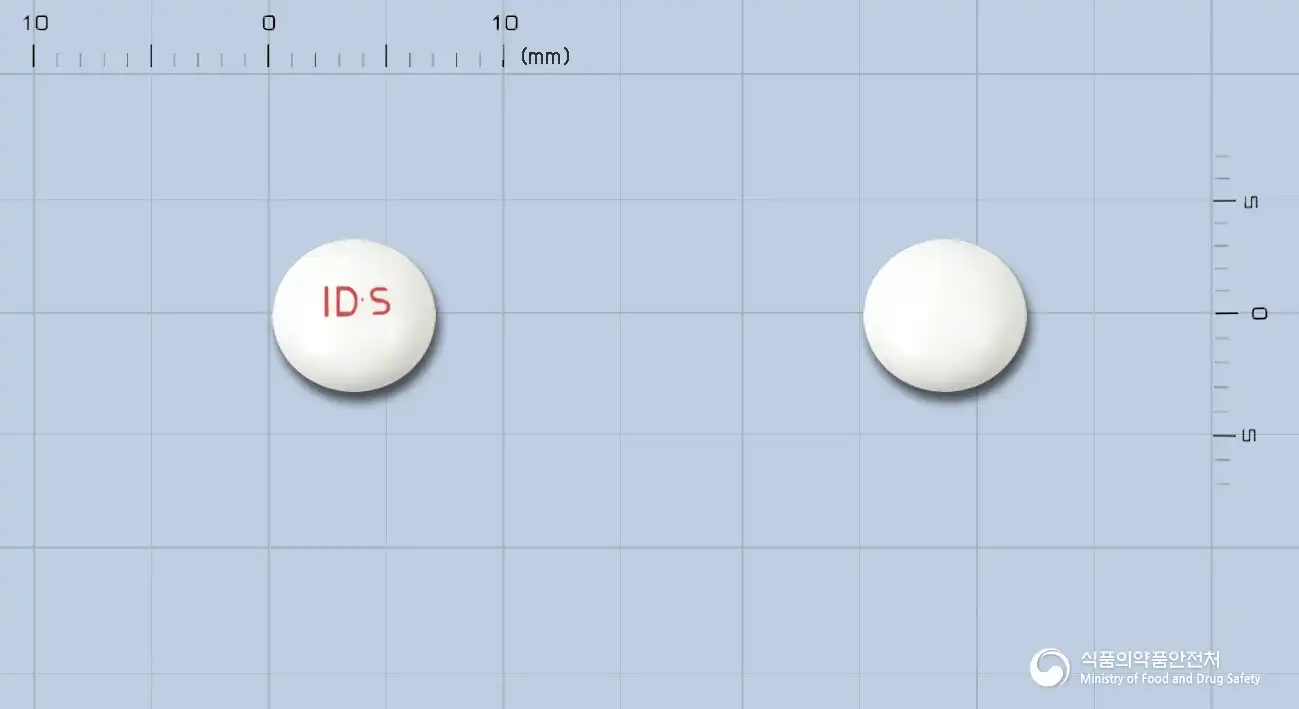
Nicergoline 10mg
Prescription medication
IlDong Pharmaceutical Co., Ltd.
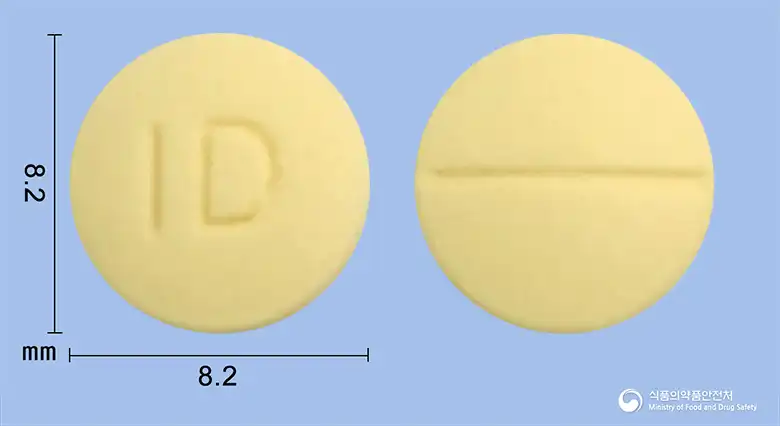
Nicergoline 30mg
Tablet · Prescription medication
Il Dong Pharmaceutical Co., Ltd.
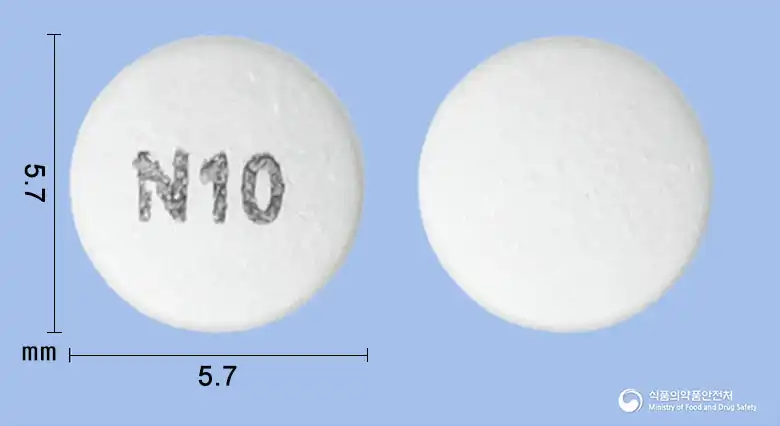
Nicergoline 10mg
Prescription medication
Hanmi Pharmaceutical Co., Ltd.
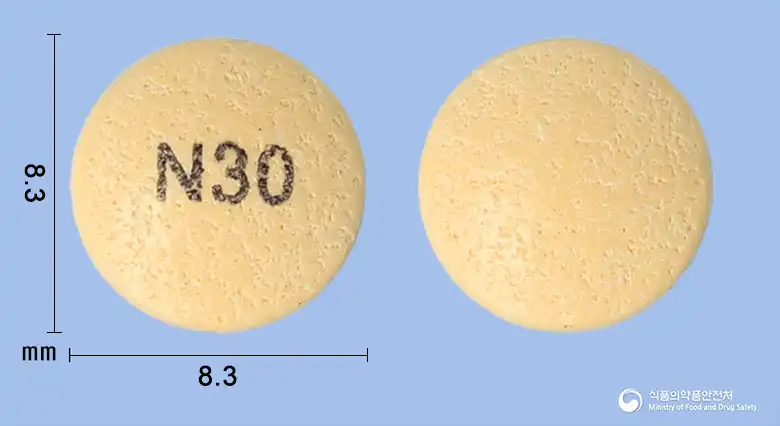
Nicergoline 30mg
Prescription medication
Hanmi Pharmaceutical Co., Ltd.
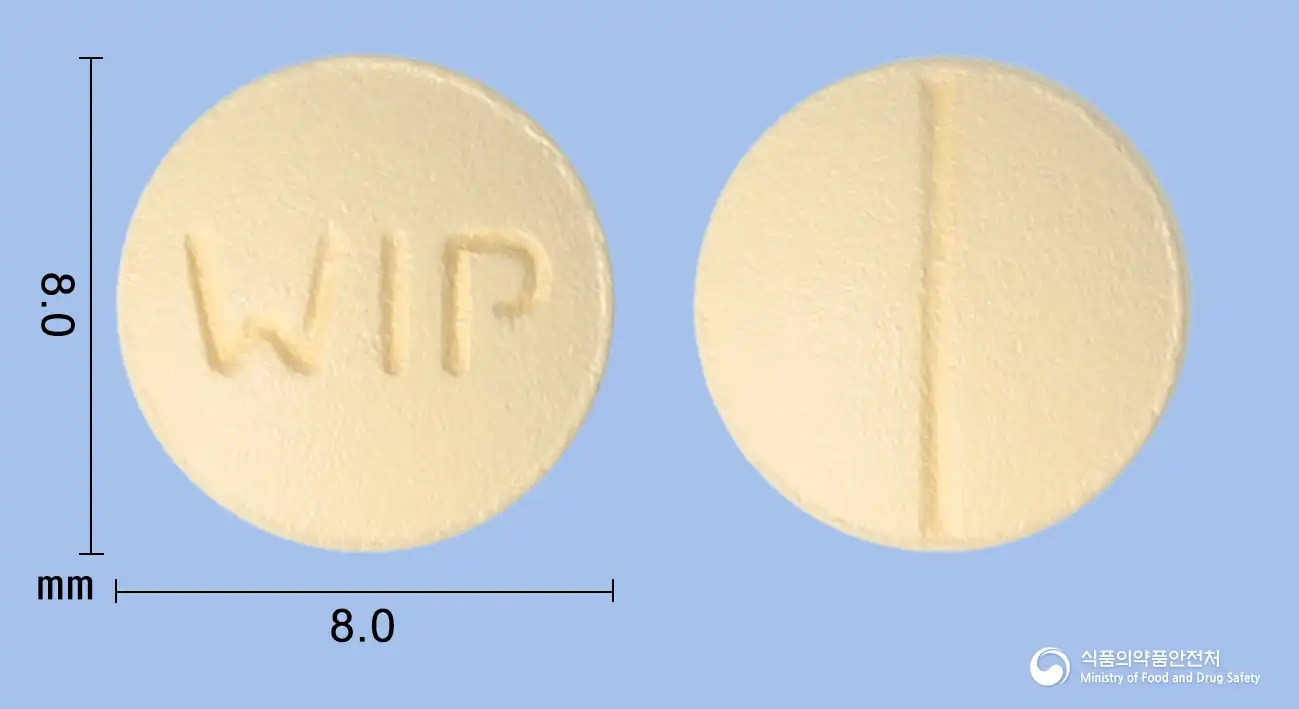
Nicergoline 30mg
Tablet · Prescription medication
Hwanin Pharmaceutical Co., Ltd.
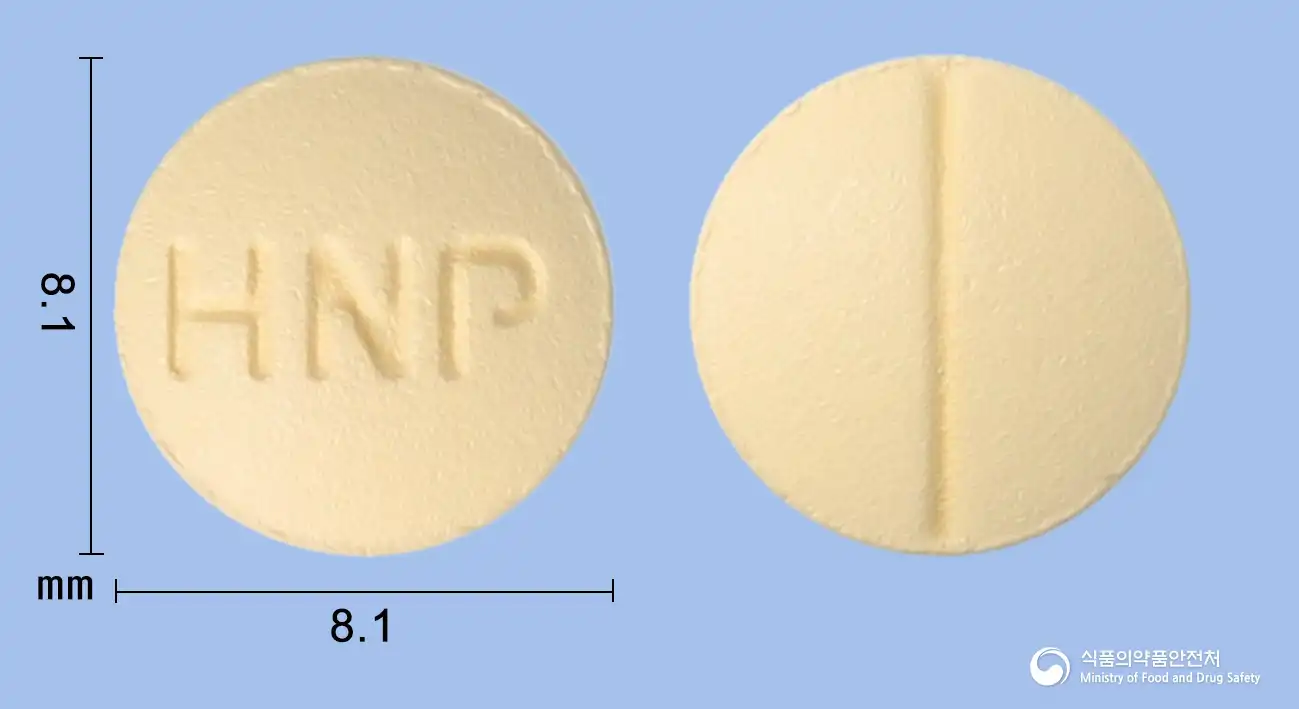
Nicergoline 30mg
Tablet · Prescription medication
Hana Pharmaceutical Co., Ltd.
Even with the same ingredient, the dose and directions can differ by strength and dosage form. Talk to a doctor or pharmacist before switching from a medication you are already taking.
No questions yet.
For anything that needs medical judgment, consult a doctor or pharmacist.
This drug information is based on data provided by the Korea Ministry of Food and Drug Safety.
Consult a doctor or pharmacist for accurate dosage, administration, and usage instructions.