
 한국어
한국어 English
 日本語
日本語 中文(简体)
 Viewing nowCombination
Sitagliptin, Dapagliflozin, Metformin Prolonged-Release Tablets 10/100/1000 mg
Metformin Hydrochloride 1000mg · Sitagliptin Phosphate Hydrate 128.5mg +1 more
Tablet · Prescription medication · Combination
Green Cross Corp.
MFDS item code 202401792 · Approved 2024.07.24 · Insurance code 643606740
Improvement of blood glucose control in type 2 diabetes
This medication helps manage blood glucose levels in patients with type 2 diabetes when used in combination with dapagliflozin, sitagliptin, and metformin. It is more effective when combined with dietary and exercise therapies, helping to manage blood glucose levels stably. This contributes to improved blood glucose control and diabetes management.
Patients taking this medication in 10/100/1000 mg prolonged-release tablet form should take one tablet once daily. Patients taking this medication in 5/50/500 mg, 5/50/750 mg, and 5/50/1000 mg prolonged-release tablets should take two tablets once daily. This medication should be taken once daily in the evening with meals to minimize gastrointestinal side effects associated with metformin hydrochloride, and if dose adjustment is needed,
This medication contains three components used in diabetes treatment: dapagliflozin, sitagliptin, and metformin. First, the sitagliptin component can rarely cause serious allergic reactions, so if symptoms such as skin rash, angioedema, or difficulty breathing occur within three months of administration, treatment should be stopped immediately, and a doctor should be consulted. Additionally, acute pancreatitis may occur, so if symptoms such as abdominal pain, nausea, or vomiting arise, seek medical attention promptly. The metformin component may rarely cause a serious metabolic disorder known as lactic acidosis, which should not be used in patients with diminished kidney function or poor liver function. Symptoms of lactic acidosis include fatigue, muscle pain, difficulty breathing, and abdominal pain; if such symptoms occur, immediate medical attention should be sought. This medication should not be used in patients with moderate to severe renal impairment, dehydration, severe infections, cardiovascular collapse, acute myocardial infarction, sepsis, or other acute conditions that can affect renal function. Also, this medication should be discontinued for a specified period before and after tests involving iodinated contrast agents and should only be resumed after kidney function is confirmed to be normal. This medication carries a risk of decreased fluid volume and hypotension; therefore, patients, especially the elderly or those on diuretics, should be thoroughly assessed for fluid status and renal function before taking it, and blood pressure symptoms and renal function should be regularly monitored during treatment. Also, while taking this medication, genital infections or urinary tract infections may occur, and symptomatic treatment should be sought. Rarely, a serious infection known as perineal necrosis may develop, so if there is pain, swelling, or redness around the genital area, inform medical personnel immediately. This medication can cause hypoglycemia, so especially when used in combination with other antihyperglycemic agents, patients should be alert to symptoms of hypoglycemia. Pregnant women, patients with severe liver dysfunction, acute heart failure, type 1 diabetes, or a history of diabetic ketoacidosis should not take this medication. Finally, it is recommended to regularly monitor kidney and liver function during treatment and to periodically check vitamin B12 levels. Patients taking this medication should consult a doctor or pharmacist immediately if any of the aforementioned symptoms or adverse reactions occur.
Not everyone experiences these, and they can vary from person to person.
This medication should be stored in a tightly closed container to prevent exposure to air and moisture, and it is recommended to keep it at room temperature between 1 to 30 degrees Celsius. Storing it this way helps to maintain the medication's efficacy and prevent degradation.
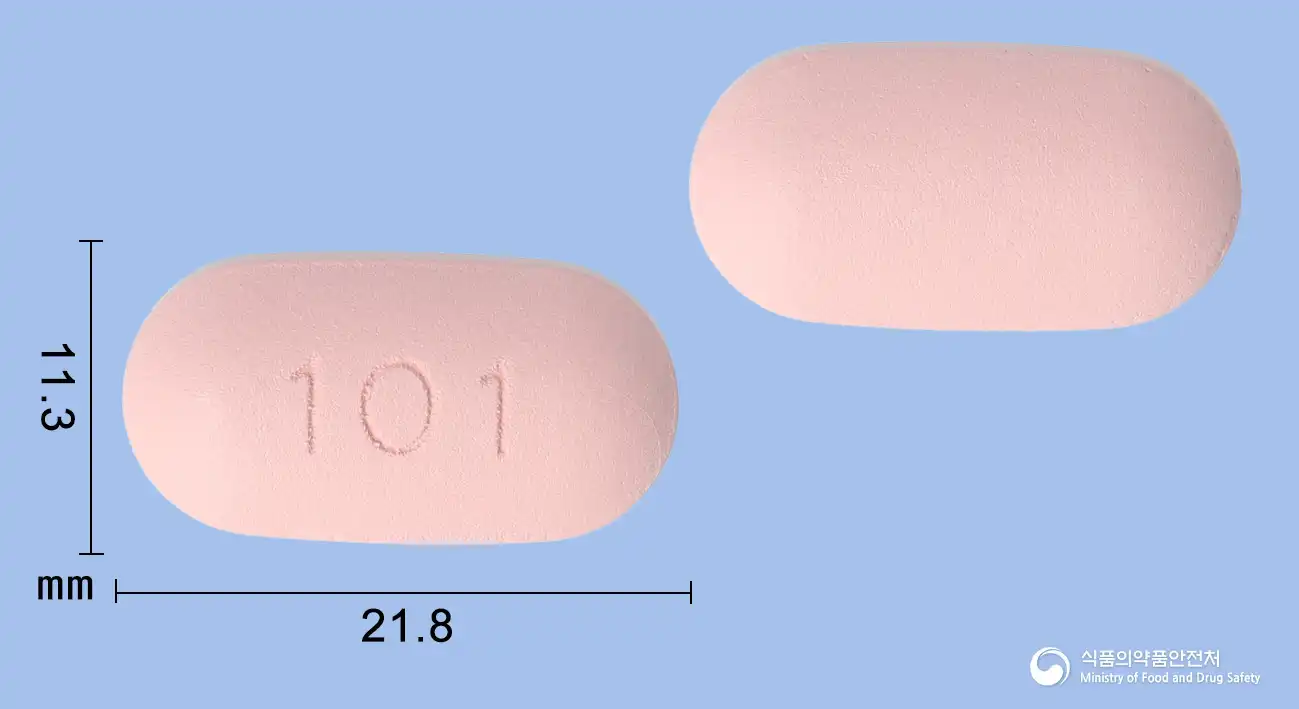
Pink oval-shaped prolonged-release film-coated tablets
30 tablets per bottle
Even with the same ingredient, strength, dosage form and how it is taken can differ.
Viewing nowCombinationMetformin Hydrochloride 1000mg · Sitagliptin Phosphate Hydrate 128.5mg +1 more
Tablet · Prescription medication · Combination
Green Cross Corp.
 Combination
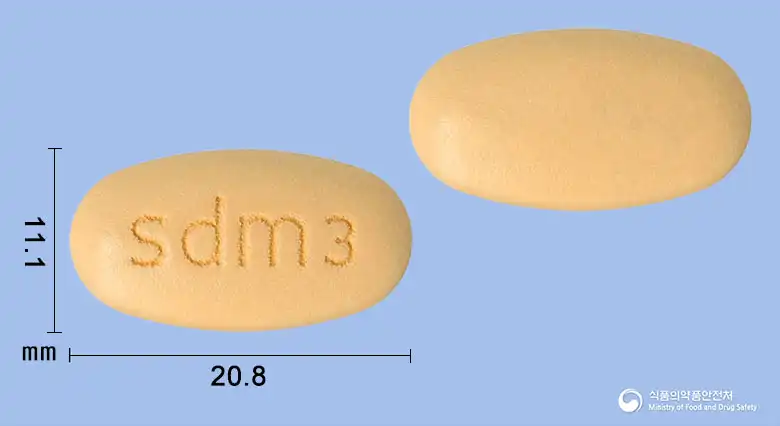
Sitagliptin Phosphate Hydrate 64.3mg · Dapagliflozin Propanediol Hydrate 6.2mg +1 more
Tablet · Prescription medication · Combination
Hanmi Pharmaceutical Co., Ltd.
 Combination
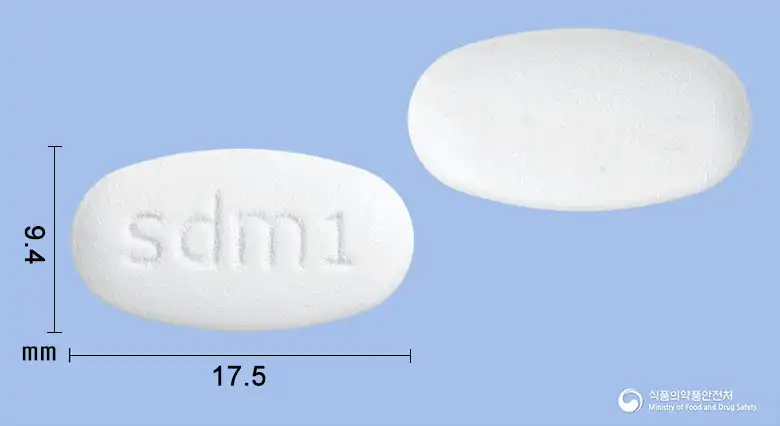
Sitagliptin Phosphate Hydrate 64.3mg · Dapagliflozin Propanediol Hydrate 6.2mg +1 more
Tablet · Prescription medication · Combination
Hanmi Pharmaceutical Co., Ltd.
 Combination
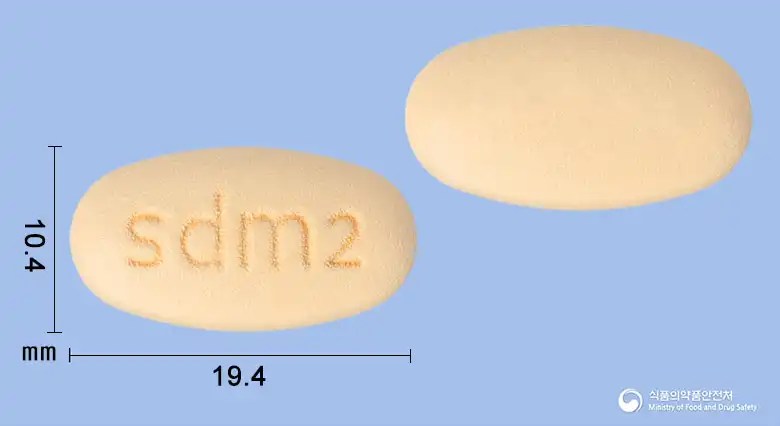
Sitagliptin Phosphate Hydrate 64.3mg · Dapagliflozin Propanediol Hydrate 6.2mg +1 more
Tablet · Prescription medication · Combination
Hanmi Pharmaceutical Co., Ltd.
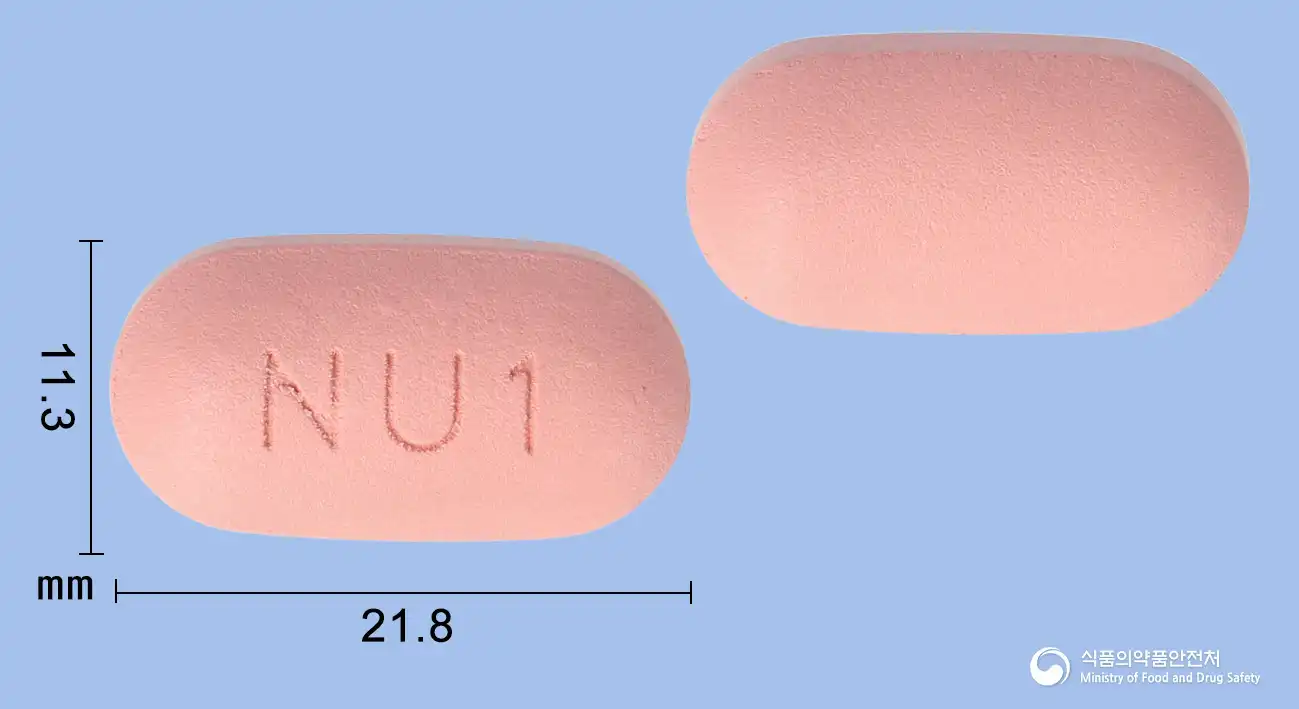 Combination
Metformin Hydrochloride 1000mg · Sitagliptin Phosphate Hydrate 128.5mg +1 more
Tablet · Prescription medication · Combination
Genewon Science Co., Ltd.
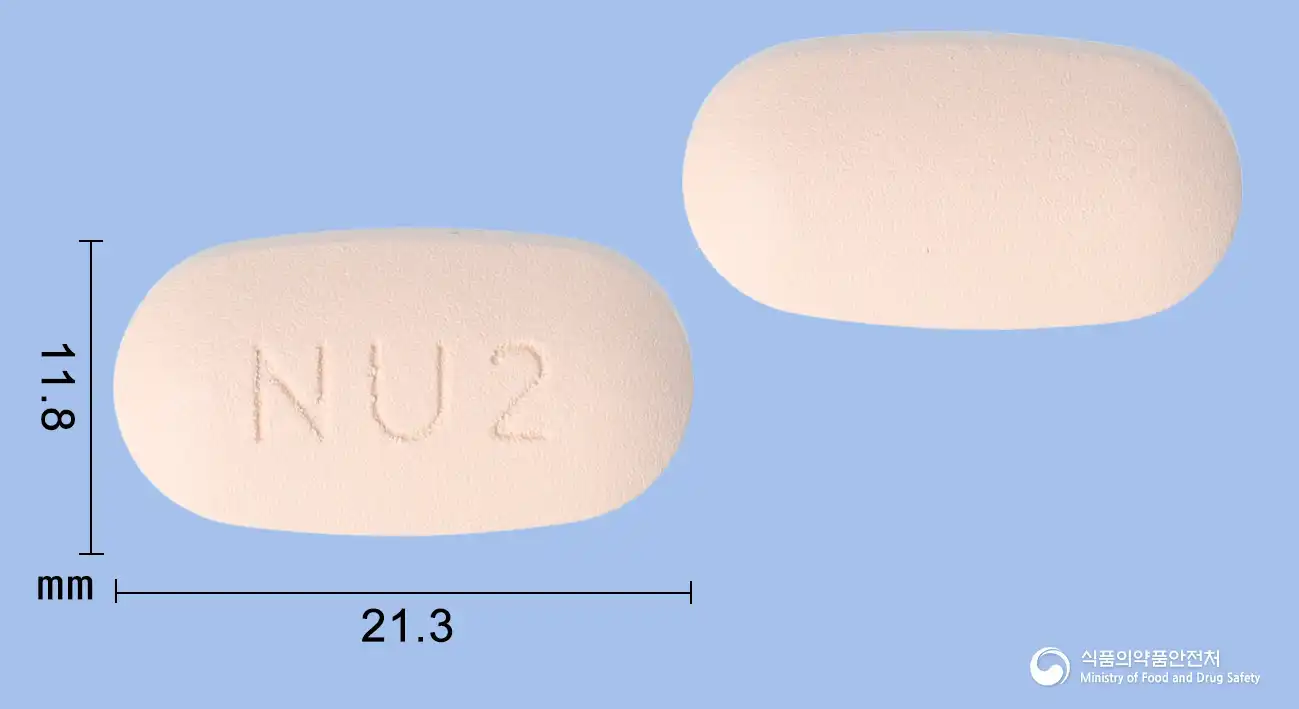 Combination
Metformin Hydrochloride 1000mg · Sitagliptin Phosphate Hydrate 64.25mg +1 more
Tablet · Prescription medication · Combination
Genewon Science Co., Ltd.
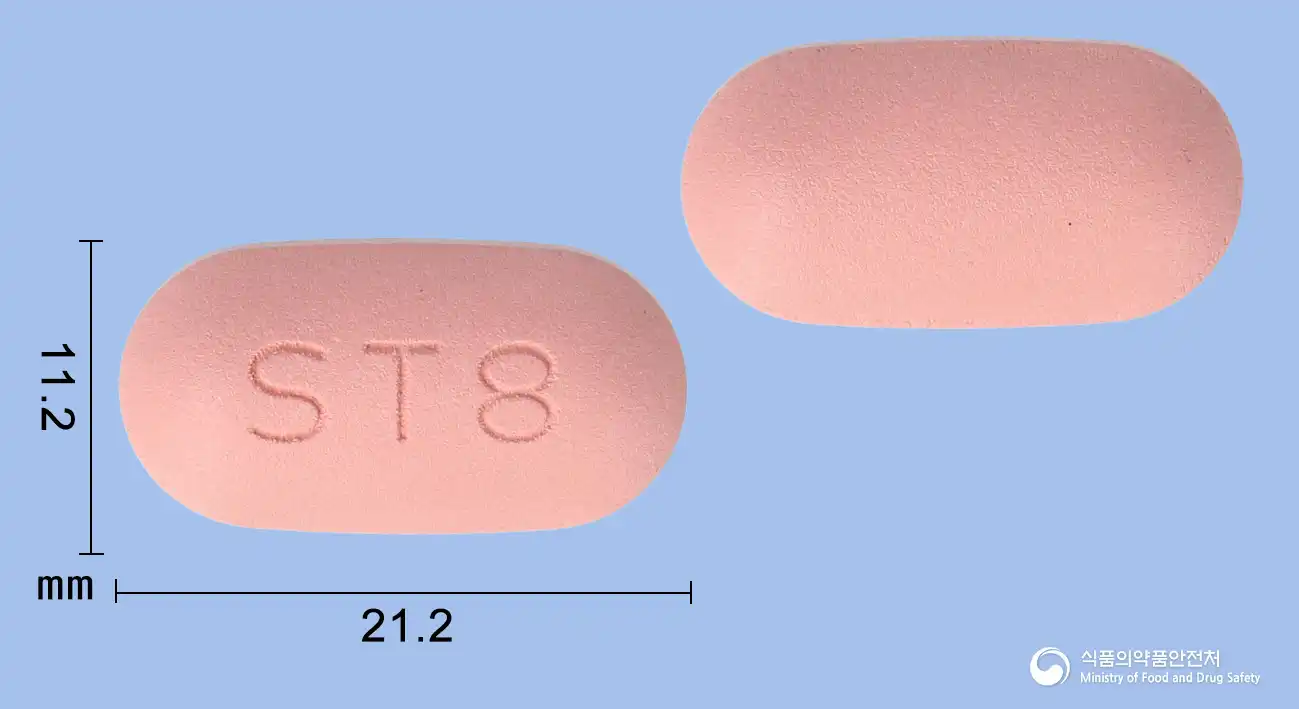 Combination
Metformin Hydrochloride 1000mg · Sitagliptin Phosphate Hydrate 128.5mg +1 more
Tablet · Prescription medication · Combination
Dongkuk Pharmaceutical Co., Ltd.
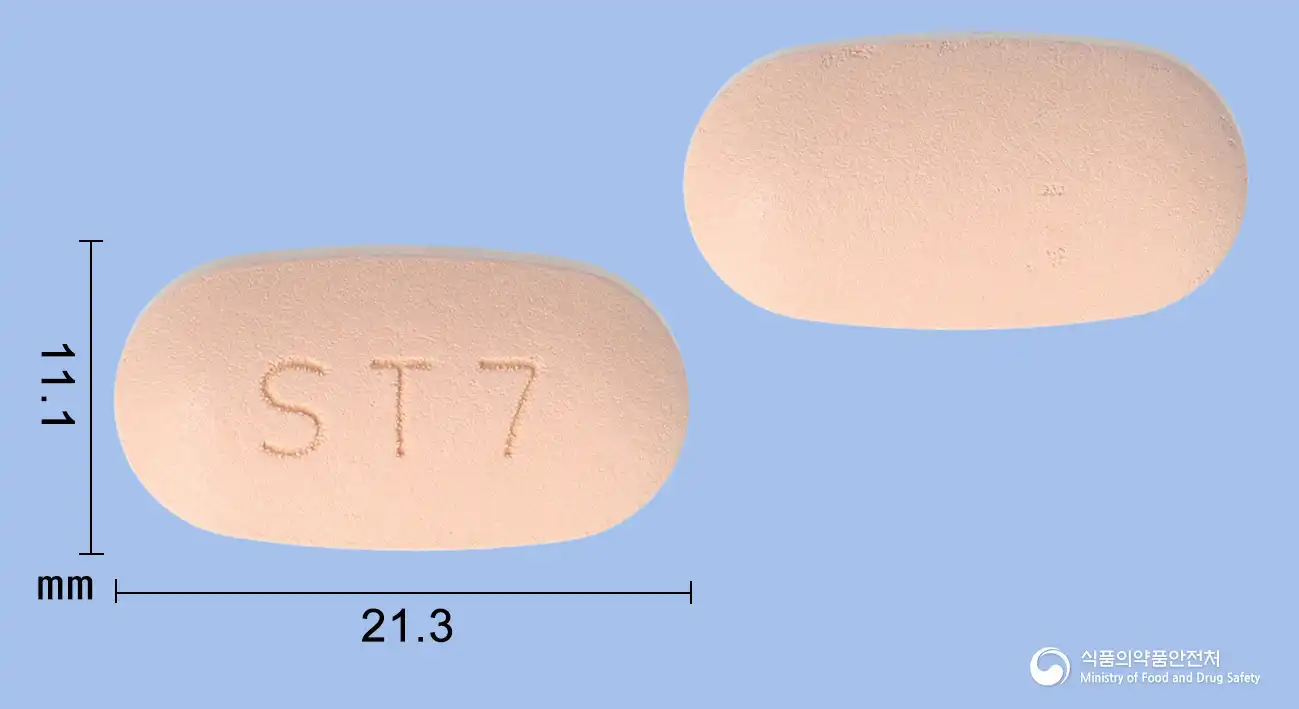 Combination
Metformin Hydrochloride 1000mg · Sitagliptin Phosphate Hydrate 64.25mg +1 more
Tablet · Prescription medication · Combination
Dongkook Pharmaceutical Co., Ltd.
Even with the same ingredient, the dose and directions can differ by strength and dosage form. Talk to a doctor or pharmacist before switching from a medication you are already taking.
No questions yet.
For anything that needs medical judgment, consult a doctor or pharmacist.
This drug information is based on data provided by the Korea Ministry of Food and Drug Safety.
Consult a doctor or pharmacist for accurate dosage, administration, and usage instructions.