
 한국어
 English
 日本語
 中文(简体)
 Viewing nowCombination
Sitagliptin, Dapagliflozin, Metformin Sustained-Release Tablets 5/50/1000 mg
Metformin Hydrochloride 1000mg · Sitagliptin Phosphate Hydrate 64.25mg +1 more
Tablet · Prescription medication · Combination
Green Cross Corp.
MFDS item code 202401791 · Approved 2024.07.24 · Insurance code 643606750
Improvement of blood glucose control in type 2 diabetes
This medication is used in conjunction with diet and exercise to more effectively help patients with type 2 diabetes control their blood sugar levels. The three components, dapagliflozin, sitagliptin, and metformin, act together to help stabilize blood sugar levels. This combination therapy is particularly suitable for cases where blood sugar management is difficult and contributes to the overall health condition of the patient. When combined with consistent medication adherence and lifestyle changes, it shows positive effects in treating diabetes. Therefore, this medication is used to enhance blood sugar control in patients with type 2 diabetes.
For antidiabetic therapy, the recommended dose of this medicine is 10 mg of dapagliflozin and 100 mg of sitagliptin. The dose of extended-release metformin hydrochloride is determined based on each patient's current treatment regimen, efficacy, and tolerability, without exceeding 2000 mg. To reduce gastrointestinal adverse reactions caused by metformin hydrochloride, take this medicine once daily with a meal, preferably in the evening. If the dose of metformin hydrochloride needs to be adjusted, adjust it gradually. Patients taking this 10/100/1000 mg extended-release tablet should take 1 tablet once daily. Patients taking this 5/50/500 mg, 5/50/750 mg, and 5/50/1000 mg extended-release tablet should take 2 tablets once daily. If adequate glycemic control cannot be achieved with combination therapy of metformin hydrochloride and sitagliptin, the starting dose of this medicine should be dapagliflozin 10 mg, sitagliptin 100 mg, and the dose of metformin hydrochloride currently being taken or a therapeutically equivalent dose. For patients switching from combination therapy with dapagliflozin, sitagliptin, and metformin hydrochloride to this medicine, the dose of this medicine should be the previously administered dose of each component. The safety and efficacy of this medicine have not been specifically evaluated in patients switching from another antihyperglycemic agent. Because a change may cause changes in glycemic control, any changes in the treatment of patients with type 2 diabetes should be made under careful monitoring. To maintain the extended-release properties, swallow this medicine whole; do not split, crush, grind, or chew. No dose adjustment is required in patients with mild renal impairment. If the estimated glomerular filtration rate (eGFR) is 45 mL/min/1.73m2 or higher and less than 60 mL/min/1.73m2, this medicine may be used by adjusting the dose of metformin hydrochloride, one of its components, provided the patient tolerates it well and has no other conditions that may increase the risk of lactic acidosis. The starting dose of extended-release metformin hydrochloride is 500 mg or 750 mg once daily; therefore, treatment should not be initiated with this medicine. The maximum daily dose of metformin hydrochloride is 1000 mg. If the estimated glomerular filtration rate (eGFR) falls below 45 mL/min/1.73m2, treatment with this medicine should be discontinued immediately. Renal function should be assessed every 3~6 months.
This medication is used for the treatment of diabetes and requires several precautions during use. First, one of the ingredients in this medication may cause allergic reactions, so if symptoms such as skin rash, itching, or difficulty breathing occur, stop taking the medication immediately and consult a doctor. Second, pancreatitis, a serious inflammation of the pancreas, can occur rarely, so if abdominal pain, vomiting, or fever presents, seek medical attention immediately. Third, some components of this medication are not suitable for patients with reduced kidney function, and in case of diminished renal function, use should be avoided or dosage adjusted under a doctor's guidance. Fourth, the metformin component may rarely cause life-threatening lactic acidosis, particularly in cases of dehydration, severe infection, or heart disease, and symptoms may include lethargy, difficulty in breathing, and abdominal pain. Fifth, this medication can induce hypoglycemia, so caution should be exercised when skipping meals or engaging in excessive exercise, and if hypoglycemic symptoms (dizziness, trembling, cold sweat, etc.) occur, sugars should be consumed immediately. Sixth, patients at risk of fluid volume reduction or hypotension, especially elderly patients or those taking diuretics, should have their blood pressure and fluid status monitored regularly. Seventh, this medication can increase the risk of genital infections and urinary tract infections, so prompt treatment is necessary if infection symptoms appear. Eighth, prior to surgery or imaging examinations with contrast agents, use of this medication must be temporarily suspended, and it should be resumed only after renal function has restored normally. Ninth, patients with liver dysfunction or those who consume alcohol excessively should avoid taking this medication, and regular liver function tests are recommended. Finally, if unusual symptoms such as joint pain, skin rash, or blistering diseases appear during the use of this medication, it is necessary to consult a doctor immediately, and discontinuation of the medication may be required. This medication should be used safely according to the individual's health status, and consultation with a doctor prior to use is essential.
Not everyone experiences these, and they can vary from person to person.
This medication may be sensitive to air and humidity, so it should be stored in a tightly sealed container. It is recommended to store at room temperature between 1 to 30 degrees Celsius. This will help maintain the effectiveness of the medication for a long time.
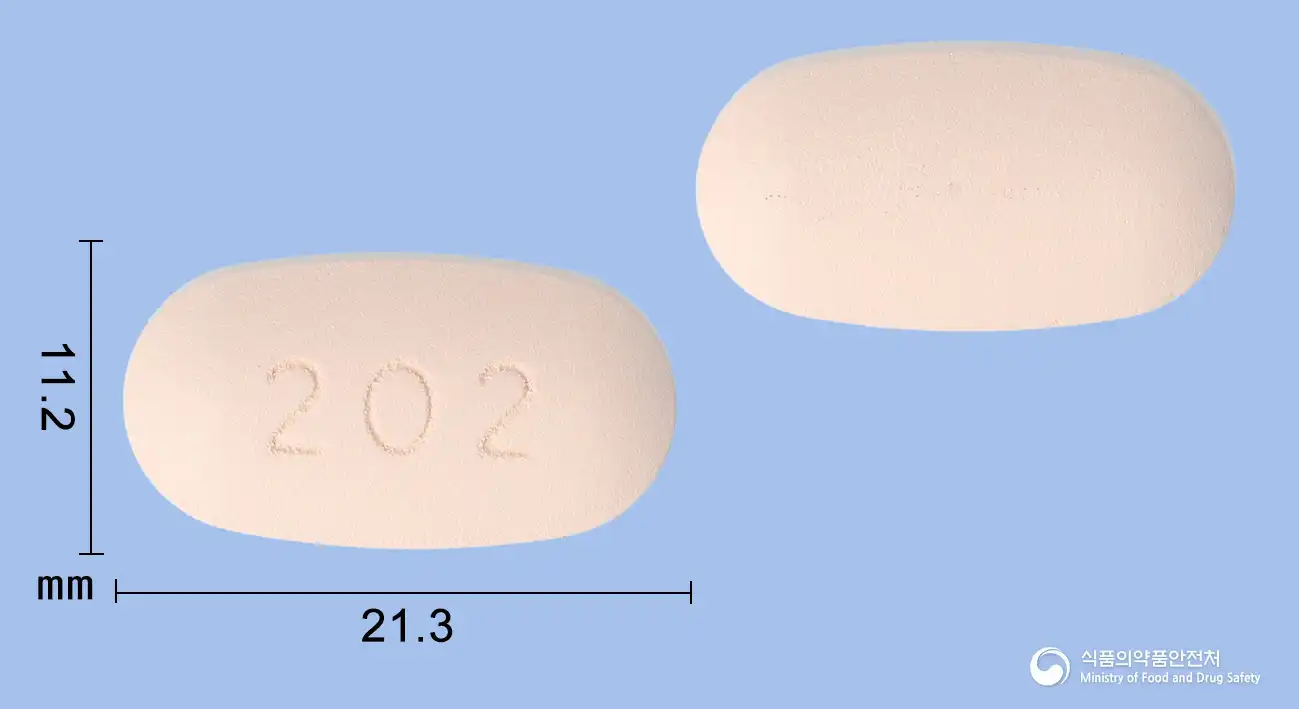
Orange, oval-shaped sustained-release film-coated tablet
30 tablets/bottle
Even with the same ingredient, strength, dosage form and how it is taken can differ.
Viewing nowCombinationMetformin Hydrochloride 1000mg · Sitagliptin Phosphate Hydrate 64.25mg +1 more
Tablet · Prescription medication · Combination
Green Cross Corp.
 Combination
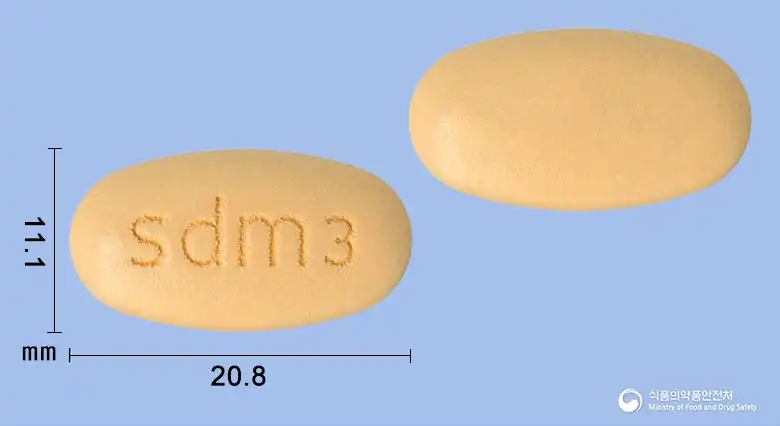
Sitagliptin Phosphate Hydrate 64.3mg · Dapagliflozin Propanediol Hydrate 6.2mg +1 more
Tablet · Prescription medication · Combination
Hanmi Pharmaceutical Co., Ltd.
 Combination
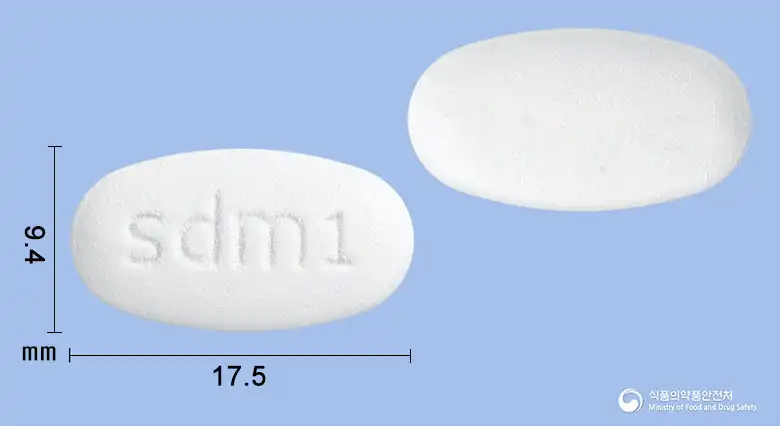
Sitagliptin Phosphate Hydrate 64.3mg · Dapagliflozin Propanediol Hydrate 6.2mg +1 more
Tablet · Prescription medication · Combination
Hanmi Pharmaceutical Co., Ltd.
 Combination
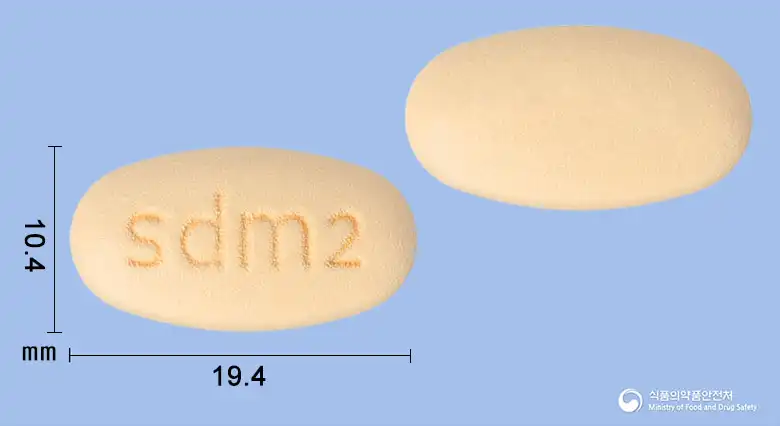
Sitagliptin Phosphate Hydrate 64.3mg · Dapagliflozin Propanediol Hydrate 6.2mg +1 more
Tablet · Prescription medication · Combination
Hanmi Pharmaceutical Co., Ltd.
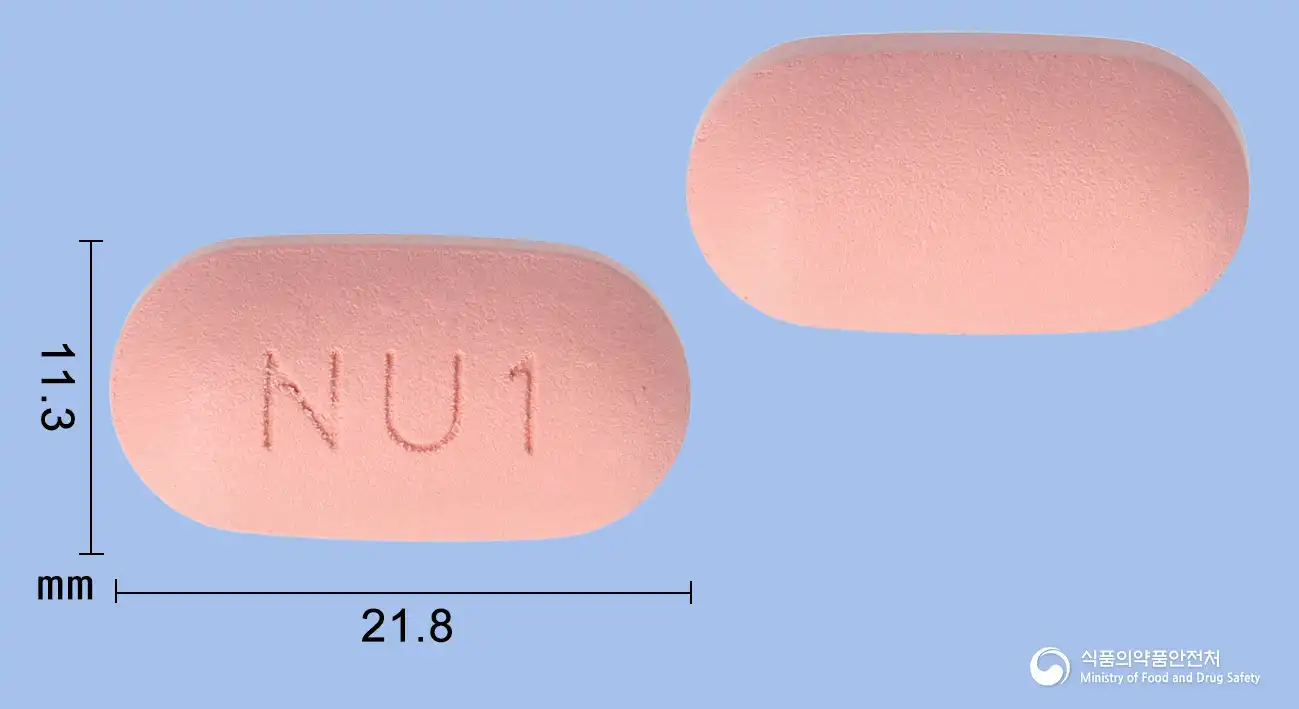 Combination
Metformin Hydrochloride 1000mg · Sitagliptin Phosphate Hydrate 128.5mg +1 more
Tablet · Prescription medication · Combination
Genewon Science Co., Ltd.
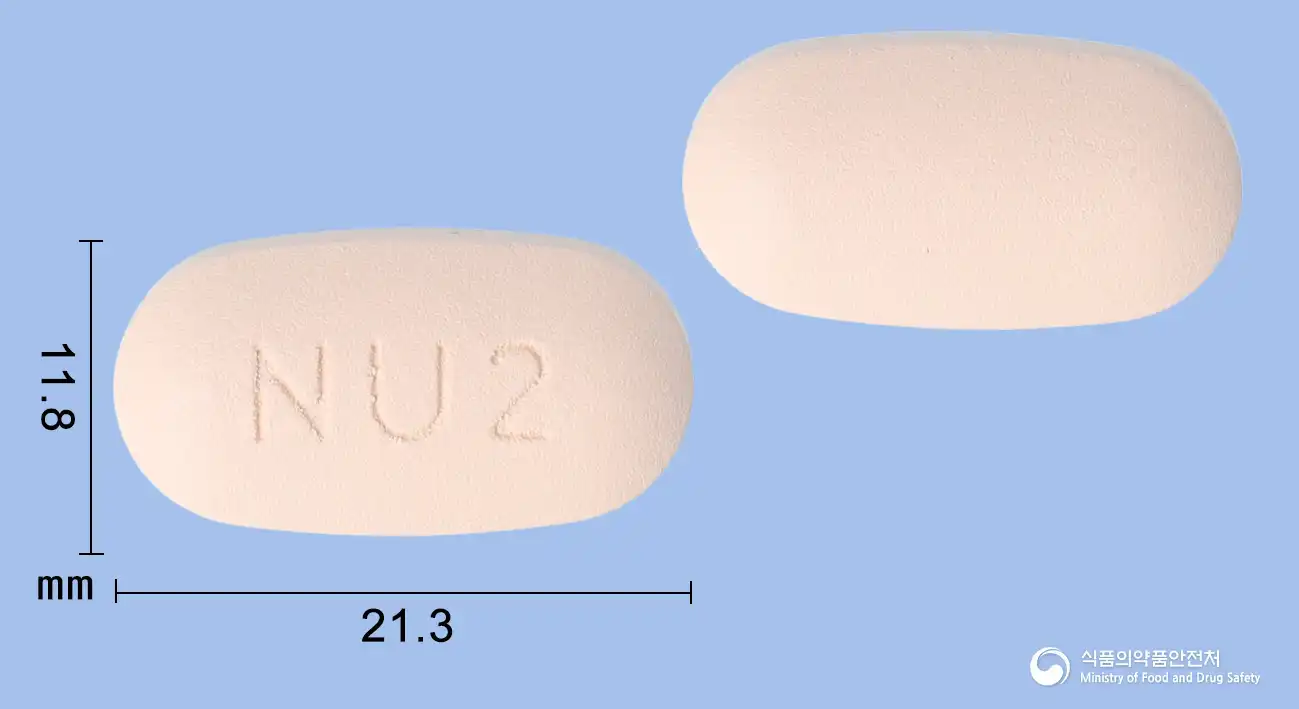 Combination
Metformin Hydrochloride 1000mg · Sitagliptin Phosphate Hydrate 64.25mg +1 more
Tablet · Prescription medication · Combination
Genewon Science Co., Ltd.
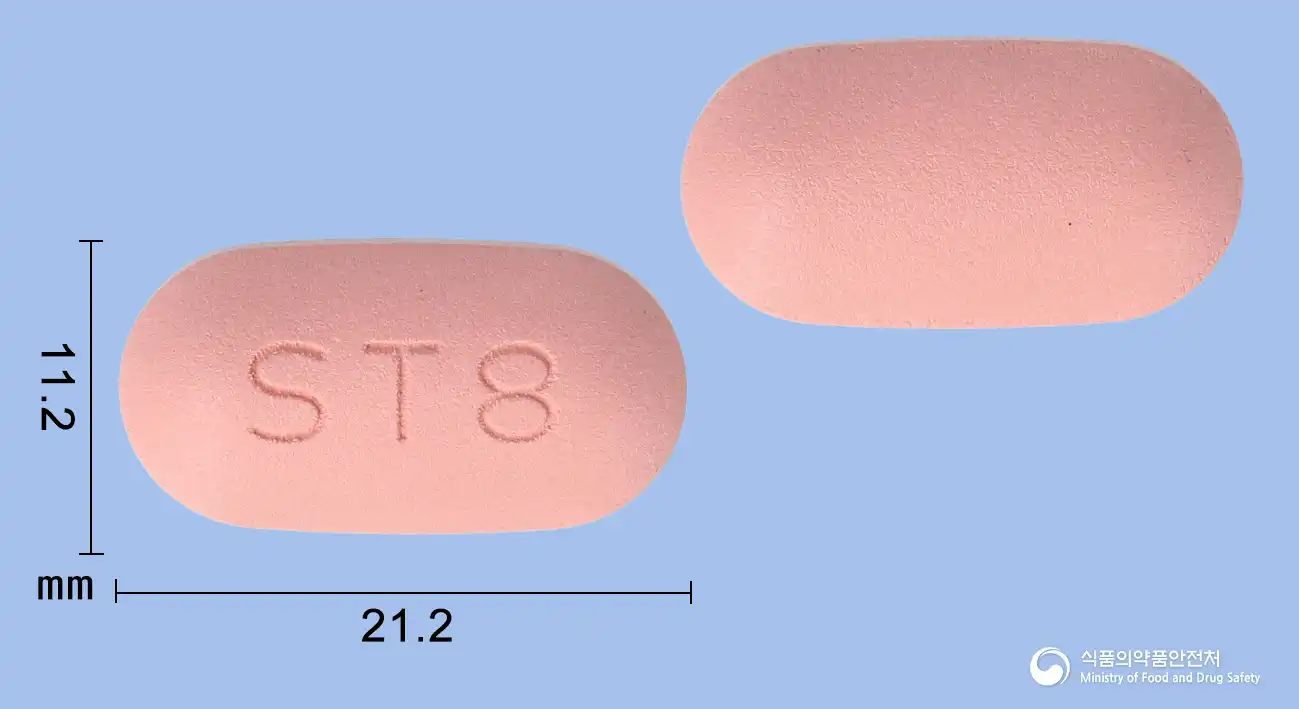 Combination
Metformin Hydrochloride 1000mg · Sitagliptin Phosphate Hydrate 128.5mg +1 more
Tablet · Prescription medication · Combination
Dongkuk Pharmaceutical Co., Ltd.
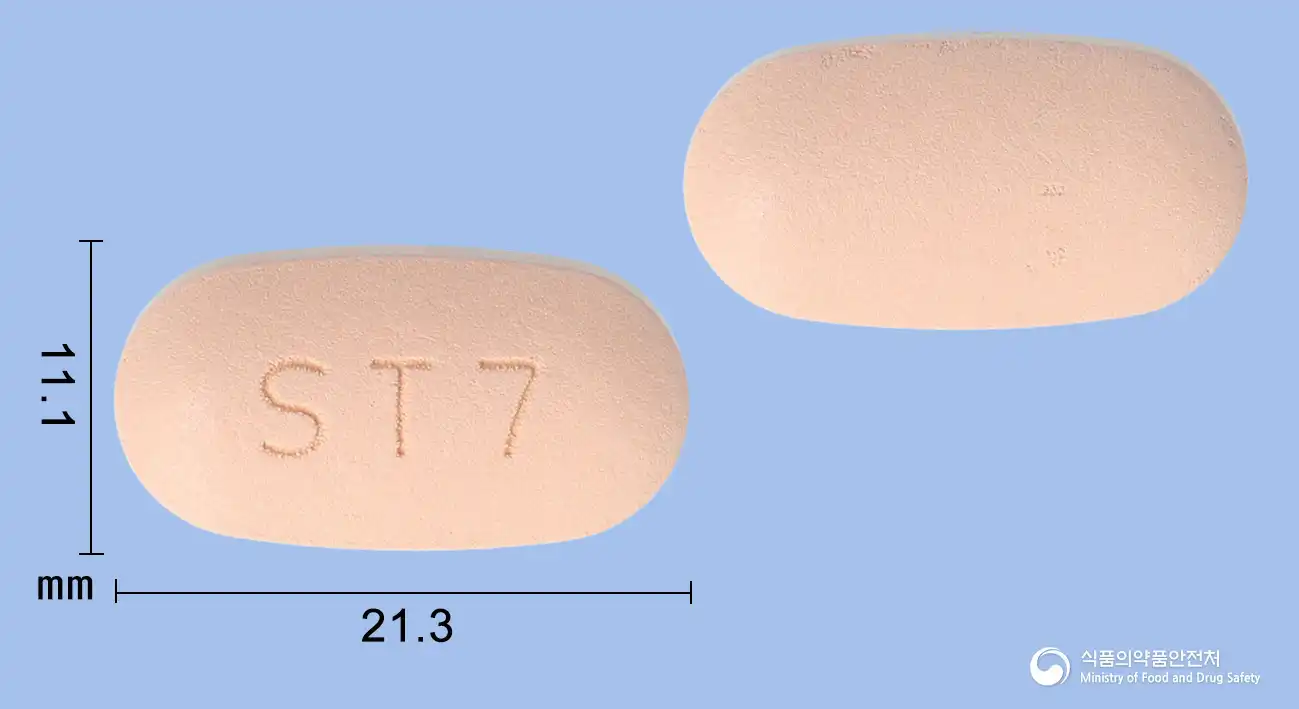 Combination
Metformin Hydrochloride 1000mg · Sitagliptin Phosphate Hydrate 64.25mg +1 more
Tablet · Prescription medication · Combination
Dongkook Pharmaceutical Co., Ltd.
Even with the same ingredient, the dose and directions can differ by strength and dosage form. Talk to a doctor or pharmacist before switching from a medication you are already taking.
No questions yet.
For anything that needs medical judgment, consult a doctor or pharmacist.
This drug information is based on data provided by the Korea Ministry of Food and Drug Safety.
Consult a doctor or pharmacist for accurate dosage, administration, and usage instructions.